History doesn’t bend on its own. It takes one person – stubborn enough, brilliant enough, or simply brave enough – to grab it and force it in a new direction. The United States has produced some of the most transformative individuals the world has ever seen. These aren’t just names in a textbook. They’re the reason your world looks the way it does today.
1. Abraham Lincoln: The Man Who Redefined a Nation
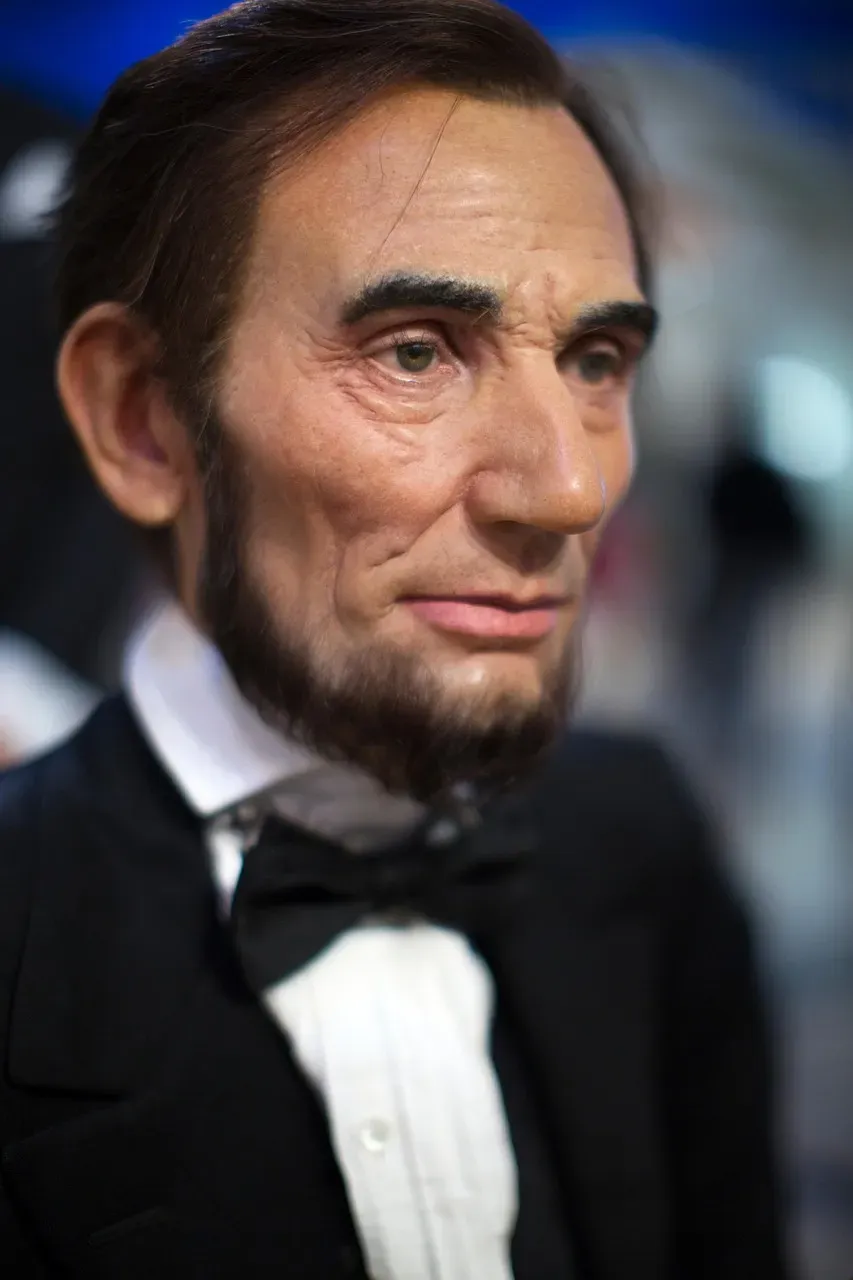
Abraham Lincoln, the 16th president of the United States, was a man who lived for what he believed in. He led the Union to victory over the Confederacy and abolished slavery with his Emancipation Proclamation, which made him one of America’s most beloved presidents. What’s often underestimated is just how close things came to going differently. Lincoln navigated a fractured government, a divided military, and a nation that was tearing itself apart in real time.
Lincoln called up volunteers and militia to suppress the rebellion and restore the Union. As the leader of the moderate faction of the Republican Party, Lincoln confronted Radical Republicans who demanded harsher treatment of the South, anti-war Democrats who despised him, and irreconcilable secessionists who plotted his assassination. Lincoln fought these factions by pitting them against each other, by carefully distributing political patronage, and by appealing directly to the American people. That political intelligence is what made the difference between a crumbling republic and a surviving one.
2. Martin Luther King Jr.: The Conscience of a Country
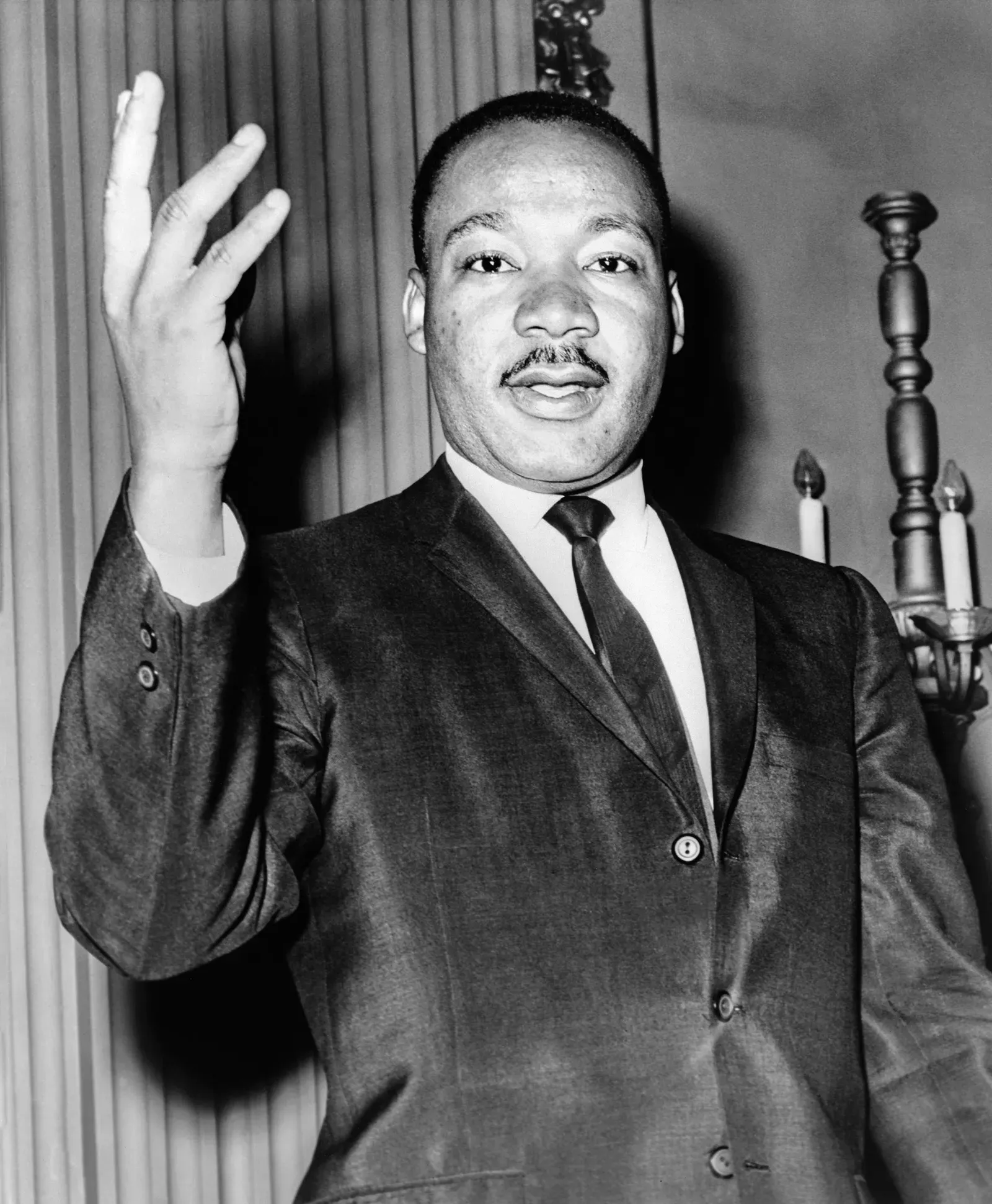
Martin Luther King Jr.’s leadership of the modern American Civil Rights Movement, from December 1955 until April 4, 1968, enabled African Americans to achieve more genuine progress toward racial equality in America than the previous 350 years had produced. That statistic alone should stop you cold. Thirteen years of nonviolent leadership outpaced three and a half centuries of slow, painful, incomplete progress. His adoption of nonviolent resistance to achieve equal rights for Black Americans earned him the Nobel Peace Prize in 1964.
King led the civil rights movement from 1955 until his assassination in 1968, advancing nonviolent resistance against racial segregation, discrimination, and the disenfranchisement of Black Americans. His leadership helped secure federal civil rights protections for all Americans in the Civil Rights Act of 1964 and the Voting Rights Act of 1965. The civil rights movement reshaped the nation’s understanding of discrimination, access, and equality as matters of fundamental rights. This shift opened the door for every civil rights struggle that followed, including disability rights. About eight-in-ten American adults say civil rights leader Martin Luther King Jr. has had a positive impact on the United States, according to a Pew Research Center report.
3. Jonas Salk: The Doctor Who Gave It All Away
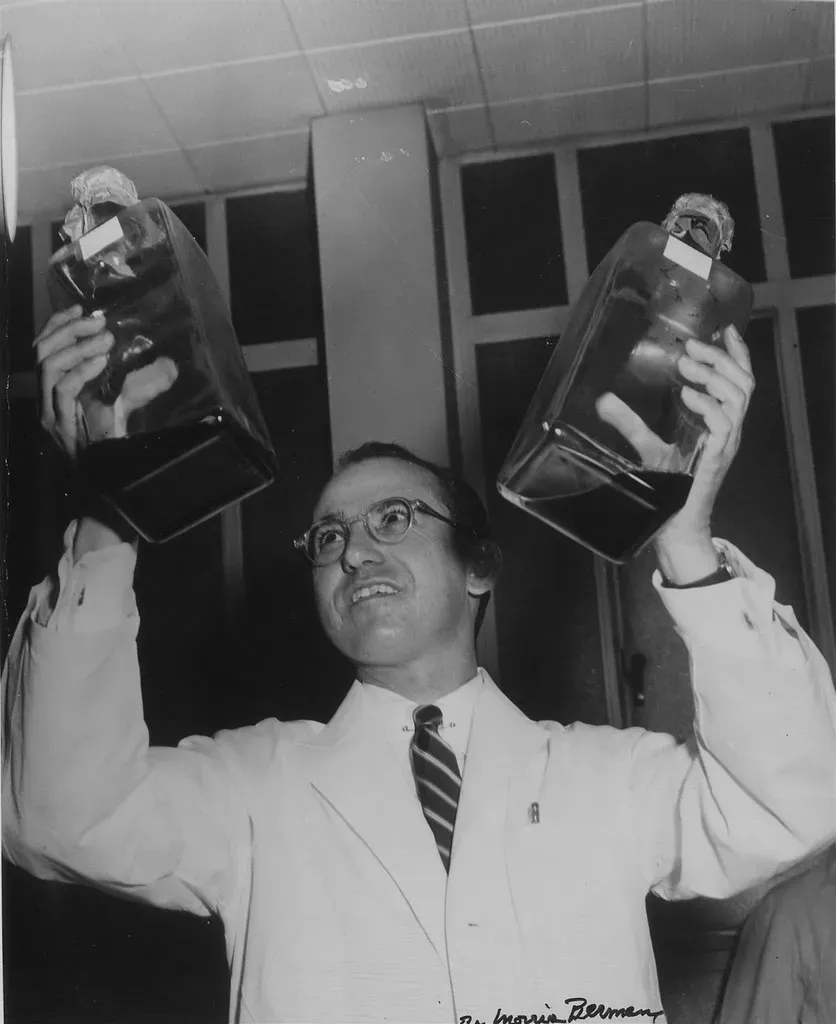
Beneath the tranquil surface of 1950s America, parents faced a great fear – the dreaded poliomyelitis. The disease had killed over thirteen hundred Americans, a large percentage of them children, and crippled more than eighteen thousand in the year 1954 alone. That was the world Jonas Salk inherited when he sat down in his Pittsburgh laboratory and decided he was going to fix it. In the early 1950s, between 25,000 and 50,000 new cases of polio occurred each year in the United States. Jonas Salk became a national hero when he allayed the fear of the dreaded disease with his polio vaccine, approved in 1955.
Salk was immediately hailed as a “miracle worker” when the vaccine’s success was first made public in April 1955, and he chose not to patent the vaccine or seek any profit from it in order to maximize its global distribution. When asked who owned the patent, Salk famously replied he couldn’t patent the sun. Within one year, deaths attributed to polio declined by 50 per cent, and this downward trend continued to the point where polio has been totally eradicated in most of the world. The introduction of Salk’s inactivated poliovirus vaccine, followed by the widespread distribution of the oral poliovirus vaccine developed by Albert Sabin, led to the launch of the Global Polio Eradication Initiative in 1988. Since then, that initiative has reduced global polio cases by 99%.
4. The Wright Brothers: Two Bicycle Mechanics Who Broke Gravity
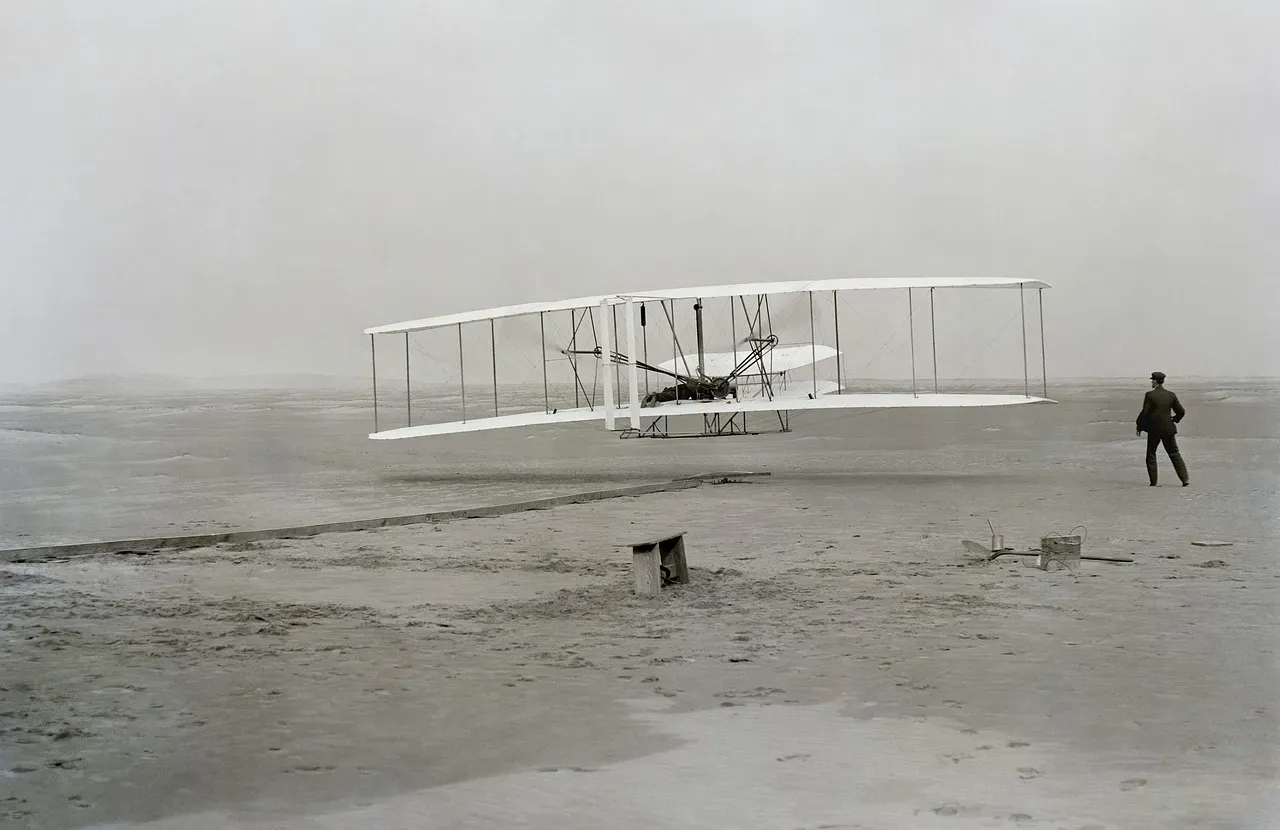
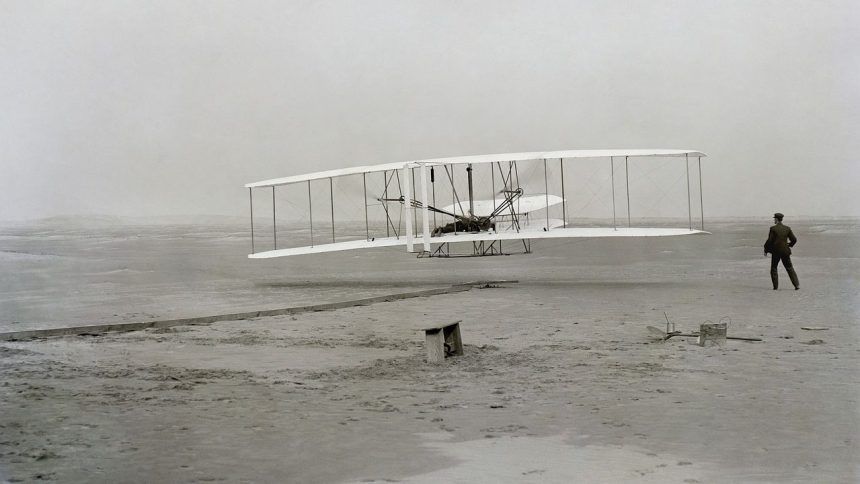
Orville and Wilbur Wright were aviation pioneers who invented, built, and flew the world’s first motor-operated airplane in 1903 at Kitty Hawk, North Carolina. Their invention paved the way for modern commercial aviation as we know it today. The fact that the two brothers were self-taught mechanical engineers made their impact on the world even more incredible. Nobody funded them, nobody assigned them the task – they simply refused to believe it couldn’t be done.
The dream of flight fascinated humanity for millennia, but it wasn’t until the first successful flight at Kitty Hawk in 1903 by the Wright Brothers that humanity reached its goal. No longer bound to the earth, humanity used the airplane to achieve new heights. While the Wright Brothers revolutionized the way humans traveled with the airplane, making the world feel like a much smaller place, travel was only a fraction of the changes the airplane brought to the world. By 1914, airpower would transform the way nations fought wars, leading to the intense battles for air superiority in World War II.
5. James Watson: The American Who Cracked the Code of Life
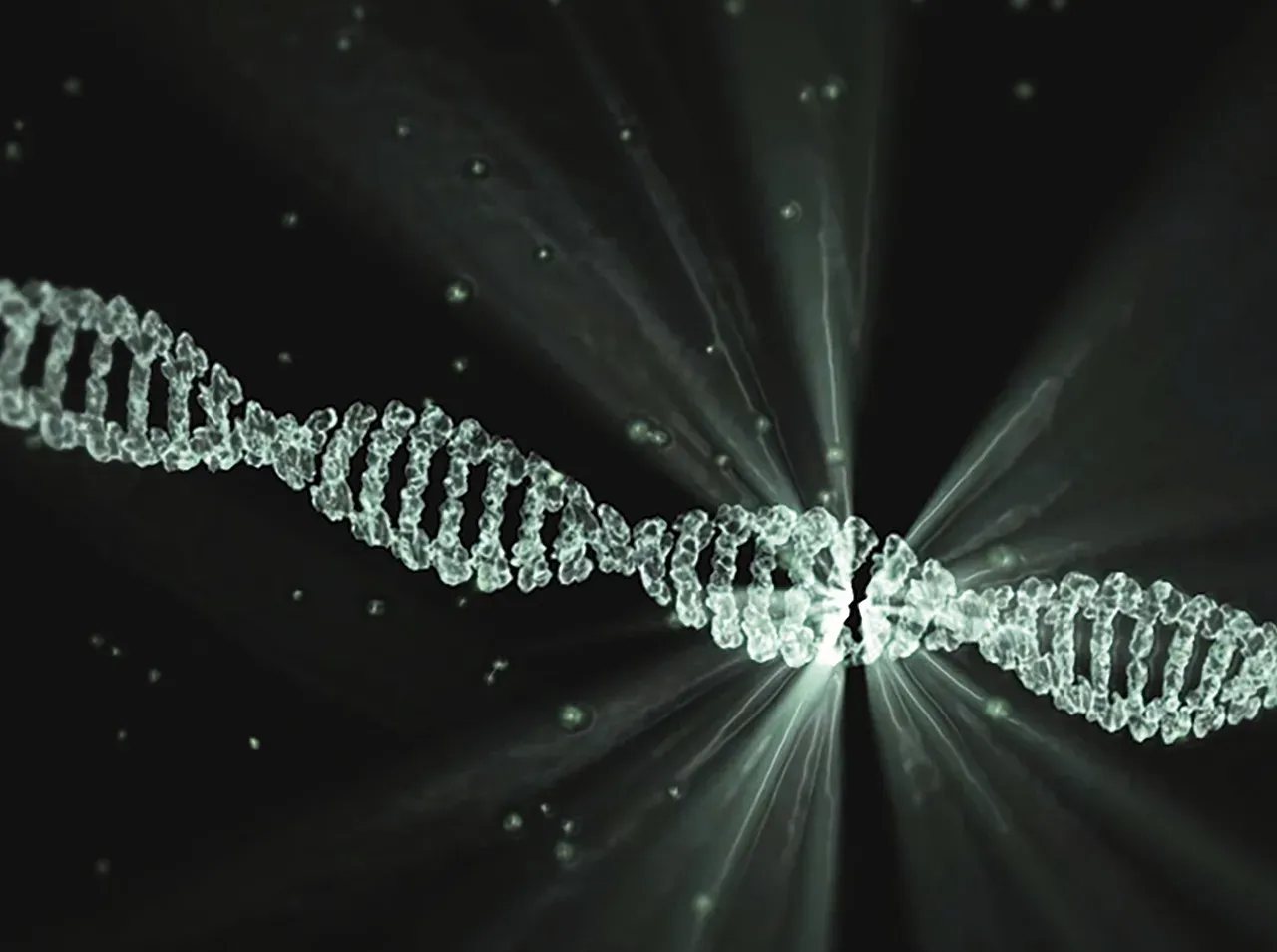
James Dewey Watson, who died on November 7, 2025, at the age of 97, was a towering figure in 20th century life science. With Francis Crick, he determined the structure of DNA, laying the foundation of modern biology. That discovery, made in 1953, didn’t just win a Nobel Prize – it fundamentally altered what human beings understood about themselves. Every field of medicine, genetics, and biology today traces its roots back to that double helix model.
Americans have dominated the Nobel Prize for physiology or medicine since World War II. The private sector has been the focal point for biomedical research in the United States, and has played a key role in this achievement. Watson’s work on DNA structure opened pathways that scientists are still walking today, from cancer research to gene therapy to forensic science. His contribution wasn’t just scientific – it was the kind of breakthrough that redefines what a species thinks it’s capable of understanding about its own existence.
The Transistor Inventors: The Americans Nobody Remembers

An American invention that was barely noticed in 1947 went on to usher in the Information Age. In that year, John Bardeen, William Shockley, and Walter Brattain of Bell Laboratories drew upon highly sophisticated principles of quantum physics to invent the transistor, a key component in almost all modern electronics, which led to the development of microprocessors, software, personal computers, and the Internet. Most people walk around today completely unaware of who these three men are, yet they hold the smartphone in their pocket because of them.
As a result, book-sized computers of today can outperform room-sized computers of the 1960s, and there has been a revolution in the way people live – in how they work, study, conduct business, and engage in research. The transistor sits quietly inside every piece of modern technology, an invisible engine running billions of human interactions every single day. The 20th century has been called “the American century” by scholars, commentators, and the public, because of the contributions the United States made to the world during this period. In the 20th century, the United States emerged as a world superpower, and led the international community politically, economically, and culturally for decades.