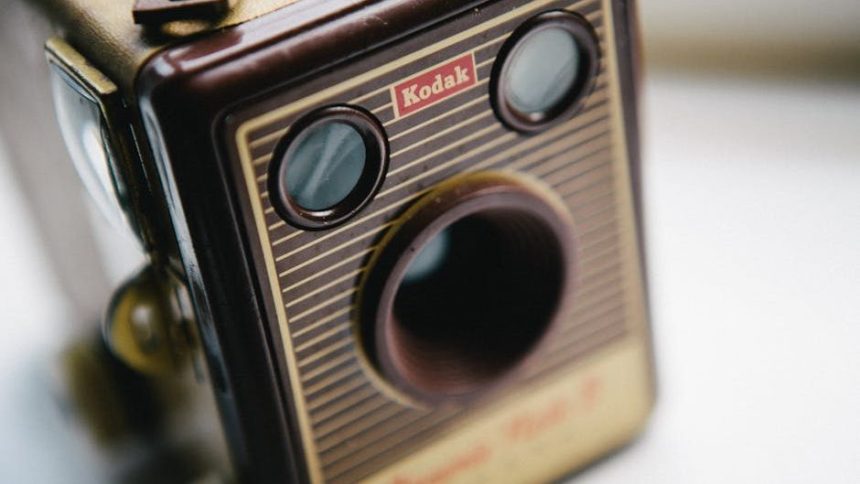
Some objects are so familiar that we stop noticing them. They sit on our desks, hang on our wrists, hum in our kitchens, and we reach for them a dozen times a day without a second thought. Yet if you trace the path each one took to get there, you find something much bigger than a product: you find the tensions, hopes, and turning points of a century compressed into a single form.
The 20th century was not just shaped by wars and political movements. It was also quietly reshaped by things people held in their hands. Here are five of those objects, each one carrying more history than it might seem.
The Wristwatch: From Jewelry to Battlefield to Status Symbol


From the beginning, wristwatches were almost exclusively worn by women, while men used pocket watches up until the early 20th century. The shift wasn’t gradual or cultural. It was military. The turning point came during World War I, when soldiers on the battlefield needed precise timing for military maneuvers like the creeping barrage, and found it cumbersome to use pocket watches while engaged in combat.
The impact of the First World War dramatically shifted public perceptions on the propriety of the man’s wristwatch, and opened up a mass market in the post-war era. The creeping barrage artillery tactic, developed during the War, required precise synchronization between the artillery gunners and the infantry advancing behind the barrage. Service watches produced during the War were specially designed for the rigors of trench warfare, with luminous dials and unbreakable glass. What began as battlefield necessity quickly became peacetime fashion. In the 1960s, the invention of the quartz watch, which ran on electricity and kept time with a vibrating quartz crystal, proved a radical departure for the watchmaking industry. During the 1980s, quartz watches took over the market from mechanical watches, a process referred to as the “quartz crisis.”
The Ballpoint Pen: A Refugee’s Invention That Rewrote the World

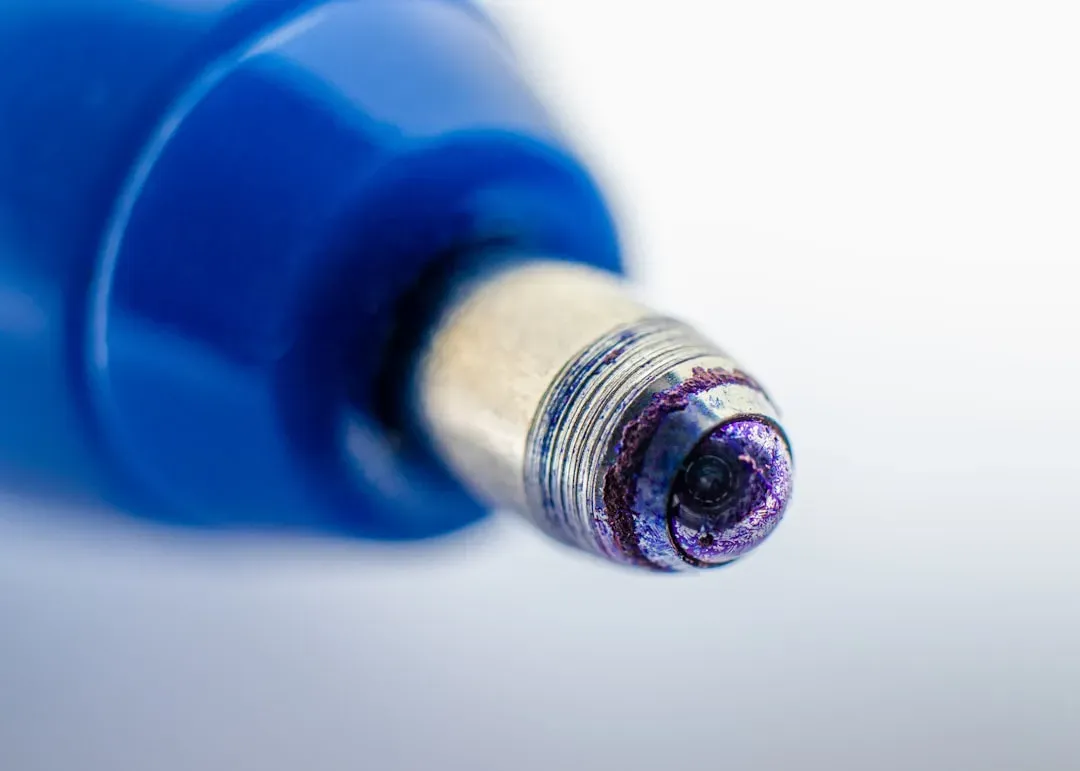
In the early 20th century, fountain pens were prone to leaking and smudging, requiring frequent refills and blotting. Hungarian journalist László Bíró was frustrated with the mess and inconvenience. While observing print shop workers, he noticed that the fast-drying ink they used left marks on everything but paper. He had an idea: create a pen using the same quick-drying ink. It sounds simple. The execution took years.
The design was conceived and developed as a cleaner and more reliable alternative to dip pens and fountain pens, and it is now the world’s most-used writing instrument; millions are manufactured and sold daily. It has influenced art and graphic design and spawned an artwork genre. Since going into production in the 1950s, over 100 billion Bic Cristals have been sold. The invention of the ballpoint pen meant suddenly anyone who wanted to write or draw could at any time at any place. There could not have been a more primed market for the technological advancement of the pen, as education and literacy rates were steadily increasing by the early 20th century.
The Electric Refrigerator: Cold Storage and the Reshaping of Daily Life


Refrigerators were adopted faster than just about any other technological innovation of the 20th century. They made their debut in the teens, and 30 years later, over half of Americans had them. In 1927, General Electric produced the first electric refrigerator for the home, known as the “Monitor Top,” which made it possible for families to store food safely and conveniently, ultimately leading to significant changes in eating habits and food consumption.
An enormous amount of women’s time once went into preserving perishable foods through pickling or drying, so that they would still be edible. Refrigeration essentially eliminated that labor. The rise of refrigeration is closely linked to the trend of urbanization during the 20th century. As more people moved to cities, life became faster-paced and the need for convenient food storage solutions grew. Refrigerators became essential household items, allowing city dwellers to buy in bulk and store food efficiently. Additionally, the ability to preserve food easily encouraged the establishment of supermarkets and chain stores.
The Kodak Brownie Camera: Democracy in a Box

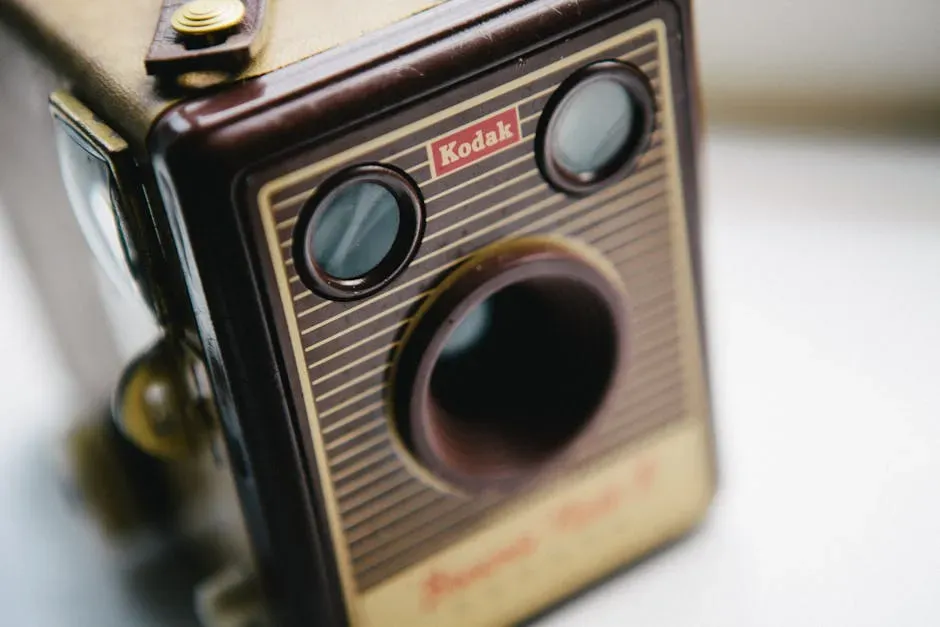
Artists and inventors had been experimenting with ways to capture still images for centuries, but it was George Eastman’s Kodak company that brought the feat to the masses. In 1900, Kodak introduced the Brownie camera, a simple box camera marketed at children, for $1, and by the 1920s photography was in the hands of millions of people. Before that, a photograph was something you commissioned from a professional in a studio. The Brownie changed who got to make images, not just who appeared in them.
Beyond its technical excellence, the camera shaped visual culture in the 20th century. It was the camera of choice for photojournalists, artists, and storytellers. It demonstrated how design could empower creativity, making the camera not just an instrument, but an extension of the eye and hand. Ordinary people began documenting ordinary life, and in doing so, created an entirely new kind of historical record. The snapshot became a social habit, then a cultural reflex, then an identity.
The Zipper: A Small Fastener With an Outsized Role

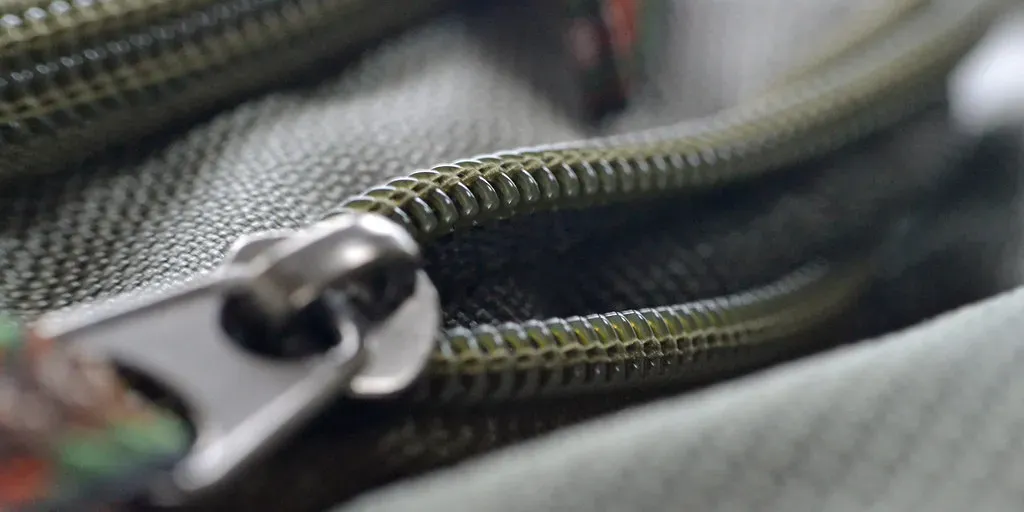
Small and often overlooked, zippers dramatically changed clothing production and everyday convenience. Early concepts appeared in the 19th century, but Gideon Sundback’s 1913 improvements to the fastening mechanism made the device practical for widespread use; a boot company later popularized the catchy name “zipper.” It took decades more before the garment industry fully embraced it, and even then the adoption was uneven across cultures and clothing types.
What the zipper really changed was the relationship between clothing and the body. Before it, getting dressed was slower, more laborious, and often required assistance. The zipper made self-sufficiency in dressing a simple expectation. It appeared on military uniforms, work gear, and eventually high fashion, quietly threading itself through nearly every decade of the century. These histories demonstrate how innovations frequently emerge from unexpected sources, with military technology, industrial failures, and extravagant luxuries often transforming into everyday necessities.