


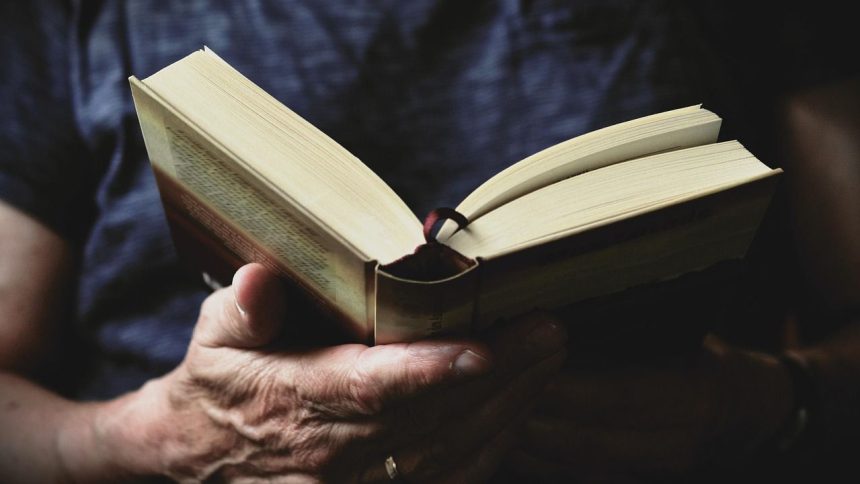
Books have always had this strange power to shake up the world. Some make us laugh, others make us cry, but a few? They make society lose its mind. Throughout history, certain novels have sparked riots, been banned by governments, and even landed their authors in court. These aren’t just dusty old classics sitting on a shelf. They’re cultural earthquakes that challenged everything people believed about morality, religion, sex, and power.
What makes a book truly controversial? It’s not just shock value. The most polarizing novels hit a nerve because they expose uncomfortable truths or dare to imagine worlds that threaten the status quo. They get under your skin. They make people angry because they force us to question beliefs we’ve held our entire lives. Let’s dive into five novels that didn’t just push boundaries – they obliterated them.
Lolita by Vladimir Nabokov

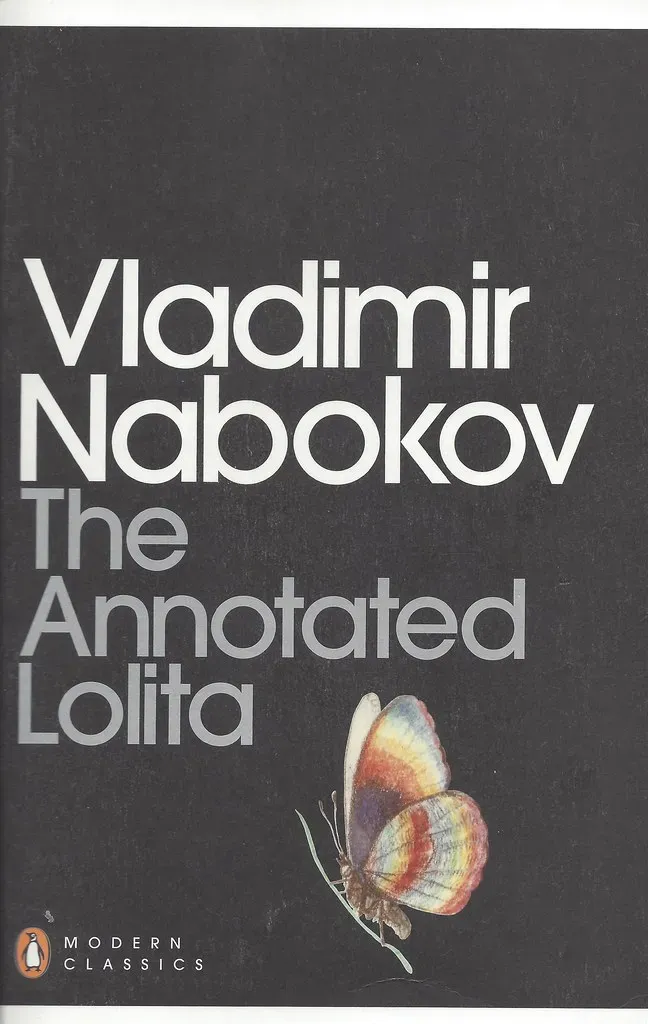
When Nabokov published this novel in 1955, it caused an immediate uproar. The story follows Humbert Humbert, a middle-aged literature professor who becomes obsessed with a twelve-year-old girl. The book was banned in France, England, and several other countries. Critics called it immoral, disgusting, and dangerous.
Here’s the thing though. Nabokov wasn’t endorsing his narrator’s actions. The entire novel is a masterclass in unreliable narration. Humbert tries to justify his predatory behavior with flowery language and self-pity, but readers who pay attention see him for what he truly is: a manipulative monster. The controversy stems from people mistaking the subject matter for the message.
What makes Lolita matter today is how it forces readers to think critically about storytelling itself. Can we explore evil through a villain’s eyes without celebrating it? Should art tackle the darkest aspects of human nature? These questions remain as relevant now as they were seventy years ago. The novel reminds us that examining evil doesn’t mean excusing it.
The Satanic Verses by Salman Rushdie

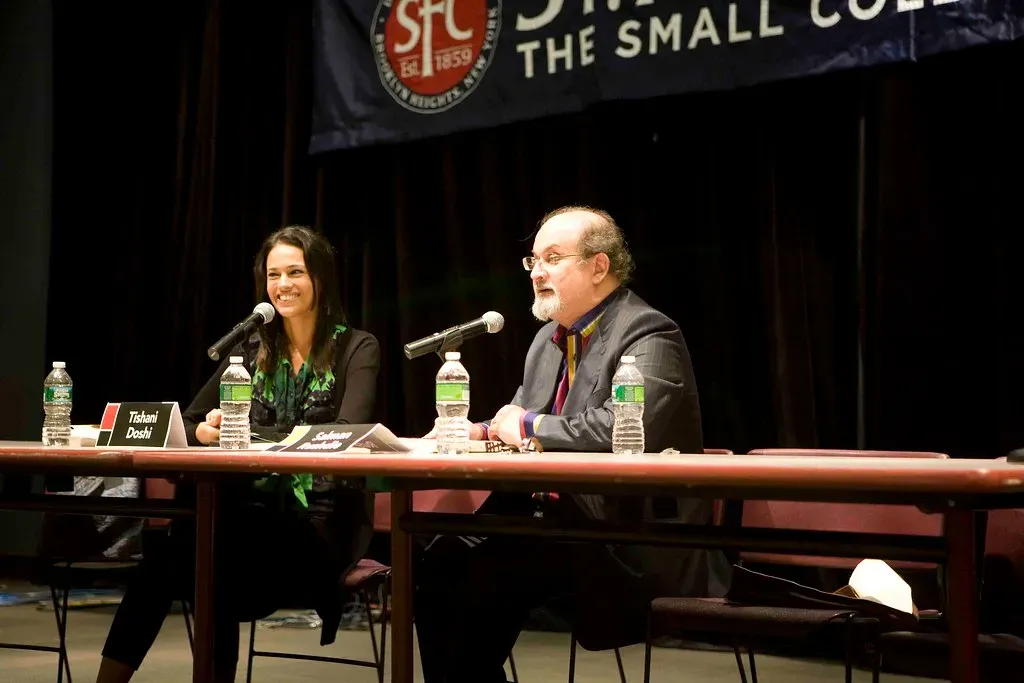
Few books have caused as much global chaos as Rushdie’s 1988 novel. The story blends magical realism with a satirical look at religion, culture, and identity. Within weeks of publication, protests erupted across the Muslim world. Iran’s Ayatollah Khomeini issued a fatwa calling for Rushdie’s death. The author spent years in hiding, and several people connected to the book’s translation and publication were attacked or killed.
The controversy centered on passages some Muslims interpreted as blasphemous toward the Prophet Muhammad. Rushdie has always maintained the book is about migration, identity, and the immigrant experience, not an attack on faith. But the damage was done. Bookstores were firebombed. Countries banned it. The whole situation showed how a novel could literally put lives at risk.
Why does this book still matter? It crystallized the tension between artistic freedom and religious sensitivity. Where do we draw the line between creative expression and respect for beliefs? There’s no easy answer. The Satanic Verses proved that words can be just as dangerous as weapons, and that art sometimes demands a price nobody should have to pay.
Ulysses by James Joyce

Joyce’s 1922 masterpiece was considered so obscene that it was banned in the United States and England for over a decade. The novel follows Leopold Bloom through a single day in Dublin, but it’s written in a stream-of-consciousness style that mimics how our minds actually work. That includes sexual thoughts, bodily functions, and all the messy, uncomfortable stuff humans experience but rarely discuss in polite company.
Customs officials literally seized and burned copies of the book. The ban wasn’t lifted in America until a landmark 1933 court case that changed obscenity law forever. The judge ruled that Ulysses was art, not pornography, setting a precedent for what could be published. Before this, publishers faced serious legal consequences for printing anything deemed too explicit.
Partner offer

The novel matters because it expanded the boundaries of what literature could do and say. Joyce proved that art could mirror the full spectrum of human consciousness without apology. His victory in court paved the way for countless other works that might have been suppressed. Without Ulysses, modern literature would look completely different. It opened doors that changed everything.
American Psycho by Bret Easton Ellis


When this novel hit shelves in 1991, the backlash was immediate and brutal. The book follows Patrick Bateman, a wealthy investment banker who moonlights as a serial killer. Ellis describes Bateman’s murders in graphic, stomach-turning detail. Feminist groups protested. Some bookstores refused to carry it. The National Organization for Women called for a boycott.
Ellis wasn’t writing torture porn for shock value though. American Psycho is a savage satire of materialistic, status-obsessed culture. Bateman is so shallow and consumed by brand names and appearances that the violence feels like an extension of his consumerism. He treats human beings the way he treats luxury goods, something to acquire and discard. The question the book raises is uncomfortable: is Bateman the problem, or is he just an extreme product of a sick society?
The controversy revealed how squeamish we are about looking at our own ugliness. People could handle violence in movies, but seeing it described so coldly in prose felt different. The novel holds up a mirror to late capitalism and consumer culture, and we don’t like what we see reflected back. That’s exactly why it continues to provoke strong reactions decades later.
Lady Chatterley’s Lover by D.H. Lawrence

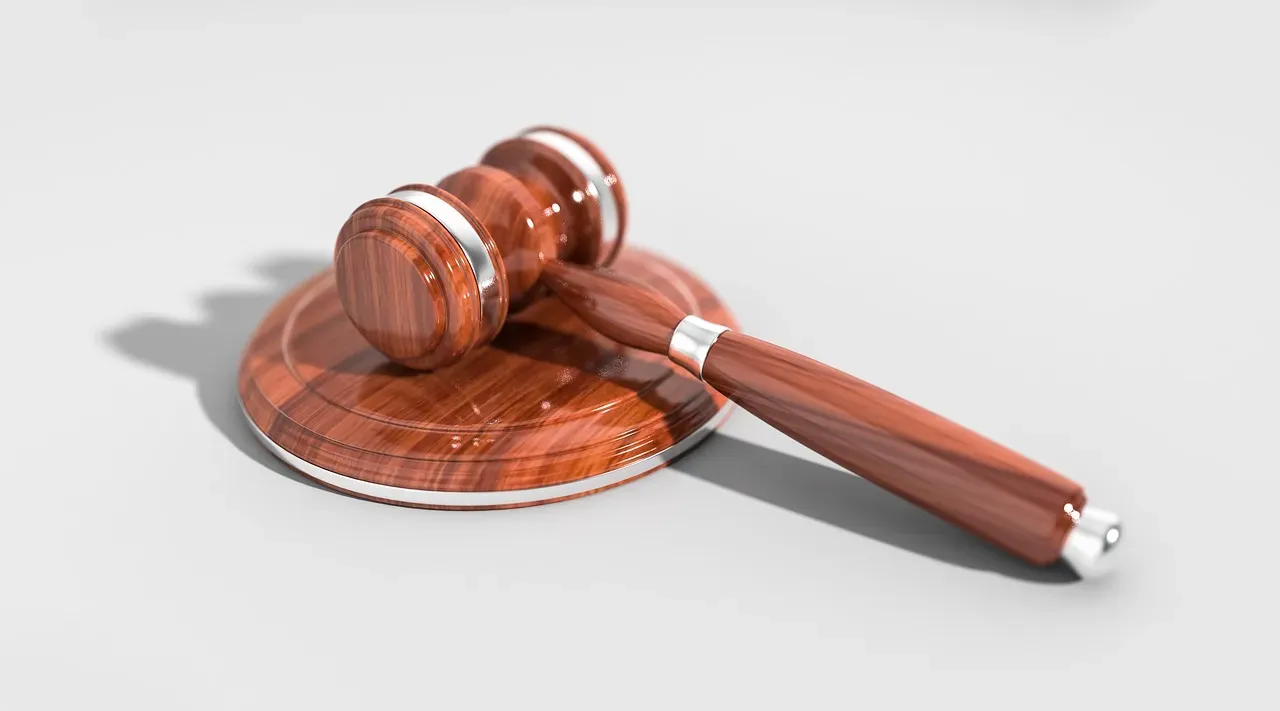
Lawrence published this novel privately in 1928 because he knew no mainstream publisher would touch it. The story of an aristocratic woman having an affair with her gamekeeper included explicit sexual descriptions that were shocking for the time. Britain banned it for obscenity. It wasn’t legally published there until 1960, after a famous trial that became a cultural watershed moment.
The prosecution argued the book would corrupt public morals. The defense brought in literary critics and scholars who testified to its artistic merit. When the jury found in favor of publication, it signaled a massive shift in societal attitudes toward sex and censorship. Millions of copies sold almost immediately. Everyone wanted to read what had been forbidden for so long.
What makes Lady Chatterley’s Lover significant is how it challenged class divisions and sexual hypocrisy. Lawrence believed that honest depictions of sexuality were healthier than the repression and shame that dominated his era. The trial proved he was right. Society was ready to move past Victorian prudishness, even if it took a courtroom battle to get there. The novel helped usher in more open discussions about sex and relationships that we take for granted now.
Why These Books Still Matter Today

Controversy tends to fade over time, but these novels remain relevant because they tackled fundamental questions about freedom, morality, and human nature. They remind us that progress often comes from discomfort. Each of these books challenged the limits of what could be said, thought, or imagined at the time of publication.
Reading them now offers a window into how much society has changed, and how much hasn’t. Some battles over censorship and artistic freedom feel settled. Others are still being fought in different forms. These novels prove that art can be dangerous precisely because it makes us think and feel things we’d rather avoid. They matter because they refused to be safe or comfortable.
They also show us that controversy doesn’t determine quality. Some controversial books are forgotten, while others become classics. These five endured because beneath the shock and outrage, they offered something genuine. Real insights about who we are and what we value. That’s what separates a mere scandal from lasting cultural impact. What do you think – should any book ever be banned, or does art deserve complete freedom? Tell us in the comments.
Partner offer
Planning a trip to Vegas?
Compare hotel rates and show tickets on VEGAS.com.


