



Some of the most important records in music history didn’t arrive with fanfare. They slipped out quietly, confused audiences, sold poorly, or got buried under distribution problems – and then, years later, turned out to have quietly rewritten the rulebook. That gap between release and recognition is one of music’s more fascinating patterns. The world hears something genuinely new and, more often than not, doesn’t know what to do with it.
The five albums on this list share that quality. Each one planted seeds that took years, sometimes decades, to fully flower. Their influence didn’t announce itself – it crept into the DNA of artists who came after them, often without anyone tracing the lineage back to the source.
The Velvet Underground & Nico (1967) – The Blueprint Nobody Bought


The Velvet Underground’s debut album with German vocalist Nico bombed spectacularly when it dropped in 1967, barely scraping to number 199 on the Billboard charts. Critics found its experimental sound and taboo subjects like drug use and sexual deviance too “abrasive” to handle, and Verve Records barely promoted it before having to recall it due to legal issues.
Its abrasive textures, frank explorations of drugs and sexuality, and stark experimentalism became a blueprint for raw, uncompromising rock. Brian Eno famously remarked that “not many people bought it, but everyone who did started a band,” highlighting the outsized impact the Velvets’ debut had on generations of musicians. By the 1980s and 1990s, the debut LP was finally being hailed as one of the most influential albums ever made, shaping punk, post-punk, indie, and noise rock, with its abrasive textures and stark experimentalism becoming a blueprint for raw, uncompromising music.
Big Star – #1 Record (1972) – The Power Pop Ghost That Haunted Indie Rock


Many critics praised the album’s vocal harmonies and songcraft, but #1 Record suffered from poor distribution and sold fewer than 10,000 copies upon its initial release. Chilton had chosen to sign with the small Memphis label Ardent, which was distributed by Stax, a famous soul label trying to elbow its way into the rock and roll space – and the logistics simply failed the music.
The band’s musical style drew influence from 1960s acts such as the Beatles and the Byrds, pioneering a style that foreshadowed the alternative rock of the 1980s and 1990s, and before they broke up, Big Star created a “seminal body of work that never stopped inspiring succeeding generations,” according to Rolling Stone. Big Star, considered to be among the founders of power pop, has been cited as an influence by many of the major alternative bands of the 1980s and 1990s, with artists such as R.E.M., Teenage Fanclub, The Replacements, and Wilco all enthusiastically touting the artistic impact of the group. In 2020, the album was ranked number 474 on Rolling Stone’s list of the 500 greatest albums of all time, and the song “Thirteen” was ranked number 406 on its 500 Greatest Songs of All Time.
Partner offer

Joy Division – Unknown Pleasures (1979) – The Post-Punk Foundation That Took Years to Land


On release in 1979, Joy Division’s debut LP initially sold modestly, confined to independent circles. Its bleak soundscapes and Ian Curtis’s stark vocals alienated mainstream listeners expecting punk energy or pop accessibility. Even critics were divided, some finding it simply too dour.
After Curtis’s death in 1980, the album took on an almost mythic status. By the mid-1980s, it was seen as the founding statement of post-punk, inspiring a generation of bands including The Cure, the Bunnymen, and U2 with its icy production and emotional depth. Joy Division’s debut is haunting, atmospheric, and deeply influential. Produced by Martin Hannett, the album’s cold, spacious sound perfectly matches Ian Curtis’s introspective lyrics, and songs like “Disorder” helped shape post-punk and later inspired countless alternative and gothic rock bands.
Pixies – Surfer Rosa (1988) – The Quiet Architect of Grunge

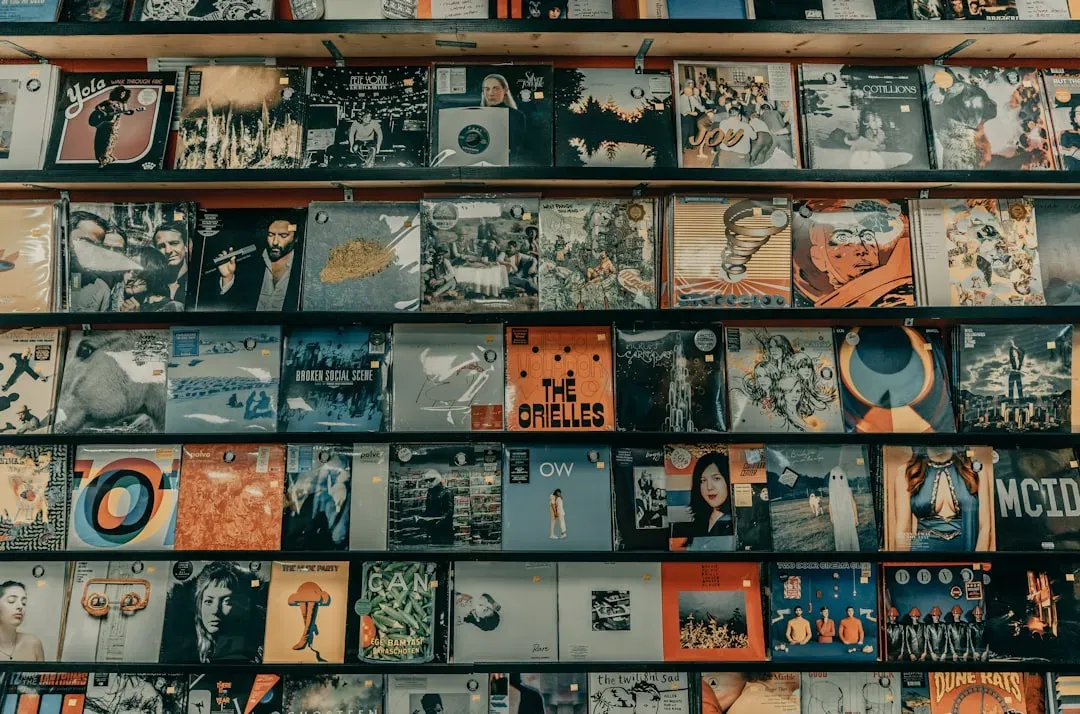
Surfer Rosa is the debut studio album by the American alternative rock band Pixies, released in March 1988 on the British label 4AD. It was produced by Steve Albini. As 4AD was an independent label, distribution in the United States was handled by Rough Trade Records; however, it failed to chart in either country. Only one single was released, a rerecorded version of “Gigantic,” which reached number 93 on the UK Singles Chart.
Surfer Rosa, their debut album and one of the most influential rock records of the 1990s, was released two years before the 1990s even started. Alternative rock artists including Billy Corgan and PJ Harvey have cited it as an inspiration, and it was an influence on Nirvana’s 1993 album In Utero, which Albini also produced. The album exemplifies the Pixies’ “quiet loud” dynamic that they became famous for – a technique that bands such as Nirvana and others would go on to use in their own music. At the time of its release, Surfer Rosa made little commercial impact. Its raw, unconventional production and unpredictable song structures were too challenging for mainstream radio, and many listeners found it disorienting. Despite this, underground musicians from Smashing Pumpkins to Dinosaur Jr. immediately recognized its power, and the seeds of its enduring influence were quietly planted even as general audiences largely ignored it.
Black Sabbath – Black Sabbath (1970) – The Album Critics Called Noise That Birthed an Entire Genre

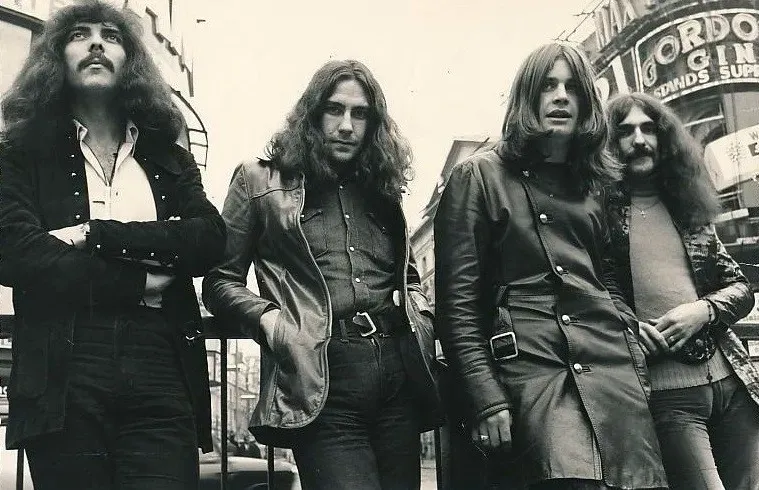
Black Sabbath got absolutely destroyed by reviewers when it came out in 1970. Critics dismissed the band as a poor man’s Cream, completely missing what made their sound so revolutionary. Released as the hippie era was fading, the album’s dark themes about the occult, war, and apocalyptic doom, combined with Tony Iommi’s down-tuned guitar and the band’s menacing sound, felt like a direct attack on the peace and love vibes still dominating rock criticism.
Heavy metal effectively began here. Black Sabbath’s debut introduced dark riffs, horror-inspired imagery, and a heavier sound than rock music had previously experienced. The album changed the direction of hard rock forever and created an entirely new genre. Today, that debut is recognized as the birth of heavy metal. Its atmosphere, riffs, and sense of dread changed rock music permanently, regardless of what reviewers initially thought. The fact that an album this foundational was initially dismissed as crude noise only makes the story more remarkable – and more instructive about how often the music world misjudges its own turning points.
Partner offer
Planning a trip to Vegas?
Compare hotel rates and show tickets on VEGAS.com.


