


Every master-planned community in the Phoenix Valley sells a dream. Lush parks, resort pools, walkable Main Streets, and the promise that your investment will only grow. Developers are very good at painting that picture – and buyers, understandably, buy into it.
Here’s the thing, though. The post-pandemic euphoria that sent Valley home prices soaring has cooled considerably. The average home value in Mesa, AZ is now around $436,600, down roughly three percent over the past year. The broader Phoenix area tells a similar story of pullback and recalibration. So the real question worth asking right now, in 2026, is this: which of these celebrated communities are actually delivering on their promise when it comes time to resell? Let’s dive in.
1. Verrado, Buckeye – The Charming Village That Takes Forever to Sell

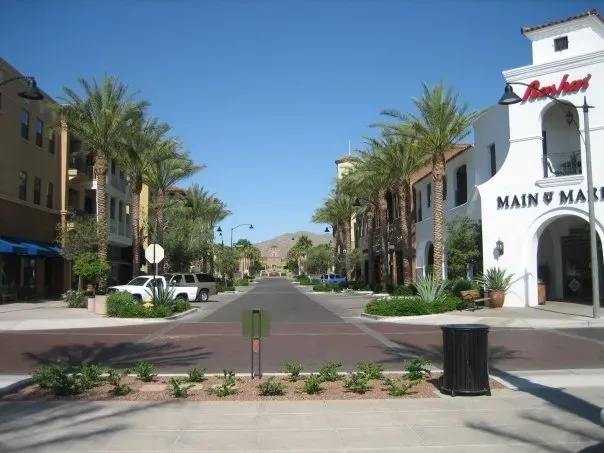
Verrado is genuinely beautiful. It has a storybook Main Street, two championship golf courses, and more parks than most residents could ever visit. The marketing is excellent. Honestly, it’s hard not to fall for it when you see it in person.
The resale numbers, though, tell a more complicated story. In late 2025, Verrado home prices were essentially flat compared to the prior year, with a median price of around $525,000, and homes were taking an average of 103 days to sell – up significantly from 84 days the year before. That kind of extended market time is a red flag for any resale investor.
There were also around 47 new listings sitting on the market at a median listing price of $550,000 – meaning supply isn’t exactly thin. Separate data from December 2025 showed an average days on market of 107, with a median list price of $575,000, which tells you listing prices and actual sale prices are drifting apart. Buyers in Verrado are negotiating. Sellers are waiting. That’s not the behavior of a high-demand community.
2. Vistancia, Peoria – Arizona’s Most Decorated Community Hits a Plateau


If you follow Arizona real estate at all, you know Vistancia. It has ranked as the number one master-planned community in Arizona for 12 consecutive years, from 2013 all the way through 2024. That kind of track record carries weight. It also carries a very high price tag.
The median sale price of a home in Vistancia recently came in at around $659,000, down nearly one percent compared to the prior year. Homes typically sit on the market for roughly 75 days and attract only a single offer on average. For a community that bills itself as the best in the state, that’s a modest showing.
Some individual sales have told an even starker story – one recently sold home in the community spent 162 days on the market before closing at $755,000. When award-winning communities are producing six-month listings, the prestige premium starts to feel shaky. The amenities are undeniable. The resale momentum? Less so.
3. Eastmark, Mesa – Big Numbers, Big Slowdown

Eastmark is a genuinely impressive development. It covers a massive 3,200 acres in Mesa and has been growing steadily since 2013, generating billions in residential sales along the way. The community amenities are top-tier, the schools are strong, and the location near the Phoenix-Mesa Gateway Airport has real appeal.
The median sale price for homes in Eastmark over the last 12 months landed at around $570,000, down five percent from the prior 12-month period. That’s not a minor dip – that’s a measurable price correction in one of the Valley’s most hyped communities. Homes in Eastmark are also taking an average of 63 days to sell, longer than the national average of 53 days.
Separate market data highlighted an uptick in days on market that recently averaged around 119 days for certain segments, signaling a slower sales pace compared to earlier periods. Think of it like a highway that looks wide open on the map but is actually bumper-to-bumper once you’re on it. The community looks great from the brochure. Getting out at the price you want is taking longer than expected.
4. Marley Park, Surprise – The Lifestyle Play That Isn’t Holding Its Value

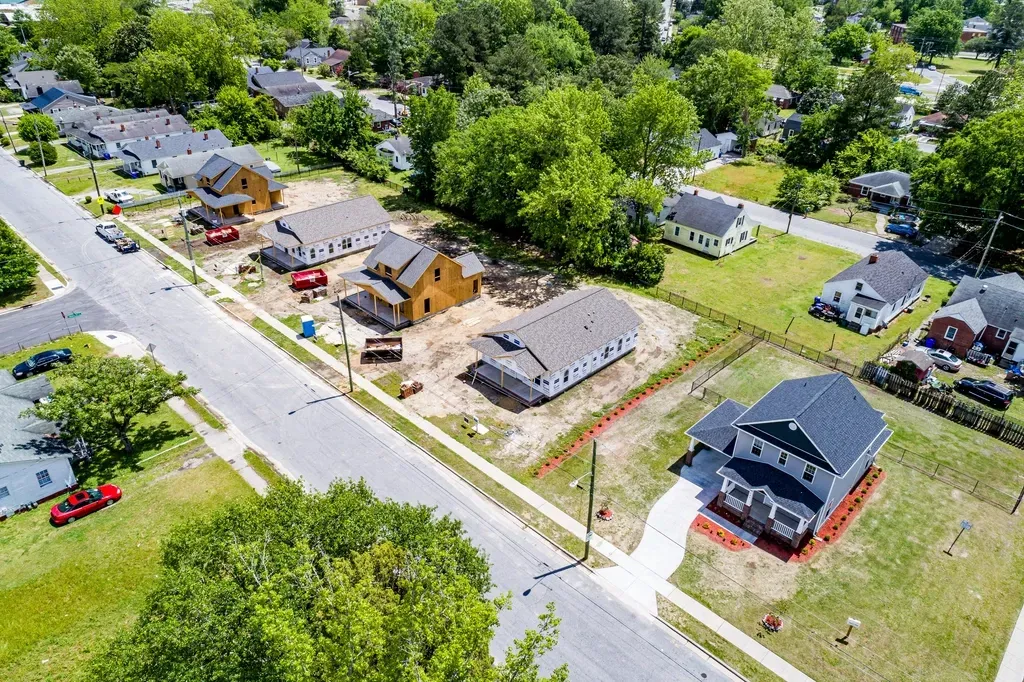
Marley Park in Surprise was built around a very specific idea: community lifestyle first. It features thousands of trees, shaded walkways, 18 parks and playgrounds, a clubhouse and pools all within close proximity. That vision has attracted buyers for years, and the neighborhood does have genuine charm. I get it.
The value retention story, however, is getting harder to defend. As of mid-2025, homes in Marley Park were listed at a median price of around $775,000, but the price per square foot had dropped by seven percent compared to the prior year. A seven percent per-square-foot decline is not noise – that’s a trend. The housing market in Marley Park is slowing down, according to market analysts tracking the data.
Most homes in Marley Park are sitting on the market for around 83 days before receiving a single offer. When sellers have to offer buydowns and rate incentives just to attract a buyer – which listing data from the community reflects – it raises a real question about whether the premium attached to the Marley Park name is justified at resale time.
5. Eastmark vs. the Broader Mesa Market – When New Construction Undercuts Resale

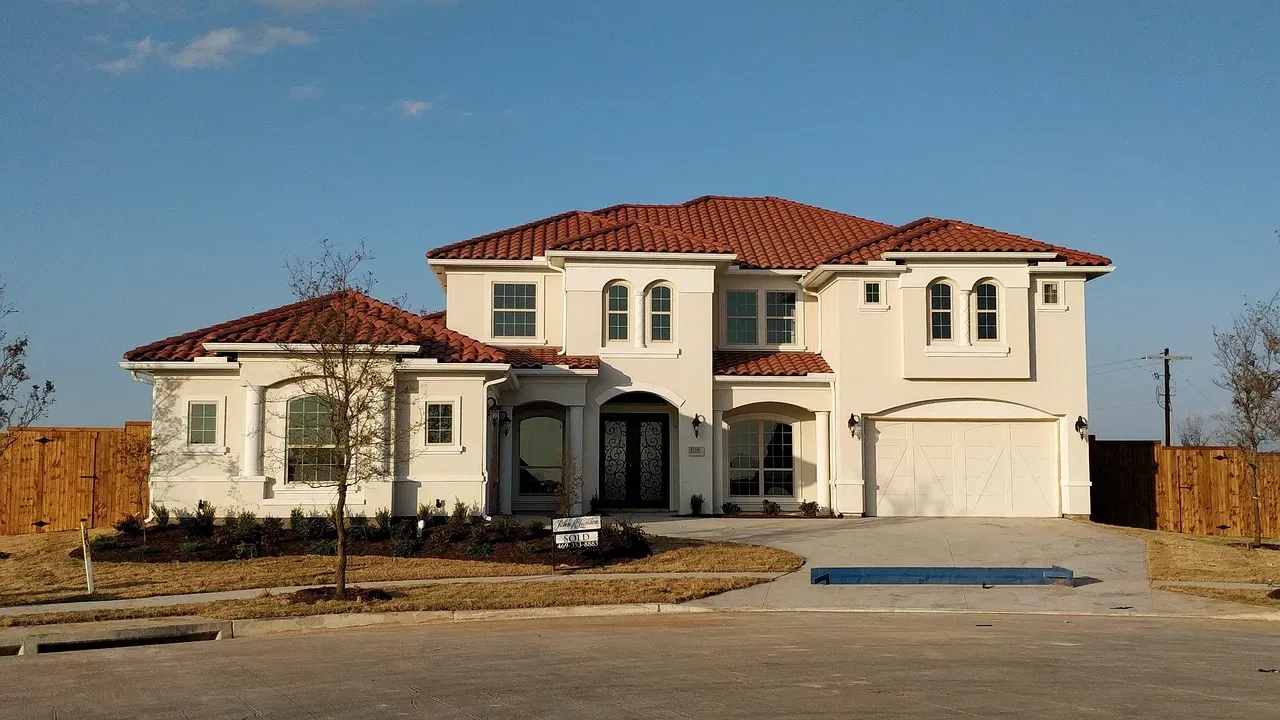
Here’s a less talked-about dynamic that directly affects resale values in master-planned communities across the Valley: competition from new construction within the same development. Analysts covering the broader Mesa market have noted that increasing inventory and homes taking longer to sell makes a strong price surge unlikely in the near term. That’s the macro backdrop that master-planned resale sellers are fighting against.
In communities still actively under development – like Eastmark – a resale seller is essentially competing with brand-new homes from builders offering incentives, rate buydowns, and customization options. Sellers may need to be strategic with pricing and presentation to counteract extended days on market, as one market analysis noted. It’s a bit like trying to sell a slightly used car in a lot full of shiny new ones – the math rarely works in your favor.
The broader Phoenix market underscores all of this. After mortgage rates remained elevated for much of 2024 and into 2025, they began easing in the fall of 2025, with the average 30-year fixed rate falling to around 6.17% in late October. That may offer some relief going forward. Still, buyers who purchased at peak pricing in master-planned communities – lured by glossy amenity packages and neighborhood hype – are learning that prestige and resale performance don’t always move together.
The takeaway here is simple, even if it stings a little for current homeowners in these communities: a great lifestyle and a great investment are not the same thing. The Valley’s most celebrated master-planned communities offer real quality of life. Whether they deliver on resale value is a different conversation entirely – and one that the data increasingly demands we have. What would you have expected from the most award-winning addresses in Arizona?


