There’s something almost primal about the urge to hit pause. A film is moving forward at 24 frames per second, the story is pulling you along, and then something flickers across the screen that your brain simply refuses to let go. You reach for the remote before you’ve even consciously decided to.
When you watch a movie in the cinema you take the entire thing in, often missing details in the rush of the moment. That’s precisely why people enjoy watching films at home on streaming services or disc, where they can pause at a moment’s notice. This ability has allowed fans to pick up on so many things initially missed during the big-screen experience, whether hidden messages, cameo appearances, or outright mistakes. A handful of scenes, though, have been paused so frequently and so obsessively that they’ve become part of cinematic legend.
Basic Instinct (1992): The Interrogation Scene That Froze the World

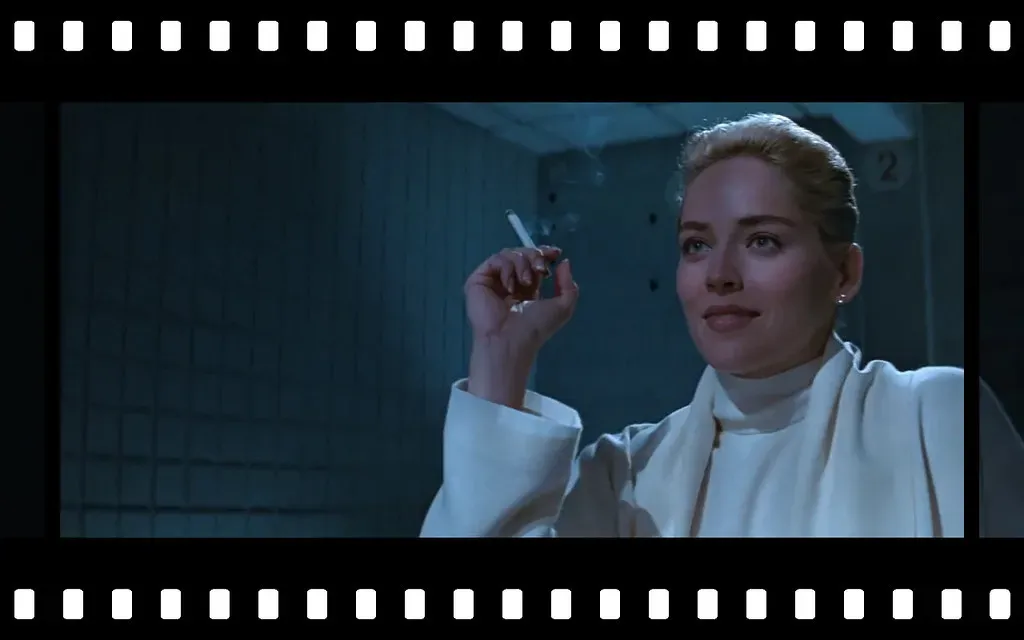
It’s considered one of the most paused moments in movie history: the scene in Basic Instinct where Sharon Stone, as Catherine Tramell, uncrosses her legs during a police interrogation, revealing she has nothing on underneath. It made Sharon Stone and pushed the boundaries of what could be shown in mainstream cinema. This caused quite a stir in 1992, with audiences amazed that director Paul Verhoeven could get away with something so brazen in a commercial release.
The controversial scene shattered numerous taboos but was over in less than a second and relatively simple to shoot. The men’s reactions were filmed separately, with Verhoeven then clearing the room to capture Tramell’s legs uncrossing. Only the director, the cinematographer, and a couple of other crew members were present. Stone has been adamant that she didn’t consent to such a graphic scene and was led to believe any nudity would be strictly implied. The outrage she felt upon realizing what had happened even had her consulting a lawyer. The controversy around the making of the scene has, in many ways, only amplified how much people felt compelled to look closely at it.
Fight Club (1999): Tyler Durden’s Subliminal Cameos

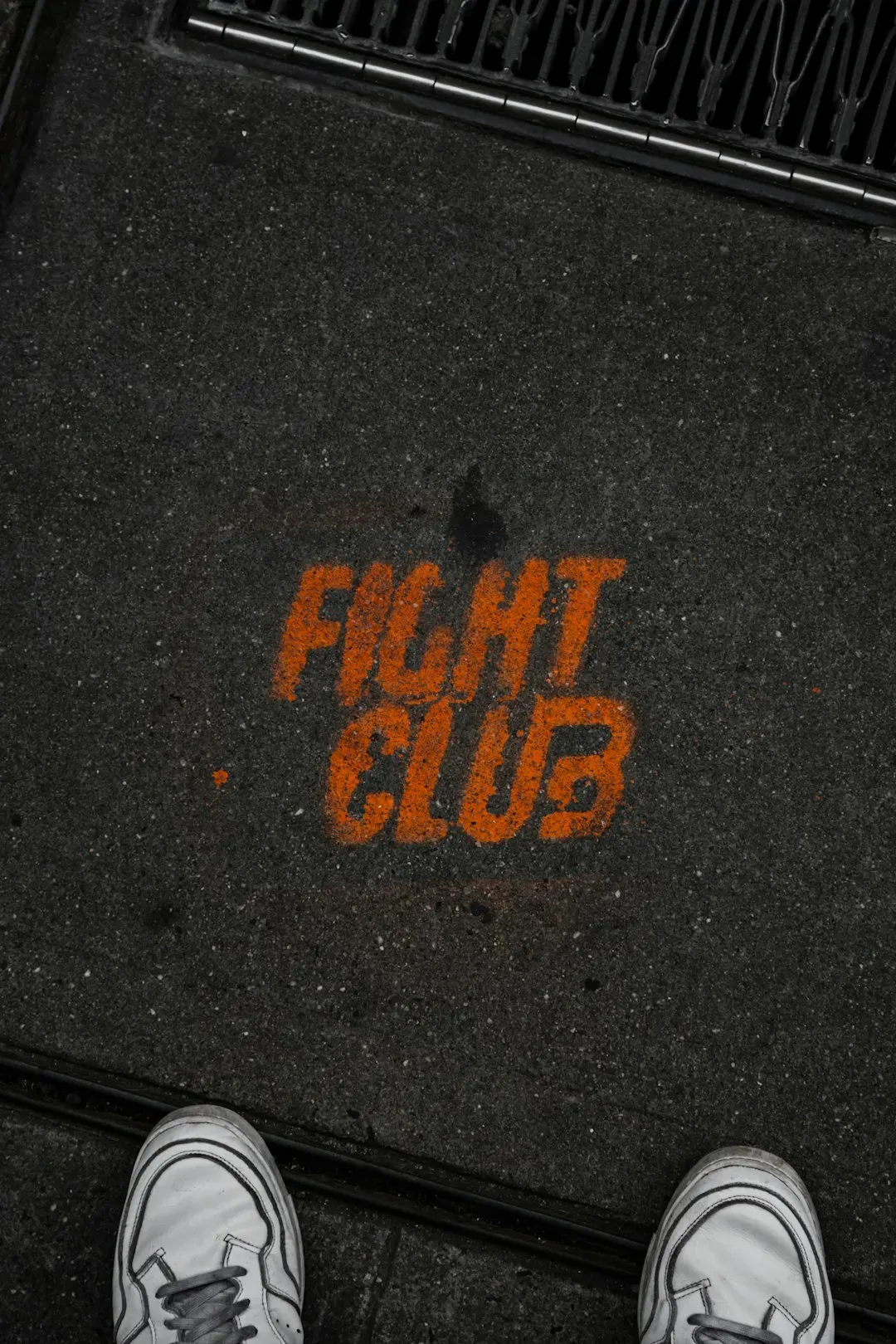
The paused moments in Fight Club are not one scene but several quick flashes throughout the movie that give away the central twist: Brad Pitt’s Tyler Durden is actually the same person as Edward Norton’s character, the Narrator. Director David Fincher went one step further by inserting Pitt into several scenes that flash by so quickly they’re nearly impossible to catch in real time. Another moment worth mentioning is the fleeting appearance of Marla Singer in an early scene, hinting at her eventual significance. Fincher’s use of rapid, subliminal imagery had fans pausing frame by frame to uncover these hidden details, adding further layers to an already complex narrative.
In the jaw-dropping moment where the revelation of Tyler Durden’s true nature stuns viewers into silence, the unexpected twist prompts them to pause, allowing time to process the mind-bending narrative and encouraging a reexamination of the film for subtle hints that may have been overlooked. The genius of Fincher’s approach is that he essentially designed his movie to reward the pause button. Every subliminal flash was placed with purpose, daring audiences to find them.
Partner offer

Inception (2010): Does the Top Ever Fall?

Thirteen years after its release, Christopher Nolan was still being hounded with questions about the ending of Inception. The ending is notorious. Leonardo DiCaprio’s Cobb has completed his task and returns home to his children, but the film lingers on his spinning totem top as it begins to wobble. Then cut to black. If the top spins indefinitely, Cobb is still dreaming. If it falls, Cobb is awake in the real world.
The intentional ambiguity of this ending launched countless think pieces and to this day incites argument among film critics, cinephiles, and casual viewers alike. There are those who insist he’s awake, others who say he’s asleep, and some who suspect he and Mal never even awoke from limbo all those years ago. For Nolan, whether the top keeps spinning or falls has no effect on the emotional conclusion, which is where the heart of the story lies. Cobb has made it home to his kids. The character’s emotional journey is complete, thus he doesn’t even care to check. Audiences, however, very much care, and they’ve been hitting pause ever since 2010 trying to settle it.
The Cabin in the Woods (2012): The Monster Whiteboard

Few horror films have flipped the genre on its head quite like Drew Goddard’s 2012 movie. The film follows a group of stereotypical horror characters who are stalked by various evil beings actually being manipulated by a group of technicians in an underground bunker. The film subverts the usual horror tropes in a wonderfully funny yet horrific way. The scene that stands out as one of the most paused involves a whiteboard listing all the monsters available to the technicians to hunt and kill the teens. Some of the creatures listed include a Werewolf, a Snowman, an Angry Molesting Tree, a Unicorn, and a mysterious entry simply listed as “Kevin.”
The board is incredibly detailed, and it certainly makes sense that fans would want to stop on this scene to read everything listed. The sheer density of the content packed into a single shot makes it genuinely rewarding to pause. Unlike most paused scenes driven by shock or controversy, this one was paused purely out of delight. Horror fans treat that whiteboard like a menu they need to read thoroughly before ordering. Every rewatch reveals something new.
Star Wars: A New Hope (1977): The Stormtrooper Who Hit His Head

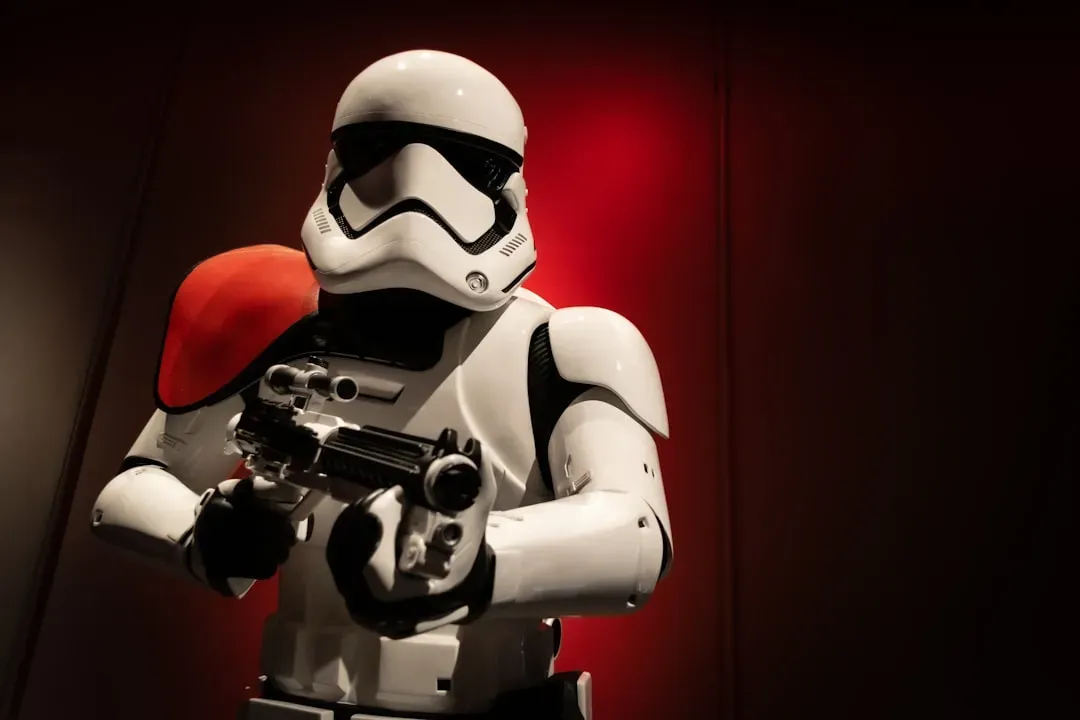
In the first installment of the Star Wars franchise, eagle-eyed fans spotted a rather funny blooper that made it into the final film. A Stormtrooper can be seen hitting his head on the doorframe while walking into the control room, which seemingly goes unnoticed by the other characters. Director George Lucas acknowledged the mistake after the film’s release, and in 2002 the scene was even re-edited with an added sound effect to draw attention to the humorous gaffe.
The identity of the Stormtrooper remains unidentified, with two different actors recalling hitting their heads while wearing the iconic costume. Keep in mind that in 1977, the Stormtroopers hadn’t yet earned their reputation as bumbling villains. As the supposedly fearsome soldiers enter the shot, one bangs his head on the low archway. Lucky for fans, George Lucas never removed this funny gaffe in the Special Edition. There’s something genuinely endearing about an error this human surviving in one of the biggest films ever made, and audiences have never stopped hunting for it.
Partner offer
Planning a trip to Vegas?
Compare hotel rates and show tickets on VEGAS.com.