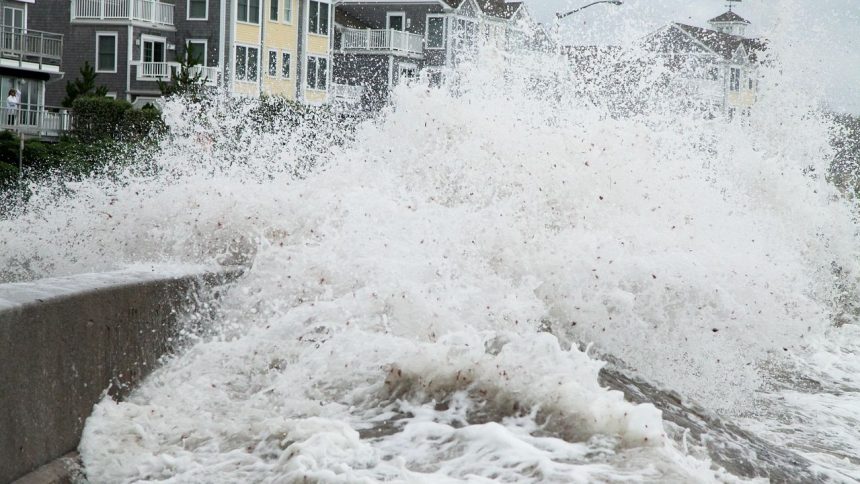
There is a term that gets thrown around in hydrology circles that most people never hear until it is too late: the “50-year flood.” It sounds almost reassuring, as if saying something only happens once every half century gives you plenty of time to prepare. The reality is far more unsettling. Climate scientists, civil engineers, and coastal planners are raising urgent alarms in 2026, and what they are saying about this storm season should make anyone living near a coastline stop and pay attention.
The numbers behind their concern are staggering, and the infrastructure standing between millions of Americans and disaster is older and weaker than most people realize. Let’s dive in.
What Exactly Is a 50-Year Flood, and Why Does the Name Mislead Us?
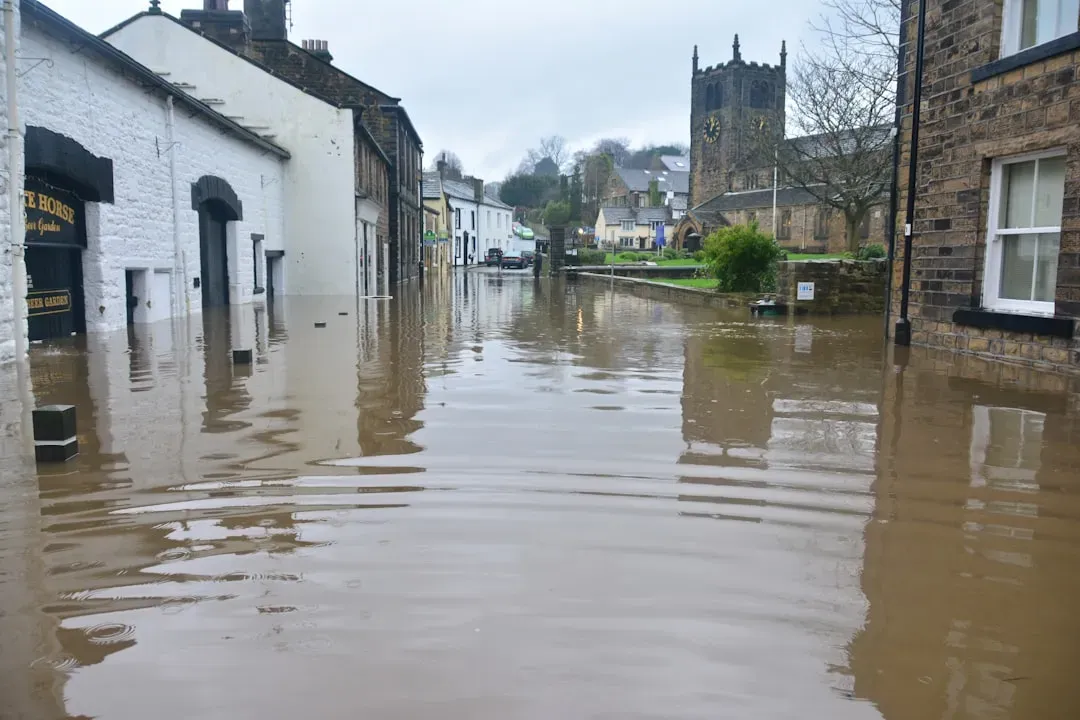
Here’s the thing about the phrase “50-year flood” – it is almost designed to confuse people. According to hydrology standards used by agencies such as the U.S. Geological Survey (USGS) and flood-risk planners, a 50-year flood is simply one with a 2% probability of occurring in any given year. That does not mean it happens once every fifty years and then gives you a break. It means that every single year, there is a real, measurable chance of it arriving on your doorstep.
Think of it like rolling a loaded die. The odds do not reset after a big roll. A 50-year flood can, in theory, strike three years in a row. This misunderstanding is one of the most dangerous gaps in public knowledge about flood risk, and engineers have been frustrated by it for decades.
Storm Surge: The Deadliest Part of a Hurricane That Nobody Talks About Enough
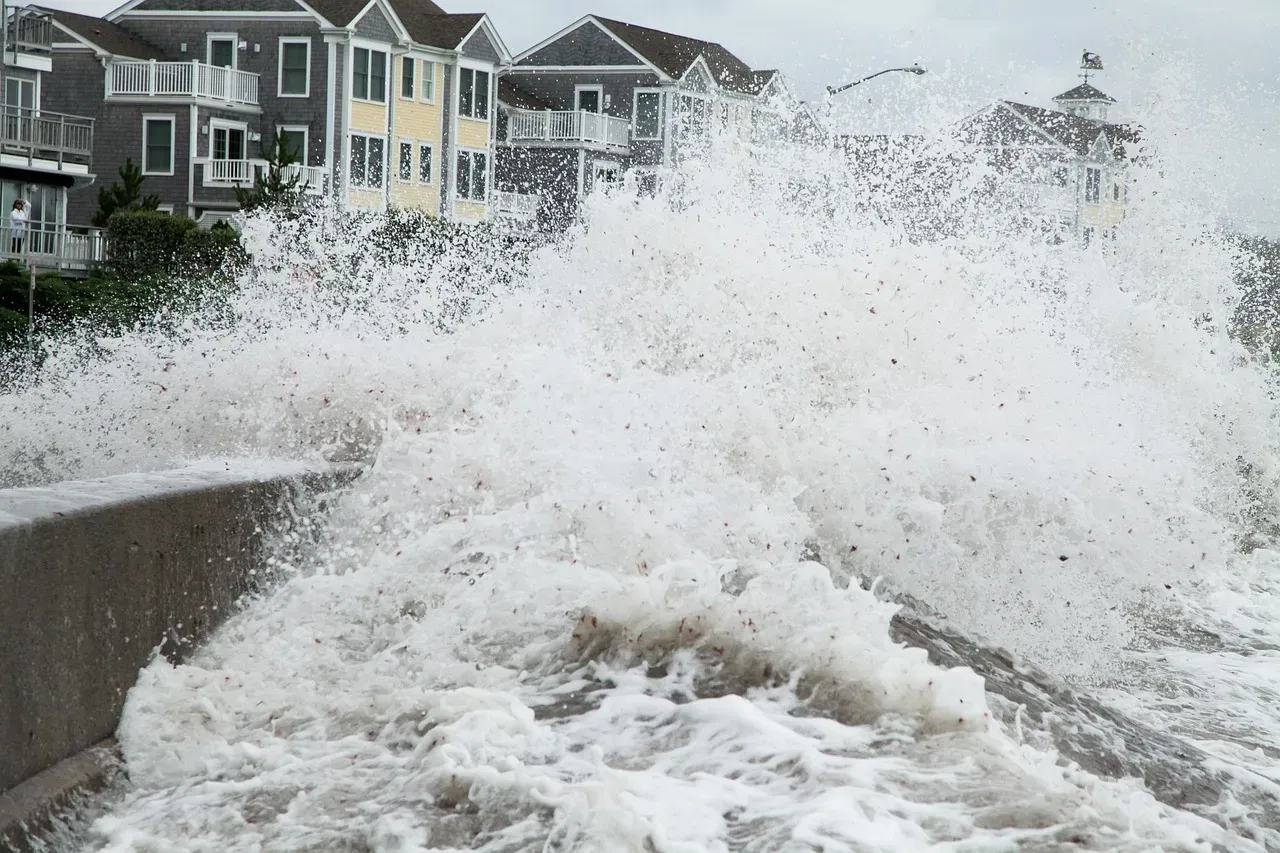
Coastal flooding can result from a variety of causes, including storm surges created by storms like hurricanes and tropical cyclones. Storms can cause flooding through storm surges, which are waves significantly larger than normal. If a storm event coincides with the high astronomical tide, extensive flooding can occur. Honestly, most people imagine hurricane damage as howling winds tearing off roofs. The water is what kills.
Storm surges involve three processes: wind blowing onshore can cause water to “pile up” against the coast; low atmospheric pressure associated with storm systems increases surface sea level through barometric setup; and increased wave breaking results in a higher water level in the surf zone, known as wave setup. When all three align during a major storm, the results are catastrophic and almost impossible to outrun.
Rising Seas Are Already Raising the Starting Line
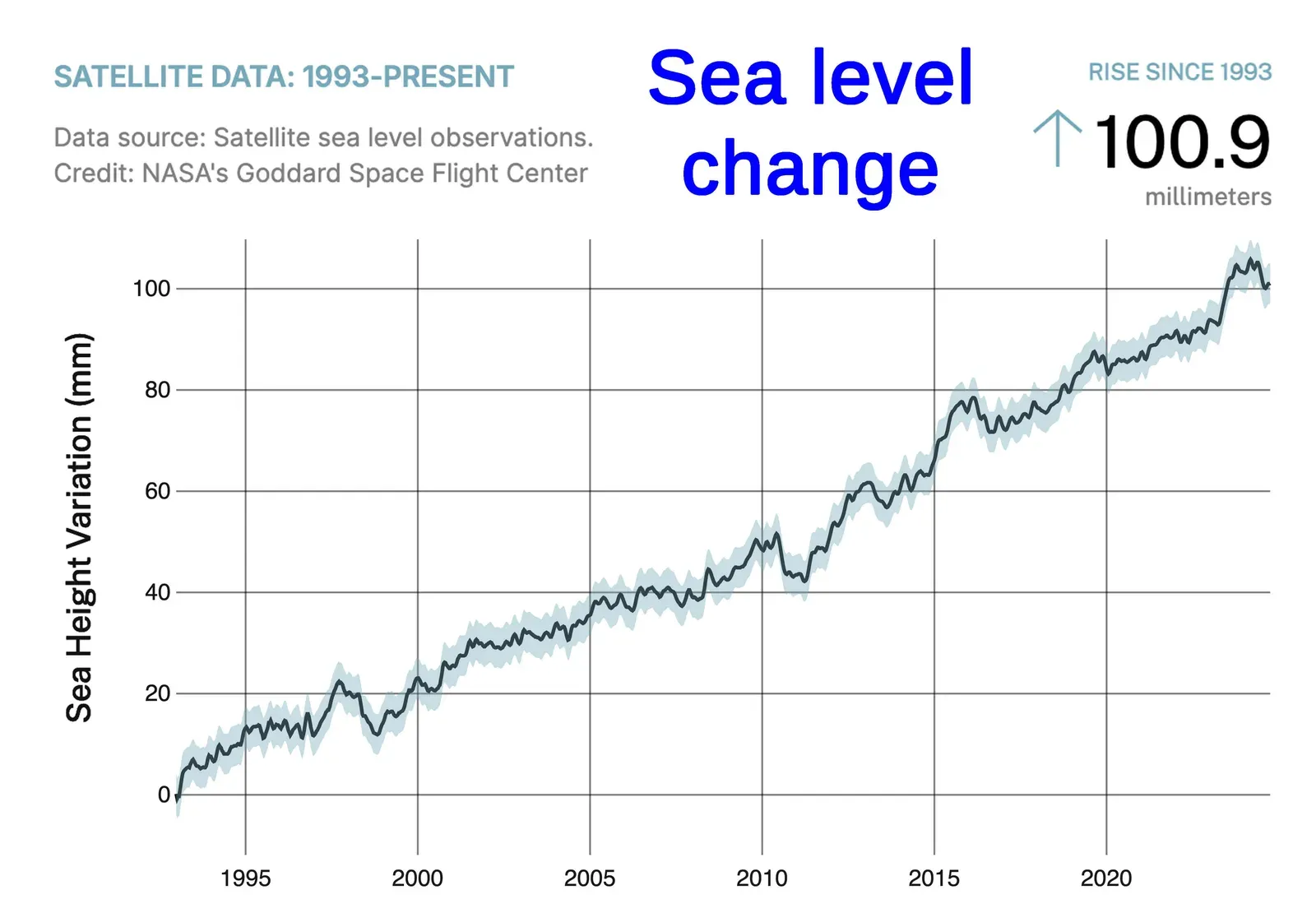
Global mean sea level has risen about 8 to 9 inches since 1880. That might not sound like much on paper. In practice, it is like raising the floor of a bathtub before the storm even begins. Higher background water levels mean that deadly and destructive storm surges push farther inland than they once did.
High-tide flooding is now roughly 300% to more than 900% more frequent than it was 50 years ago. That is not a typo. The baseline has shifted so dramatically that what used to be a once-a-decade nuisance is now showing up on doorsteps multiple times a year in some cities. As sea level rise continues, it no longer takes severe weather to cause flooding along the coast.
2050 Projections That Should Keep Everyone Awake at Night
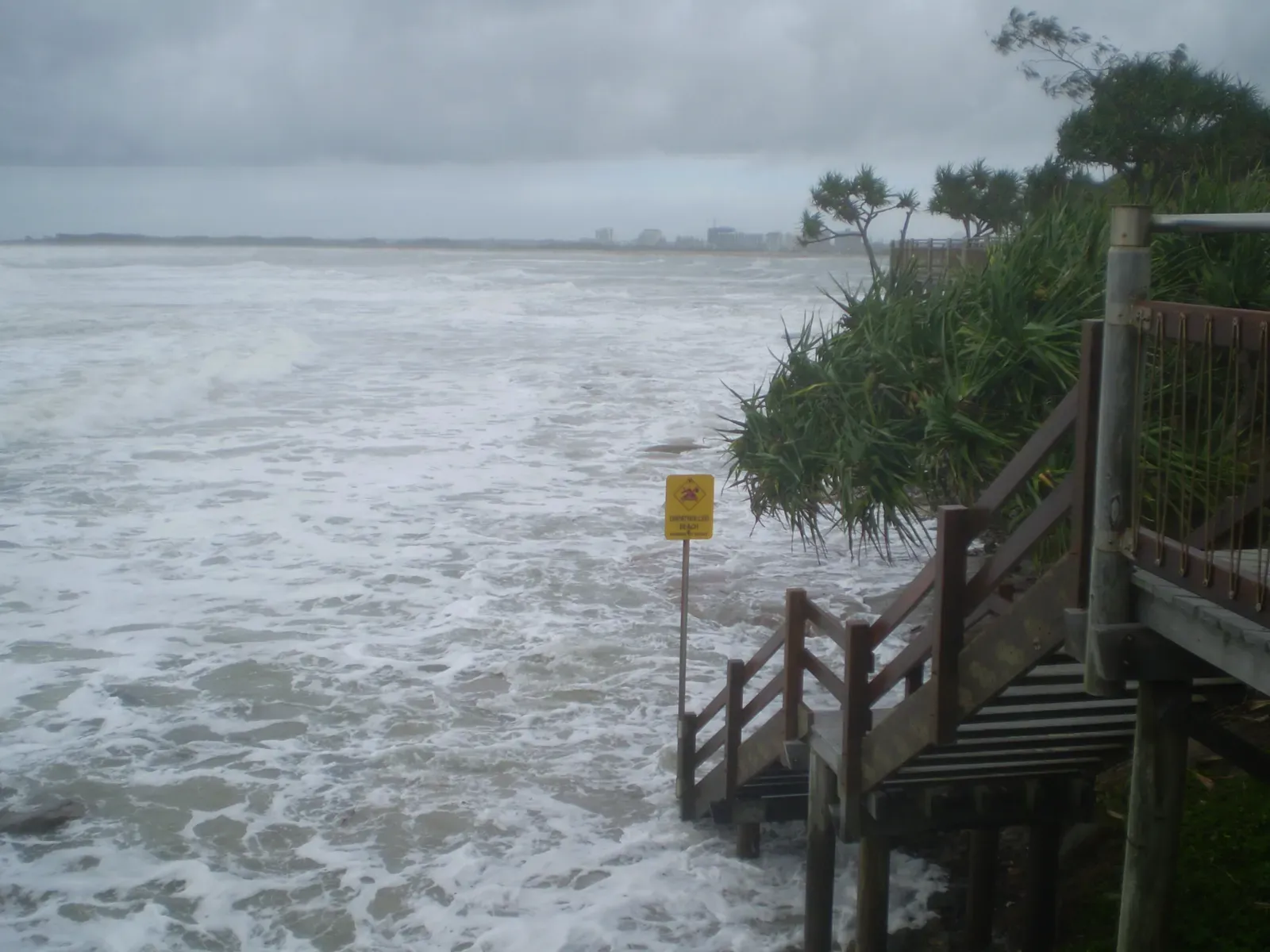
The NOAA 2024 Sea Level Rise Technical Report projects that average sea level along U.S. coastlines could rise 10 to 12 inches by 2050, which significantly increases the likelihood of coastal flooding during storms. That projection is not the far future. Children in elementary school today will be entering middle age when those conditions arrive.
According to NOAA-cited data, roughly a third of 55 coastal sites in the U.S. will see what are currently considered 100-year storm surges become 10-year or more frequent events by 2050. Rare is becoming routine. As sea levels continue to change, coastal communities will experience more frequent high tide flooding, reaching a national average of 55 to 85 days per year by 2050. That is not a season of flooding. That is nearly three months out of every single year.
2023’s Billion-Dollar Disaster Year Was Not a Fluke
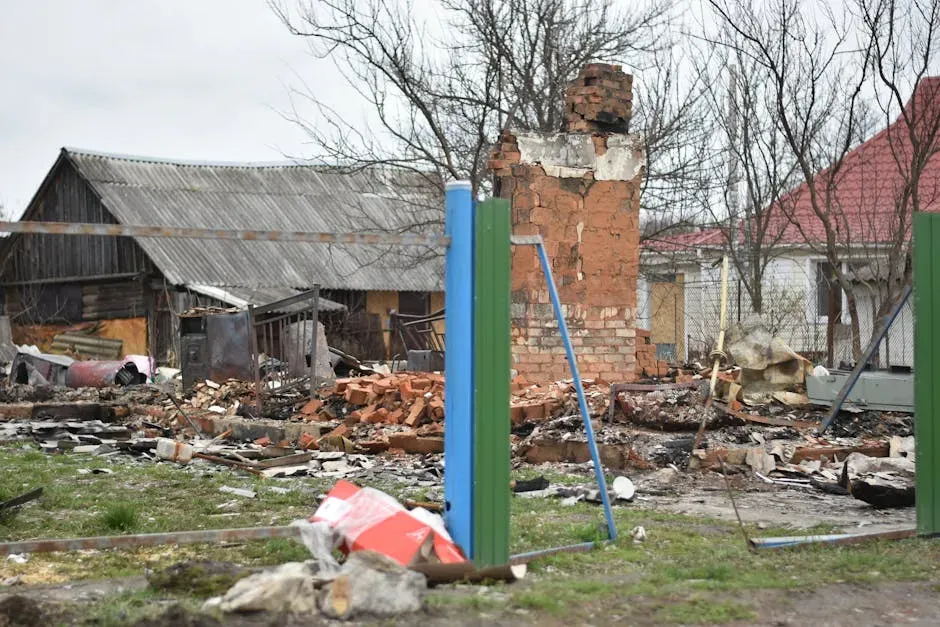
The U.S. National Oceanic and Atmospheric Administration (NOAA) reports that the United States experienced 28 separate weather and climate disasters in 2023 that each caused more than $1 billion in damage, one of the highest totals ever recorded. Let that number sink in. Twenty-eight separate disasters. In a single year.
Currently, annual average losses associated with flooding total roughly $388 billion globally. This is projected to rise considerably as a result of climate change. By 2050, models suggest that the average annual losses to infrastructure from riverine flooding alone could reach between $407 and $439 billion annually. The economic argument for preparation writes itself, yet action remains frustratingly slow.
The Nation’s Flood Defenses Got a Near-Failing Grade
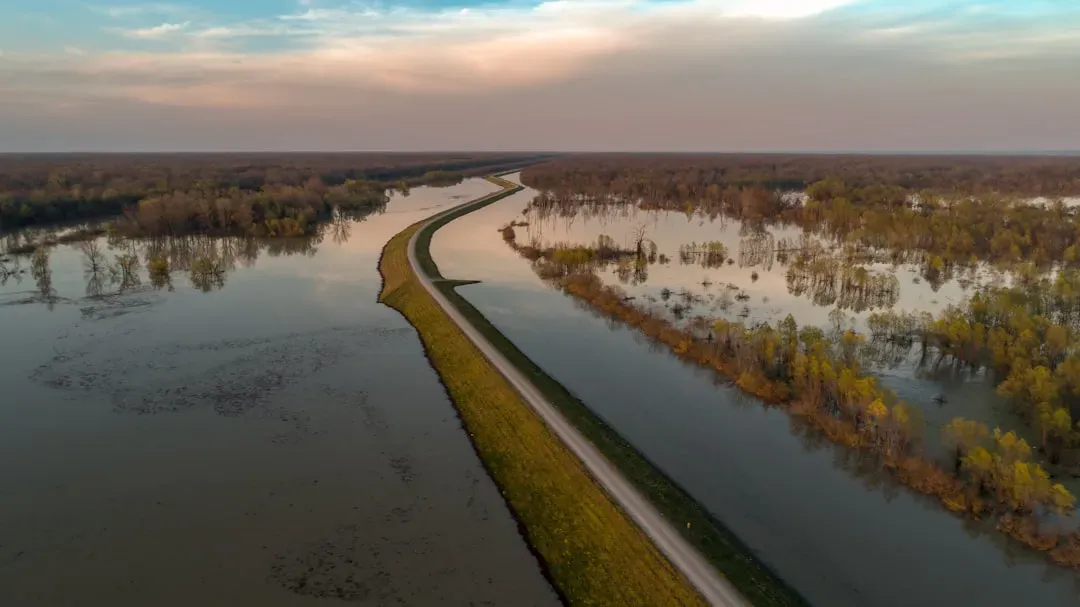
The American Society of Civil Engineers’ 2025 Report Card for American Infrastructure assigned the nation’s levees a D-plus grade, citing aging infrastructure, inconsistent monitoring, and long-term underinvestment. A D-plus. That is barely passing for a first-year student, let alone for the infrastructure standing between millions of homes and floodwaters.
A new dataset of levee damage includes 487 cases where rivers poured over levees in the past 15 years. That does not mean levees are failing everywhere – it means that many are operating with little margin for error. Traditional structural defenses such as levees, dams, floodwalls, and stormwater drainage systems remain critical components of many flood management plans. However, these systems face growing pressure from climatic stressors, such as sea level rise, extreme rainfall, drought, and inadequate maintenance.
Compound Flooding: When Storm Surge and Rainfall Hit at Once
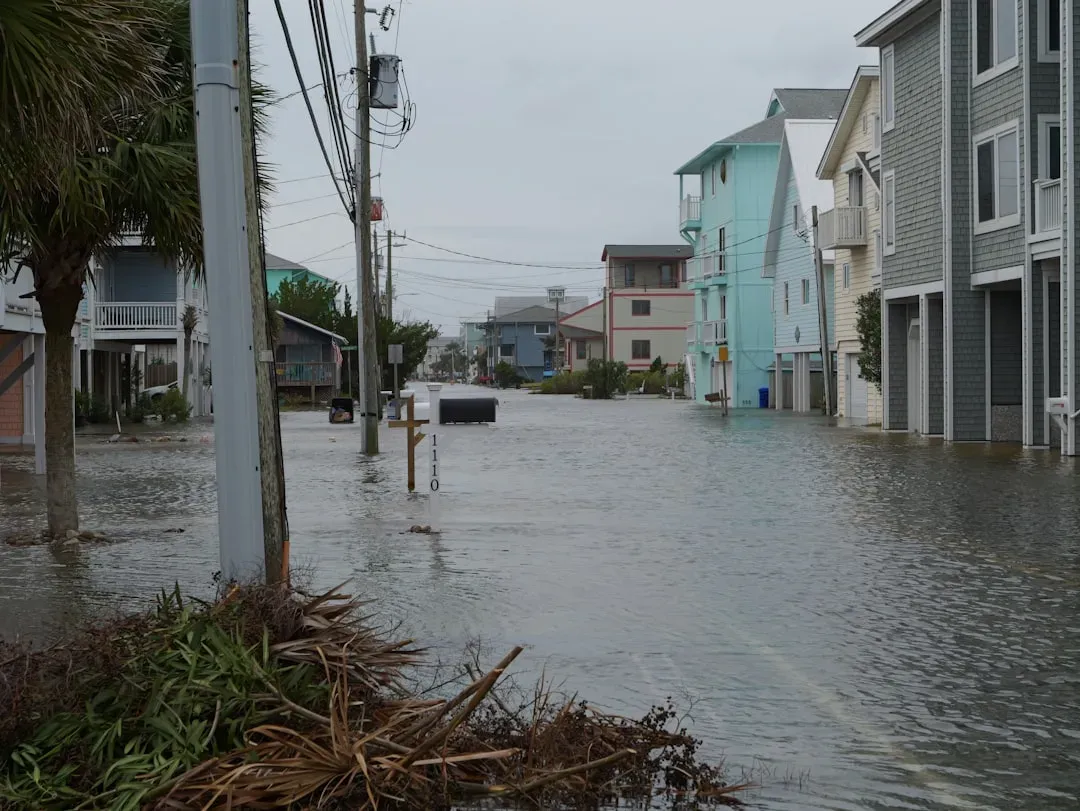
Research highlights how tropical cyclones often trigger compound flooding events, where storm surge and heavy precipitation coincide, amplifying damage. These joint events are projected to become significantly more frequent because of climate change. Despite growing awareness, developing actionable design data remains challenging owing to limited historical records and the variability in how rainfall and surge interact across different storm types and regions.
Imagine trying to bail out a boat while someone is also filling it with a hose. That is essentially what compound flooding does to coastal communities. A warmer atmosphere holds about 9% more moisture per 1.3 degrees of warming, as predicted by the Clausius-Clapeyron relation. This increased moisture, combined with warmer oceans and higher evaporation rates, has led to more frequent and intense rainfall events. The physics are relentless, and they do not negotiate.
The Real-Life Consequences: December 2025’s Levee Failures
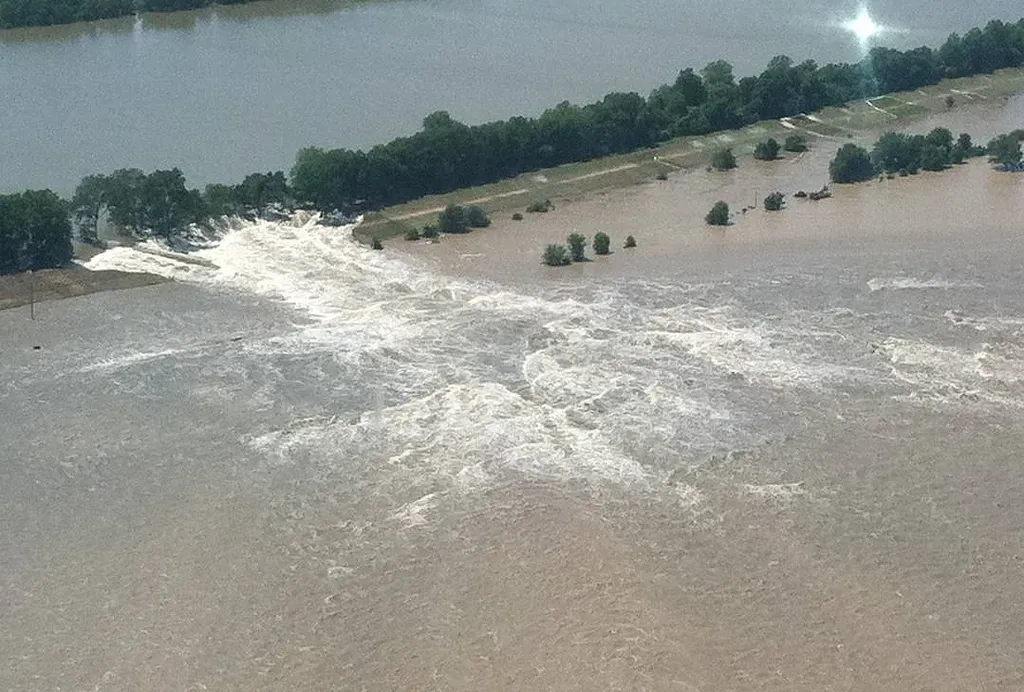
Powerful atmospheric river storms swept across Washington, Oregon, and California in late December 2025, unloading enormous amounts of rain. As rivers surged, they overtopped or breached multiple levees. These were not abstract warnings in a government report. People were forced out of their homes in the middle of winter.
During storms in mid-December 2025, a levee along Washington state’s Green River breached after years of delayed repairs. Disagreements among government agencies had postponed the work, and the breach ultimately forced thousands of residents to evacuate. Incidents like this underscore how governance and funding challenges can affect levee performance. In other words, the failure was not purely a natural disaster. It was a failure of priorities.
Who Bears the Heaviest Burden When the Water Rises?
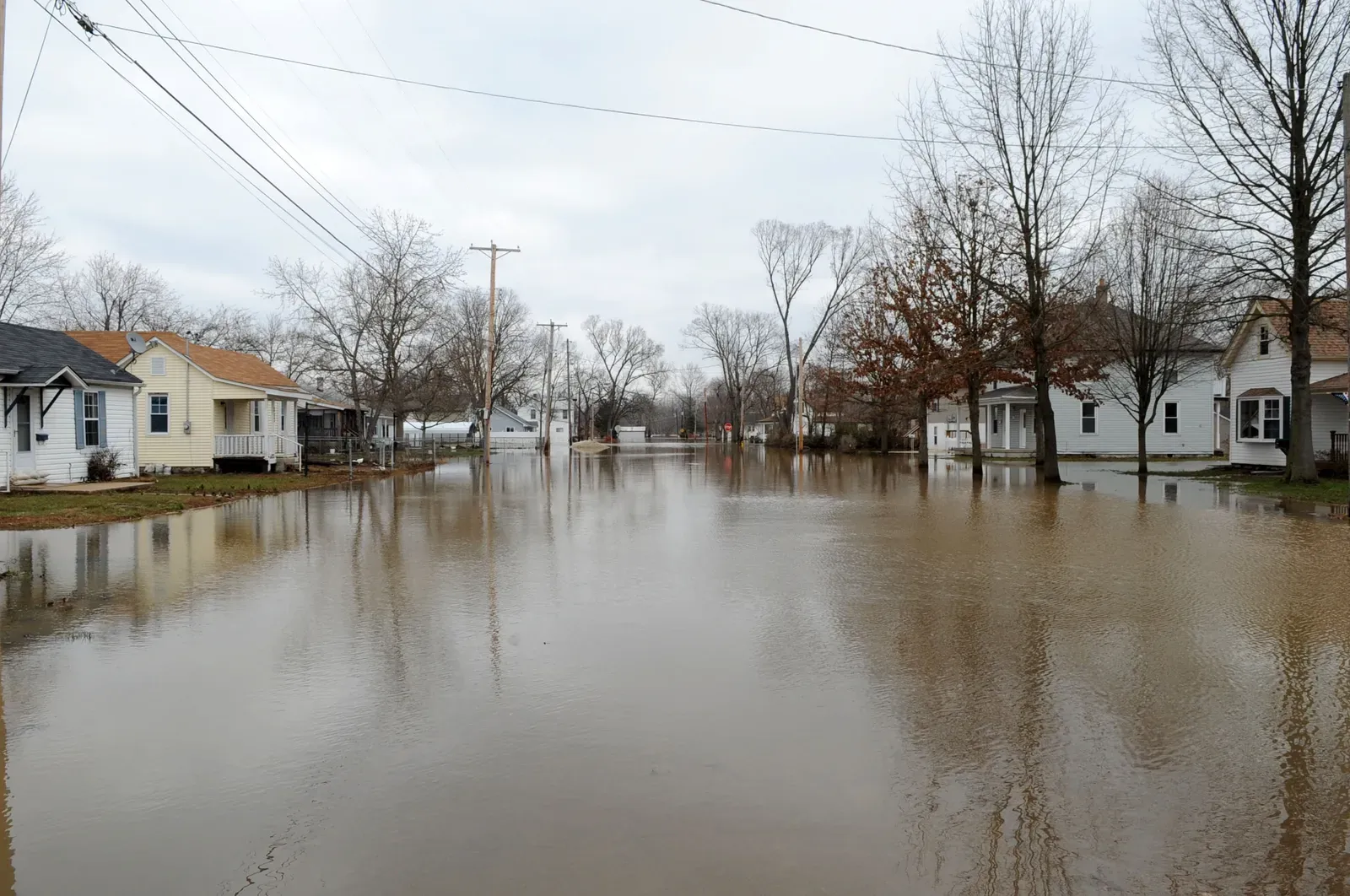
A United Nations University assessment warns that ethnic minorities and poor communities in the U.S. are unequally exposed to risks of levee failure under climate change. This is a pattern that keeps repeating itself across every major flood disaster in American history. The water does not discriminate, but the systems built to hold it back often do.
Comparing the social, economic, and demographic characteristics of the people living behind levees with those who do not, researchers made a worrying observation: historically underserved and socially vulnerable communities have high population concentrations behind levees. Racial and ethnic minority groups, poor households, disabled persons, and people without high school diplomas are overrepresented in levee-protected communities. When those levees fail, the consequences fall hardest on the people with the fewest resources to recover.
What Engineers Are Calling For, and What Still Needs to Happen
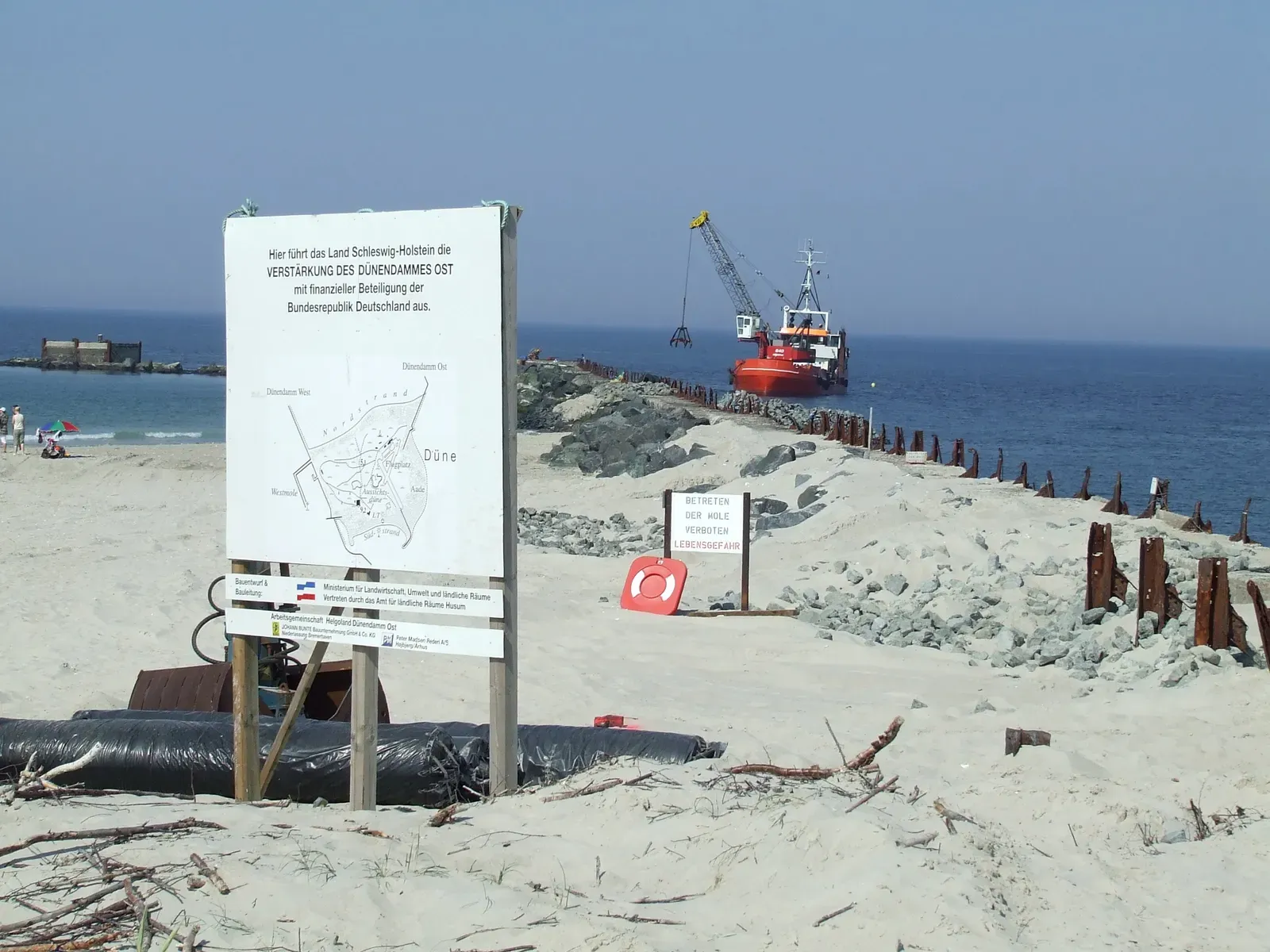
Massachusetts, for instance, has built on 2023 climate adaptation plans, which identified coastal adaptation as a top priority, launching a new initiative that lays out how the state aims to safeguard vulnerable shorelines, infrastructure, and communities. It is encouraging. Still, one state’s plan is not a national solution. A U.S. Chamber of Commerce report in 2024 found that each dollar spent on climate resilience saves communities about $13 in damages, cleanup costs, and economic impact.
While early flood adaptation efforts primarily focused on structural modifications, more recent projects have shifted toward soft adaptation measures, with a growing interest in community-centered and nature-based solutions. Salt marshes, restored dunes, and vegetated berms are not just environmental luxuries. They are buffer zones that can mean the difference between a manageable flood and a catastrophic one. Heavier rainfall, rapid snowmelt, and rising sea levels are pushing water control systems beyond original design assumptions. Events once considered rare are occurring more frequently.
Conclusion: The Clock Has Already Started
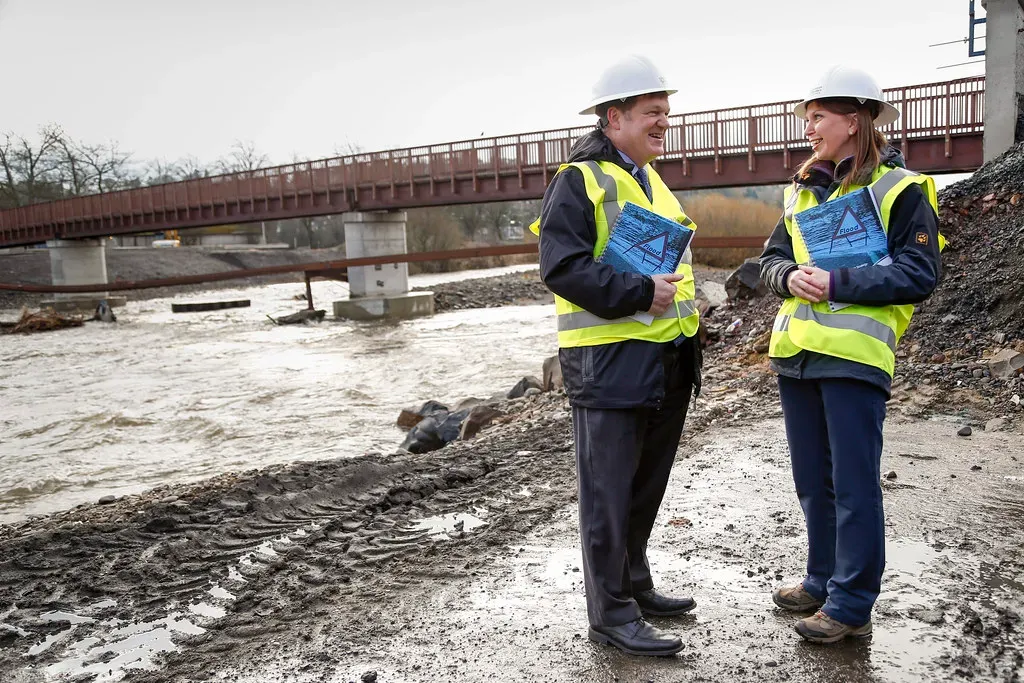
The 50-year flood is no longer a distant statistical concept tucked into a hydrology textbook. It is a real and present danger being amplified by rising seas, aging infrastructure, and more intense storms arriving with less warning than ever before. The science is not in dispute. The economics are crystal clear. What remains uncertain is whether communities, governments, and engineers will act at the pace this crisis demands.
The most troubling part, honestly, is not the storms themselves. It is the gap between what we know and what we are doing. We have the data, the models, and the engineering knowledge to build more resilient coastlines. What we too often lack is the political will and the funding to match the scale of the threat. The challenge is no longer just technical. It is about how society values protection, communicates risk, and decides whose safety is prioritized.
When the next 50-year flood arrives and the odds say it will, will the levee hold? What do you think needs to happen first? Tell us in the comments.