We live in strange times. Reality has become so bizarre that sometimes fiction feels tame by comparison. That’s probably why documentaries have exploded in popularity recently. People crave truth, even when it’s uncomfortable or shocking. There’s something magnetic about watching real events unfold, seeing actual people navigate impossible situations, and realizing that truth really can be stranger than fiction.
This year has delivered some absolutely gripping documentaries that will leave you speechless. From jaw-dropping conspiracies to heartbreaking human stories, these films prove that reality needs no embellishment. They’re the kind of watches that stick with you long after the credits roll, the ones you’ll find yourself bringing up in conversations weeks later. So grab your popcorn and prepare to have your perspective shifted.
The Vegas Underground: Tunnels of Forgotten America

Beneath the glittering casinos and neon lights of Las Vegas exists an entire hidden city. Thousands of people live in the flood tunnels underneath the Strip, creating makeshift homes in one of the wealthiest tourist destinations on Earth. This documentary takes you into that darkness, literally and figuratively.
What makes this film so powerful is how it humanizes people most of us walk past without seeing. You meet former teachers, veterans, and people who once had normal lives before tragedy struck. The contrast between the luxury above ground and the desperation below creates a visual metaphor that’s almost too perfect. One resident describes hearing the slot machines ringing through the concrete ceiling while he tries to sleep on a cardboard mat.
The filmmakers spent over two years gaining trust within this community. That patience shows in every frame. These aren’t exploitation shots meant to shock you. They’re intimate portraits of resilience in the face of societal abandonment. The documentary raises uncomfortable questions about wealth inequality that Las Vegas, perhaps more than any other American city, embodies in its most extreme form.
It’s hard to look at the Vegas skyline the same way after watching this. The film doesn’t offer easy solutions or happy endings. It simply asks you to acknowledge a reality that exists whether we choose to see it or not.
The Crypto Collapse: When Digital Dreams Became Nightmares

Remember when everyone and their cousin was talking about cryptocurrency? When people were mortgaging their homes to buy digital coins? This documentary chronicles the spectacular implosion of several major crypto exchanges and the billions of dollars that vanished overnight.
The filmmakers interview investors who lost their life savings, tech bros who promoted schemes they barely understood, and the few whistleblowers who tried to sound the alarm before it all came crashing down. One particularly haunting segment follows a couple who invested their daughter’s college fund based on promises from social media influencers. Watching their faces as they recount losing everything feels like witnessing a car crash in slow motion.
What’s fascinating is how the documentary avoids painting anyone as purely villainous or purely victimized. It shows how greed, fear of missing out, and technological illiteracy combined into a perfect storm. The editing is sharp, using actual promotional videos and social media posts to show just how absurd the promises became. People were genuinely claiming they’d be millionaires within months.
The film also dives into the regulatory failures that allowed this to happen. Government officials admit on camera that they simply didn’t understand the technology well enough to regulate it properly. By the time they caught up, the damage was done. It’s a cautionary tale about what happens when innovation moves faster than oversight.
The Last Orchestra: Saving Classical Music in America


Classical music is dying in America, or so everyone keeps saying. This documentary follows four different orchestras across the country as they fight for survival in an age of streaming services and shrinking audiences. It sounds like it might be dry, but trust me, it’s anything but boring.
The film opens with a shocking statistic. Roughly about one third of professional orchestras in America have dissolved in the past decade. Young people aren’t buying season tickets, donors are aging out, and streaming royalties don’t come close to covering operational costs. One orchestra director breaks down in tears explaining that they might have to close after eighty years of operation.
But this isn’t just a funeral dirge for a dying art form. The documentary also profiles innovative orchestras finding creative ways to stay relevant. One group performs pop music arrangements in bars and breweries. Another collaborates with hip-hop artists, creating fusion pieces that attract entirely new audiences. There’s genuine tension about whether these adaptations preserve the art form or dilute it beyond recognition.
The cinematography deserves special mention. Close-up shots of musicians’ faces during performances reveal the raw emotion and physical intensity required to play at that level. You see the sweat, the concentration, the almost spiritual connection between performer and instrument. It makes you realize what we’d lose if these institutions disappeared.
Deepfake Democracy: The War on Reality

This one will genuinely disturb you. The documentary explores how artificial intelligence and deepfake technology are being weaponized to manipulate elections, destroy reputations, and fundamentally undermine our ability to distinguish truth from fabrication.
The filmmakers commissioned their own deepfake videos to demonstrate just how convincing this technology has become. They create a fake video of a prominent politician saying outrageous things, then show it to focus groups. The vast majority believe it’s real. When told it’s fabricated, many refuse to accept that explanation, insisting the revelation itself must be the real lie. It’s terrifying.
The documentary travels to several countries where deepfakes have already influenced election outcomes. In one Southeast Asian nation, a fake sex tape destroyed a candidate’s campaign mere days before voting. By the time fact-checkers debunked it, the election was over. The losing candidate appears on camera, his life and career ruined by something that never happened.
Tech experts interviewed in the film admit they have no good solutions. Detection technology improves, but so does creation technology. It’s an arms race nobody can win. One researcher suggests we’re entering a post-truth era where video evidence becomes meaningless. Another argues that we’ll adapt, developing new ways to verify authenticity. Honestly, neither option feels reassuring.
The Memory Hackers: Inside Alzheimer’s Research


Alzheimer’s disease is approaching epidemic levels as the global population ages. This documentary follows researchers racing to understand and potentially cure this devastating condition. It’s deeply personal, as both directors have parents suffering from the disease.
The film alternates between cutting-edge laboratory research and intimate home videos of families coping with memory loss. Scientists explain their latest theories about protein buildups and neural connections using surprisingly accessible language. Then you watch someone forget their spouse’s name, and the abstract science becomes heartbreakingly concrete.
One experimental treatment shows promising results in early trials. Patients who could barely form sentences begin holding conversations again. The documentary follows several trial participants over eighteen months, capturing moments of hope and subsequent disappointment when improvements plateau or reverse. It’s emotionally exhausting to watch, but important.
The film also explores the massive financial barriers to treatment development. Pharmaceutical companies have largely abandoned Alzheimer’s research because the failure rate is so high. The few scientists still pursuing it often rely on crowdfunding and personal savings. One researcher mortgaged her house to continue her work. That level of dedication is simultaneously inspiring and infuriating given how many people desperately need solutions.
Wildfire: The New Normal

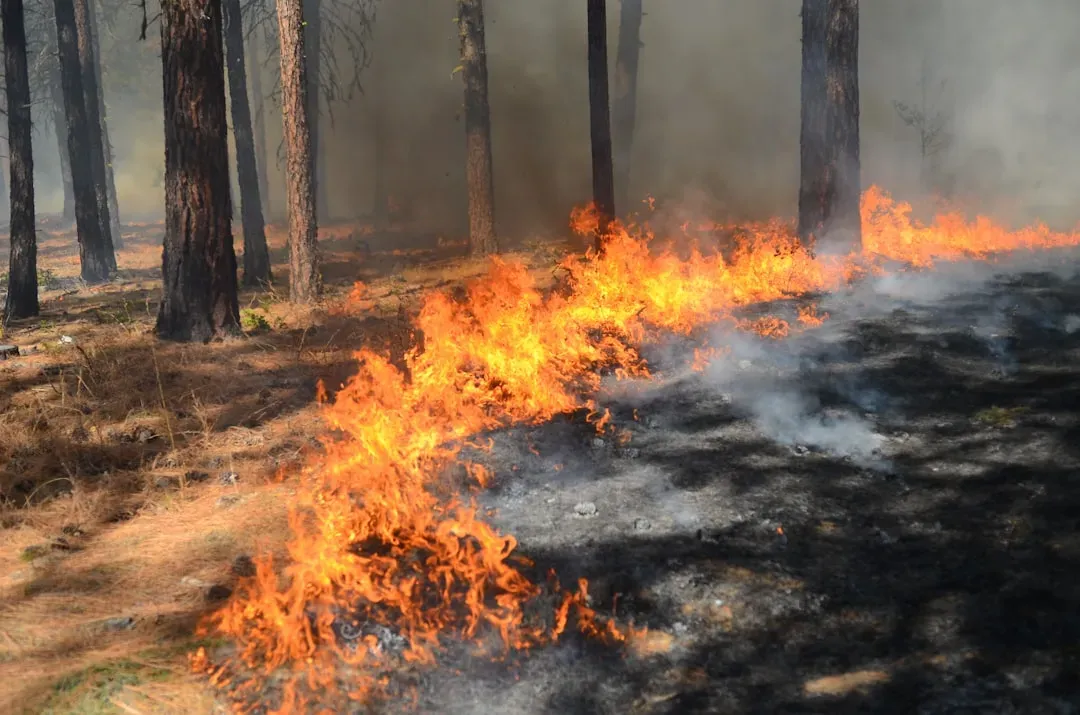
The western United States is burning. Not occasionally, but constantly, with fire seasons now lasting nearly year-round. This documentary embeds with firefighting crews during the catastrophic 2025 fire season, capturing footage that looks apocalyptic.
What distinguishes this from other climate documentaries is its focus on the human element rather than statistics. You follow individual firefighters, many barely out of their teens, as they work twenty-hour shifts battling infernos that move faster than they can run. The physical and psychological toll becomes evident. One crew member describes watching an entire neighborhood disappear in under fifteen minutes, families evacuating with only what they could grab in seconds.
The film doesn’t shy away from controversial aspects either. It examines how decades of fire suppression created tinderbox conditions, how urban sprawl pushes development into high-risk zones, and how climate change has fundamentally altered weather patterns. Scientists appear genuinely frustrated explaining concepts that should be obvious but remain politically contentious.
Perhaps most striking are the interviews with residents who’ve lost everything. Unlike disaster coverage on the news, this documentary revisits people months later, showing the long-term reality of rebuilding lives from ash. Many admit they’ll rebuild in the same location despite knowing another fire will likely come. It’s hard to say for sure, but watching this makes you question whether certain areas should remain inhabited at all.
Final Thoughts
These documentaries share a common thread beyond just being excellent filmmaking. They all force us to confront realities we’d prefer to ignore. Hidden communities beneath our feet, financial systems we don’t understand, art forms fading away, technology undermining truth itself, diseases stealing our identities, and a planet that’s literally on fire.
None of them offer neat conclusions or easy answers. Real life doesn’t work that way. Instead, they present complex situations with multiple perspectives, trusting viewers to sit with discomfort and draw their own conclusions. That’s what separates great documentaries from propaganda. They complicate rather than simplify, question rather than assert, and ultimately respect the intelligence of their audience.
Whether you’re in Las Vegas enjoying the spectacular entertainment options or anywhere else in the world, these films deserve your time. They’ll educate you, challenge you, and probably upset you. Which documentary sounds most intriguing to you? Let us know in the comments.