Big budgets and big hits don’t always go together. For every record label executive who greenlit millions of dollars for a four minute video and watched it pay off in album sales, there’s another who watched the same gamble land with a thud. Sometimes the song itself just didn’t connect. Sometimes the spending became the story instead of the music. Either way, the gap between what these videos cost and what they actually delivered tells you something about how unpredictable pop culture really is.
Britney Spears, “Do Somethin'” (2004)

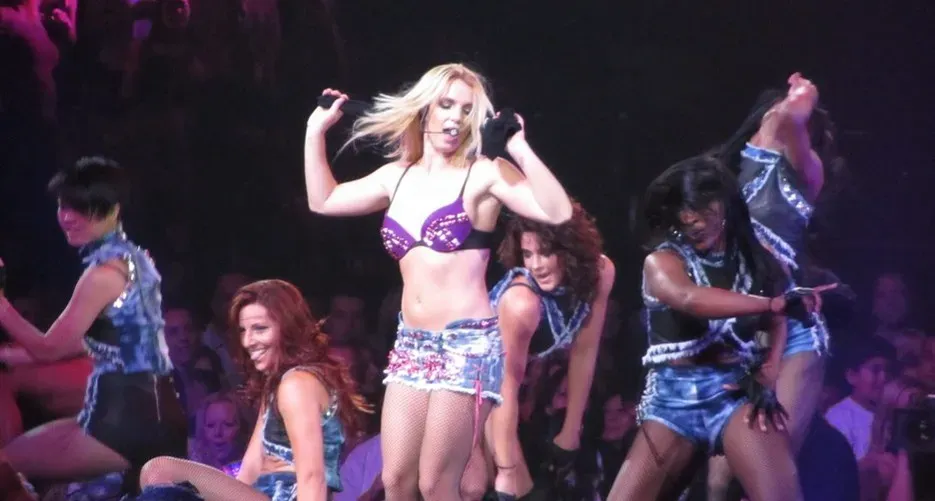
When Britney Spears released the lead single from her 2004 greatest hits collection, the accompanying video reportedly carried a price tag that put it in rarefied territory. Outlets like Business Insider and VH1 reported its budget at $6.5 million, making it the second most expensive music video of all time. That figure included some genuinely strange line items, since VH1 estimated expenses including $100,000 on wardrobe and more than $300,000 on hammerhead sharks and shark-related transportation.
The trouble is the single itself never justified the spending. The budget raised eyebrows across the industry considering the single had underperformed. The numbers were staggering for a video that ultimately failed to chart well. The video’s director later disputed the figure, but as one retrospective notes, the director emphatically denied that it cost so much, yet he never offered an alternative dollar amount, so without an official refutation, $6.5 million has stuck. Either way, it remains one of pop’s clearest cases of spending outpacing results.
Guns N’ Roses, “Estranged” (1993)

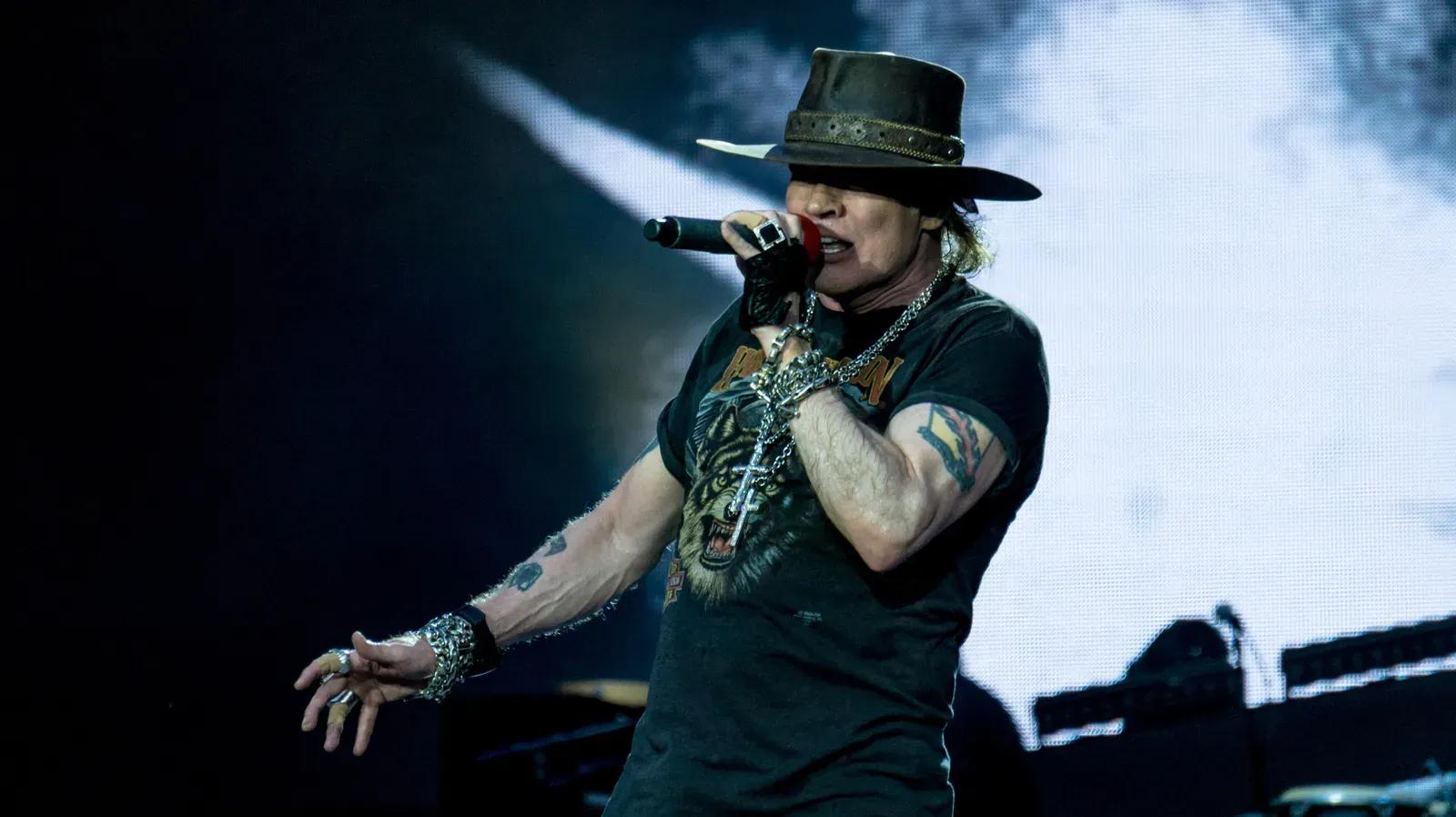
Guns N’ Roses closed out their unofficial video trilogy with “Estranged,” a nine minute epic involving oil tankers, dolphins, and Axl Rose swimming to emotional catharsis. The estimated cost was $5,000,000, in a sweeping epic that blurred the line between music video and rock opera. It was a staggering follow up to the already expensive “November Rain,” and by some director accounts the true cost ran even higher.
Despite all that spectacle, the song never came close to matching the commercial impact of its predecessors. Despite being a compelling ballad musically and lyrically, its journey on the charts was not as skyrocketing as one might expect for such an iconic band, and when it was released as a single in 1993 the musical scene had evolved, with tastes shifting dramatically toward grunge and alternative rock. It managed to climb to only number 16 on the US Billboard Mainstream Rock chart, and in comparison to other tracks from the same album, it did not achieve the immediate chart-topping success of peers like “November Rain” or “Don’t Cry.” The video is remembered fondly by fans today, but as a commercial release it never earned back the attention its price tag demanded.
The Rolling Stones, “Love Is Strong” (1994)

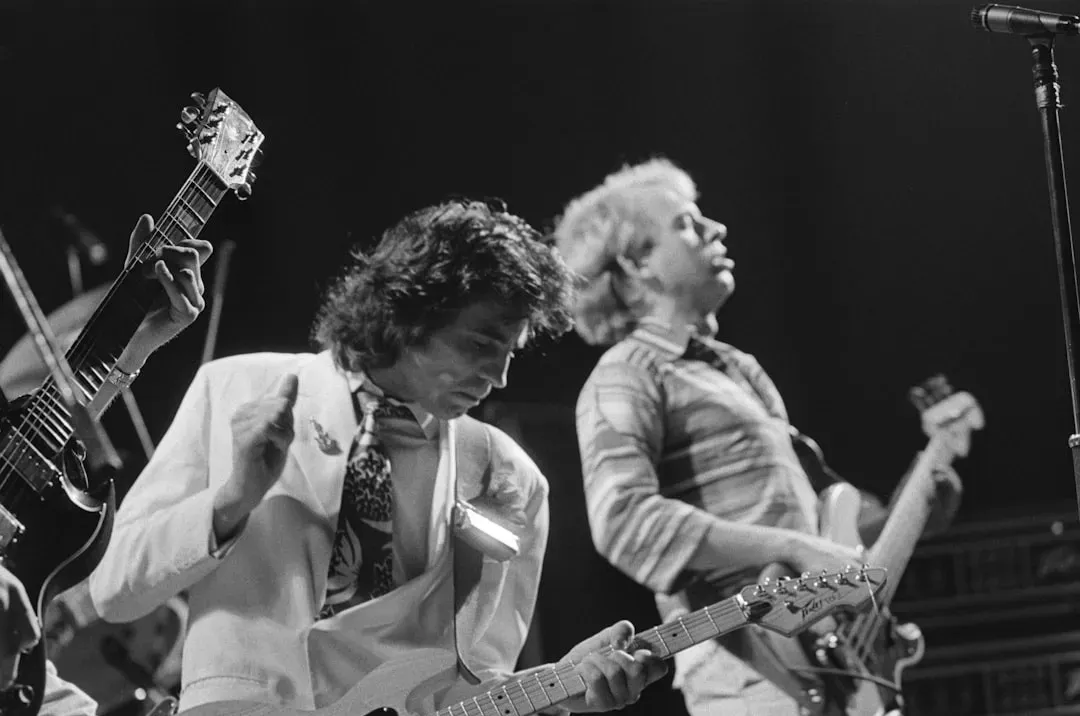
Even legacy acts aren’t immune to a video budget that outpaces public interest. The Rolling Stones spent well over a million dollars on the clip for “Love Is Strong,” the lead single from their 1994 album Voodoo Lounge, featuring towering models walking the streets alongside the band. Costing just over $1 million to produce, at least Mick and the boys got to meet some very tall and nice looking women as they walked the streets.
The commercial result, however, was rough by the standards of a band with the Stones’ track record. Lifted from their 1994 album Voodoo Lounge, “Love Is Strong” became the lowest charting first single ever for The Rolling Stones. For a band that had spent decades opening albums with hits, watching a heavily produced lead single underperform this badly was a rare stumble, one that the elaborate video couldn’t paper over.
Aqua, “Cartoon Heroes” (2000)


Aqua followed up “Barbie Girl,” one of the biggest novelty hits of the 1990s, with “Cartoon Heroes,” a lavishly produced video that leaned into cryogenic pods and underwater CGI sequences. The spending drew attention almost immediately, and not in a flattering way. While many people may not be aware of the song “Cartoon Heroes” since it didn’t gain international fame like its predecessor “Barbie Girl,” the music video was highly criticized for its over the top budget production, which many critics viewed as unnecessary, with the budget catering to cryogenic pods and underwater CGI scenes.
The visuals themselves have aged in an unusual way too. One retrospective on the era’s big budget videos put it bluntly, noting what truly boggles the mind is just how bad the special effects are for a budget that high, which goes to show how far CGI has come in the decades since. “Cartoon Heroes” never replicated the cultural saturation of “Barbie Girl,” making it a case of diminishing returns on an even bigger investment.
George Michael, “Freeek!” (2002)

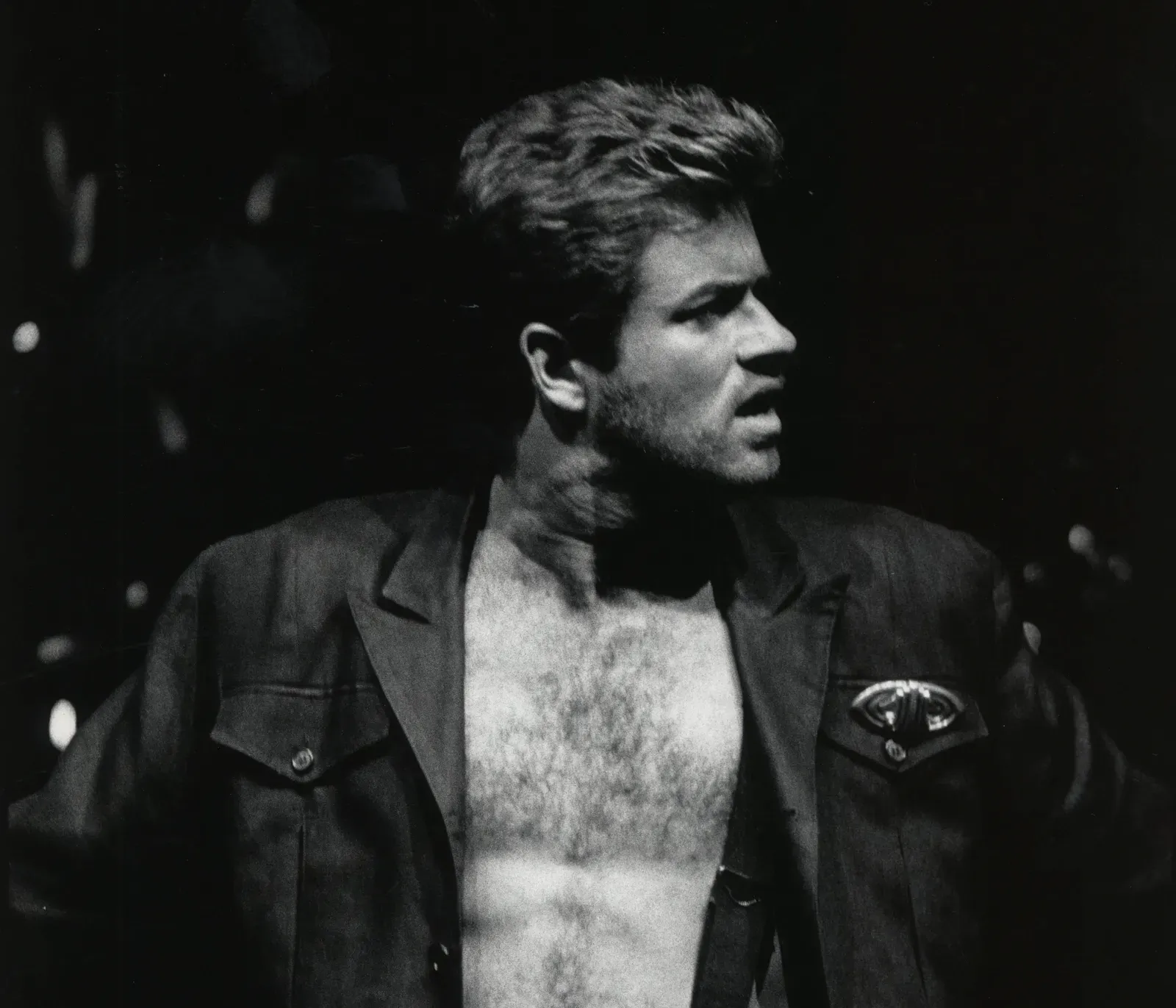
George Michael positioned “Freeek!” as his big comeback moment, backing it with a futuristic, effects heavy video built around cyborgs and a Blade Runner style cityscape. The music video incorporated a futuristic theme including cyborgs and sophisticated technology set in a Blade Runner-esque world, and George Michael had little change left from his roughly two million dollar budget. It was meant to announce his return as a major pop force after years away from the spotlight.
The single did reasonably well across parts of Europe, but the moment never became the crossover comeback the spending implied. Its release date coincided with a 17 year old Pop Idol runner-up’s debut single, and tabloids billed it as one of the most exciting chart battles for years, with the rivalry overshadowing the song itself. For an artist once accustomed to dominating both the UK and US charts simultaneously, a video this expensive should have delivered a much bigger cultural moment than it did.
Michael Jackson, “Ghosts” (1997)

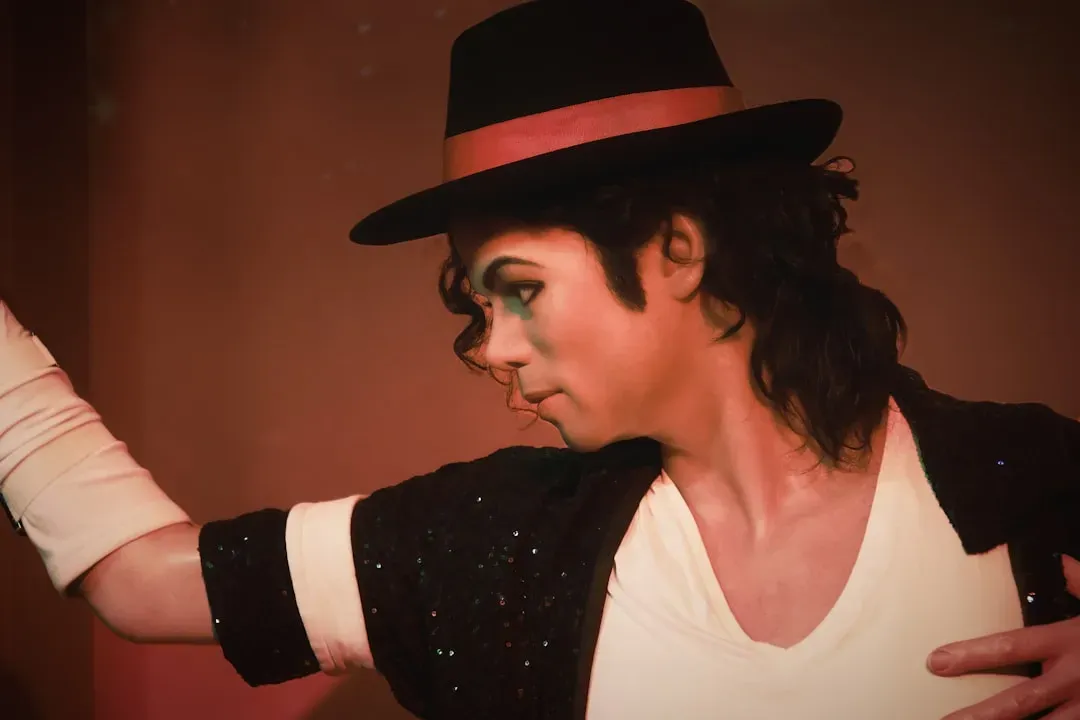
No list of expensive, underwhelming returns is complete without Michael Jackson’s “Ghosts,” a 38 minute short film rather than a traditional music video. Michael Jackson’s “Ghosts” is believed to have cost $15 million, making it possibly the most expensive of all time, though it’s not always listed due to its classification as a short film. That figure dwarfs every other entry on this list several times over.
Yet despite the eye watering budget, “Ghosts” never reached anything close to the audience or cultural footprint of “Thriller” or “Black or White.” It premiered at a film festival rather than on mainstream television, and its songs were never pushed as chart singles the way Jackson’s earlier work had been. A writer for the project stated that after years of development it became the most expensive music video ever made, ending up at about $15 million, all of it out of Michael’s pocket. For a project that size, funded personally by the artist, it remains a striking example of enormous spending producing a comparatively quiet result.
What these flops actually tell us
Looking at these six cases together, a pattern emerges. None of them failed because the production values were lacking, quite the opposite. They failed because a big budget cannot manufacture a hit song, a shifting cultural moment, or an audience that has already moved on to something else.
Money can buy oil tankers, cyborgs, and hammerhead sharks. It cannot buy timing, and it cannot buy a chorus people actually want to hear again. That’s probably the most useful takeaway here: a music video is only as good as the song underneath it, no matter how many zeros are on the invoice.