Few mysteries in literary history have proven as stubbornly persistent as the question of who actually wrote the works attributed to William Shakespeare. The Shakespeare authorship question is a longstanding debate concerning whether William Shakespeare, the esteemed English playwright and poet born in 1564, actually wrote the works attributed to him, and it arises in large part from a perceived lack of historical documentation about Shakespeare’s life and education, particularly the so-called “lost years” between 1585 and 1592. What keeps this debate alive is not fringe speculation alone. There are six genuinely compelling reasons why serious scholars, legal minds, and cultural figures have refused to let the question rest.
1. The Mysterious “Lost Years” With No Historical Trace
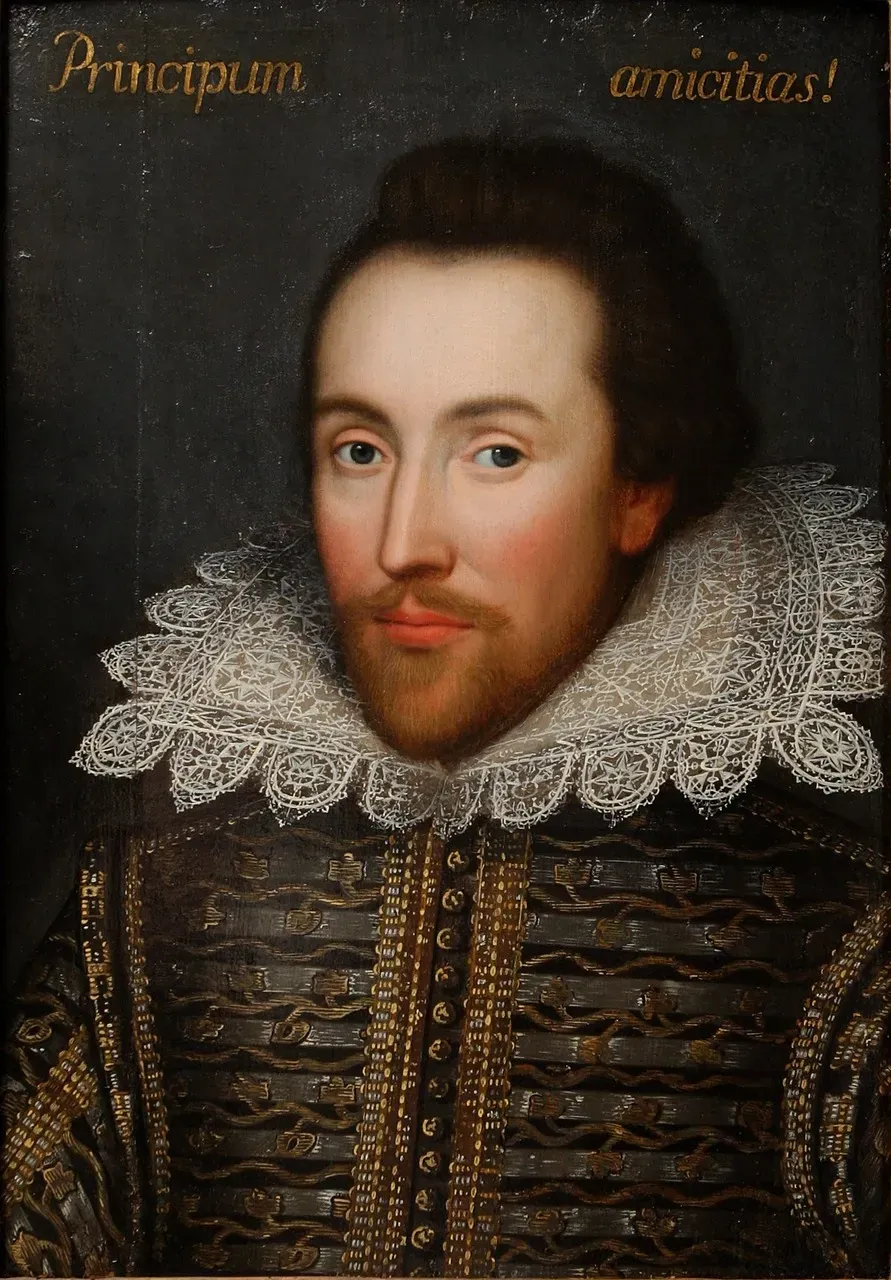
The period between 1585 and 1592, often referred to as Shakespeare’s “lost years,” remains largely shrouded in mystery, with minimal historical documentation available. This is not a minor biographical gap. Regarding the man himself, there is a gap in the timeline scholars have constructed – a seven-year period during which we know nothing at all about where he was and what he was doing, although there is much, unsupported, conjecture about it. Those years have been labeled “the lost years.”
There are many theories for what he might have done during this time, including that he was a schoolmaster, a travelling actor, a deer poacher, a soldier, a lawyer’s clerk, or that he travelled to other countries where he gained knowledge for his plays. However, this is all conjecture, and we have no evidential proof of what he did during these years. The plays themselves demonstrate knowledge of foreign courts, Italian geography, and legal proceedings – expertise that is deeply difficult to explain without a concrete biographical account of how it was acquired.
2. No Original Manuscripts Have Ever Been Found
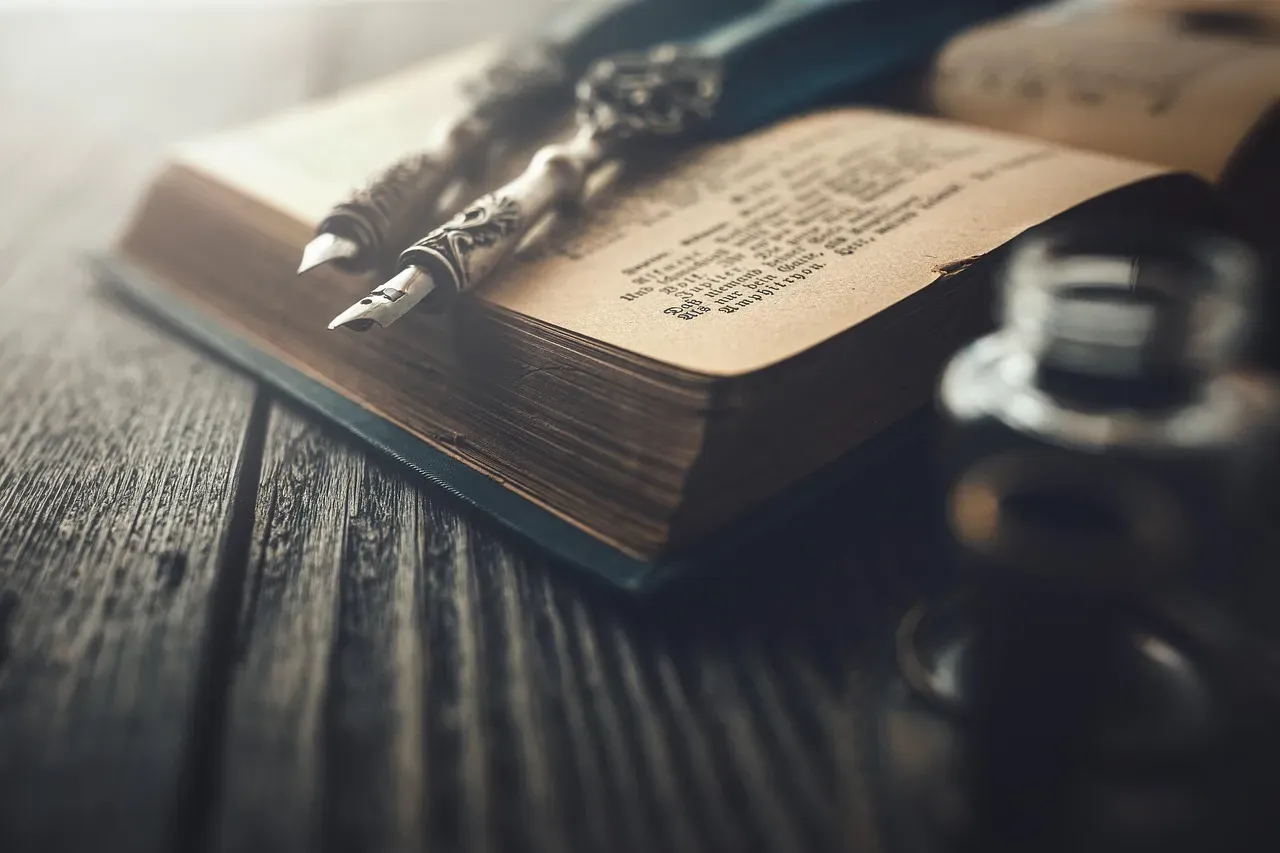
There are no original manuscripts. Not so much as a couplet written in Shakespeare’s own hand has been proven to exist. In fact, there’s no hard evidence that Will Shakespeare of Stratford-upon-Avon, revered as the greatest author in the English language, could even write a complete sentence. This strikes many as extraordinary for a man credited with producing what is arguably the richest body of dramatic work in the English language. Contemporary dramatists such as Francis Beaumont, Thomas Dekker, John Fletcher, Robert Greene, Thomas Heywood, and Ben Jonson all left behind plays in manuscript. No Shakespeare playscript, though, has ever been found.
The greatest manhunt in literary history has turned up no manuscripts, no letters, no diaries. The only definitive examples of Shakespeare’s handwriting are six signatures, all on legal documents. Defenders of the Stratfordian position argue that paper was scarce and expensive in the Elizabethan era, and play manuscripts were rarely preserved once they went to print. Still, the complete silence of the documentary record – for the man deemed the world’s greatest writer – continues to trouble even sympathetic observers.
3. The Puzzling Silence of Shakespeare’s Will
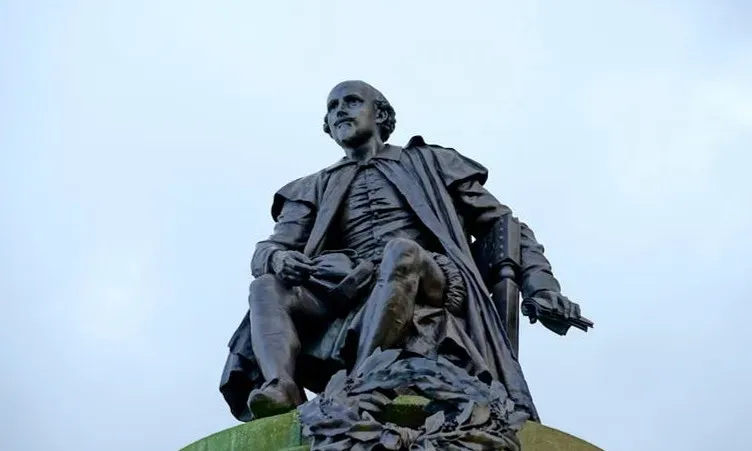
The language of the will makes no mention of personal papers, books, poems, or the 18 plays that remained unpublished at the time of his death. When Shakespeare died in 1616, he left a highly detailed will covering silver bowls, household items, and even his “second-best bed” bequeathed to his wife Anne. When Shakespeare died, he left detailed instructions for the distribution of his assets but mentioned no poems, plays or manuscripts of any kind. At his death, only half of the plays had been published. Did he have no concern for their preservation? Why didn’t he say anything in his will about his poems – several major narrative poems, 154 sonnets?
His will refers neither to books nor manuscripts. In fact, it gives no sign of a literary career at all, or even a literate one. Stratfordians respond that this was not unusual for the time, noting that of the fourteen other playwrights whose wills survive from the Elizabethan theater, only three mentioned books in their will. Yet critics find it hard to accept that the most prolific playwright of his age would die without a single reference to his life’s literary work.
4. The Education Gap and the Breadth of Knowledge in the Plays
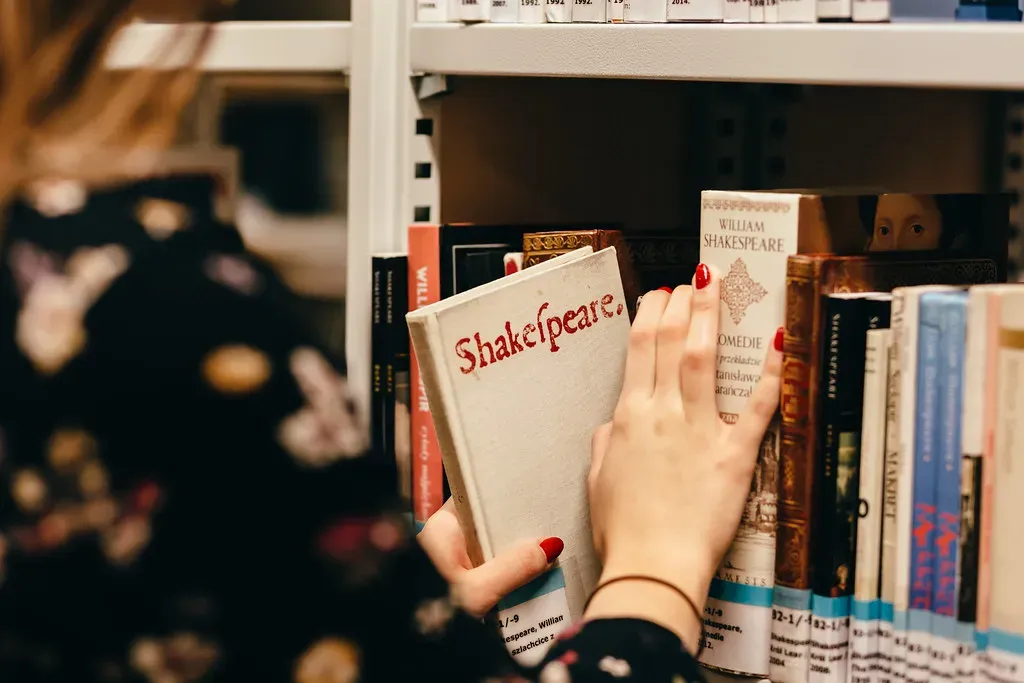
Critics, known as Anti-Stratfordians, argue that his remarkable literary output suggests a level of education and worldly experience inconsistent with his humble origins in Stratford-upon-Avon. The plays demonstrate fluency with law, medicine, court politics, Italian geography, Latin literature, and multiple foreign languages. Most anti-Stratfordians suggest that the Shakespeare canon exhibits broad learning, knowledge of foreign languages and geography, and familiarity with Elizabethan and Jacobean court and politics; therefore, no one but a highly educated individual or court insider could have written it.
There is no record of Shakespeare going to university. There’s no evidence he ever traveled outside England, which was extremely expensive and politically risky at the time, or had any chance to obtain higher education. Rudimentary Latin was taught at the Stratford Grammar School, though attendance records are lost, but not any other foreign languages. Stratfordians counter that Shakespeare’s grammar school education was substantial for its era, and that many of the era’s great writers came from modest backgrounds – a reasonable point, though one that hasn’t fully closed the debate.
5. The Weight of Alternative Candidates and Serious Skeptics
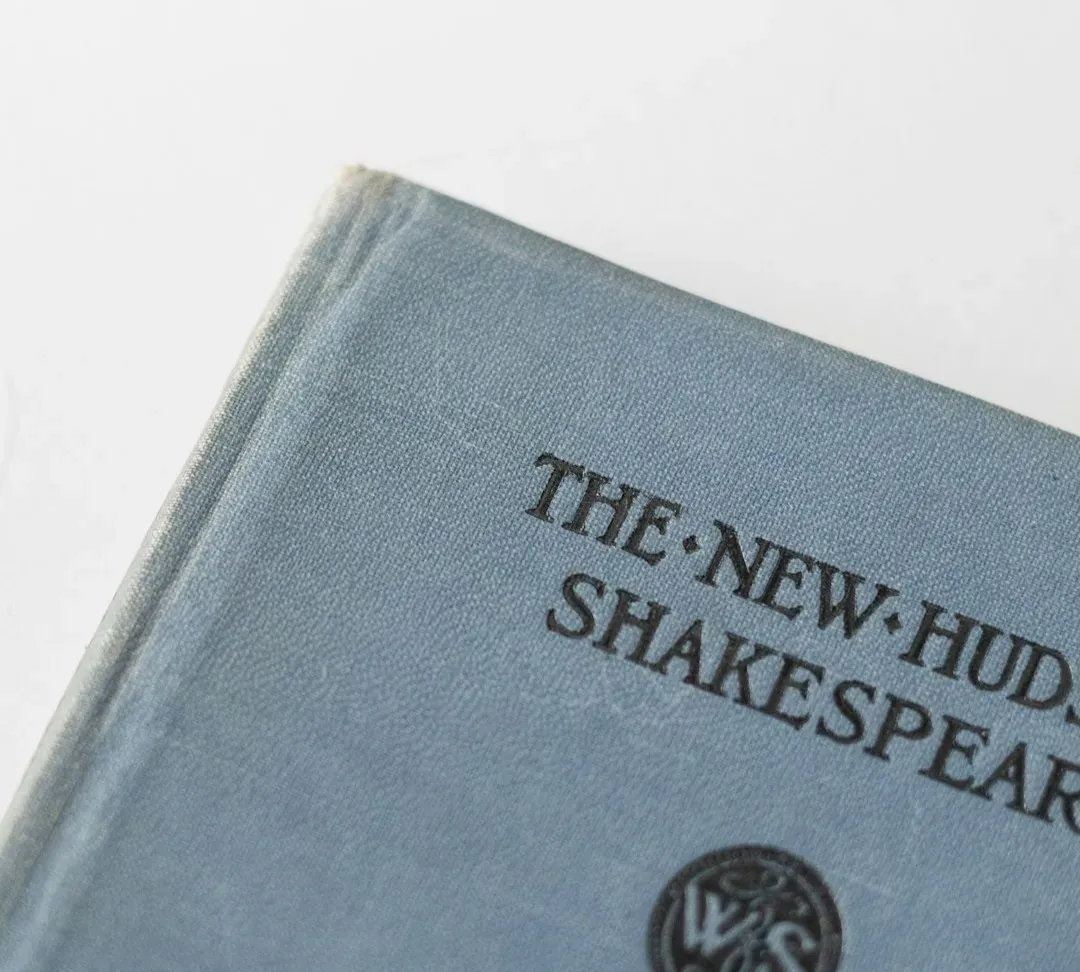
Some eighty candidates have been put forward, though the most favored candidates include the philosopher and statesman, Sir Francis Bacon, and the Earl of Oxford, Edward de Vere. Edward de Vere, 17th Earl of Oxford, has been advanced since the 1930s as the true author of Shakespeare’s plays. A well-educated and well-traveled nobleman of Queen Elizabeth I’s court, de Vere was championed by the late author Charlton Ogburn. The Oxfordian theory has attracted attention in part because de Vere’s life parallels the settings and themes in the plays in striking ways – though critics point out that Oxford died in 1604, and significant evidence indicates that some of Shakespeare’s work was produced years later. For instance, The Tempest was influenced by a voyage to the Americas that did not occur until 1610.
Despite ongoing debates and the involvement of notable figures like Mark Twain and Sigmund Freud in questioning Shakespeare’s authorship, the academic consensus largely favors Shakespeare as the sole author. The list of skeptics, however, is genuinely distinguished. It includes some of the most respected figures over the last two hundred years of intellectual culture – actors, directors, novelists, judges, scholars, diplomats, and psychologists. The fact that brilliant minds across centuries have independently arrived at the same doubts is itself something scholars struggle to dismiss entirely.
6. The Suppression of Academic Inquiry Keeps the Debate Alive
It comes as a shock to scientists to encounter the resistance by most English literature departments to test the hypothesis that the body of work ascribed to William Shakespeare was authored by William from Stratford. Very few English departments worldwide will allow PhD research into the Shakespeare authorship issue, despite the lack of reliable evidence about William from Stratford and the growing body of evidence in support of other authorship candidates. That resistance itself raises eyebrows. When an academic institution closes a line of inquiry rather than testing it, some scholars argue that the suppression fuels more suspicion, not less.
Research published in The Journal of Scientific Exploration in 2023 provided evidence that included claims of doubts as to Shakespeare’s authorship began shortly after the author’s death. A myriad of computational and statistical tools and techniques have been used to determine the true authorship of his works. Many of these techniques rely on basic statistical correlations, word counts, collocated word groups, or keyword density, but no one method has been decided on. As long as modern analytical tools continue producing ambiguous results, and as long as academic institutions resist open inquiry, the debate will remain exactly where it has been for centuries – unresolved, and fiercely contested on both sides.