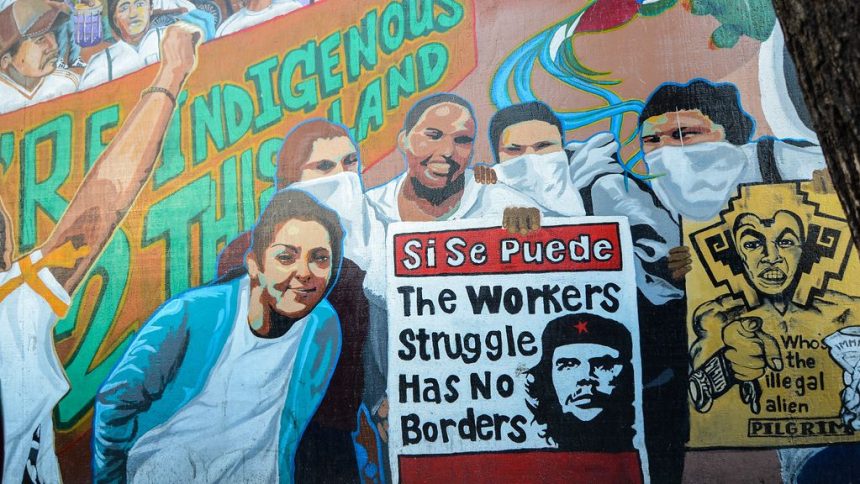
Street art did not emerge from gallery walls or art school studios. It came up from the ground, literally, born in tunnels, back alleys, and concrete underpasses that most people walked past without a second glance. What began as an urgent, defiant act of self-expression by marginalized communities has become one of the most culturally influential forces in modern history. The story of how it got there is told in six distinct underground movements, each one reshaping what art could be, who it was for, and where it belonged.
1. The New York Subway Movement: Where It All Began
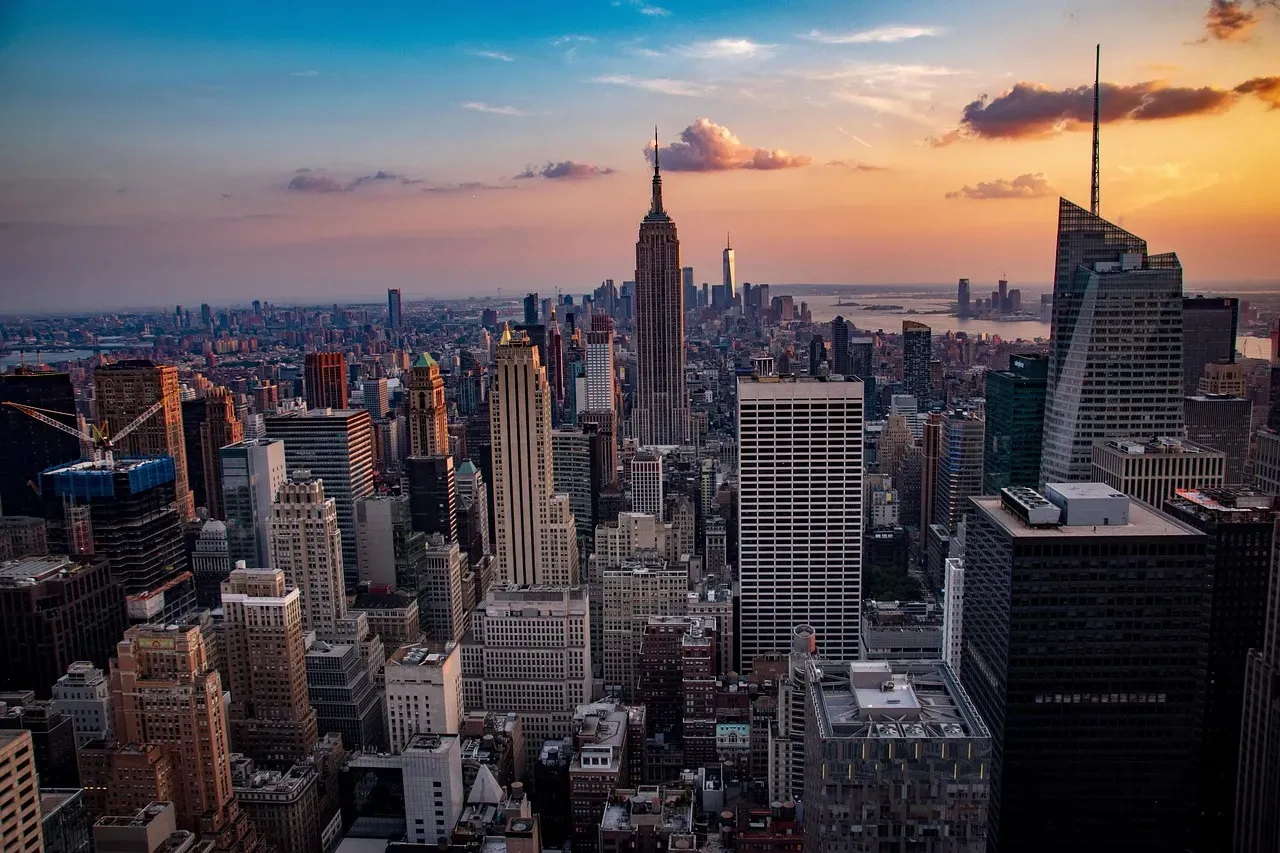
The style of urban graffiti that most people have seen and know about, the kind that uses spray cans, came from New York City in the late 1960s, and was born on the subway trains. The first widely recognized graffiti writer in New York was TAKI 183, a teenager from Washington Heights who started tagging his name on the streets and subway trains in the early 1970s, and his simple yet prolific tagging gained attention when a New York Times article published in 1971 helped bring the underground culture into the mainstream. Trains were seen as ideal because they allowed an artist’s work to travel throughout the city, reaching a wider audience than a stationary wall. Graffiti artists spent hours in train yards, often risking arrest, injury, or death to cover the exterior of subway cars with their artwork. These massive, mobile canvases helped solidify New York graffiti as a distinct and influential art form.
In the late 1970s and 1980s, the snaking train lines of the MTA became an ideal creative hub for an entire generation of artists including figures such as Rammellzee, Keith Haring, Futura, Lee Quiñones, Zephyr, Fab Five Freddy, and countless others. The work of these artists, from hurriedly executed tags to spectacularly elaborate ten-car pieces, came to be as emblematic of New York as the Manhattan skyline itself. Graffiti is considered one of the four elements of hip hop, along with emceeing, DJing, and b-boying. Graffiti in New York became closely tied to the emerging hip-hop culture of the 1980s, and hip-hop provided a cultural framework for graffiti to flourish, as both were expressions of youth rebellion and creativity in the face of economic hardship and social marginalization.
2. The Basquiat and Haring Bridge: From Subways to Gallery Walls
Since its inception, street art has always had a socio-political edge, with artists such as Keith Haring and Jean Michel Basquiat using their craft to react against oppression and state powers. Injecting their sense of individuality and creativity onto walls, subways, trains, and buildings, Haring and Basquiat’s success gave street art credibility and bridged the gap between the street and museums and galleries. Basquiat’s transition from anonymous street artist to gallery darling occurred with remarkable speed. His first gallery exhibition in 1981 marked a watershed moment, demonstrating that street art aesthetics could command serious attention in prestigious art spaces. His raw, expressive style, characterized by bold black outlines, textual elements, and primitive imagery, bridged the gap between underground culture and high art.
Keith Haring began creating chalk drawings on unused advertising panels in the subway, turning these spaces into public art galleries accessible to everyone. Haring used art as a medium for activism, and his artworks often addressed issues like AIDS awareness, apartheid, and LGBTQ+ rights. He, like many other artists, used his platform to advocate for change, creating murals and artworks in collaboration with his own community and eventually with communities around the world. By the 1980s, young street artists such as Keith Haring and Jean-Michel Basquiat were rubbing shoulders with famous, more mainstream artists like Andy Warhol, and the art world took notice. Exhibitions soon followed, as well as commercial opportunities, such as Haring’s Pop Shop, all of which brought street art to a wider audience. Its reputation changed from vandalism to a celebrated form of art.
3. The Stencil Revolution: Banksy and the Bristol Underground
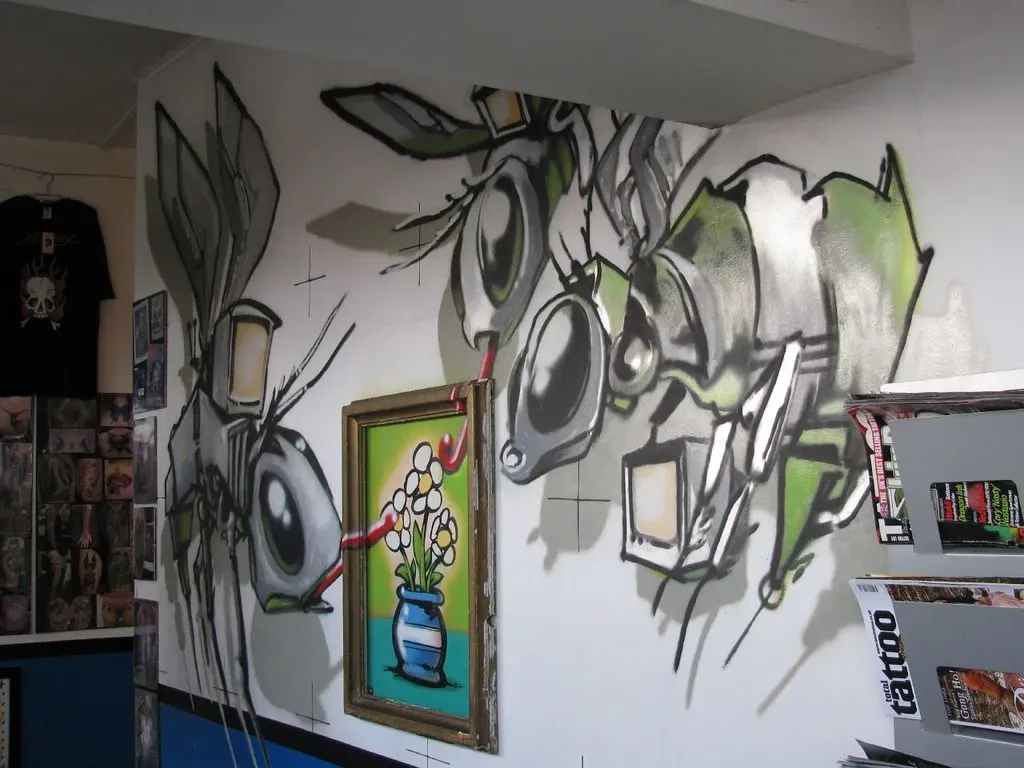
Banksy started as a freehand graffiti artist in 1990–1994 as one of Bristol’s DryBreadZ Crew, and his work was part of the larger Bristol underground scene with Nick Walker, Inkie, and 3D. He claims he changed to stencilling while hiding from the police under a rubbish lorry, when he noticed the stencilled serial number, and by employing this technique, he soon became more widely noticed for his art around Bristol and London. Banksy’s considered choice of stenciling as a mode of artistic production has significance beyond pragmatic considerations: the practice has long been associated with underground political movements and punk anti-establishment culture, as it enables visually striking images that can be reproduced quickly, cheaply, and by anyone.
Banksy’s stylistic evolution reflects a journey from insular graffiti codes to universally resonant political art. Beginning with wildstyle complexity, a visual language meant for insiders, he shifted toward a stripped-down, communicative aesthetic that anyone could understand. The adoption of stencils not only defined his signature look but also opened the door for precise, repeatable, and powerful visual storytelling. Along with other artists like Shepard Fairey, Zevs, D*Face, and Ron English, Banksy is credited with transforming graffiti from the typical “bubble writing” style of the 1980s to the “narrative-driven street art” of today. This contemporary street art varies significantly in aesthetic and materials, from Banksy’s stencils, to Swoon’s wheat paste posters, to Zevs’ “liquidated logos” technique, to Space Invader’s tile art.
4. Street Art as Political Weapon: Protest Murals and Civil Movements
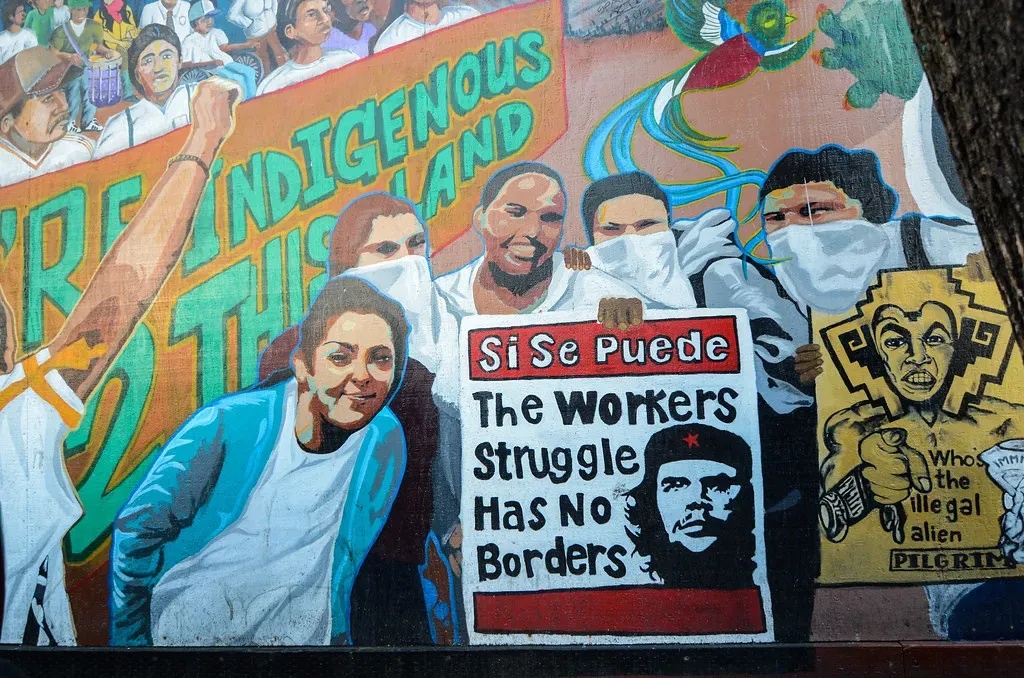
Street art has evolved from underground graffiti to a respected form of activism, with works addressing climate change, inequality, and political unrest. Inspired by a popular insurrection against Sheikh Hasina’s increasingly autocratic 15-year tenure as prime minister of Bangladesh in July 2024, US-based Bangladeshi artist Debashish Chakrabarty produced and circulated online more than 100 posters illustrating the symbols, martyrs, and demands of the movement. He urged protesters around the world to copy his images freely in order to express solidarity with the students and their revolutionary demands. Despite the Bangladeshi government curfew, a nationwide telecommunications blackout, and the designer himself living thousands of miles away, these digital images took hold. After the regime fell in early August, detailed reproductions of the Chakrabarty posters appeared beside the hasty graffiti scrawls that spurred the revolutionary movement.
Over half of all graffiti art in public spaces is political or social commentary. Street art’s power lies in its accessibility. Unlike gallery exhibitions, murals and graffiti meet people where they live and work, making them powerful vehicles for activism. Unlike traditional journalism or documentaries, street art can respond rapidly to political events. A single night’s work can turn an alleyway into a thought-provoking commentary on government policies, social inequalities, or international conflicts.
5. The Global Market Shift: From Vandalism to Investment Asset
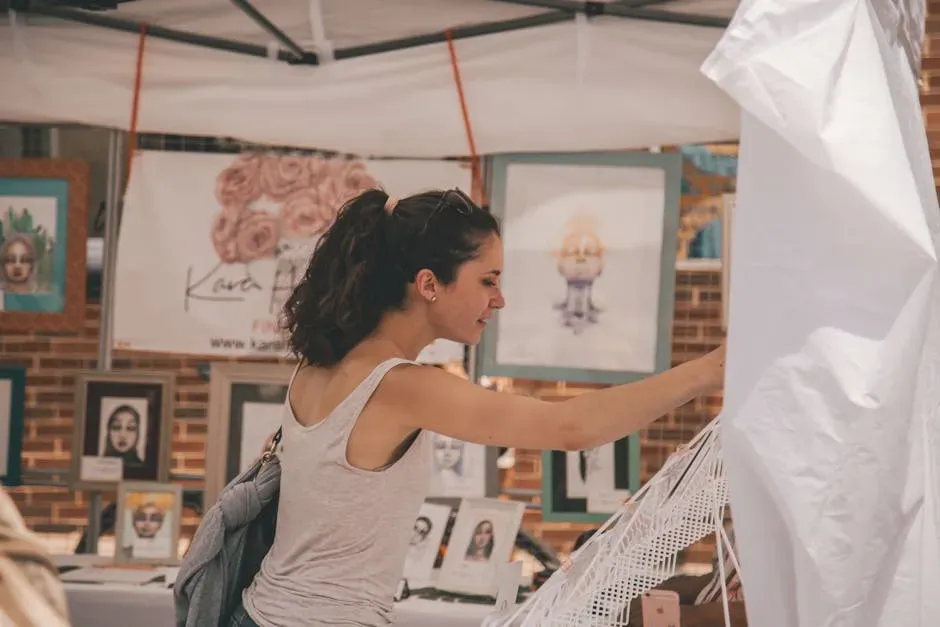
What began as acts of rebellion spray-painted on subway cars and abandoned buildings has evolved into one of the most dynamic and valuable movements in contemporary art. Graffiti art’s transformation from illegal vandalism to a legitimate investment represents one of the most remarkable cultural shifts in modern art history, challenging traditional notions of artistic legitimacy and redefining the boundaries between street and gallery art. The global graffiti market size was valued at USD 9.5 billion in 2022 and is projected to grow at a CAGR of 7% through 2030. The contemporary art market has shown remarkable resilience in the street art sector, with average gallery sales increasing 15% year-over-year in 2024. This growth occurs despite overall market contractions, indicating strong collector confidence in urban contemporary art.
Real estate developers have discovered that graffiti on walls, when commissioned and protected, increases property values by 12 to 22%. Buildings featuring protected street art are selling at significant premiums compared to comparable properties. No longer confined to traditional street art hubs like New York and London, emerging markets in cities such as São Paulo, Mexico City, and Bangkok are gaining influence. This shift marks the global expansion of street art, with vibrant scenes flourishing in new urban environments. These unique locations produce rare and sought-after works, making street art more commercially viable and attracting collectors with its exclusivity and cultural resonance.
6. The Digital Acceleration: Social Media, AR, and the New Underground
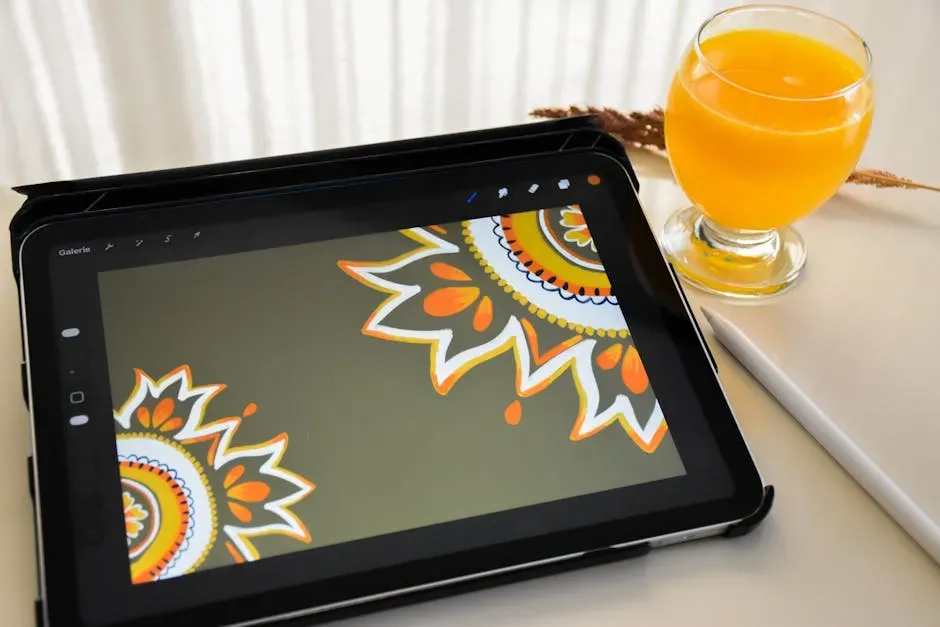
Technology has transformed street art into a global phenomenon. Instagram, TikTok, and street art mapping apps allow local murals to gain international recognition, creating new opportunities for activism. Unlike art made to be exhibited in galleries, there is no barrier for entry for street art. Anyone can see it in the streets and easily share it on social media, meaning it can be instantly seen and recognised across the world. AR-enabled graffiti installations are creating new revenue streams. Viewers can scan street art with their phones to unlock exclusive content, NFT drops, and interactive experiences.
Studies show that over 70% of urban residents in major cities now view street art as a vital form of cultural expression rather than vandalism. The most active countries for street art tourism include the USA, Germany, and Brazil, attracting over 15 million visitors annually. The street art landscape has undergone a seismic shift in 2026. What was once dismissed as vandalism is now commanding seven-figure prices at auction. Graffiti on walls is no longer just art – it is a legitimate asset class that is outperforming traditional investments.