Look, I’ll be honest with you. Book lovers will probably want to throw something at me for saying this, but sometimes Hollywood just gets it right. We’ve all heard the classic complaint that “the book was better,” and sure, that’s often true. Yet every once in a while, a film comes along that takes the source material and elevates it to something even more powerful, more memorable, or just plain more entertaining than what was on the page.
It’s a rare thing, I know. But when it happens, it’s undeniable. Maybe it’s the perfect casting, the visual spectacle, or a director who understands the story’s heart better than the author did. Whatever the magic ingredient, these seven films managed to pull off the impossible. Let’s dive in.
The Godfather
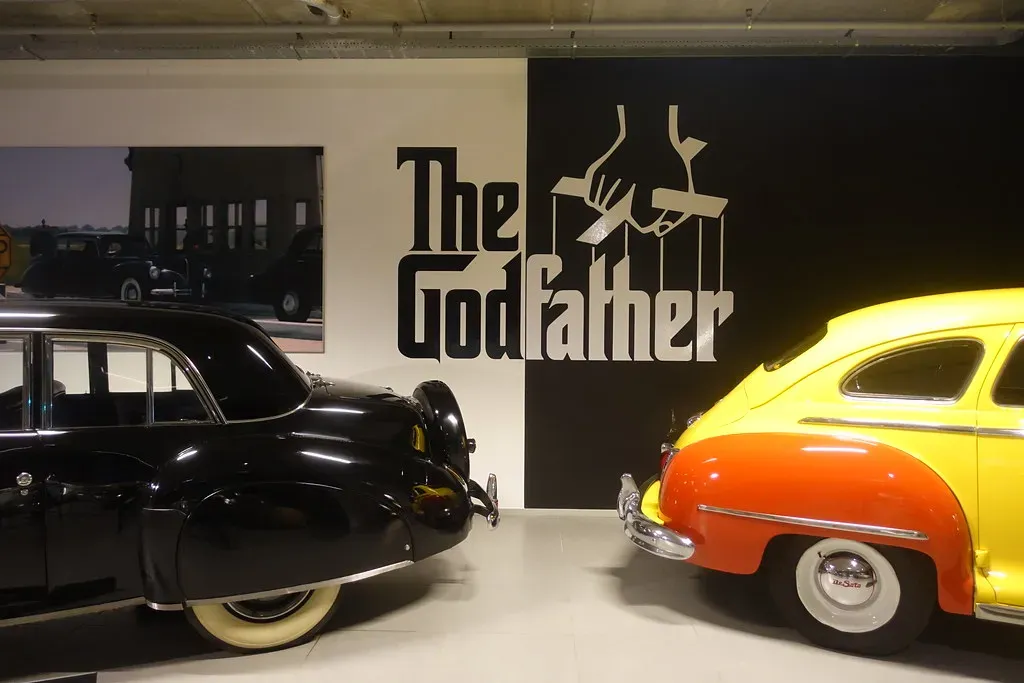
Mario Puzo’s novel was a bestseller, no question about it. People couldn’t get enough of the Corleone family saga when it hit shelves in 1969. But Francis Ford Coppola’s 1972 adaptation? That transformed a pulpy crime story into cinematic poetry.
The book spends a lot of time on subplots that frankly drag the narrative down, including a bizarre extended sequence about a bridesmaid’s gynecological issues that feels completely out of place. Coppola wisely cut the fat and focused on what mattered: family, power, and the corruption of the American Dream. Marlon Brando’s mumbling Don Vito and Al Pacino’s transformation into Michael created moments that no amount of prose could match.
The film’s atmosphere, the careful pacing, and that haunting score by Nino Rota turned a good story into something legendary. It’s hard to imagine anyone today picking up Puzo’s novel and finding it more compelling than watching the Corleone family navigate their dark world on screen.
Jaws

Peter Benchley’s 1974 novel is perfectly fine beach reading, but let’s be real, it’s not exactly high literature. The book gets bogged down in a weird subplot about the police chief’s wife having an affair, and honestly, nobody cared about that when they picked up a book called Jaws. They wanted shark terror, pure and simple.
Steven Spielberg understood this instinctively. He stripped away the unnecessary drama and focused entirely on three men versus one massive great white shark. The result was pure cinematic suspense that had audiences afraid to go in the water for years.
The movie’s legendary score, the iconic “you’re gonna need a bigger boat” line, and that mechanical shark that barely worked but somehow made everything more terrifying. Benchley’s book told a story, but Spielberg created a cultural phenomenon that basically invented the summer blockbuster.
The Shawshank Redemption
Stephen King’s novella “Rita Hayworth and Shawshank Redemption” is good, like most of King’s work. But it’s a relatively minor entry in his massive catalog, and even die-hard King fans would probably admit it’s not his most memorable piece of writing. The story moves along fine, but it lacks the emotional punch that Frank Darabont brought to the screen.
What makes the film superior is the depth that the actors brought to their roles. Morgan Freeman’s Red and Tim Robbins’ Andy Dufresne became so iconic that it’s nearly impossible to read the novella now without hearing their voices. The film expanded on the friendship between these two men in ways that felt more profound and moving than what was on the page.
That final scene on the beach in Zihuatanejo? It’s only implied in King’s story, left somewhat ambiguous. The movie gives us that satisfying, hopeful conclusion that audiences desperately wanted. Sometimes showing is better than telling, and this film proved it beautifully.
The Princess Bride

Here’s the thing about William Goldman’s novel. It’s clever, maybe too clever for its own good. The book presents itself as an abridged version of a fictional classic, with Goldman constantly interrupting to explain what he’s cutting out. It’s a fun gimmick on the page, but it also disrupts the flow of the actual story you’re trying to enjoy.
Rob Reiner’s 1987 film adaptation keeps the framing device with the grandfather reading to his grandson, but it’s streamlined and charming rather than intrusive. The movie lets the fairy tale breathe without constantly winking at the audience. Plus, the casting was absolutely perfect, from Cary Elwes’ earnest Westley to Mandy Patinkin’s unforgettable Inigo Montoya.
The sword fights, the quotable dialogue, and the genuine chemistry between the actors created something that transcends the source material. The book is entertaining, but the movie is magic. Ask most people about The Princess Bride and they’ll quote the film, not the novel.
Forrest Gump
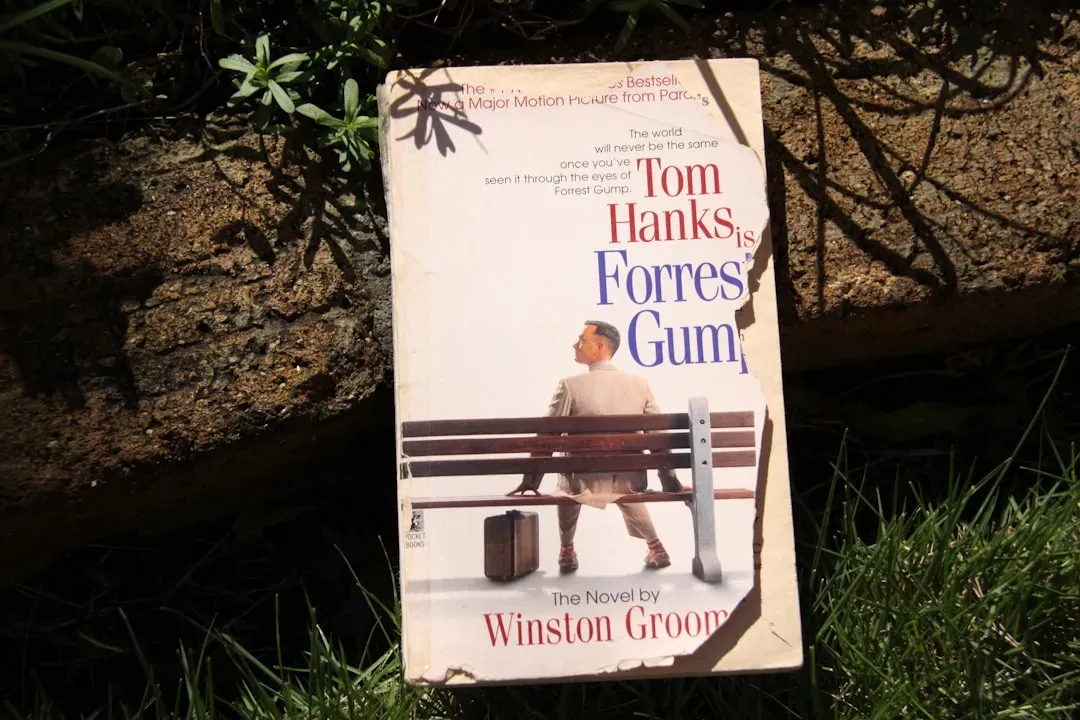
Winston Groom’s 1986 novel about a simple man who keeps stumbling into important historical moments is, well, kind of a mess. The book’s Forrest is cruder, the story is more cynical, and there are bizarre detours including Forrest becoming an astronaut and a professional wrestler. Seriously.
Robert Zemeckis and screenwriter Eric Roth took the basic premise and created something much more heartfelt and coherent. They found the emotional core that the novel seemed to miss entirely. Tom Hanks’ performance turned Forrest into someone audiences genuinely cared about rather than just a vehicle for satirical observations about American culture.
The film’s famous “life is like a box of chocolates” philosophy and its gentle approach to decades of American history resonated with viewers in ways the book never did. Groom’s novel feels almost mean-spirited at times, while the movie embraced sincerity without being saccharine. That’s a difficult balance to strike, and the film nailed it.
Die Hard
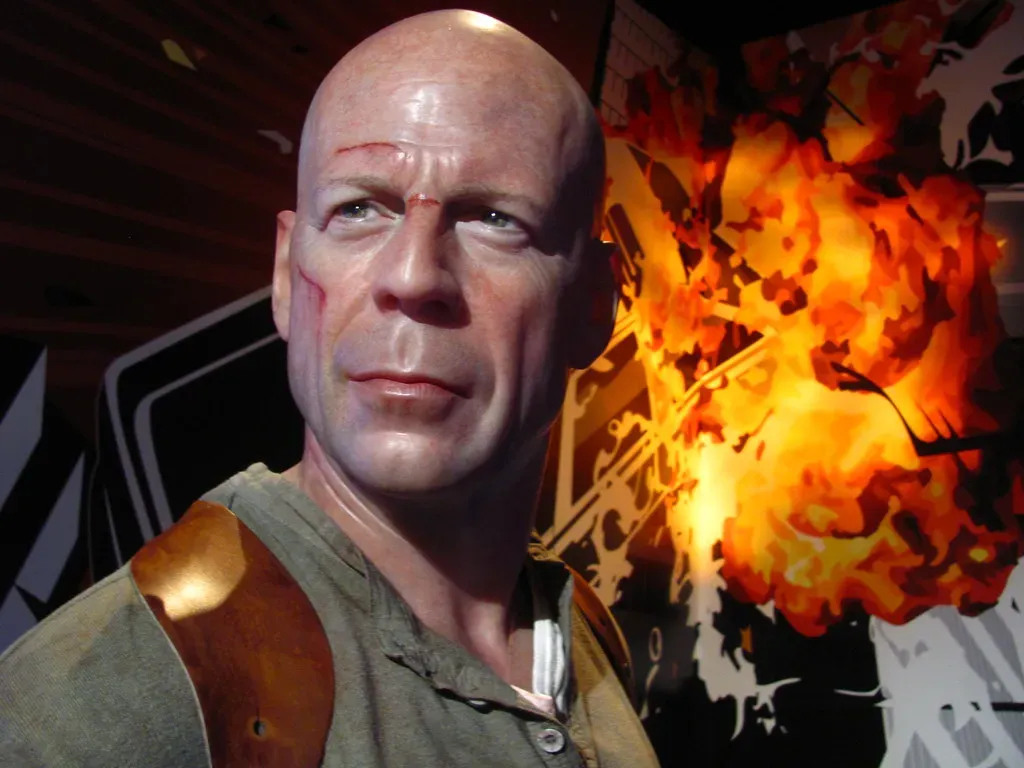
Based on Roderick Thorp’s 1979 novel “Nothing Lasts Forever,” you’d be forgiven for not even knowing this action classic came from a book. The novel is a fairly standard thriller about a man fighting terrorists in a building, but it lacks the personality and energy that made Die Hard a defining film of the 1980s.
John McClane in the movie is an everyman hero, cracking wise while bleeding all over Nakatomi Plaza. Bruce Willis brought a vulnerability and humor to the role that simply doesn’t exist in the book’s more generic protagonist. The film understood that action movies work best when you actually care about whether the hero survives, and McClane’s desperate radio conversations with Al Powell gave the story a human connection the novel never achieved.
Director John McTiernan created set pieces that became legendary, from McClane’s barefoot escape across broken glass to that memorable fall down the elevator shaft. The book told a story, but the movie created an entire template for action films that’s still being copied today.
Fight Club
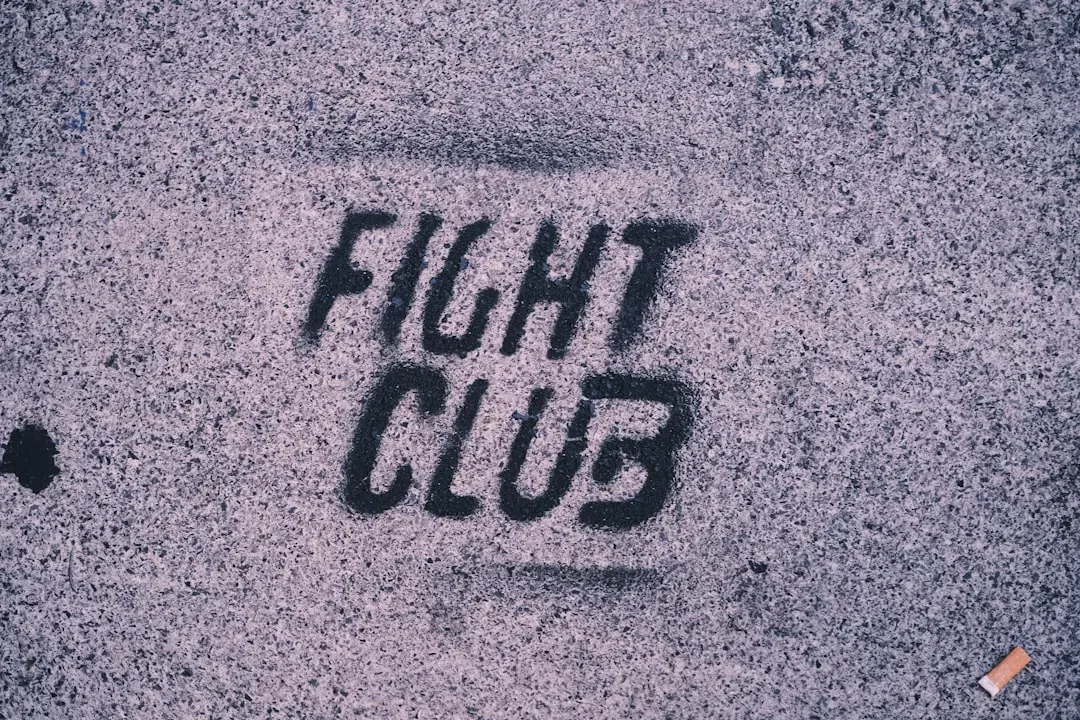
Chuck Palahniuk himself has admitted that the movie is better than his novel, which is either admirably honest or just good sense. The book is raw and interesting, but it’s also somewhat scattered and harder to follow than David Fincher’s focused adaptation. The twist works better on screen because visual media can control what you see in ways that prose simply can’t.
Fincher’s direction, combined with Brad Pitt’s charismatic Tyler Durden and Edward Norton’s perfect everyman narrator, elevated the material into something more visually striking and thematically coherent. The film’s grimy, oversaturated aesthetic captured the story’s anarchic spirit in ways that words on a page couldn’t quite match.
More than that, the movie knows when to pull back and when to go for broke. The novel sometimes feels like it’s trying too hard to shock, while the film lets the story’s inherent darkness speak for itself. That restraint, combined with pitch-perfect casting and stunning visuals, created something that transcended its source material completely.
Conclusion

So there you have it, seven times Hollywood actually improved on the original. I know some literary purists are probably fuming right now, but the truth is that books and movies are fundamentally different mediums. Sometimes a story just works better when you can see it, hear it, and watch talented actors bring characters to life in ways that readers might not have imagined.
These films prove that adaptation isn’t about being faithful to every page, it’s about understanding what makes a story work and having the courage to make it even better. What do you think? Did we miss any movies that surpassed their source material? Let us know in the comments.