Some movies end and you walk out feeling quietly satisfied. Others end and you’re still sitting there ten minutes later, arguing with whoever came with you. The endings on this list belong firmly to the second category. They range from deliberately provocative to shockingly anticlimactic, but they share one quality: people haven’t let them go.
These aren’t films that divide audiences based on preference alone. They’re movies that force a reaction out of you – so charged, so unsettling, or so philosophically loaded that the moment they end, your mouth is already open and you need to talk about it. Whether you love or hate what these filmmakers did in their final frames, you almost certainly have an opinion.
Inception (2010) – The Top That Never Answered Anything

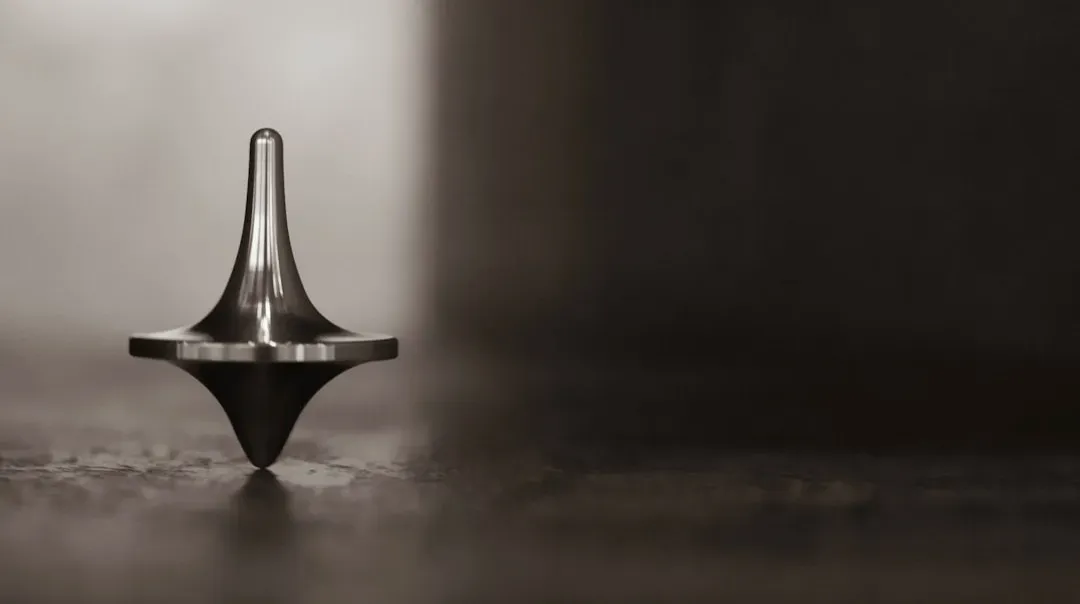
Christopher Nolan’s 2010 mind-bending masterpiece is known for leaving audiences in a state of deep contemplation and confusion. The film’s ambiguous ending, featuring a spinning top, has sparked countless debates and theories – did it fall, signifying reality, or did it keep spinning, suggesting a dream? The ending is notorious: Leonardo DiCaprio’s Cobb completes his task and returns home to his children, but the film lingers on his spinning totem top as it begins to wobble – then cuts to black.
Although Cobb uses the spinning metal top as a totem, eagle-eyed fans noticed that his real indicator of reality is his silver wedding band. He exclusively wears it while inside the dream world – when he is in reality, his left ring finger is completely bare. Moviegoers have spent over a decade debating whether or not Cobb is awake or dreaming at the end, but Nolan has said such debates are missing the ending’s real takeaway: Cobb doesn’t care. Ambiguous movie endings are often controversial as the audience tends to want concrete answers, but Inception bucked that trend with a rare ending that is ambiguous yet, for many, strangely satisfying.
No Country for Old Men (2007) – The Villain Walks Free

The ending upset audiences upon release, with many expecting a more traditional showdown between hero and villain. The finale’s ambiguity is still hotly debated over a decade later. In a shocking turn, Llewelyn Moss is killed with no dignity off-screen, not by the main villain, but by a group of nameless cartel members. Chigurh retrieves the money, makes a stop at Moss’ wife’s house, and after a random car accident, simply disappears.
Instead of a final, bloody showdown between good and evil, the film concludes with its aging Sheriff Bell quietly recounting two cryptic dreams about his father before the screen cuts to black. At the time, this anticlimactic choice frustrated and confused many viewers expecting a conventional Hollywood ending – yet the same ending is now regarded as one of the boldest and most brilliant. Despite divisive reactions, No Country for Old Men scored an impressive 93% on Rotten Tomatoes, was a box office hit, and won the Academy Award for Best Picture.
The Mist (2007) – A Father, a Gun, and No Way Back

Frank Darabont’s adaptation of Stephen King’s novella is notorious for having one of the bleakest final scenes in movie history. As David Drayton, his son, and various survivors try to escape the monster-infested fog, they lose all hope and decide to take their own lives. David kills all the other survivors in the car, including his own son – but just before David can take his own life, the military arrives to vanquish the monsters. If he’d just held out a few seconds longer, David wouldn’t be a killer and his son would still be alive.
Understandably, some viewers were deeply disturbed by this cruel, cold-hearted ending, and the movie’s ultimate message of hopelessness proved too much for many audiences. Director Frank Darabont had built his reputation on two of the warmest Stephen King adaptations ever made – The Shawshank Redemption and The Green Mile – before making The Mist, which became one of the most debated movies in modern horror. The cruelty of the final minutes remains one of cinema’s most talked-about gut-punches.
Partner offer

War of the Worlds (2005) – Bacteria Saves the Day

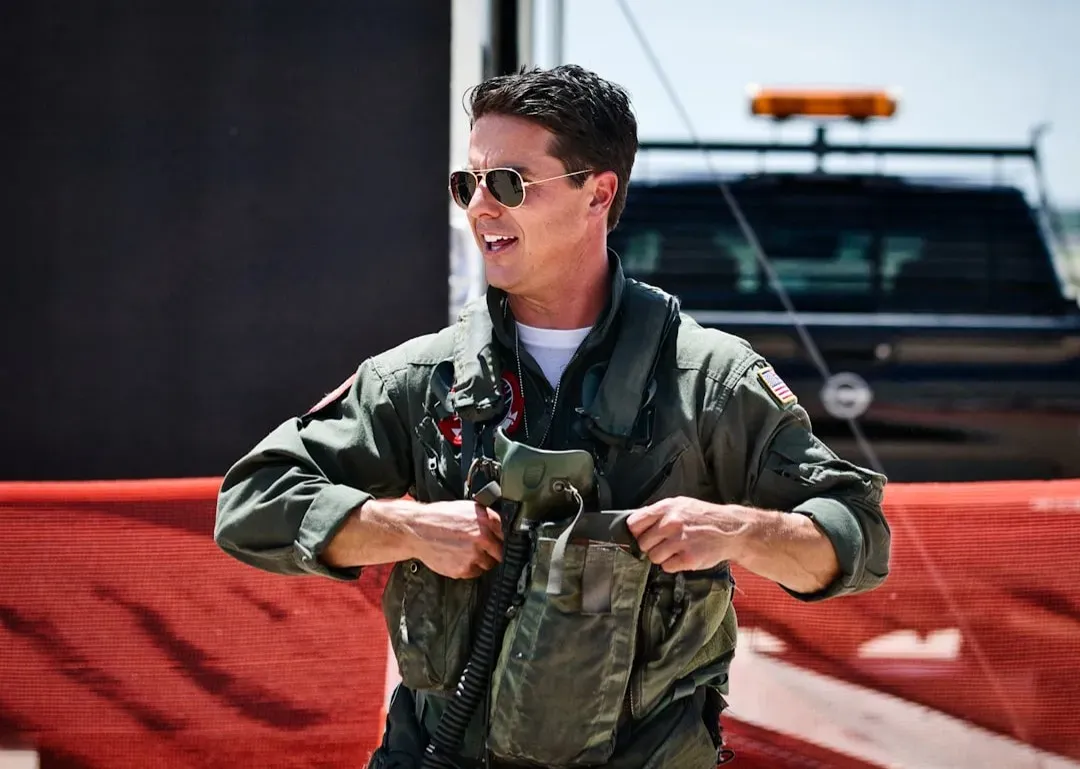
When it comes to anticlimactic endings, it’s hard to beat War of the Worlds. For about 110 of its 116 minutes, the film is a terrifying examination of an alien invasion and one man’s attempt to keep his family safe. The aliens randomly die from contracting Earth’s bacteria, and Robbie arrives out of nowhere for a schmaltzy family reunion, even though by all accounts he should be dead.
The resolution feels borrowed directly from H.G. Wells’ original novel, and while that’s technically faithful, it doesn’t translate well on screen – the menace built over nearly two hours deflates in what feels like about forty seconds. While some movies stick the landing, delivering satisfying and emotional conclusions, others crash and burn, turning potential classics into cinematic punchlines – and whether it’s baffling creative decisions, nonsensical twists, or sheer laziness, films like this go down in history for their disastrously bad endings. War of the Worlds is a textbook example of the former becoming the latter.
The Devil Inside (2012) – A Website Is Not an Ending


Few films have angered audiences quite like The Devil Inside, a found-footage horror film that builds to an eerie climax – only to abruptly cut to black and direct viewers to a website for “more information.” The attempt at viral marketing backfired spectacularly, with audiences booing in cinemas and critics tearing it apart. Following the abrupt, dissatisfying ending, a title card tells audiences that the case remains unsolved and sends them to a tie-in website to find answers. Rather than providing any closure or payoff on-screen, it directed viewers elsewhere – making the whole film feel like a promotional teaser for a website.
Despite scathing reviews and a dismal 6% on Rotten Tomatoes, the film was a box office hit, grossing $102 million against a mere $1 million budget. That financial success made the situation stranger. It proved audiences were willing to pay for a film that openly refused to finish its own story – though the fury in online forums and cinema lobbies that followed suggested they were not willing to forgive it. The ending remains one of the most openly mocked conclusions in modern horror history.
The Dark Knight Rises (2012) – A Happy Ending That Raised Too Many Questions

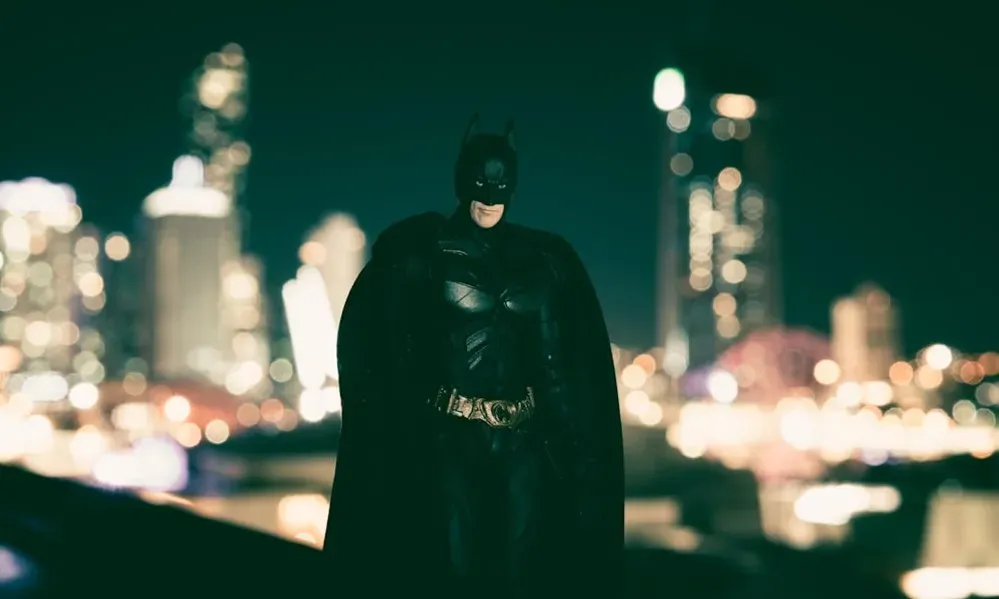
Bruce Wayne seemingly sacrifices himself to save Gotham, and while it would have been a bittersweet ending, it would have been satisfying. Yet, in a twist meant as a happy resolution, he’s later spotted alive in Europe with Selina Kyle. Fans were divided over his apparent happily ever after, especially as he passed the superhero mantle to a random police officer – and exactly how he survived that explosion was never properly explained.
The Dark Knight Rises is a great conclusion to Christopher Nolan’s excellent Batman trilogy, but it has a particularly weird ending. Part of the frustration came from the emotional setup. The film spends considerable time convincing the audience that Bruce Wayne is truly done, that this is a sacrifice worth making. Pulling that back without explanation felt to many viewers like a betrayal of the film’s own internal logic. The debate over whether Nolan earned that ending has never fully settled.
Tenet (2020) – Confusion Dressed as Profundity

Christopher Nolan’s most divisive film yet, Tenet failed to please his legion of fans, and the messy ending certainly didn’t help. Many critics agreed that Nolan went a little too “Nolan,” resulting in a confounding film that looked pretty but was all sorts of confusing. In the bizarre ending, the Protagonist finds out that he created Tenet and ends Priya’s life. The time travel shenanigans are enormously confusing, and the infamous sound mixing drowns out most of the dialogue, making an already-puzzling scene borderline incomprehensible.
Where Inception used its ambiguity to generate genuine philosophical debate, Tenet’s ending left audiences not wondering – just lost. Nolan’s work has a way of making people think and talk, with films like Inception, Tenet, and Oppenheimer all promoting conversation and debate. But as a director, Nolan is not necessarily trying to deliver answers as much as he wants to highlight a question or an idea. With Tenet, however, many felt that the question itself was never clearly posed – and that’s the core of the argument that still runs hot whenever the film comes up.
Partner offer
Planning a trip to Vegas?
Compare hotel rates and show tickets on VEGAS.com.