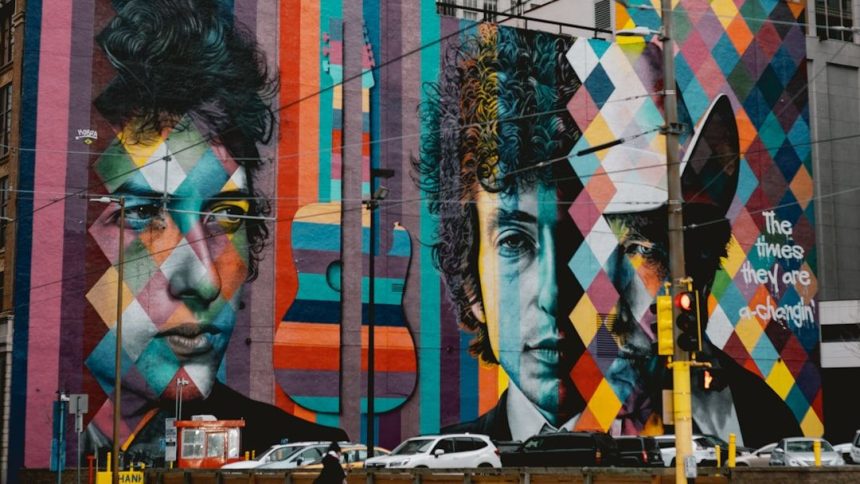
Music has always been more than entertainment. It’s a rallying cry, a shared heartbeat in moments when words alone fall short. Throughout history, certain songs have transcended their melodies to become powerful tools for change, shaping movements and challenging the status quo. From smoky jazz clubs to massive outdoor rallies, these eight tracks didn’t just make people listen. They made them move.
Strange Fruit by Billie Holiday

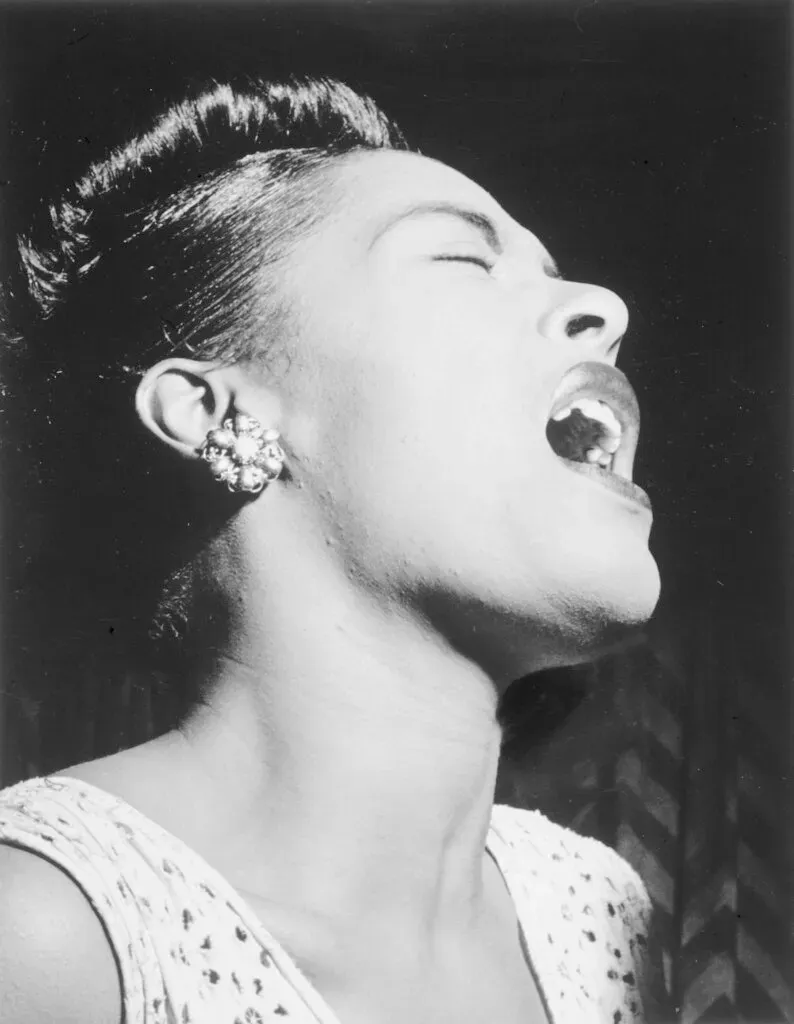
This 1939 recording stands as one of the first racism protest songs in popular music, and honestly, it’s hard to overstate its impact. Written by Abel Meeropol after witnessing a photograph of a lynching, the song graphically depicts lynched Black men hanging from trees. Holiday performed it at venues like Café Society in Greenwich Village, the first integrated nightclub in New York City.
The haunting imagery paired with Holiday’s achingly beautiful delivery created something that made listeners confront America’s brutal racial violence head-on. There’s a reason Time Magazine named it the single greatest song of the Century, calling it the highwater mark for courage. It forced uncomfortable conversations in spaces where they’d been avoided for far too long.
This Land Is Your Land by Woody Guthrie

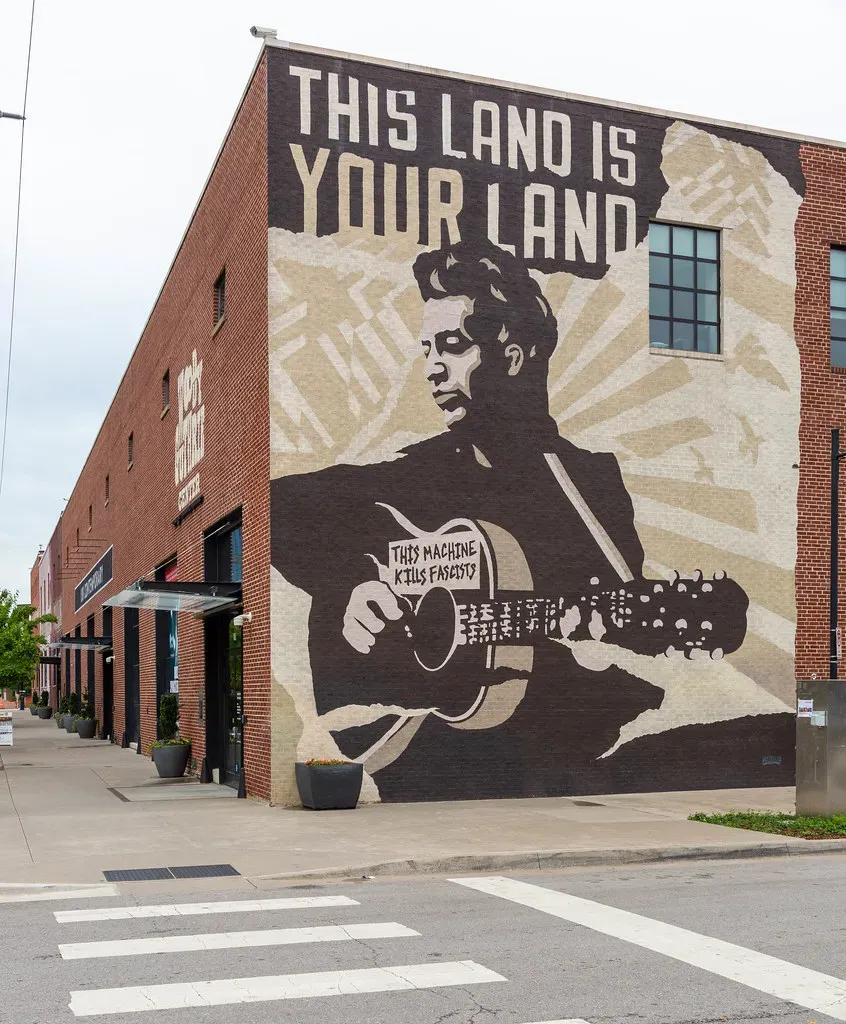
One of the most iconic songs in American lore, this track is actually such an important protest song for the verses that aren’t typically sung. Most people know the cheerful, patriotic-sounding refrain. They don’t know the lost verses that criticize wealth inequality and extremist capitalism.
Woody Guthrie casts a long shadow over political resistance in western music, writing and recording literally hundreds of songs confronting social issues during the Great Depression and World War II. His famous guitar bore a sticker reading “This Machine Kills Fascists,” which pretty much tells you everything about his approach. The song’s adoption at rallies, campfires, and schools across America shows how a seemingly simple folk tune can carry radical ideas into the mainstream.
Blowin’ in the Wind by Bob Dylan

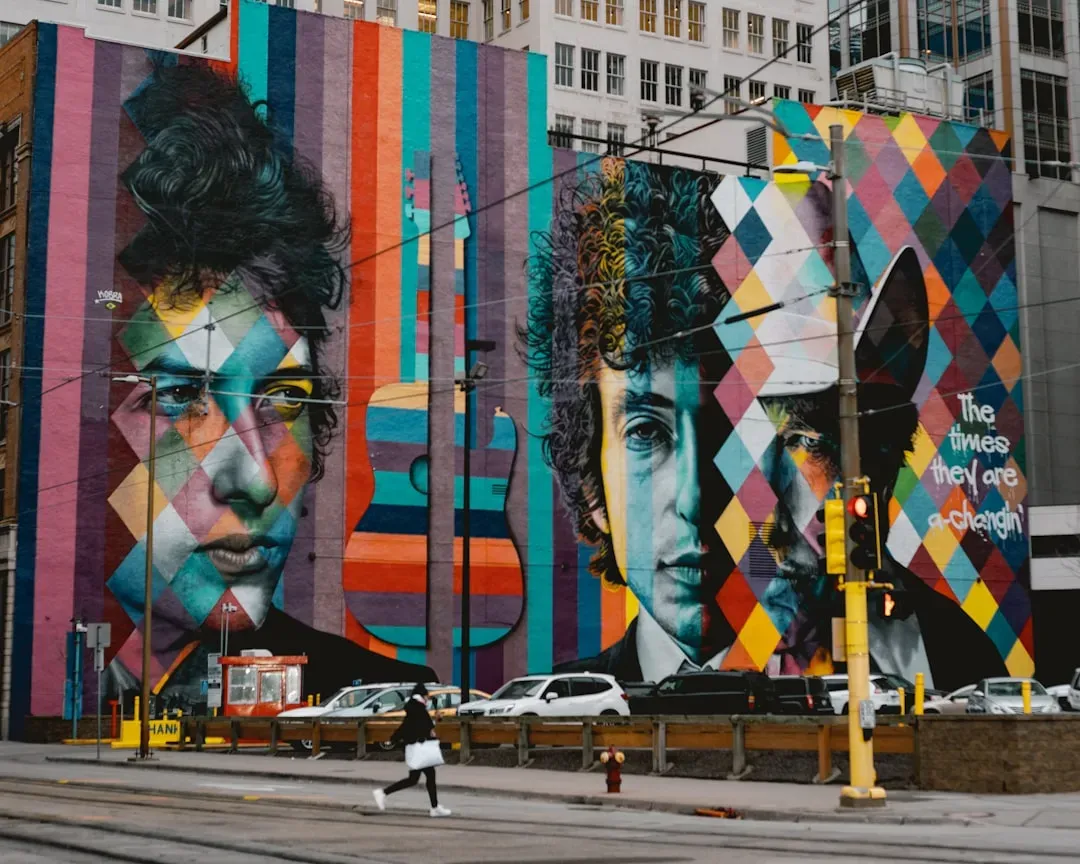
This 1963 masterpiece became the unofficial anthem of an entire generation. The searching ambiguity of “Blowin in the Wind,” the aching sentiment that simply wishes to know how much longer we must wait for peace, freedom, and equality, resonated immediately with Civil Rights marchers and the growing movement opposing the Vietnam War.
Dylan’s genius was in asking questions rather than providing answers. Made popular by Peter, Paul and Mary, their 1963 cover reached number two on the Billboard Hot 100. The song’s simplicity allowed everyone to find their own meaning in it, making it adaptable across different struggles and movements. Let’s be real, few songs have managed to stay this relevant for over six decades.
A Change Is Gonna Come by Sam Cooke

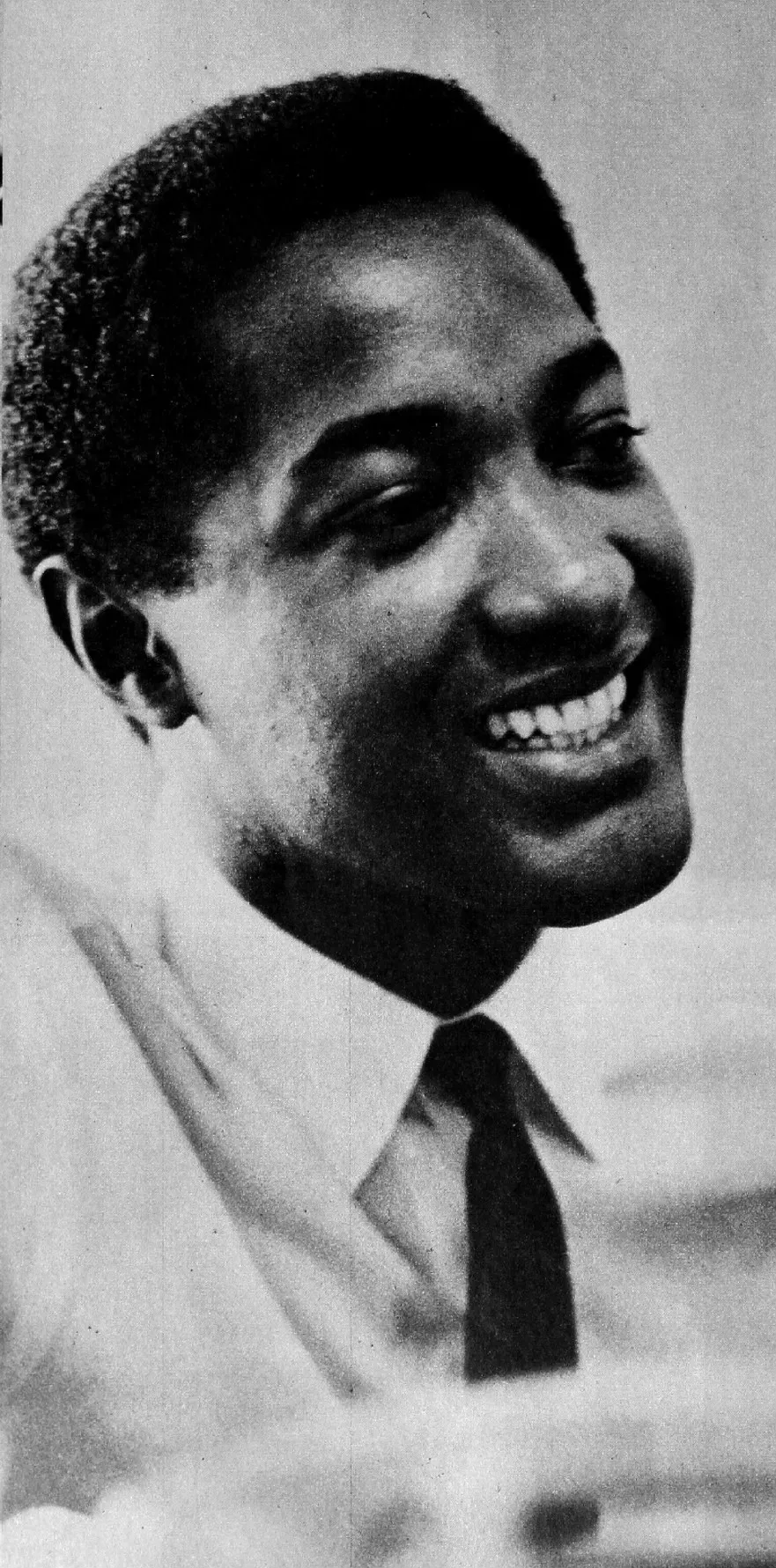
Written by Sam Cooke and inspired by multiple real-life discrimination incidents he experienced during the 1960s, this 1964 soul ballad became hope incarnate for the Civil Rights Movement. Cooke transformed his personal pain into something universal and profoundly moving.
The orchestral arrangement combined with Cooke’s pleading vocals created an emotional wallop that still hits hard. Rolling Stone magazine ranked it as the third Greatest Song of All Time, which feels appropriate given its enduring power. Where other protest songs were angry or defiant, this one was patient and hopeful, acknowledging suffering while believing in eventual justice.
Respect by Aretha Franklin

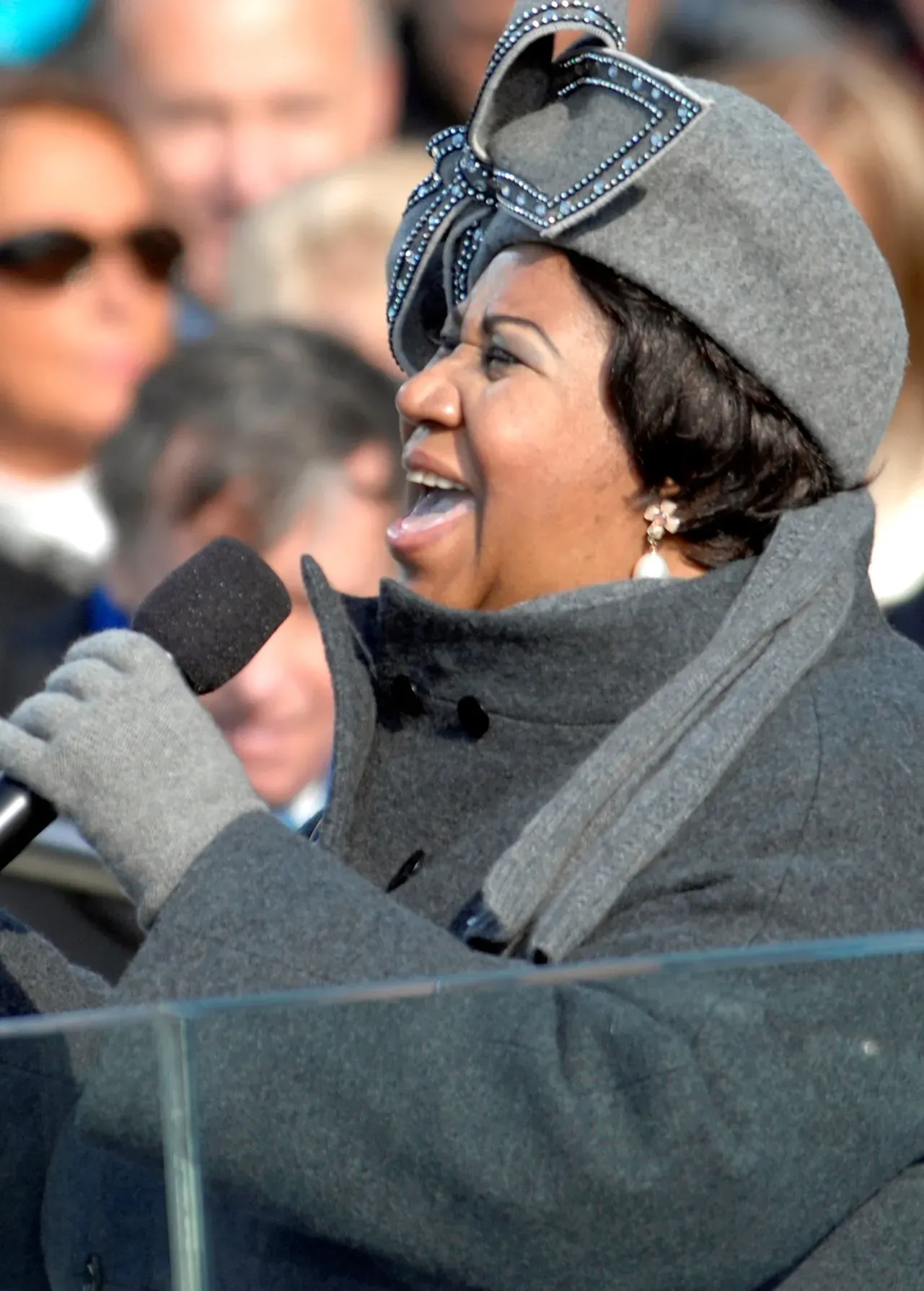
In his original 1965 version, Otis Redding delivered themes of love, sex, and deference with typical passion, but Aretha Franklin’s 1967 rendering turned it into a feminist anthem. She took a song about a man demanding respect from his woman and completely flipped the script.
Franklin’s version became so much more than a cover. She was demanding respect not just for herself, but for women everywhere, creating a rallying cry that echoed throughout the Civil Rights Movement and the women’s liberation movement. Those unforgettable spelling-out-loud moments and the “sock it to me” refrain gave people actual tools to express their demands. Sometimes the most powerful protest is simply saying: I deserve better, and I’m not asking anymore.
What’s Going On by Marvin Gaye

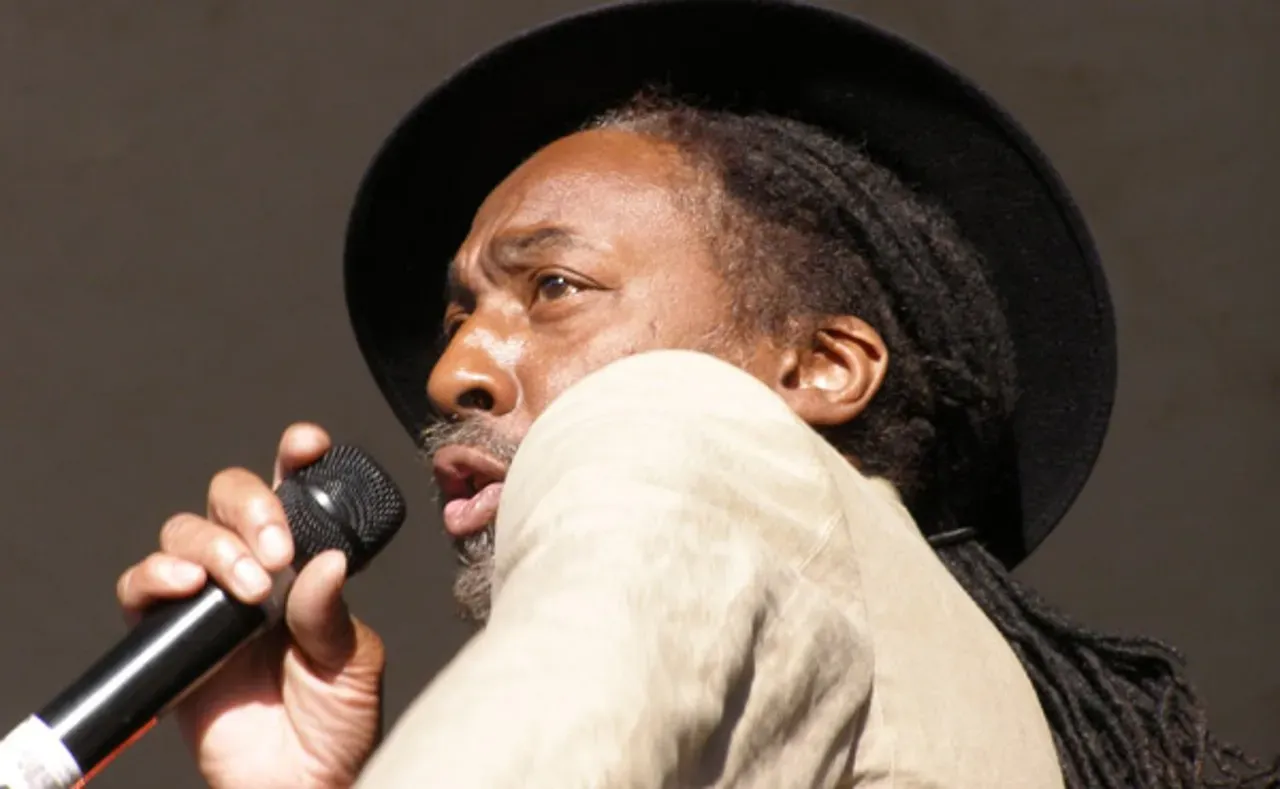
Marvin Gaye, who was not considered a particularly political figure at the time, recorded this seminal song in 1971, challenging police brutality and the escalation of the Vietnam War. The song’s origins weren’t peaceful; it was born after Four Tops member Ollie Benson witnessed police brutality against antiwar protesters in Berkeley.
What makes this track so special is its gentle approach to brutal subjects. Gaye’s smooth vocals and the lush production wrapped serious political commentary in something genuinely beautiful. It asked questions about society’s direction without preaching or condemning, making it easier for listeners who might otherwise tune out protest music to actually hear the message. The song proved you could be sophisticated and soulful while still being radical.
Fortunate Son by Creedence Clearwater Revival

Few political songs have been more misunderstood than John Fogerty’s Vietnam-era treatise, which pointed a finger at the class-centric nature of the draft system, calling out the senator’s sons who managed to avoid service. Released in 1969, it became the anthem for working-class kids who couldn’t dodge the war.
The irony is thick here. Fogerty was none too pleased when the song was later used at political rallies by Donald Trump and showed up in commercials, completely missing its anti-establishment message. The driving guitar riff and Fogerty’s raw vocals captured the anger of young men facing a war fought disproportionately by those without privilege. That chorus of “It ain’t me!” became a defiant rejection of unjust systems.
Fight the Power by Public Enemy
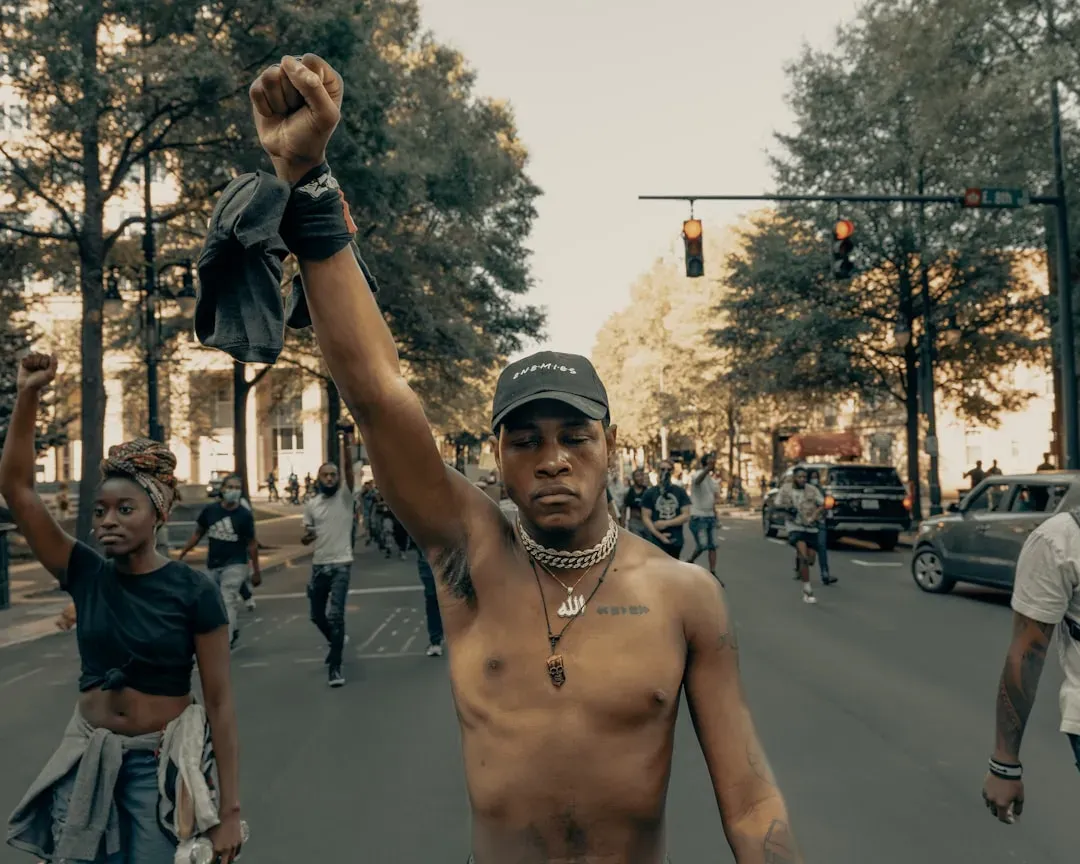
A subset of hip hop music, rap music, developed a protest element that aggressively denounced police violence, epitomized by recordings such as Public Enemy’s “Fight the Power” from 1989. This track brought protest music into the hip-hop era with unprecedented force and complexity.
Chuck D’s commanding delivery and the Bomb Squad’s dense, sample-heavy production created something that felt urgent and unapologetic. Hip-hop arguably remains the most politically engaged music of our current era, and this song helped establish that tradition. It didn’t ask nicely for change or hope things would get better eventually. It demanded action, called out specific injustices, and refused to soften its message for mainstream comfort.
The track proved that protest music could evolve beyond folk guitars and earnest ballads. It showed that anger, when channeled into art, could be just as powerful as any spiritual or anthem. These eight songs represent different eras, genres, and struggles, yet they share something fundamental: the belief that music can challenge power and inspire people to demand better. Which of these tracks speaks to you most powerfully?