
Watching 90s television today is a strange experience. Some of it holds up beautifully. A lot of it does not. The television landscape of the 1990s was characterized by a push for edgy content and experimental formats that redefined entertainment for a generation, and many sitcoms and reality programs from the era utilized humor and storylines that reflected the social norms of the time.
Shifting cultural values and increased awareness regarding representation have changed how audiences perceive this vintage content, and shows that once dominated the ratings now face scrutiny for themes that might be considered insensitive or inappropriate by modern standards. What follows is a look at eight titles that were products of their moment – beloved, successful, and genuinely reflective of what audiences accepted then – but that simply wouldn’t make it past a pitch meeting today.
Friends (1994–2004): The Diversity Problem

Although people may still watch Friends today, it would be nearly impossible to make it now. The show, following six adult friends in New York City, lacked diversity and portrayed an unrealistic look at what living in New York City is like for the average person. It was also, at peak popularity, one of the most-watched shows on American television – which only makes its blind spots harder to overlook in retrospect.
There is blatant transphobia in the handling of Chandler’s father, and a long-running gag in the series involves the gang constantly fat-shaming Monica for being bigger when she was younger, teasing that would be condemned by modern audiences. There are also consistent jokes about Monica’s former weight, the misgendering of Chandler’s transgender parent, and Ross’s many problematic partners and sexual interests, including one of his students and his own cousin.
Seinfeld (1989–1998): Funny Then, Uncomfortable Now
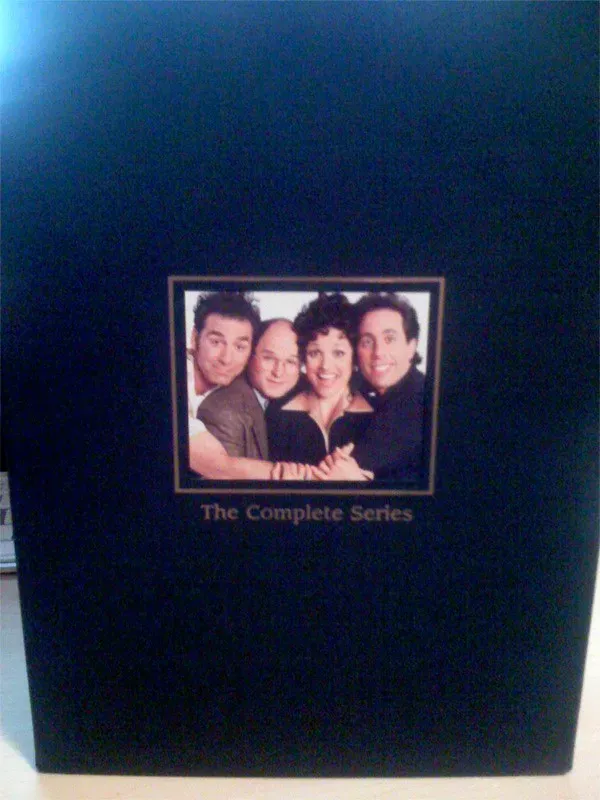
Seinfeld is a show that feels very current today in many aspects. A sitcom that revolves around a group of friends who remain single until their 30s and spend their time basically doing nothing is very much up to date with today’s standards. However, while Seinfeld provided a whole new format for the sitcom genre, it is impossible to ignore that this controversial show has aged poorly.
Its many misogynistic and racist jokes would definitely not fly today. In fact, one of Seinfeld’s episodes, “The Puerto Rican Day,” was banned from syndication precisely for this reason. That episode shows images of one of the main characters, Kramer, accidentally setting the Puerto Rican flag on fire and then stomping on it in the middle of the street during a parade celebrating Puerto Rican heritage. It is, by any modern measure, startling television.
Married… With Children (1987–1997): Al Bundy’s World

Known for being one of the first sitcoms featuring a more raunchy tone, the show was riddled with controversy while also being considered one of the best sitcoms of the time. Set in Chicago and following the comically dysfunctional Bundy family, the series followed their misadventures that would often directly subvert the more family-friendly tropes of the time.
Being dissimilar to much of the sitcom fare of the era, the show was frequently met with controversy. A woman named Terry Rakolta even campaigned to boycott the show and successfully got a number of advertisers, including McDonald’s, to pull their ads from Fox. In particular, the show was criticized for its oftentimes misogynistic writing and treatment of its female characters, and some audience members found Al Bundy to be more cruel and bitter than he was funny.
Home Improvement (1991–1999): Sexism Built In

The legacy of Home Improvement has faded and grown darker with time, and most younger audiences aren’t familiar with the show. Part of this is because of the offensive jokes and the central relationship between Tim and Jill, where Jill ends up as the butt of Tim’s jokes and is left to do the brunt of the work caring for their three sons.
Partner offer
The “Tool Time” segment of each episode featured young women who were blatantly objectified by the characters and series. Additionally, there was significant controversy when the show ended because it was reportedly canceled when Patricia Richardson demanded equal pay with Tim Allen, and Disney refused. That behind-the-scenes story, if it happened today, would almost certainly dominate the cultural conversation for weeks.
The Ren and Stimpy Show (1991–1995): A Cartoon With a Dark Creator

Debuting in 1991, the series was wild, violent, edgy, and a little sick. Ren was caustic and wrathful, while the dimwitted Stimpy coughed up hairballs and had conversations with farts and boogers. At the time, it was edgy and unforgettable, but in hindsight, its humor sat closer to Adult Swim fare than Saturday morning cartoons. The combination of crude body gags and surreal horror would never survive modern standards for children’s television.
Robyn Byrd and Katie Rice were teenage Ren and Stimpy fans who wanted to make cartoons, and they say they were preyed upon by the creator of the show, John Kricfalusi, who admitted to having had a 16-year-old girlfriend when approached by BuzzFeed News. The statute of limitations had expired on Kricfalusi’s crimes, so he was never arrested, but he stepped out of the public eye ever since. The show was once gearing up to be rebooted without any of Kricfalusi’s input, though that reboot has yet to happen.
Saved by the Bell (1989–1993): A Very Cheesy Slice of High School

This high school sitcom was the perfect portrayal of 90s culture. The hair, clothes, and sets were flashy and colorful showing you what style was like in the 1990s. The series followed a group of high school friends and their daily hijinks. It was appointment television for a generation of kids, and it was also packed with premises that read as quite different today.
Many of the premises are questionable and the show was very cheesy at times. Current audiences definitely want a more realistic view of high school life in the modern day. The relationship dynamics throughout the series, particularly the way female characters were written and treated, would draw immediate criticism in a contemporary context. The show got a reboot in 2020, and its very different tone said plenty about how much expectations had shifted.
Johnny Bravo (1997–2004): The Pickup Artist as Cartoon Hero
Johnny Bravo was a caricature of Elvis mixed with a self-absorbed bodybuilder. The entire premise revolved around his constant attempts to pick up women, all of which ended in rejection or humiliation. At the time, he was seen as a punchline, but today, the setup would be considered far too problematic.
Modern audiences are far more sensitive to the implications of normalizing harassment, even in satirical form. The “buffoon as pickup artist” premise reads very differently in the 2020s, when toxic masculinity is scrutinized more openly. Ironically, the show was always a critique of that behavior, never a celebration. However, network executives wouldn’t greenlight such a premise today, no matter how subversive.
Baywatch (1989–2001): Style Over Everything

Like many shows of the decade, Baywatch was extremely formulaic and predictable, and it wasn’t afraid to venture into cheesy territory with its episodes. Though it captivated viewers everywhere in the 90s, it’s hard to imagine Baywatch having the same effect on modern audiences. The show ran for more than a decade and was, at one point, reportedly the most-watched television program in the world.
Its entire visual identity was built around the objectification of its cast, with storylines frequently secondary to slow-motion beach sequences. The 90s had its share of questionable pitches, egregiously low-budget productions, and just outdated concepts that wouldn’t fly with modern audiences. Exploitative reality shows and dark satire have fallen out of favor, whether with audiences with different sensibilities or studios who went in a different direction. Baywatch represented the peak of an era where style and surface-level spectacle could sustain a show for years without much narrative substance underneath.
Partner offer
Planning a trip to Vegas?
Compare hotel rates and show tickets on VEGAS.com.