Living costs around the world have shifted dramatically in recent years. Inflation, currency fluctuations, and housing market pressures have all contributed to making some cities eye-wateringly expensive while others are quietly becoming more accessible. You might be surprised to learn that the global rankings have shifted considerably between 2023 and 2025, with some traditionally pricey locations seeing relief while others have climbed even higher.
Let’s be real, the notion of an affordable major city seems almost laughable these days. Yet, the data tells a more nuanced story than you might expect.
Hong Kong: The Persistent Heavyweight Champion


Hong Kong continues to hold the top position as the world’s most expensive city for international workers according to Mercer’s 2024 ranking. This isn’t particularly shocking if you’ve ever visited or lived there. The median home costs more than fourteen times the median household income, which creates a genuine affordability crisis for residents.
Hong Kong leads Eastern Asia with a cost of living index score of 74, and its rent index of 56 far exceeds even Tokyo’s 28.4. Housing remains brutally expensive, especially on Hong Kong Island where high-rise living is the norm. However, it’s worth noting that areas like the New Territories offer more space and better value, though you’ll trade central location for it.
Singapore: Southeast Asia’s Financial Powerhouse

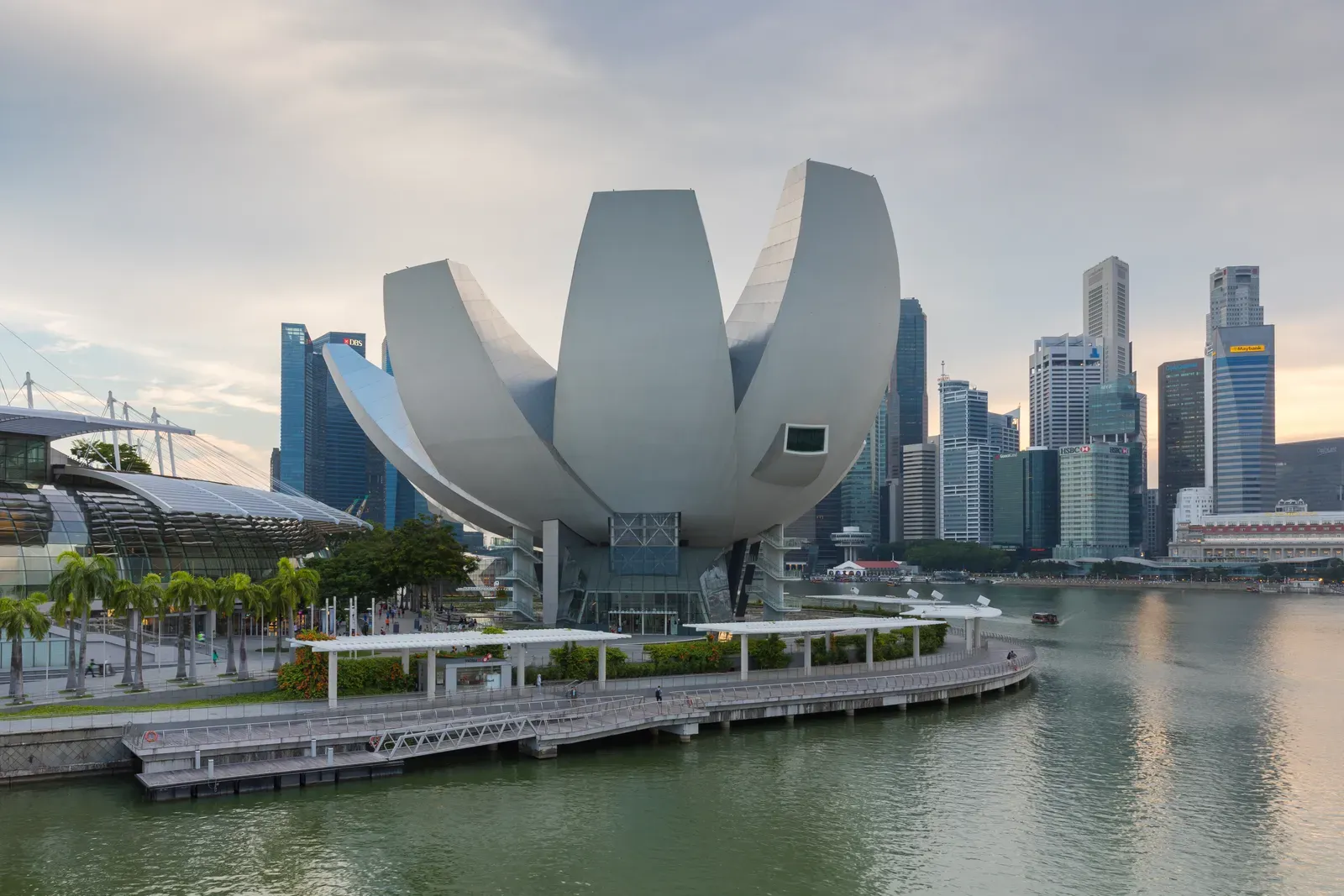
Singapore occupies second place globally, maintaining its position from previous years as one of Southeast Asia’s most expensive cities. The city-state’s reputation for high living costs is well-deserved. Rent is particularly steep, with one-bedroom apartments ranging from $2,500 to $3,500 per month.
What makes Singapore especially pricey is the combination of high housing costs, expensive alcohol, and premium dining. Overall cost of living is currently about 13% cheaper than New York, but that’s still quite expensive by global standards. The food culture is exceptional, though, and if you’re willing to explore local hawker centers rather than upscale restaurants, you can find reasonable value.
Zurich and Geneva: Swiss Precision Pricing

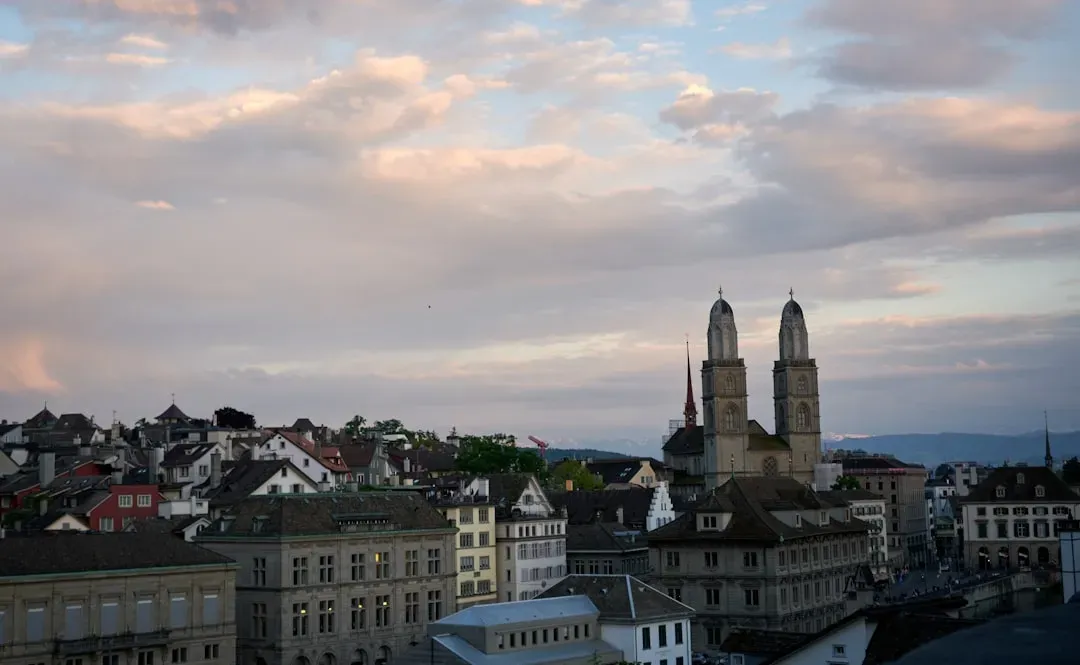
Switzerland dominates the expensive city rankings in a way that’s almost comical. Four Swiss cities appear in the top ten most expensive globally, with Zurich ranking third and Geneva fourth, followed by Basel and Bern. Geneva remains the world’s most expensive city for expats in 2025 according to some rankings, with the Swiss franc strengthening approximately 5% against the US dollar.
Geneva’s apartment prices reached nearly 15,650 euros per square meter in early 2024, about 2,000 euros higher than Zurich. The strength of the Swiss franc contributes significantly to these eye-watering costs, making everything from groceries to transportation exceptionally expensive for anyone earning in other currencies.
New York City: America’s Costliest Metropolis


New York City ranks seventh globally and remains North America’s most expensive city. The cost of living in Manhattan is 61.2% higher than the national average, which creates genuine hardship for middle-income residents. Rent remains the primary driver, with housing costs consuming a massive portion of income.
Interestingly, New York dropped from its first place position in 2022, suggesting some relative improvement compared to other global cities. Still, Manhattan remains the most unaffordable US city, with Brooklyn and Queens also ranking in the top ten. The city’s appeal as a global financial and cultural hub keeps demand sky-high despite the costs.
London: Rising Rents and Brexit Effects

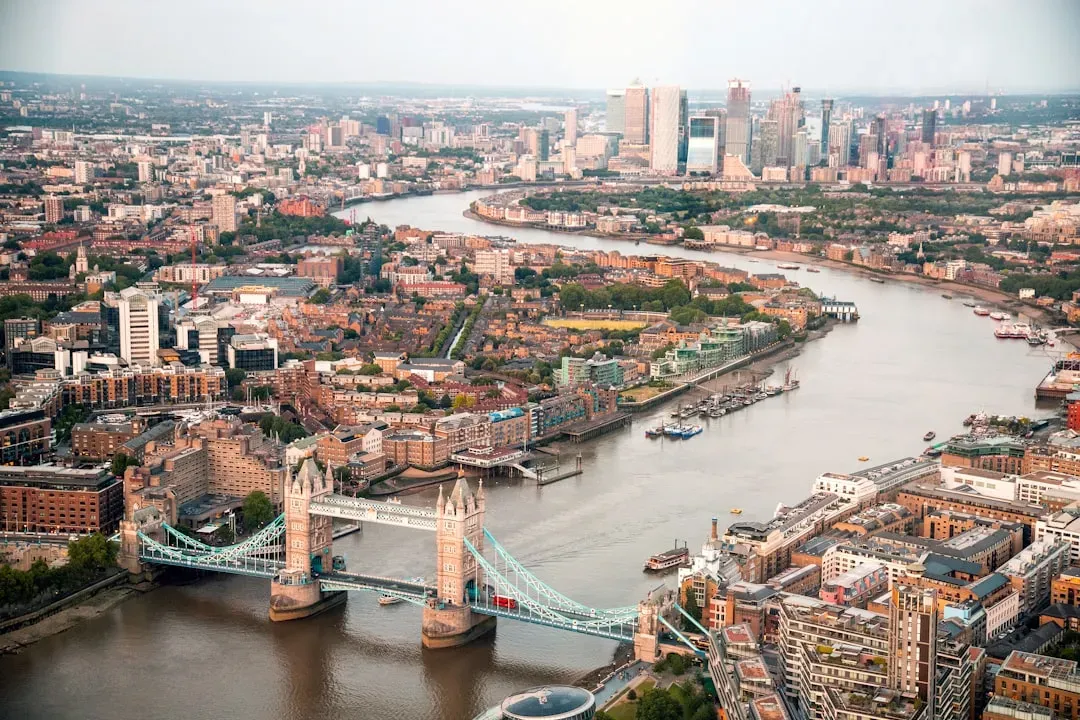
London holds eighth place globally in the most expensive cities ranking. London has risen two places compared to the previous year, with the very high cost of rent in the British capital partly explaining this ranking. London rents increased by an average of 4% between 2023 and 2024.
The city’s position is particularly interesting given Brexit-related economic uncertainties. Despite these challenges, London remains a magnet for international talent and investment, keeping housing demand stubbornly high. The appeal of world-class culture, education, and business opportunities seems to outweigh the financial pain for many residents.
Los Angeles: California Dreaming at a Premium

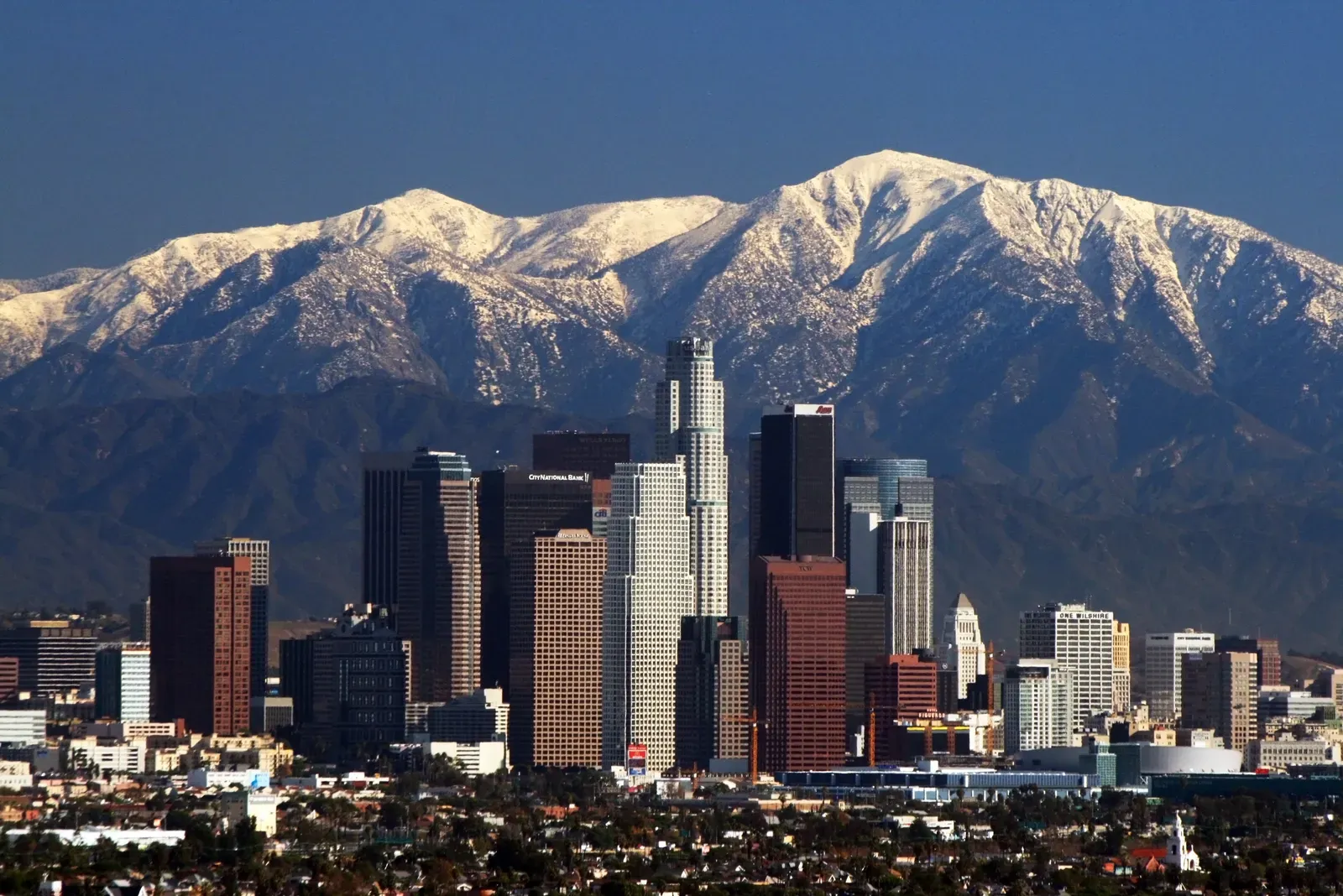
Los Angeles ranks tenth globally among the most expensive cities. The “City of Angels” is one of three US cities in the top ten. According to Numbeo’s index, Los Angeles has become much more expensive recently.
California’s housing crisis has been well-documented, with restrictive zoning laws and limited supply pushing prices skyward. The sprawling nature of LA also means transportation costs add up quickly, as car ownership becomes essentially mandatory for most residents. Climate and lifestyle appeal continue to attract newcomers despite the hefty price tag.
San Francisco: Tech Money Meets Limited Space


The cost of living in San Francisco is 43.8% higher than the national average. The Bay Area has long been notorious for astronomical housing costs driven by the tech industry’s concentration and geographic constraints. The median housing payment in the Bay Area is around $2,800, yet despite having the highest housing payments, high local incomes placed San Francisco among the top 20 most affordable cities for housing.
This creates an interesting paradox. If you’re fortunate enough to work in tech with a six-figure salary, San Francisco becomes relatively manageable. For everyone else, it’s brutally expensive. The wealth disparity creates visible tensions and ongoing debates about gentrification and displacement.
Paris: Romance with a High Price Tag


Paris ranks seventh as the most expensive city globally according to the Economist Intelligence Unit’s 2023 index. The French capital combines high housing costs with expensive dining and entertainment. What makes Paris particularly challenging is that wages haven’t kept pace with living costs for many professions, creating genuine affordability problems for middle-class residents.
The city’s enduring appeal as a cultural and tourist destination keeps demand high. Honestly, the combination of limited housing supply in central arrondissements and global demand for Parisian property seems unlikely to change anytime soon.
Copenhagen: Scandinavian Standards, Scandinavian Prices
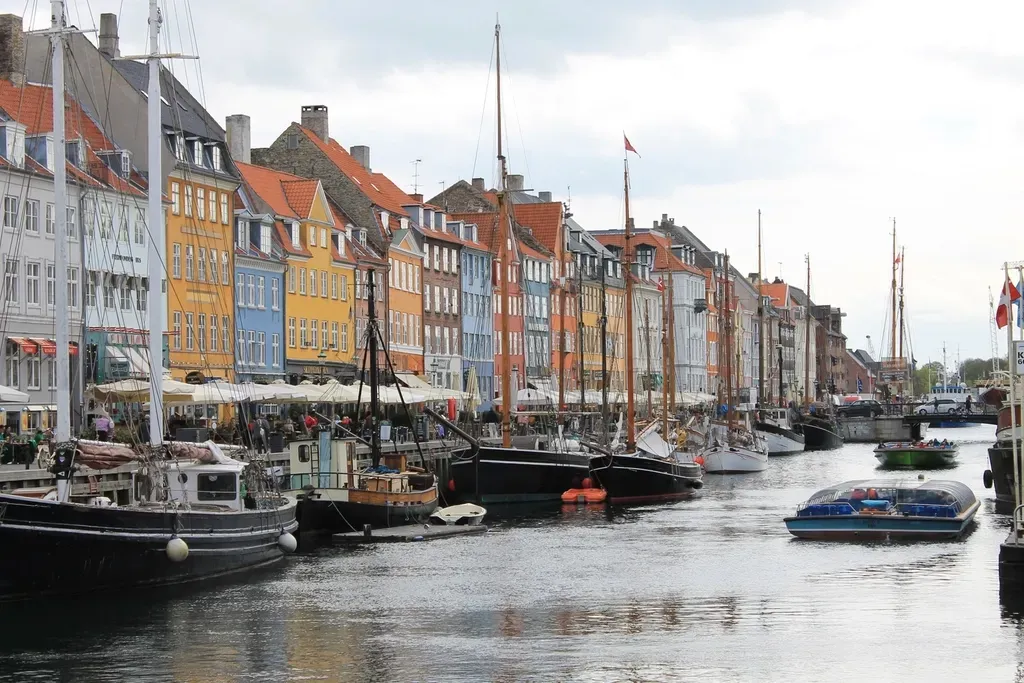
Copenhagen tied with Tel Aviv at eighth place globally. Denmark’s capital exemplifies the high-cost, high-quality-of-life model that characterizes much of Scandinavia. While expenses are steep, residents generally receive excellent public services, healthcare, and social support in return.
The city’s commitment to sustainability, cycling infrastructure, and urban livability attracts residents willing to pay a premium for quality of life. The question becomes whether you value those amenities enough to justify the expense.
Looking Ahead: What the Trends Tell Us


The average cost of living rose by 7.4% in 2023, slightly lower than the 8.1% jump recorded in 2022, though numbers remain significantly higher than historic trends. In 2024, average price rises across indices of goods and services eased to four percent in USD, compared to six percent in 2023. This suggests inflation is moderating, though costs remain elevated.
As of June 2025, the national median home sale price reached nearly $374,000, more than double its 2012 low, and although price growth has slowed since the pandemic-era surge, it has done little to improve affordability for most buyers. The fundamental challenge remains supply and demand imbalances in desirable cities. Without significant increases in housing construction and creative policy solutions, affordability will likely remain strained in major urban centers.
What’s your take on whether these expensive cities are worth the premium? Would you sacrifice affordability for opportunity and amenities, or seek value in emerging locations?