People may find fictional villains surprisingly likeable when they share similarities with the viewer or reader, according to research published in Psychological Science. Movie villains have fascinated audiences for generations, often stealing scenes from heroes and dominating our cultural conversations. Research from the University of Michigan found that no matter how flawed, power-hungry, or selfish movie villains are, most of us are still drawn to their dark side, believing they must have some kind of redeeming quality. Let’s be real, there’s something about a truly captivating villain that sticks with us long after the credits roll. The best ones challenge us, frighten us, and sometimes even make us question our own values.
Heath Ledger’s Joker – The Dark Knight
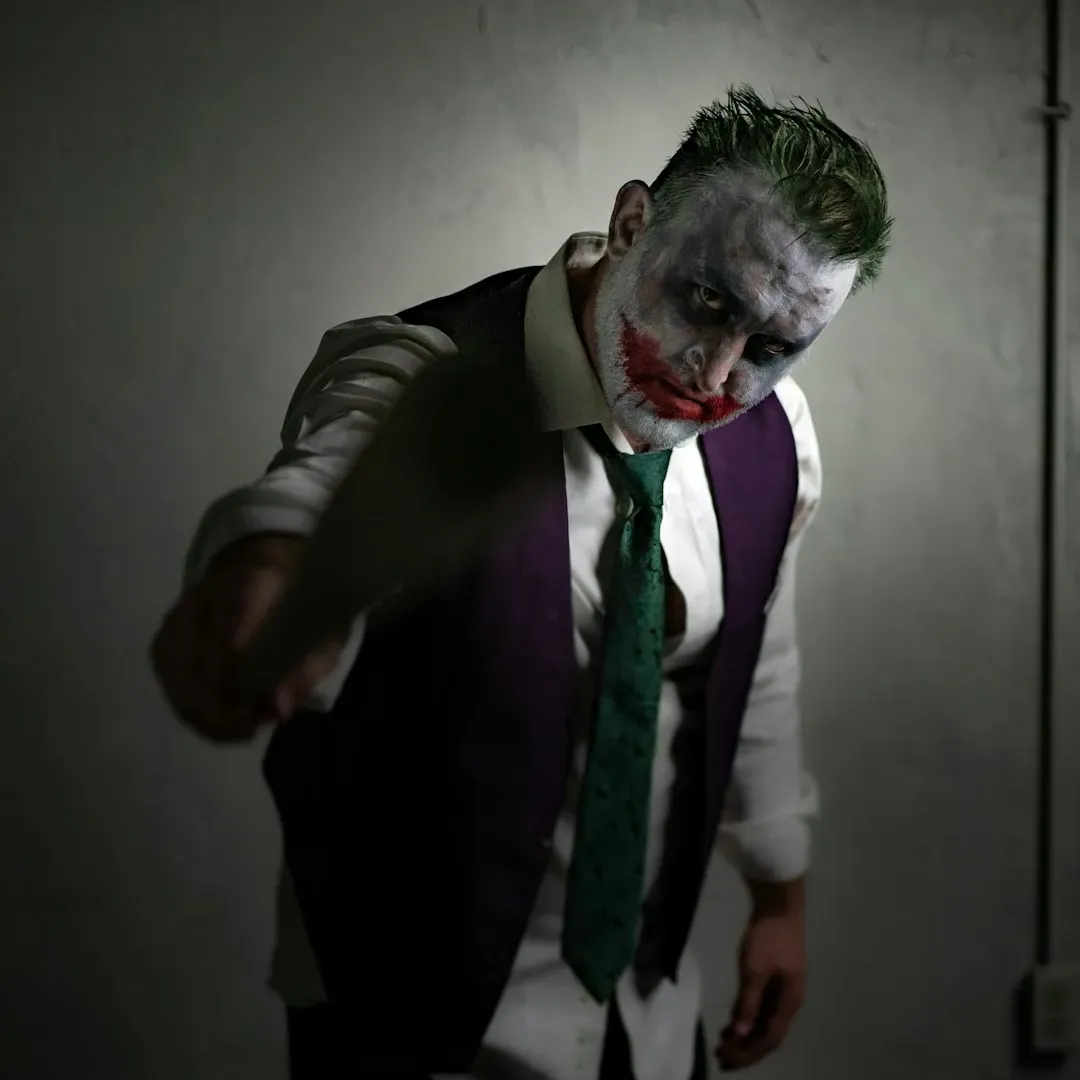
When the film was released in July 2008, six months after Ledger died from an accidental prescription drug overdose, his performance as the Joker received widespread acclaim and earned numerous posthumous accolades, including the Academy Award for Best Supporting Actor. What made this particular portrayal so chilling was Ledger’s complete transformation into pure chaos. Appearing in only 33 minutes of The Dark Knight’s epic 152-minute length, the average span of a Hollywood spectacle passes without the Joker on screen, yet his presence dominated every frame of Christopher Nolan’s masterpiece. David Denby of The New Yorker praised Ledger’s “sinister and frightening” performance, which he says is the film’s one element of success. Ledger created something that went beyond typical villainy. He embodied anarchy itself, constantly licking his scars and delivering unsettling monologues that made audiences genuinely uncomfortable in their seats.
Darth Vader – Star Wars Franchise
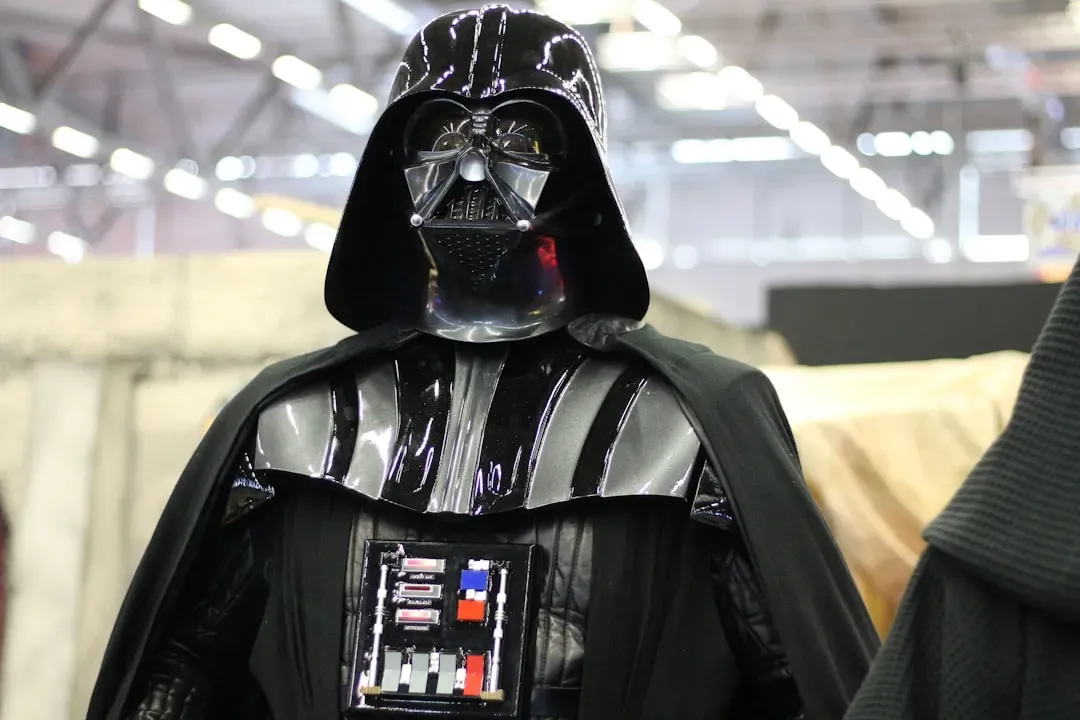
The imposing figure in black armor changed cinema forever. Darth Vader has become an iconic villain, while characters such as Luke Skywalker, Han Solo, Princess Leia, Chewbacca, C-3PO and R2-D2 have all become widely recognized characters around the world. Over 40 years, Star Wars films have raked in over $10 billion at the box office worldwide, and much of that success stems from Vader’s unforgettable presence. His mechanical breathing, his ruthless enforcement of Imperial rule, and that shocking revelation about Luke’s parentage created one of cinema’s most complex antagonists. Darth Vader has had a profound impact on popular culture since his introduction in 1977. He is one of the most recognizable villains in cinema history, and his influence extends beyond the Star Wars franchise.
Hannibal Lecter – The Silence of the Lambs
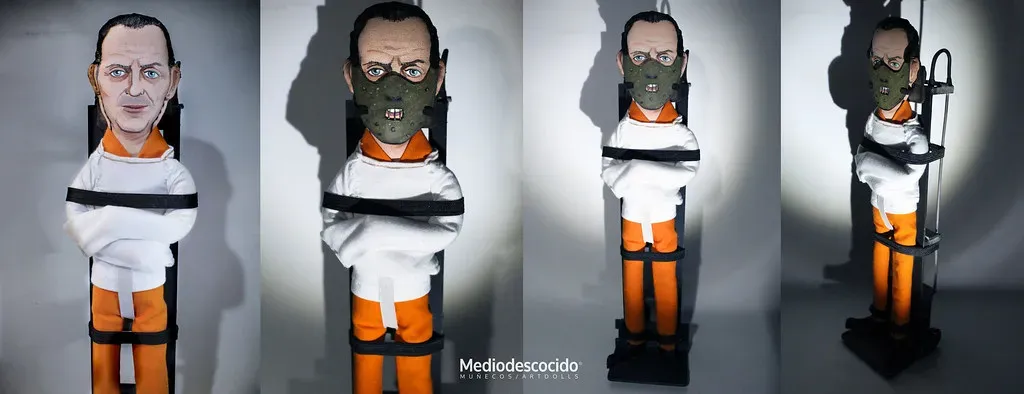
Hannibal Lecter is one of the most compelling antagonists despite being behind bars most of the film. Anthony Hopkins created a character who terrified audiences without needing elaborate action sequences or special effects. Part of this character’s “charm” is his ability to understand Clarice Starling’s fear and exploit it. He’s a psychological villain for the majority of the film (until his escape, where the audience truly sees how depraved he can be.) Hopkins delivered a masterclass in restraint, using quiet intensity and calculated manipulation to create one of cinema’s most disturbing figures. His cultured demeanor mixed with cannibalistic tendencies made audiences question the nature of evil itself.
Anton Chigurh – No Country for Old Men
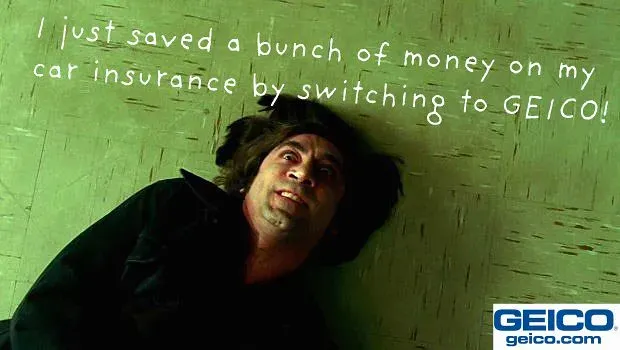
Javier Bardem’s portrayal of Anton Chigurh brought a new level of cold, calculated menace to cinema. With his bizarre bowl haircut and cattle gun, Chigurh operated by his own twisted moral code. From No Country For Old Men, Anton Chigurh is effective as an antagonist because of his ability to instill fear through philosophical conversations about fate and chance. There’s no reasoning with him, no appealing to his humanity. He flipped a coin to decide people’s fates, turning murder into a game of probability that left audiences deeply unsettled.
The Joker – Various Interpretations Pre-Dark Knight
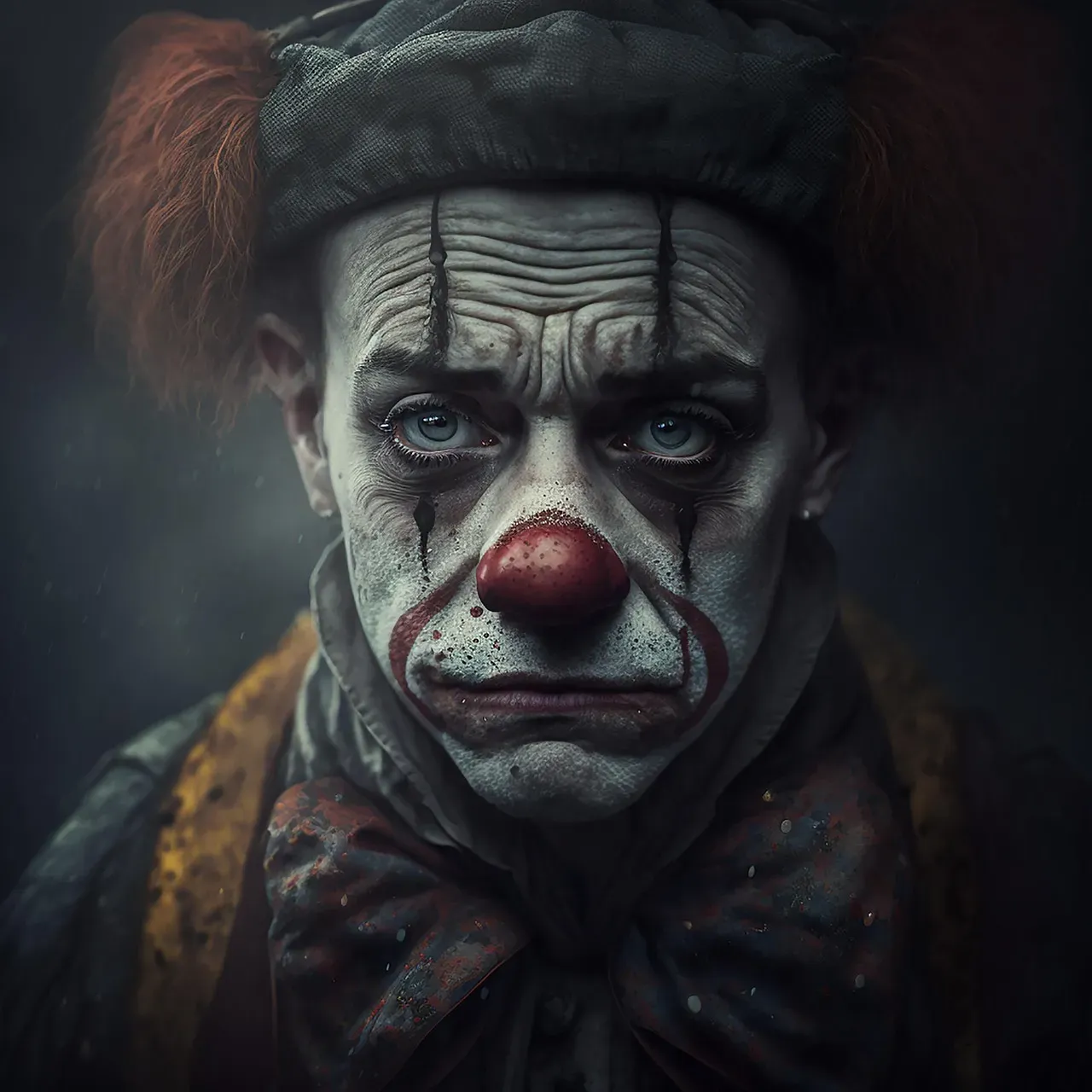
Long before Heath Ledger redefined the character, the Joker had already established himself as Batman’s greatest nemesis. The clown prince of crime made his first appearance in 1940 in Batman #1 and while he was originally supposed to die, the character has since gone on to become Batman’s arch nemesis and has been featured in every major adaptation against the caped crusader. Jack Nicholson’s 1989 interpretation brought theatricality and dark humor to the role, creating a villain who was simultaneously menacing and entertaining. The character’s enduring popularity across decades speaks to something primal in audiences. We’re drawn to the chaos he represents.
Norman Bates – Psycho
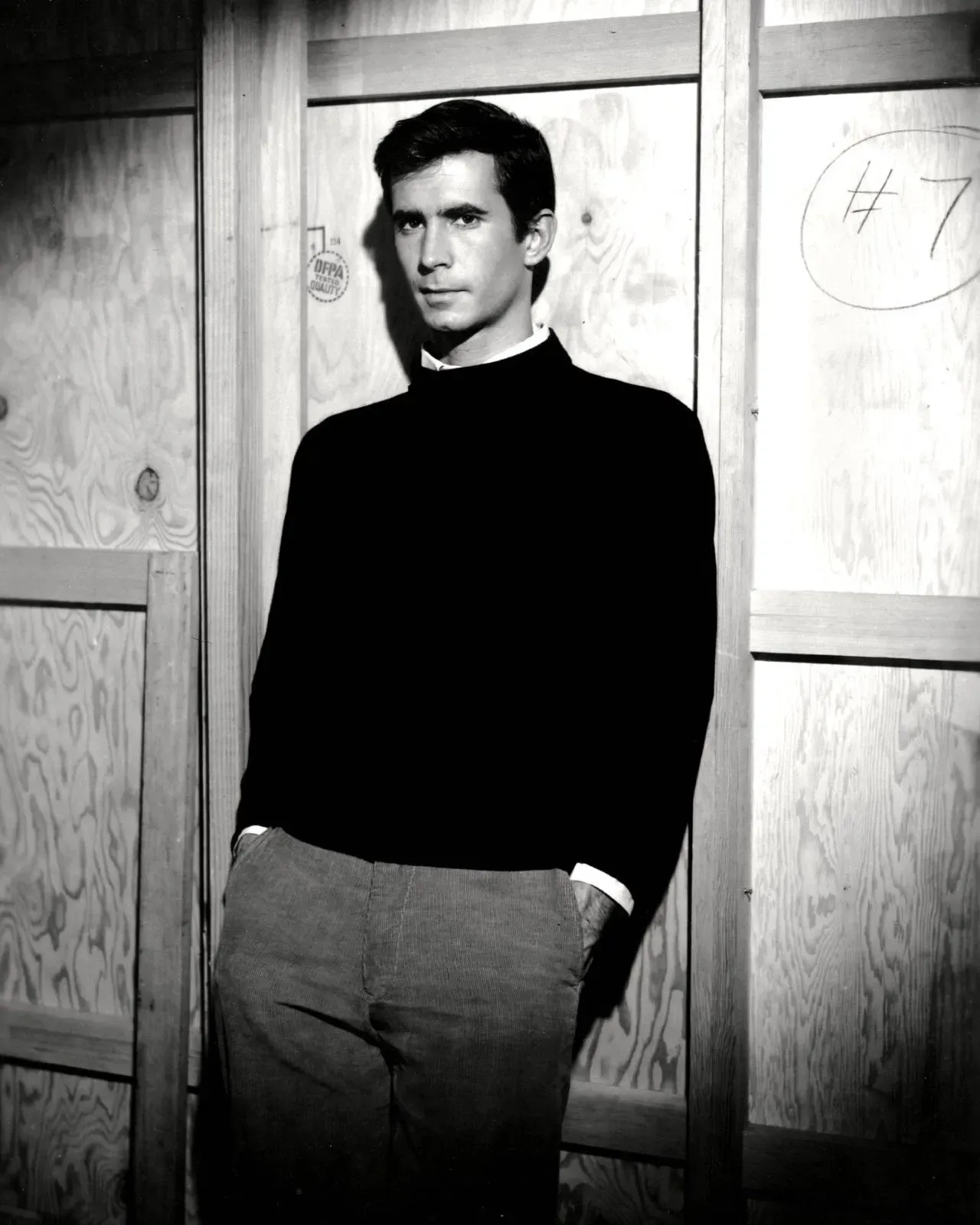
Norman Bates (played by Anthony Perkins) is an unassuming, if slightly off-putting motel manager whose mother is a little too comfortable staying inside their home that looms over everything. While Psycho has problematic readings regarding gender identity and transphobia, Bates remains a striking figure whose ghastly secrets and troubled psychology have left indelible scars on the horror genre. Alfred Hitchcock’s 1960 masterpiece introduced audiences to psychological horror in ways they’d never experienced. The infamous shower scene became cultural shorthand for terror, but it was Perkins’ performance that truly haunted viewers. His portrayal of fractured identity and maternal obsession created a template for disturbed characters that filmmakers still reference today.
Feyd-Rautha Harkonnen – Dune Part Two
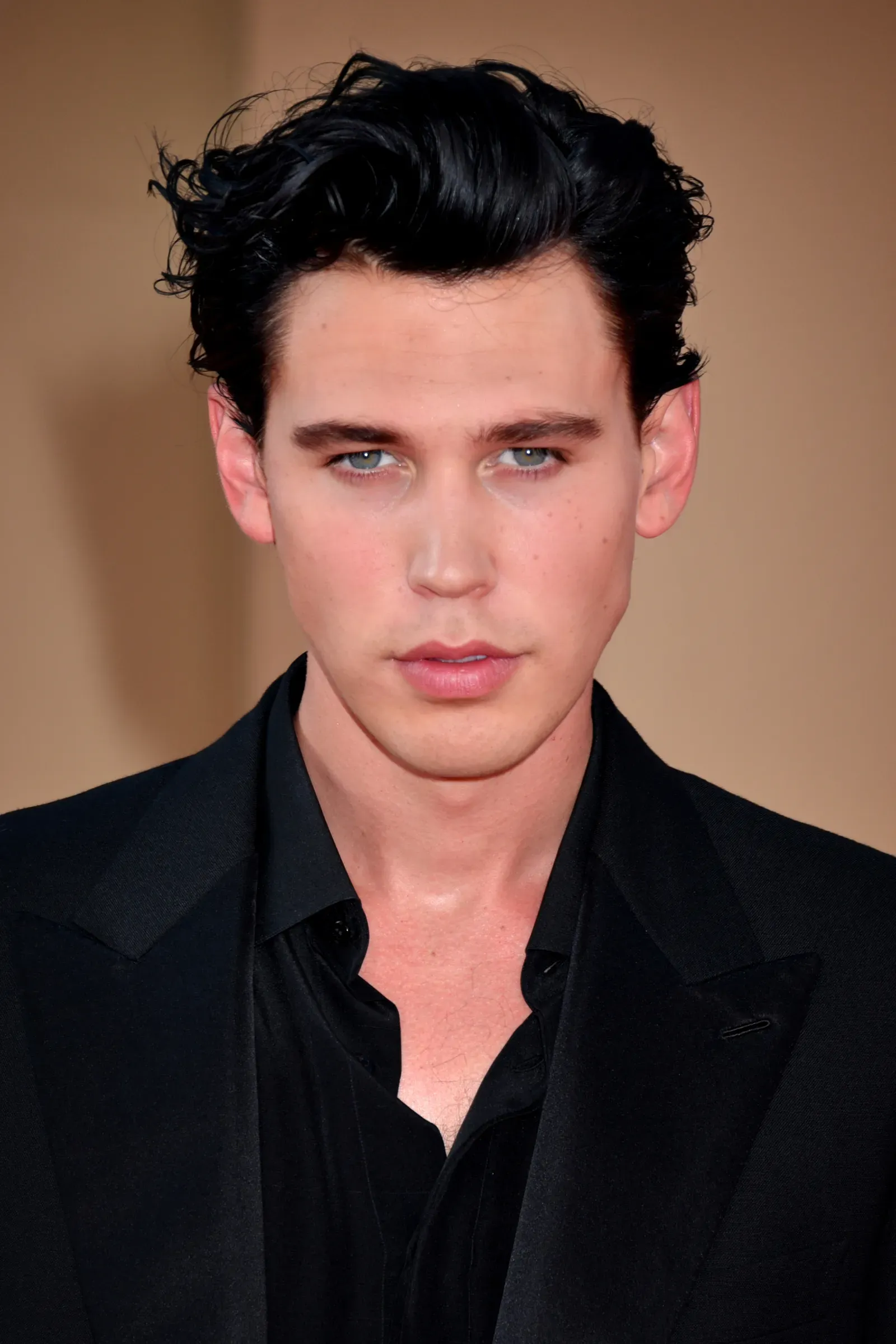
In Austin Butler’s Feyd-Rautha Harkonnen, the film found the perfect charismatic, brutal, ambitious, and inscrutable villain. Equally adept at plotting and hand-to-hand combat, Feyd-Rautha proved an excellent foil to the film’s heroes. He announces his arrival in a beautifully shot, brutal sequence that confirms to the audience that he won’t be a villain easily disregarded. Denis Villeneuve’s 2024 adaptation brought this character to life with visceral intensity. Part 2’s villain is the personification of vicious conquest, resulting in a terrifying antagonist. Butler’s unsettling grin and physicality made Feyd-Rautha one of the most memorable recent additions to cinema’s villain pantheon.
Scar – The Lion King
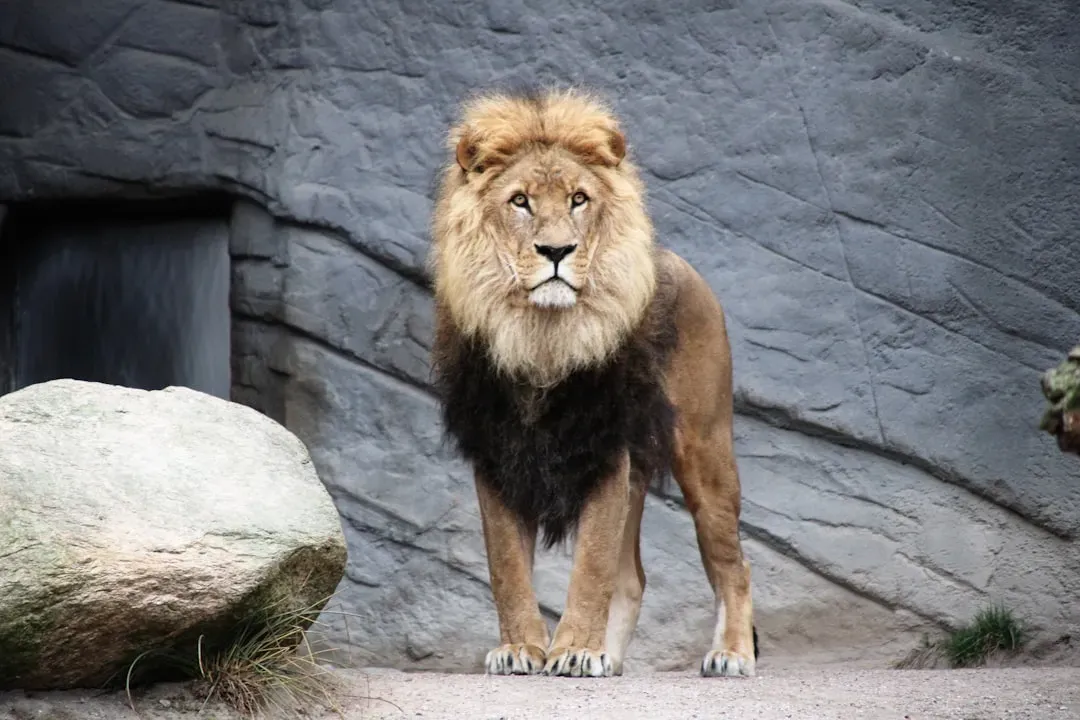
Seeking the throne of Pride Rock is Scar, the jealous (and low-key flamboyant) brother of Mufasa who orchestrates the king’s death and dispatches his hyena henchmen to kill Mufasa’s son and heir Simba. Portrayed by the stirring Jeremy Irons, Scar steals the show with his powerful villain anthem “Be Prepared”. Animated villains often get overlooked when discussing cinema’s greatest antagonists, which is honestly a mistake. Scar combined Shakespearean tragedy with genuine menace, creating a character that traumatized generations of children while entertaining adults. His bitter resentment and willingness to murder his own brother for power made him feel disturbingly human despite being a cartoon lion.
The High Evolutionary – Guardians of the Galaxy Vol. 3
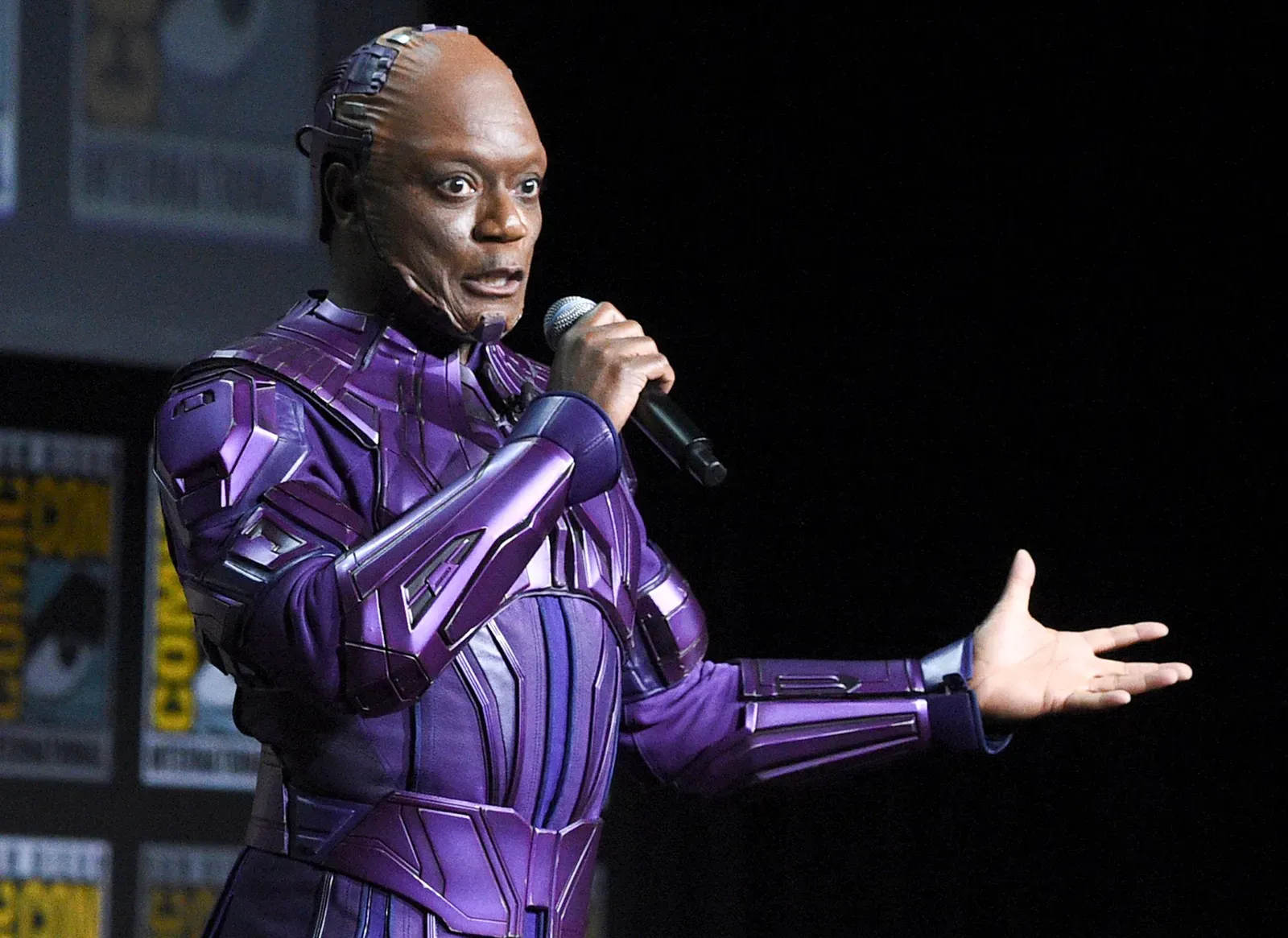
With God-like powers, complete amorality, and a prideful, egomaniacal desire for control, the High Evolutionary was one of the most commanding villains of 2023 and the best antagonist the MCU has seen since Thanos. Chukwudi Iwuji’s portrayal brought a terrifying edge to the Marvel Cinematic Universe, which had been criticized for weak villains. His obsession with creating the perfect society through horrific experimentation on sentient beings struck an emotional chord. A rather straightforward takedown of the science industry’s use of animals for experiments, Guardians of the Galaxy Vol. 3 is the best the MCU has been in years and a stellar showcase for the star-on-the-rise that is Iwuji.
What makes these villains unforgettable? Psychiatrist Carl Jung had a theory about the shadow self, in which we are challenged to confront “darker” versions of ourselves in order to grow. Meanwhile, Sigmund Freud believed there’s an inherent interest in wish fulfillment – villains (mostly) get away with things we wish to do ourselves without consequence. Villains are often people who’ve been slighted by society and wish to instill their own brand of justice in the world. Research statistically proved that the three-dimensional character traits of villains have a positive and significant effect on the construction of antipathy. These characters work because they challenge our heroes in ways that force both the characters and audiences to confront uncomfortable truths. They’re not just obstacles to overcome. They’re mirrors reflecting the darkest possibilities of human nature, and that’s precisely why we can’t look away. What do you think makes a villain truly memorable? Did your favorite make the list?