Classic literature sits on school shelves, gathering a reputation for being safe, refined, maybe even a little dusty. People assume these books are tame. Respectable. The kind of thing you read in a wood-paneled library with a cup of tea. What most readers never realize is that behind the elegant prose and the famous titles, there are origin stories, hidden plots, and buried secrets that are genuinely jaw-dropping. We’re talking volcanoes, cannibalism, real-life monsters, and ghost-story competitions held by candlelight. The surface of classic literature barely hints at what’s underneath. Be surprised by what you’re about to discover.
1. Frankenstein Was Born from a Volcanic Apocalypse

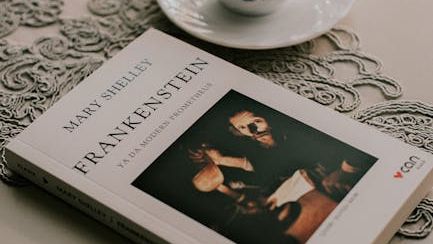
Here’s the thing: Frankenstein was not born from a quiet, creative afternoon. During the rainy summer of 1816, the world was locked in a long, cold volcanic winter caused by the eruption of Mount Tambora in 1815. In 1815, a gigantic volcanic eruption at Mount Tambora in Indonesia choked the air with ash and dust, killing roughly 100,000 people in its immediate aftermath, and it is now considered to be the deadliest volcano eruption in history. The next summer, the warm growing season never came. Instead of sunshine, most of Europe was covered in fog and even frost, and crop failures stretched across Europe, Asia, and even North America for three years afterward.
In 1816, at the suggestion of Lord Byron, Mary, Percy, John Polidori, and Byron himself each agreed to try writing a ghost story. After thinking for days, Shelley was inspired to write Frankenstein after imagining a scientist who created life and was horrified by what he had made, and the novel was first published anonymously in 1818. She wrote her masterpiece Frankenstein when she was just 19 years old, and the dark, stormy summer nights that helped bring her monstrous creation to life were nearly as dramatic as the novel itself.
2. The Creature in Frankenstein Has No Name
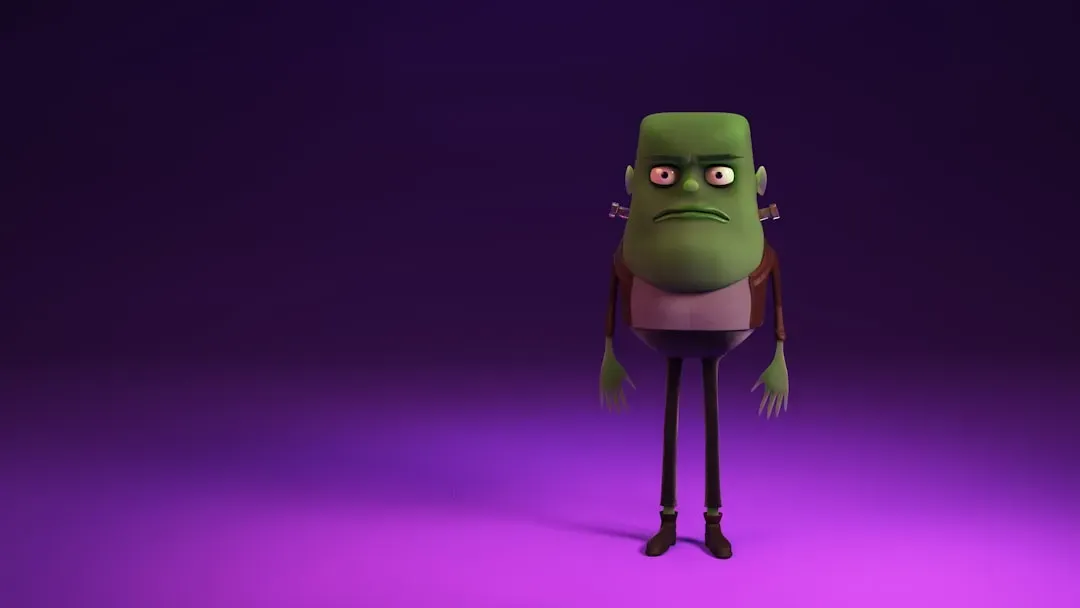
Pop culture has done something rather cheeky here. Almost everyone calls the monster “Frankenstein,” but that’s the scientist’s name, not the monster’s. A common misunderstanding is that the monster is named Frankenstein, when in fact he remains nameless throughout the novel. It is thought that during a reading of the book, Shelley referred to the monster as “Adam,” a nod to the Garden of Eden.
In the two centuries since Frankenstein was published, the creature has often been depicted as monstrous and stupid, but that is not how Shelley originally portrays it. Hers is a sensitive, emotional, and intelligent being, made murderous by inhumane rejection and abandonment. The dark consequences of Frankenstein’s actions do not stem from his brilliant science per se but from the emotional reaction of him and others who all respond negatively to the creature’s frightening appearance. Still, an underlying message of the novel is that the creation of a human being by unnatural means is a dangerous undertaking fraught with perils from human emotions and sensibilities. Honestly, that reframing changes everything about how the story reads.
3. A Real Alchemist May Have Inspired Victor Frankenstein
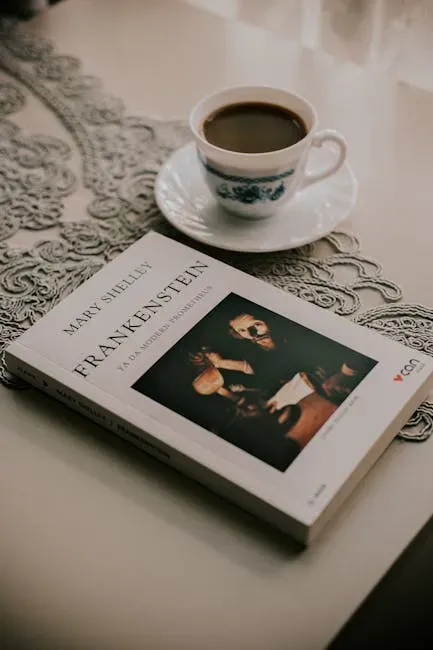
Shelley travelled through Europe in 1815, moving along the river Rhine in Germany, and stopping in Gernsheim, just 17 kilometers away from Frankenstein Castle, where, about a century earlier, Johann Konrad Dippel, an alchemist, had engaged in experiments. The connection here is almost too wild to believe. Dippel was convinced that he could bring a body back to life by injecting it with a concoction of blood and bone, often made from both mammal and human corpses, and in Mary’s novel, Victor Frankenstein would use animal bones to help manufacture his monstrous creature.
According to a History Channel documentary, both Shelleys were already intrigued by the use of electricity to animate limbs when, on their way through the dark forests of the Rhine Valley, they likely heard tales of the alchemist Johann Konrad Dippel, a controversial figure rumored to have robbed graves and experimented on corpses at Frankenstein Castle. The themes of creation, life, and death in Mary Shelley’s 1818 novel were also influenced by the loss of her mother when Shelley was eleven days old and the death of her first child shortly after birth. After her infant daughter’s death, Shelley had experienced a dream in which she coaxed her child back to life.
4. Dracula Was Inspired by a Ghost Story Competition Too

Most people think of Dracula as a purely solo stroke of gothic genius. The real story is far more tangled. After a slow start, the doctor Polidori managed to conjure up “The Vampyre,” a story that would later inspire Bram Stoker to create Dracula. Polidori’s central character, the blood-sucking, philandering Lord Ruthven, bears a remarkable resemblance to Byron himself. Think about that for a moment. The blueprint for one of literature’s greatest villains was modeled on a real, living poet.
Polidori’s novella “The Vampyre,” published in 1819, is the first work of fiction to include a blood-sucking hero, which many think was modeled on Byron himself. First published in 1897, Dracula has been the inspiration for countless films, books, and pop culture references. This Gothic horror novel introduced the world to Count Dracula, the infamous vampire, and set the standard for the genre. It blends themes of fear, desire, and the supernatural, and remains a cornerstone of horror literature. The chain from a rainy Swiss competition to every vampire movie ever made is a direct one.
5. Moby Dick Is Based on a Real Ship Attacked by a Whale
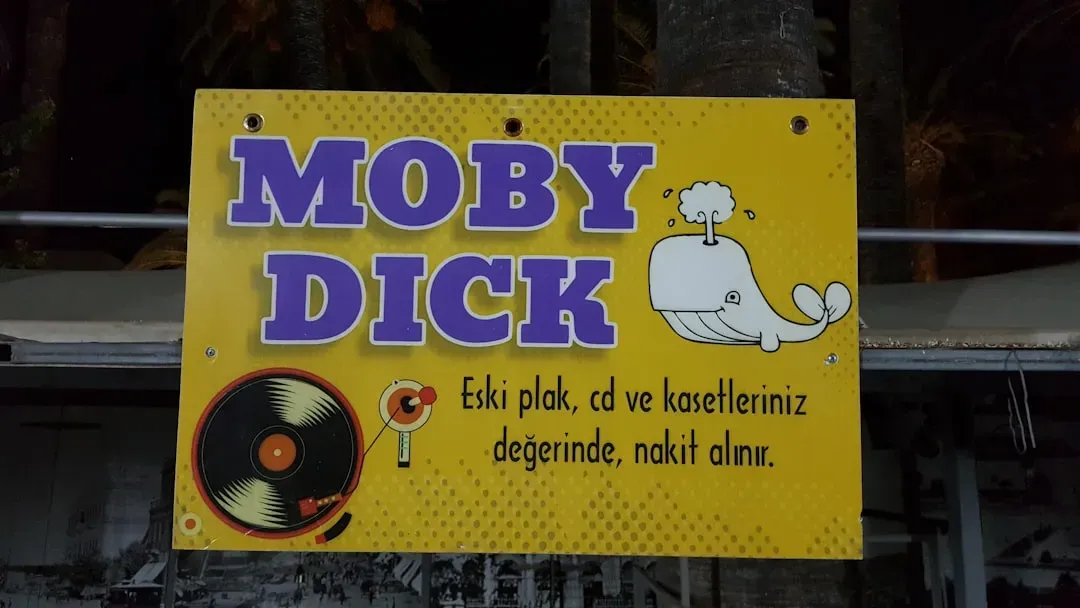
Here’s one of the most stunning real-life origins in all of literature. The most famous source of inspiration for Moby Dick was the story of the whaleship Essex, which in November 1820 was attacked and sunk by an 80-ton sperm whale some 2,000 miles off the coast of South America. The white whale is modeled on a notoriously hard-to-catch albino whale named Mocha Dick, and the book’s ending is based on the sinking of the whaleship Essex in 1820. These weren’t myths. These were actual maritime horrors.
The story of the Essex survivors involved 92 days and sleepless nights at sea in a leaking boat with no food, the surviving crew going mad beneath the unforgiving sun, eventual cannibalism, and the harrowing fate of two teenage boys. In one gruesome incident, the men drew lots to determine which of them would be shot to provide sustenance for the others. The book flopped on publication, and it was many years before Moby Dick was recognized as an American classic. Sometimes the wildest stories have the bleakest real beginnings.
6. Alice in Wonderland Was Banned for Letting Animals Talk
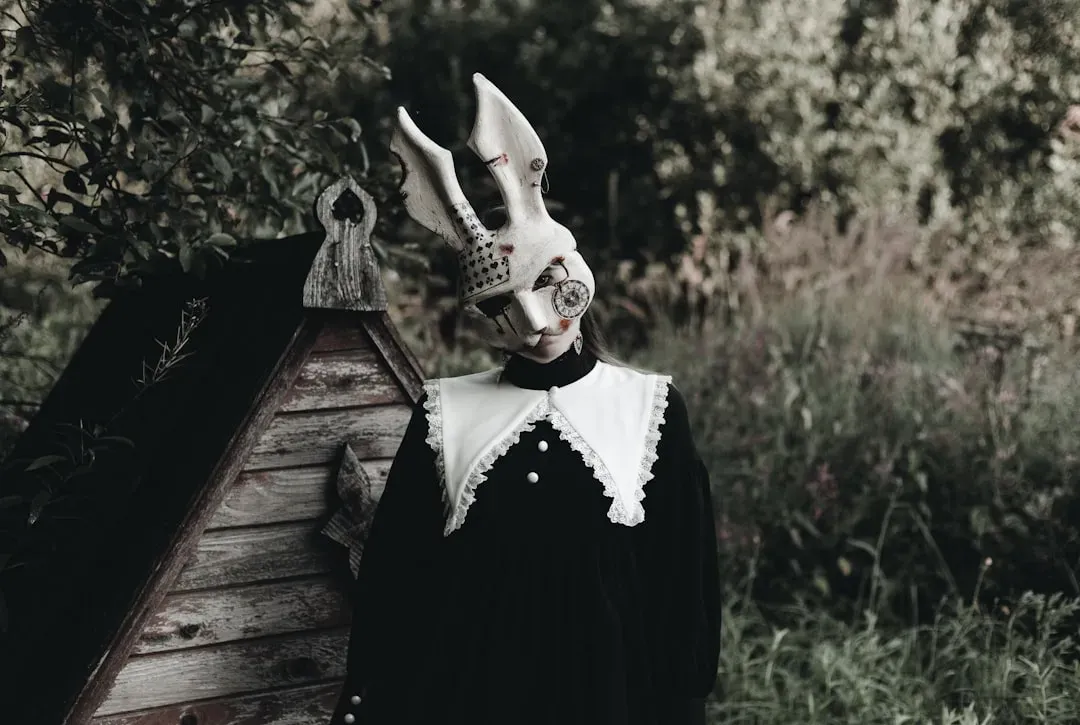
Lewis Carroll’s Alice in Wonderland gets dismissed as a sweet children’s fantasy. Its history, though, is considerably stranger. In 1870, the Governor of Hunan Province in China banned Lewis Carroll’s classic Alice in Wonderland, believing that animals should not be given the power to use the language of humans, and that to put animals and humans on the same level would be “disastrous.” A talking rabbit causing a political crisis is, I think, one of the most absurd facts in literary history.
If you have ever wondered if Alice’s character in Alice in Wonderland was inspired by a real person, you will find your answer in the acrostic poem at the end of Lewis Carroll’s Alice Through the Looking-Glass. The poem, when read carefully, spells out the name of a real child Carroll knew. This whimsical and surreal tale follows young Alice as she tumbles down a rabbit hole and enters a fantastical world of strange creatures and nonsensical adventures, and it has inspired countless adaptations, but remains a masterpiece of absurdity and a delightful read for all ages.
7. Tolkien’s Books Contain Two Secret Languages Decoded by Fans
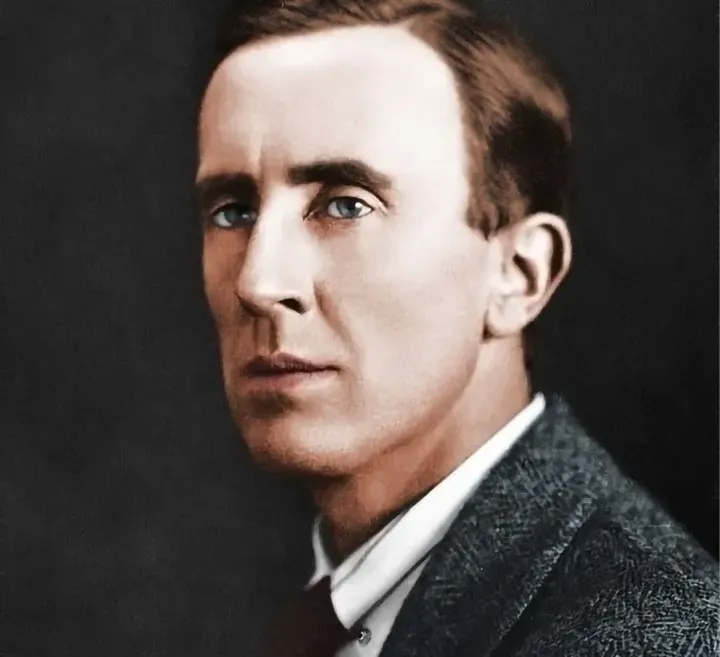
J.R.R. Tolkien did not just write fantasy novels. He built entire worlds, complete with functioning linguistic systems that readers have spent decades untangling. Tolkien, a former language professor at Oxford University, created several secret languages and alphabets for his works, and he inscribed two of his invented writing systems in his books that have since been decoded by his fans. The decoded text reveals something extraordinary.
The borders on the title page of The Fellowship of the Ring, the first book of The Lord of the Rings, were not simply decorative. The translation reads: “The Lord of the Rings translated from the Red Book of Westmarch by John Ronald Reuel Tolkien. Herein is set forth the history of the War of the Ring and the Return of the King as seen by the Hobbits.” British writers Tolkien and C.S. Lewis were close friends who served on the English faculty at Oxford University and were active in the Oxford literary group known as the Inklings, where they regularly read newly written passages of their work for feedback. That friendship quietly shaped two of the most beloved fantasy worlds ever created.
8. Kipling’s Man Who Would Be King Features Death by Elephant

Rudyard Kipling’s adventure story is brutal, and often overlooked in favor of his more family-friendly works. Rudyard Kipling’s “The Man Who Would Be King” tells the story of two British adventurers who set themselves up as rulers in a remote part of Afghanistan, only for things to go violently wrong. In one of the story’s wildest moments, one of the men is crucified and the other is executed by being fed to an elephant, after the locals discover he is not a god, but a mortal who bleeds.
This scene is both shocking and symbolic, highlighting the dangers of arrogance, colonial ambition, and cultural misunderstanding. The use of an elephant for execution draws on real historical practices from South and Southeast Asia, lending the story an added layer of authenticity and horror. Kipling’s tale is a brutal critique of imperial hubris, wrapped in the trappings of adventure fiction, and the sheer audacity of the story’s violence ensures its place among literature’s most unforgettable episodes. It is not the kind of scene you find on a school reading list, which is maybe exactly why it deserves to be there.
9. Sherlock Holmes’ Most Famous Line Never Appeared in the Books
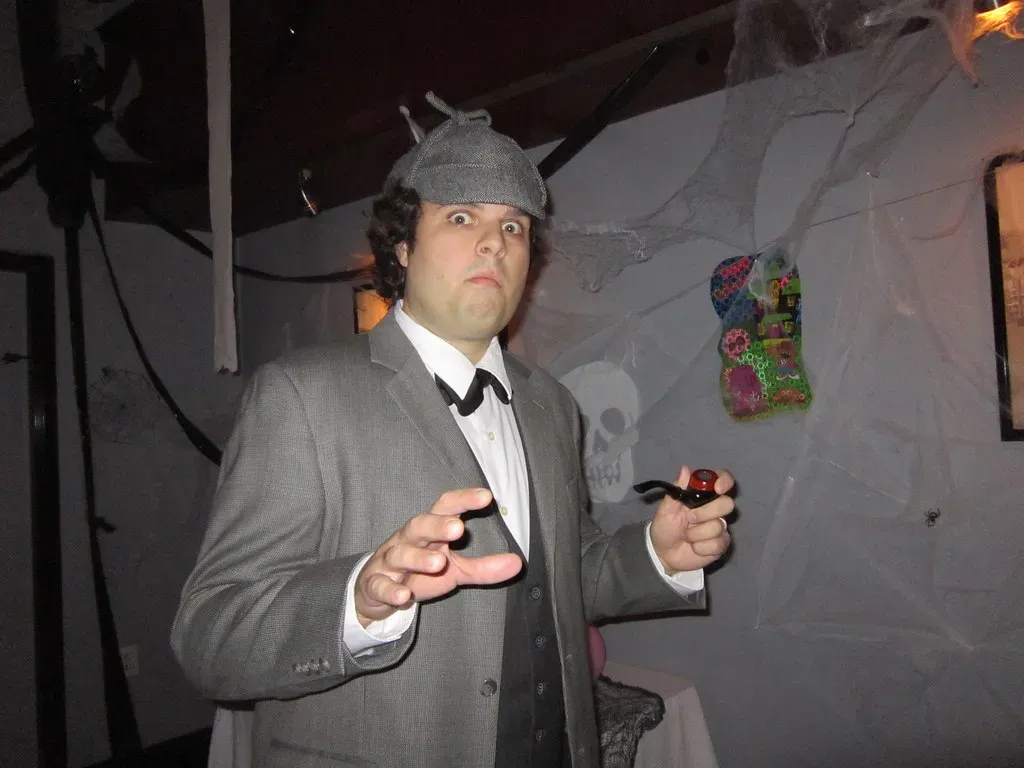
This one will genuinely surprise most people, including plenty of devoted readers. One surprising misquote is Sherlock Holmes’ catchphrase “Elementary, my dear Watson.” The phrase never appears in any of the Sherlock Holmes stories, and is first used by P.G. Wodehouse in the novel Psmith, Journalist. So one of the most quoted lines in all of classic literature is essentially borrowed from somewhere else entirely. Let’s be real, that’s a plot twist Sherlock himself would appreciate.
Charles Dickens is believed to have legitimized the serialized fiction format with his 1834 serial novel The Pickwick Papers, and Sir Arthur Conan Doyle’s Sherlock Holmes stories were originally serialized in The Strand Magazine. Every book has two stories: the one it tells, and the one it hides. That idea could not be more fitting. The entire legacy of Holmes, the most famous detective in literary history, is built partly on a misquote, a serialized magazine format, and a real Edinburgh surgeon named Dr. Joseph Bell who inspired Doyle’s genius character. Literature rarely tells you everything on the first read.
What hidden story from classic literature surprised you the most? There’s a good chance the book sitting on your shelf is hiding something even wilder than you’d ever guess.