Hollywood has a reputation for eye-watering paychecks. Stars routinely negotiate eight-figure salaries, backend profit deals, and bonuses tied to box office thresholds. So when a well-known, proven actor agrees to work for practically nothing – sometimes literally a symbolic dollar – it tends to stop people in their tracks. It feels like a contradiction in one of the most commercially driven industries on earth.
The truth is, though, the $1 paycheck (or close to it) has a long and genuinely interesting tradition in film. The reasons behind it vary wildly: creative hunger, a director worth betting on, a passion project that couldn’t survive studio interference, or simply a career moment that no amount of money could have bought. Here’s a gallery of the actors who took the deal – and what they were really chasing when they signed on the dotted line.
Jonah Hill and The Wolf of Wall Street: The Scorsese Dream

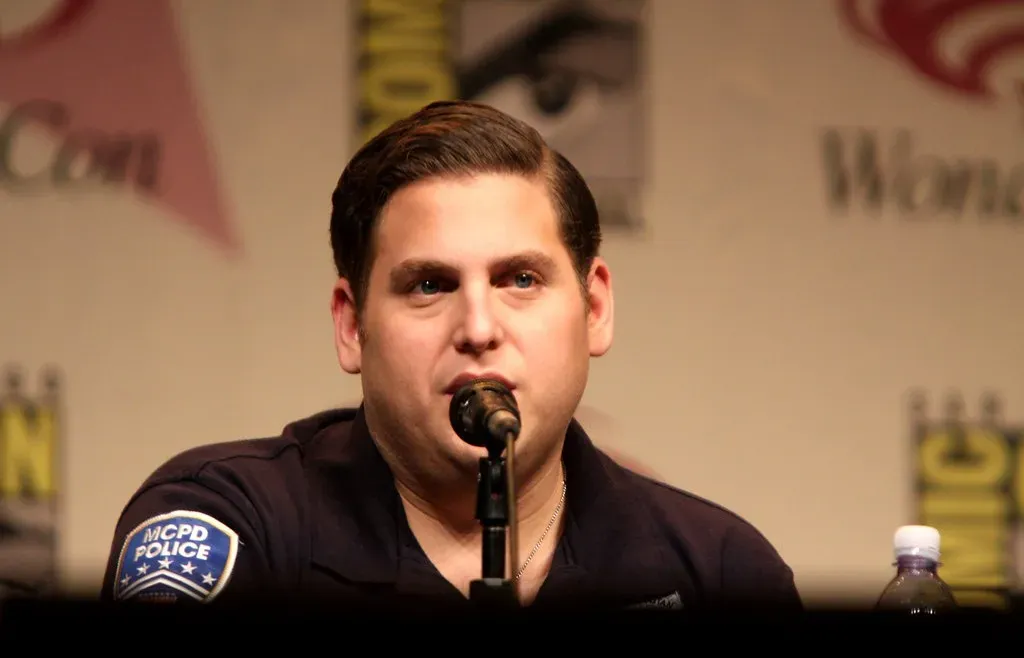
Jonah Hill was so determined to work with director Martin Scorsese that he accepted the lowest possible salary allowed by the Screen Actors Guild for his role in The Wolf of Wall Street. The film was already stacked – Hill was so excited to get the role that he accepted the sum of $60,000, even though Leonardo DiCaprio was paid $10 million for his leading role.
When Hill got his hands on the script, the opportunity to work with one of cinema’s all-time great directors prompted him to lobby his friend DiCaprio for the part. Scorsese liked Hill, but the casting remained up in the air until producers decided to float him a lowball offer. Speaking with The Hollywood Reporter, he said he would sign the papers that very night. The role fulfilled a lifetime dream of Hill’s and led to his second Academy Award nomination.
Ryan Gosling and Half Nelson: Choosing Craft Over Cash

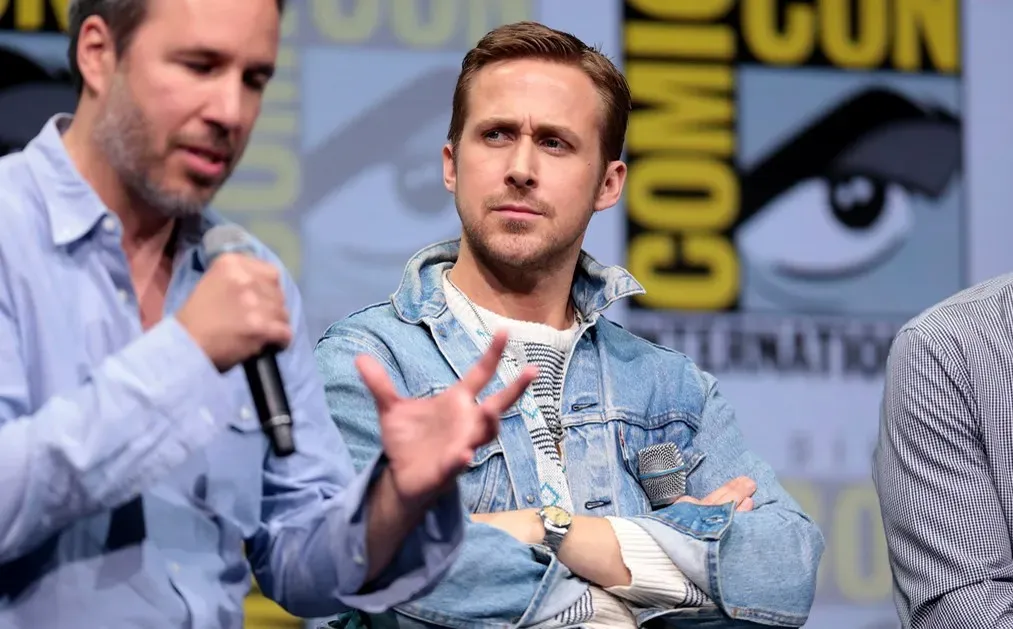
After the movie The Notebook turned Ryan Gosling into a movie star, he turned around and dove head first into independent filmmaking. Choosing to star in the school-based drama Half Nelson in 2006, Gosling earned just $1,000 a week – a far cry from the $1 million he made for The Notebook or the $10 million he later earned for Blade Runner 2049.
Why did Gosling make that surprising choice? He has said the script stood out because all of the characters were so complex, and he embraced the challenge of the role, even volunteering to live in Brooklyn for several weeks before shooting to fully understand the film’s setting. Although the film failed to generate much at the box office, Gosling’s portrayal of a crack-addicted teacher earned him critical raves and an Oscar nomination for Best Actor.
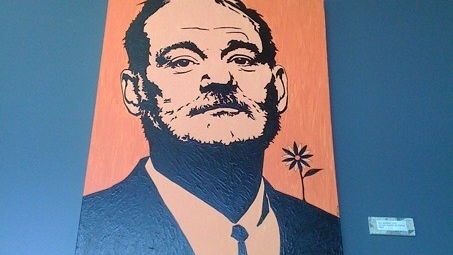
Bill Murray and Rushmore: A Check He Wrote Himself

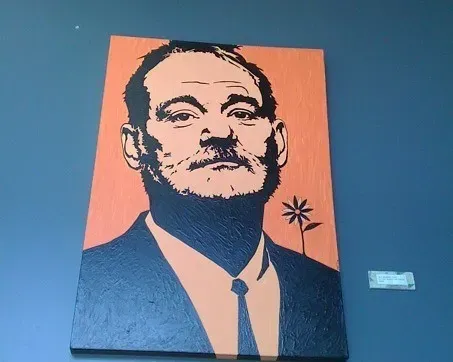
Bill Murray was already a big star when he was offered a role in Wes Anderson’s second film, Rushmore. The film had a very small budget, and Murray was paid the minimum salary allowed by the Screen Actors Guild. He loved the script so much that he was willing to work for next to nothing. Murray worked for scale, only pulling down about $9,000 for his role, plus a small percentage of the profits.
He not only took a tiny salary but also gave the director a personal check to help cover the cost of a helicopter scene that the studio wouldn’t pay for. His support and participation were crucial to the film’s success and helped launch Wes Anderson’s career. Murray ended up being nominated for a Golden Globe for his work in Rushmore, starting a fruitful creative partnership that has grown to include seven films over two decades.
Tom Hanks and Forrest Gump: The Risk That Redefined His Career

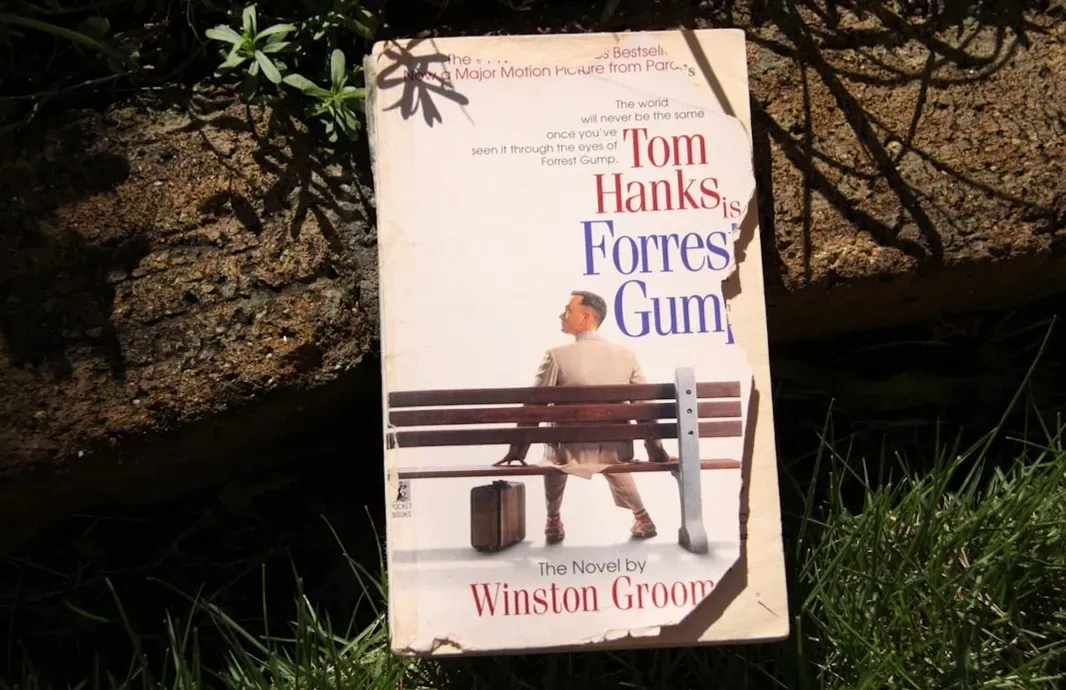
Tom Hanks starred in Forrest Gump in a movie that put him in a different weight class. Instead of accepting his contracted base salary of $7 million, Hanks chose to take a percentage of the backend profits. He even contributed from his own pocket to fund portions of some scenes, including the extended running sequence, because the studio had assigned a limited budget to the production.
Against a production budget of $55 million, Forrest Gump went on to gross $678 million worldwide. Hanks’ profit-sharing arrangement ultimately earned him $60 million, becoming one of the highest-paid film roles in history. This smart but risky move not only paid off financially but also earned him his second consecutive Academy Award for Best Actor.
George Clooney and Good Night, and Good Luck: Three Dollars for Three Jobs

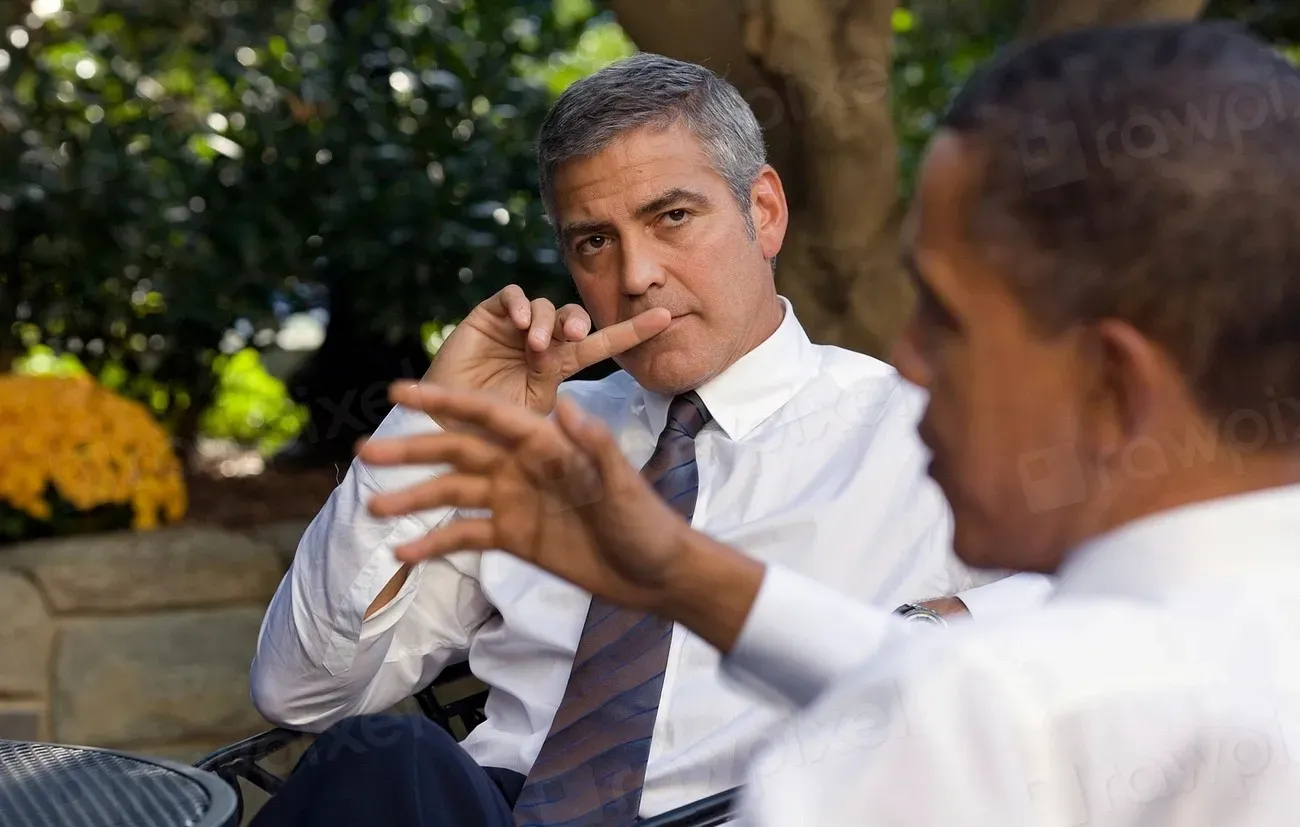
George Clooney was reportedly paid just $3 for Good Night, and Good Luck – $1 each for acting, writing, and directing. Clooney took on multiple roles for the 2005 film, serving as director, co-writer, and actor. Because it was a passion project for him with a small budget, he took a very small upfront salary of just $120,000 for all of his work on the movie.
Partner offer

Normally netting between $10 and $20 million to star, write, or direct a movie, Clooney took a huge pay cut to make his passion project. Good Night, and Good Luck was a critical success, earning six Academy Award nominations, including Best Director and Best Original Screenplay for Clooney. By taking a small salary, he was able to make the film he wanted to make, and it became one of the most acclaimed projects of his career.
Keanu Reeves and The Devil’s Advocate: Stepping Aside for a Legend

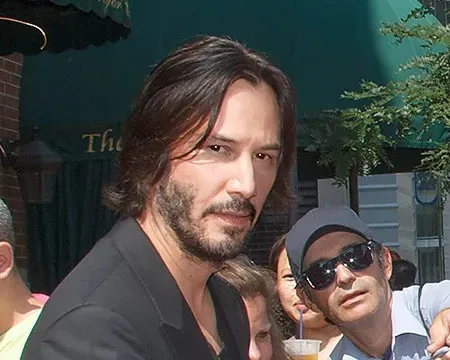
To help the studio meet Al Pacino’s $12 million salary requirement, Keanu Reeves agreed to a reduced payment of $8 million for The Devil’s Advocate. Reeves was excited to work with the legendary actor and was willing to give up some of his own pay to make it happen. He did it again a few years later, taking a pay cut for the 2000 football comedy The Replacements to allow the production to bring on another legendary actor, Gene Hackman.
Reeves famously chose to share a significant portion of his earnings from The Matrix sequels with the special effects and costume design teams. He believed that the people who created the groundbreaking visuals were the ones who truly made the film a success. Reports indicate he gave away a massive sum to ensure crew members were properly compensated. This gesture remains one of the most cited examples of selfless behavior in the entertainment industry.
Arnold Schwarzenegger and Maggie: Zero Dollars, Zero Hesitation

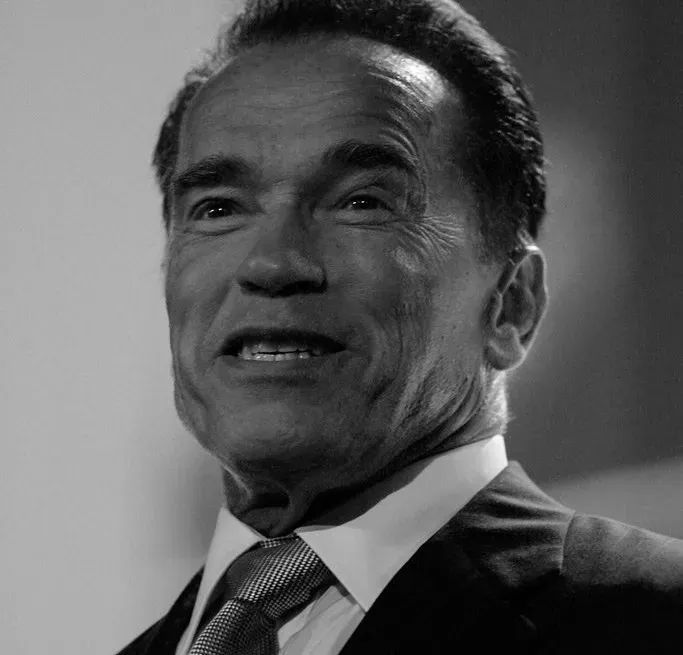
After becoming a living icon for playing action-packed roles in The Terminator and Predator, no one expected Schwarzenegger to take on a role as endearing or quite as thoughtful as the one he took in Maggie, playing a widowed father coming to terms with his daughter’s growing infection with an incurable zombie disease. Even more surprising was his willingness to do the movie for exactly zero dollars. Stating that it was the script that drew him in, Arnold committed fully to the role and gave one of the most dramatic performances of his career.
For an actor who had commanded some of the largest paychecks in Hollywood history – Schwarzenegger received a $29,250,000 salary for Terminator 3 plus a royalty on the worldwide box office gross – the decision to work for free on a small indie film was about as deliberate a statement as an actor can make. It wasn’t charity. It was a specific, conscious choice to let the work speak on its own terms.
John Travolta and Pulp Fiction: A Career Reset Worth Every Penny Sacrificed

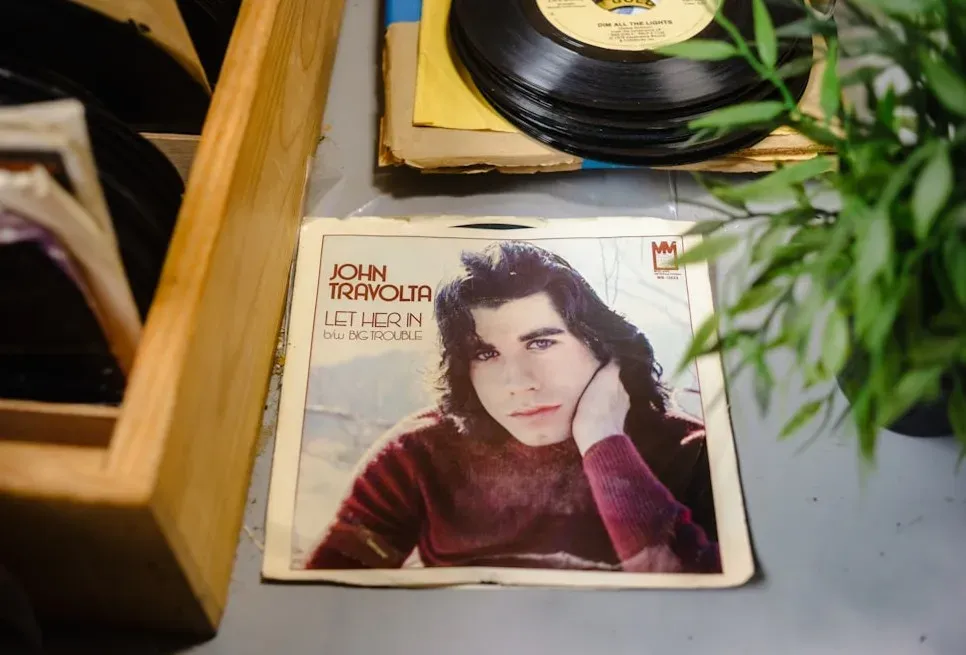
Travolta was getting up to $20 million for every project after the success of Grease. He received $1 million for Saturday Night Fever, but accepted just $140,000 in order to work with Quentin Tarantino in Pulp Fiction. It turned out that working with an accomplished director on a great project was more important than money.
Pulp Fiction arrived in 1994 at a point when Travolta’s career had seriously stalled, and the decision to take a fraction of his usual fee changed everything. The film became a cultural touchstone, earned him an Academy Award nomination for Best Actor, and reignited a career that had seemed all but over. Sometimes the cheapest deal you ever make turns out to be the one that costs the most to turn down.
Jim Carrey and Yes Man: Trading a Salary for a Piece of the Pie

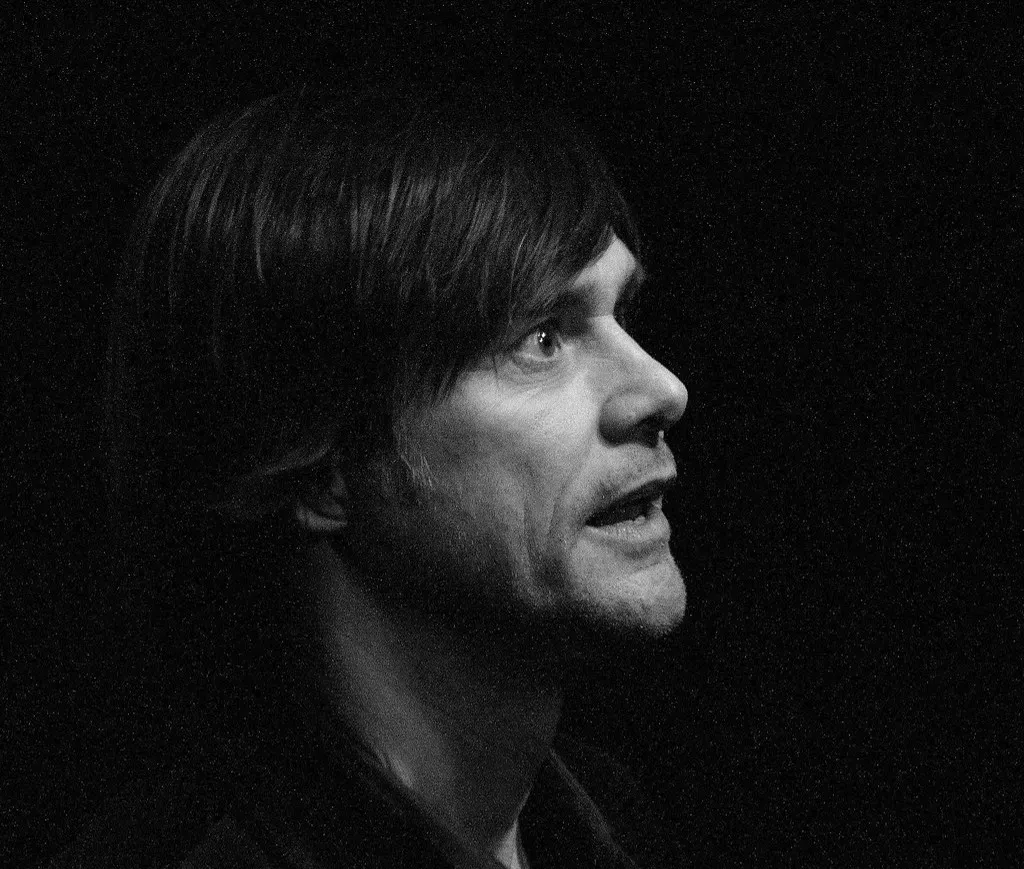
When Jim Carrey first accepted the role of Carl in Yes Man in 2008, he was paid nothing at all upfront. However, he negotiated a deal for 36.2% of the profits when the film was released. It wasn’t predicted to do well, but it did – and he pocketed a large sum in the end.
Instead of a salary, Carrey agreed to do the film for 36.2 percent of its gross after production and marketing costs were recovered. Simply put, Carrey made zero dollars until the movie turned a profit, which it did, raking in $223 million worldwide. It is estimated that Carrey ended up with $32 million, turning the lowest upfront payday of his career into one of the highest. It’s a neat inversion of how Hollywood usually works – and a reminder that “taking $1” doesn’t always mean walking away with just $1.
The Broader Pattern: What These Decisions Actually Tell Us


When you line these stories up, a few clear patterns emerge. There are numerous instances where actors have voluntarily accepted reduced salaries. In certain cases, actors accept reduced pay to support projects they strongly believe in, particularly those with limited budgets. Taking a reduced salary can help low-budget films manage production expenses more effectively.
Why shouldn’t a normally serious dramatic actor occasionally take a role for a smaller paycheck, especially if it allows them to squeeze in smaller-budget productions? The question almost answers itself. The highest-paid film actors can command multi-million-dollar salaries, but actors can potentially earn substantially more by deferring all or part of their salary against a percentage of the film’s gross. The $1 salary, in many cases, is simply the opening move in a much longer game – one played on creative terms rather than financial ones. The actors who understand that distinction tend to be the ones whose careers last the longest.
Partner offer
Planning a trip to Vegas?
Compare hotel rates and show tickets on VEGAS.com.