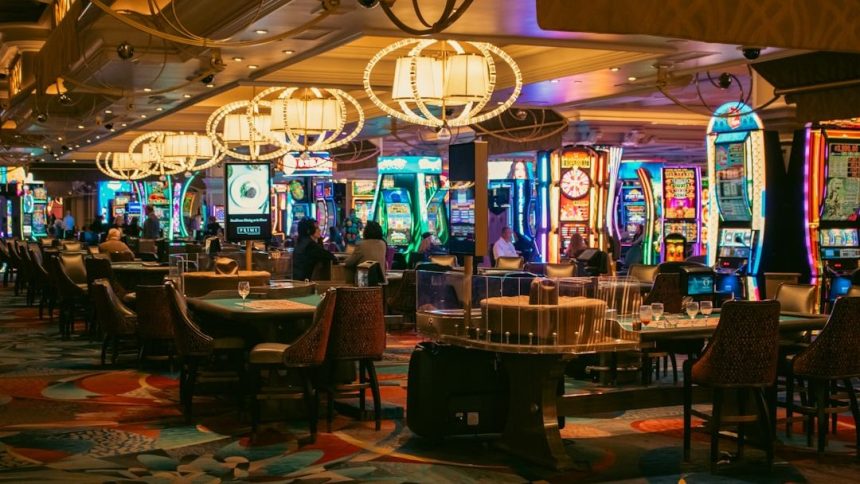
There’s a part of every major casino that most people never see. It’s not hidden, exactly. The entrance is often right there on the main floor, framed by polished wood or frosted glass. But the unspoken rules are clear: unless you’re spending at a certain level, you’re not going in. High-limit rooms have always fascinated outsiders, partly because of what films and TV have made them out to be, and partly because the reality is somehow both more ordinary and more extraordinary than anyone expects. The money is real. So is the psychology, the architecture, and the surveillance. Here’s what actually happens inside.
The Stakes That Open the Door

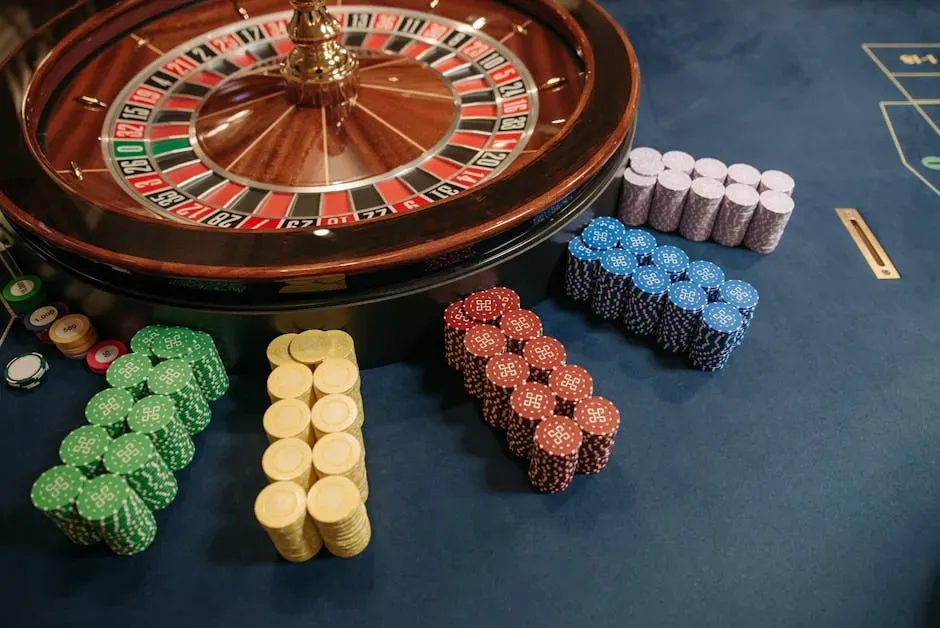
Getting past the velvet rope isn’t about attitude or appearance alone. It starts with money, and quite a lot of it. Minimum bets in high-limit rooms at major casino properties range from $100 per hand on the lower end to well above $10,000 per hand at the most exclusive venues in Las Vegas and Macau. Some private rooms have no posted minimums at all, because the players who use them have already been vetted and extended credit lines that make fixed minimums somewhat irrelevant.
In casino terminology, a high roller refers to a player who consistently wagers large amounts of money, typically far above the average stake of a regular player. High rollers are often treated with special privileges due to the significant impact they have on the casino’s revenue and their ability to gamble at high stakes. The threshold varies by property and by game. A player wagering $500 per hand at blackjack might earn VIP access at a regional property but barely register at a Strip-level baccarat room in Las Vegas.
To be considered a high roller, a player must consistently place large bets and be able to afford high-stakes gambling. While anyone can place a large bet on a whim, being a high roller is about sustained play with high wagers over time. This distinction matters to casinos more than most players realize. The room isn’t just for people who can afford one big night. It’s for people the casino can count on to come back.
The Design Is Doing a Lot of Work


Step inside a high-limit room and the first thing you notice is what’s missing. There’s no cacophony of slot machines. No flashing signs. No crowds pressing around you. The room is quiet in a deliberate way, often bathed in warm, muted lighting that softens edges and slows time.
This environment isn’t accidental. High-limit rooms are specifically designed with subdued lighting, upscale décor, and minimal distractions to create a focused and private gambling atmosphere. Fewer tables means fewer players, and fewer players means the room feels more like a private club than a commercial floor. The furniture is heavier, the carpets thicker, and the air often carries a faint scent of something expensive. Every sensory detail is calibrated to make a player feel that they belong, and that leaving would be a shame.
High rollers are also likely to engage with private tables or high-stakes games, where they can better control the pace of play and avoid distractions from casual players. This is exactly the environment the room provides. The design reinforces the mindset that serious play happens here, not out there. It’s a subtle but effective form of psychological anchoring.
Baccarat’s Quiet Dominance

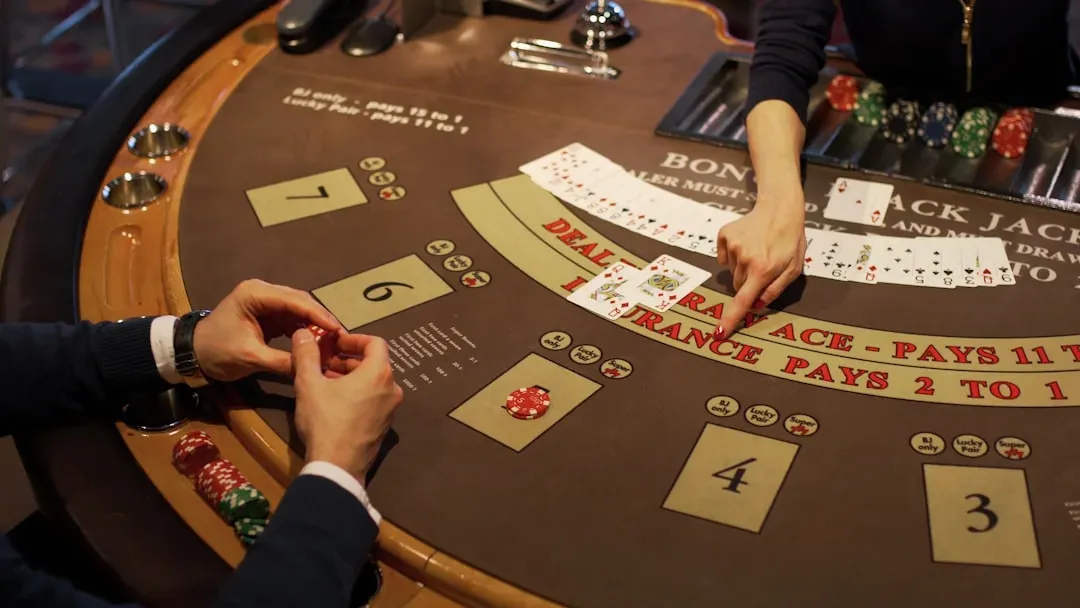
If you spend any time in a high-limit room, you’ll notice baccarat comes up again and again. It’s not the flashiest game. There’s no poker face to maintain, no complex card-counting strategy, and very little interaction required. Yet it generates more high-stakes revenue globally than almost any other table game by a considerable margin.
In Macau, which is the world’s highest-stakes gambling mecca, baccarat holds court over everything. In 2024, Macau’s casinos derived over 88% of their $33.2 billion revenue from baccarat alone, and other table games barely register by comparison. That’s a staggering concentration of revenue from a single game. Even in Las Vegas, the picture is changing rapidly in baccarat’s favor.
In February 2023 alone, over 350 Vegas baccarat tables generated $176.3 million in wins on $1.25 billion wagered, which is an 82% jump from the previous year. The reasons for baccarat’s appeal among high rollers come down to mathematics and simplicity. Baccarat is the most lucrative table game for many casinos because it combines very low house edge, high bet limits, simple play, and player psychology that encourages large, repeated wagers. Those factors translate into high turnover and steady casino profit.
How Casinos Actually Make Money From a Tiny Group of Players

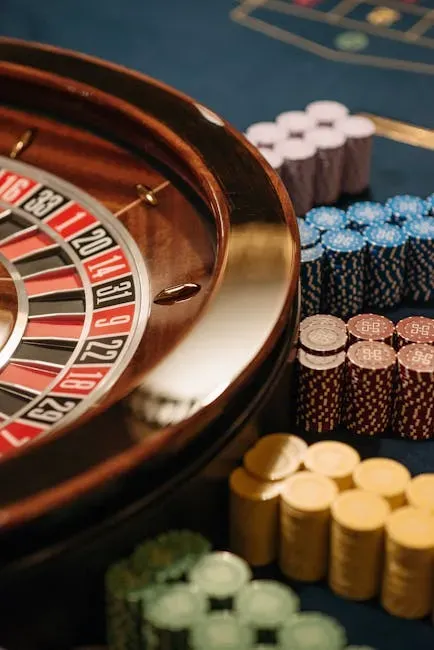
The economics of high-limit gambling are quietly extraordinary. Casinos generate a disproportionate share of total gaming revenue from a very small percentage of their players. In some markets, high rollers contribute somewhere between seventy and eighty percent of total gaming revenue, even though they represent only a sliver of the total customer base.
High rollers can account for a disproportionate share of a casino’s gross gaming revenue, sometimes exceeding 40% in major hubs like Las Vegas or Macau. Individual players have the capacity to impact the monthly financial performance of entire gaming jurisdictions through concentrated high-stakes action. A single bad night for the house, meaning a whale wins big, can move a quarterly earnings report. That’s how concentrated this revenue truly is.
The financial ramifications of casino whales on both the establishments they frequent and the surrounding communities deserve careful scrutiny. These high-stakes players often represent a considerable segment of a casino’s revenue, far exceeding that of average gamblers. To protect against the volatility of hosting a small number of enormous bettors, casinos maintain sophisticated risk management protocols and maintain significant liquidity reserves. One player winning tens of millions in a single session isn’t hypothetical. It has happened, more than once.
The Art and Science of Comps and Credit


The comp system in a high-limit room operates on an entirely different level than the free buffet vouchers distributed on the main floor. Here, complimentary offerings scale up to private jets, penthouse suites, Michelin-starred meals, and personal shopping excursions. Some casinos extend credit lines worth hundreds of thousands or even millions of dollars to players they trust, based on verified financial standing and playing history.
All comps are calculated by detailed contracts spelling out what the casino will provide. This memo is described as the high-roller’s equivalent of a musician’s rider, and it includes everything from gourmet meals to top-shelf liquor, all negotiated between the player and casino. The goal is to make a high-stakes gambler stay loyal. Nothing in this arrangement is casual. Every perk has a calculated return, and casinos track the expected value of each player’s session before offering anything of significance.
Partner offer

Casino executives say that once a VIP has generated substantial revenue, it pays to reinvest some of it back into the player. That means if you lose $500,000, the casino could refund 20% of that loss by comping back $100,000 in chips. It sounds generous. It is, in its way. It’s also a carefully structured retention mechanism that keeps high-value players returning to the same property rather than taking their action elsewhere.
The Surveillance Infrastructure Behind the Privacy

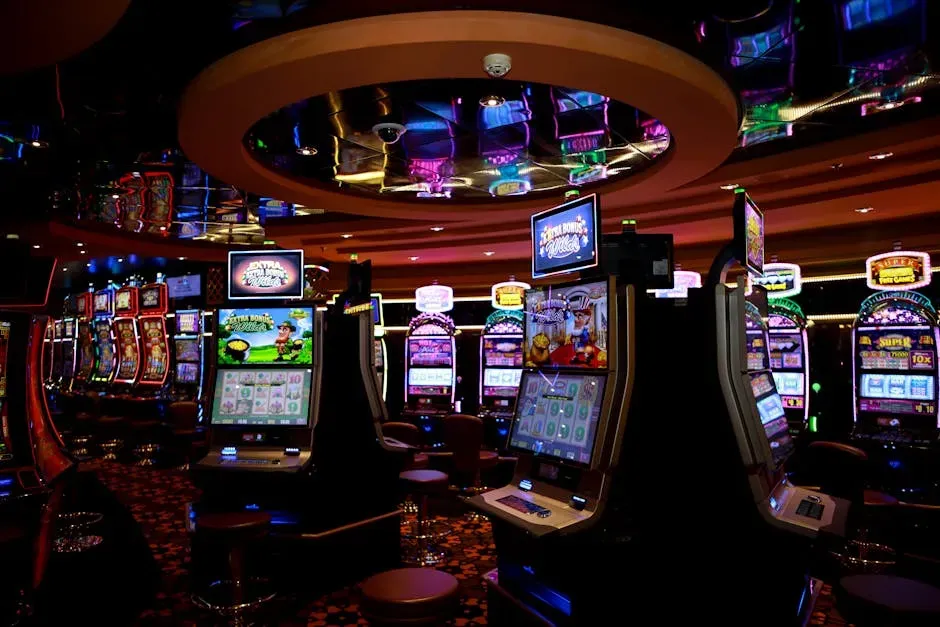
High-limit rooms feel private. That sensation is entirely by design. What most players don’t fully appreciate is how intensely monitored these spaces actually are. The illusion of exclusivity coexists with one of the most sophisticated surveillance environments in commercial gaming.
One of the most radical changes AI brings to casino security is the enhancement of surveillance systems. As useful as traditional cameras have been, they are bound by the response times of human security personnel. AI-driven cameras can deeply analyze video feeds in real-time for patterns of suspicious behavior and immediately notify security staff. In the high-limit room specifically, this monitoring is far more granular than anything on the main floor. Every chip movement and betting pattern is tracked, often in real time.
Today’s casinos have deployed AI-powered cameras that don’t just record, they analyze. Facial recognition systems scan crowds in real-time and match faces to databases of high rollers, banned players, or even those who owe markers. In Macau, some resorts are using AI to track VIPs from the valet to the high-limit room, making sure that staff can greet them by name and offer them their preferred drink. The technology knows who you are before you sit down. That’s not security theater. It’s a deeply integrated hospitality and risk management system operating simultaneously.
Player Psychology and the High-Stakes Mind

The psychology of someone sitting in a high-limit room is genuinely different from what you find on a regular casino floor. It isn’t simply that the bets are larger. The relationship to risk, time, and reward is operating on a different frequency. High-stakes gamblers tend to exhibit stronger emotional responses to both wins and losses, a trait that can amplify performance during a hot streak and accelerate deterioration during a cold one.
The psychology behind gambling plays a significant role in the high roller experience. Many players are motivated by the thrill of risk, the social aspect of gaming, and the potential for substantial financial gain. In a private room with fewer observers, lower ambient noise, and personalized service, those psychological levers are pulled more gently but more consistently. The environment itself is an influence on behavior, and the casino knows this well.
The psychology of high rollers is fascinating, as it encompasses a mix of risk-taking behavior, confidence, and often, a strong desire for social status. Status isn’t a side effect of high-limit gambling. For many players, it’s one of the primary motivations. The private room, the personal host, the tailored experience: all of it feeds a need for recognition that is deeply human, and that casinos are exceptionally skilled at satisfying.
Player Tracking: The Data Layer Nobody Talks About

Behind every smooth high-roller experience is a dense layer of data collection most players don’t think about. Casinos track betting patterns, duration of play, preferred games, arrival times, average wager sizes, and responses to specific offers. This information feeds directly into how hosts interact with players, what comps are offered, and how credit lines are structured.
This system tracks behaviors in real time, delivering actionable insights that enhance both security and the customer experience. By analyzing patterns and preferences over time, casinos can personalize interactions and better understand returning visitors. The result is an experience that feels instinctively right, where someone always seems to know what you want before you ask. That feeling is manufactured, deliberately, from accumulated data.
At present, casinos only track an average of around 15% of players and 45% of gaming revenue. New facial recognition systems estimate that coverage could be boosted to 99% of players and 95% of revenue. For high-limit players, tracking is already close to total. Every session is documented, every preference is filed, and every pattern is analyzed. Machine learning forecasts playtime, game choices, and quitting behavior. Dynamic odds adjust slot volatility, bonuses, and game rules. Algorithms time promotions to retain players. The house always had an edge on the math. Now it has one on the psychology, too.
Conclusion: Luxury as a Strategic Tool

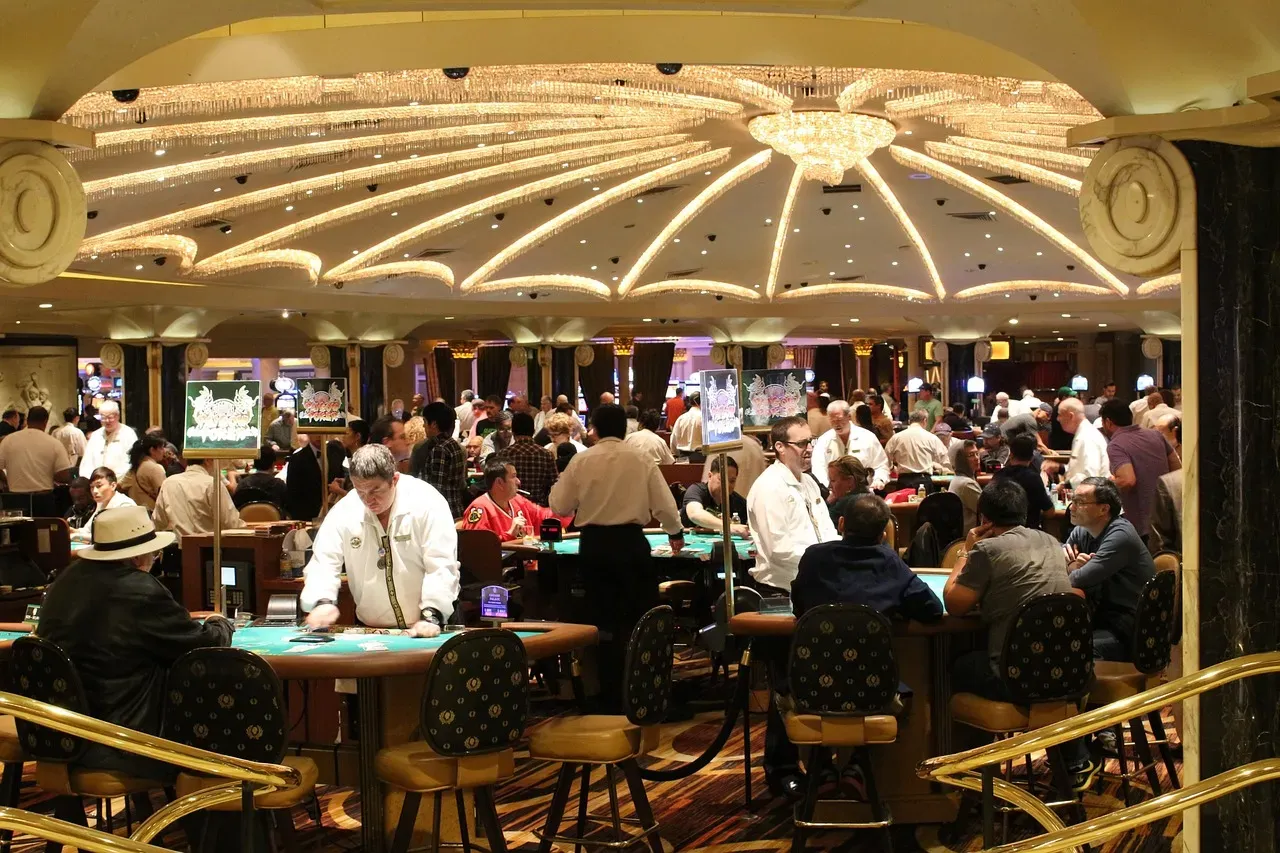
High-limit rooms are many things at once. They’re sanctuaries for players who find the main floor too chaotic. They’re laboratories of behavioral economics. They’re revenue engines that sustain properties far larger than the rooms themselves. Every element, from the muted lighting to the facial recognition cameras to the negotiated comp agreements, serves a purpose within a tightly constructed commercial system.
The velvet rope signals exclusivity, but what it actually marks is the boundary of a different kind of transaction. Inside, the casino is investing in a relationship, calculating its value, and managing its risk. Outside, most guests are barely noticed at all. That contrast tells you almost everything about how modern high-stakes gambling actually works.
The experience feels personal. The operation is anything but.
Partner offer
Planning a trip to Vegas?
Compare hotel rates and show tickets on VEGAS.com.