There’s something almost magical about a well-crafted short story. It hits you fast, leaves you breathless, and somehow manages to linger in your mind longer than books three times its length. While novels often get all the glory, some story collections pack so much emotional weight and literary brilliance that they rival even the greatest sprawling epics. The best part? You can finish one in a single sitting, yet find yourself thinking about it for weeks.
In a city like Las Vegas where everything moves at lightning speed, short story collections feel oddly fitting. They’re punchy, intense, and deliver maximum impact in minimal time. So let’s dive into some collections that prove short doesn’t mean shallow. These books will change how you think about storytelling itself.
Tenth of December by George Saunders

George Saunders writes with a voice that feels simultaneously futuristic and deeply human. This collection hits you with stories that blend dark humor, social commentary, and heartbreaking tenderness. The title story alone could stand as one of the finest pieces of American literature this century.
What makes this collection extraordinary is how Saunders captures the absurdity of modern life while never losing sight of genuine emotion. His characters stumble through bizarre situations that somehow feel more real than reality itself. You’ll laugh, then immediately feel guilty for laughing, then realize that’s exactly the point.
The writing here isn’t just good. It’s the kind that reminds you why you fell in love with reading in the first place. Each story operates like a perfectly engineered machine, every word earning its place.
Interpreter of Maladies by Jhumpa Lahiri
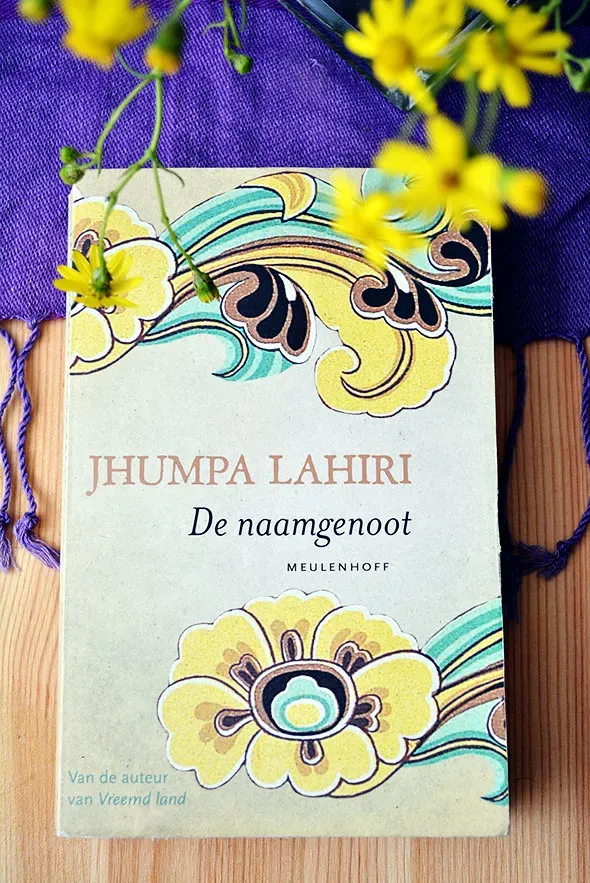
Lahiri’s debut collection won the Pulitzer Prize, and honestly, it deserved every accolade it received. These nine stories explore the immigrant experience with such quiet precision that they feel like whispered secrets. The loneliness, the displacement, the longing for connection across cultural divides – it’s all here.
What’s remarkable is how Lahiri makes the specific feel universal. You don’t need to be a Bengali immigrant to understand the ache of not quite belonging anywhere. Her prose is clean and elegant, never drawing attention to itself while doing incredibly complex emotional work.
The stories accumulate power as you move through them. By the end, you realize you’ve experienced something profound, though you’d struggle to explain exactly what happened. That’s the mark of a master at work.
Her Body and Other Parties by Carmen Maria Machado
This collection blurs the line between genre fiction and literary fiction so completely that the distinction becomes meaningless. Machado weaves horror, science fiction, and fairy tale elements into stories that are fundamentally about women’s bodies, desire, and agency. It’s unsettling in the best possible way.
The opening story reimagines every episode of Law and Order SVU as a single narrative, which sounds like a gimmick until you read it and realize it’s devastating commentary. Another story transforms a haunted house into a meditation on queer relationships. Machado takes risks that shouldn’t work but absolutely do.
Reading this collection feels like having your brain pleasantly rewired. You’ll find yourself questioning narrative conventions you didn’t even know you’d internalized. It’s challenging, weird, and utterly brilliant.
What We Talk About When We Talk About Love by Raymond Carver

Carver practically invented modern minimalism in short fiction. These seventeen stories strip away everything except the absolute essentials, creating an almost unbearable tension through what’s left unsaid. Working-class characters drink, argue, and fail to communicate in ways that feel achingly authentic.
The prose is so spare it almost hurts. Carver gives you the bare bones and trusts you to feel the weight of what’s missing. Some critics call his style bleak, but there’s profound empathy in how he portrays ordinary people struggling through ordinary disasters.
This collection influenced an entire generation of writers, and you can see why. It proves you don’t need flowery language or complex plots to create devastating emotional impact. Sometimes the simplest approach cuts deepest.
Olive Kitteridge by Elizabeth Strout
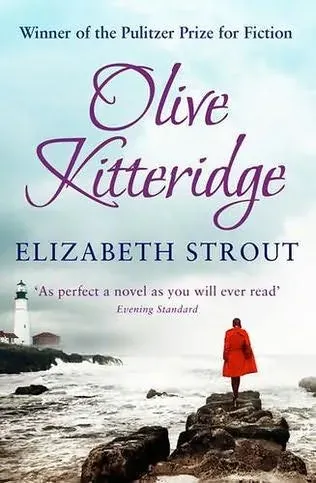
Technically this is a novel-in-stories, but it works better than most traditional novels. Olive, a retired schoolteacher in coastal Maine, appears in interconnected stories spanning decades. She’s prickly, difficult, and somehow completely lovable despite her flaws.
Strout has an incredible gift for capturing the quiet desperation of small-town life. Her characters lead seemingly ordinary lives, yet she reveals the extraordinary emotional complexity beneath mundane surfaces. The cumulative effect is more powerful than any single narrative arc could achieve.
What’s brilliant is how each story can stand alone while contributing to a larger portrait of a community. By the end, you feel like you’ve lived in this Maine town yourself. You know these people. You understand their silences.
Dubliners by James Joyce
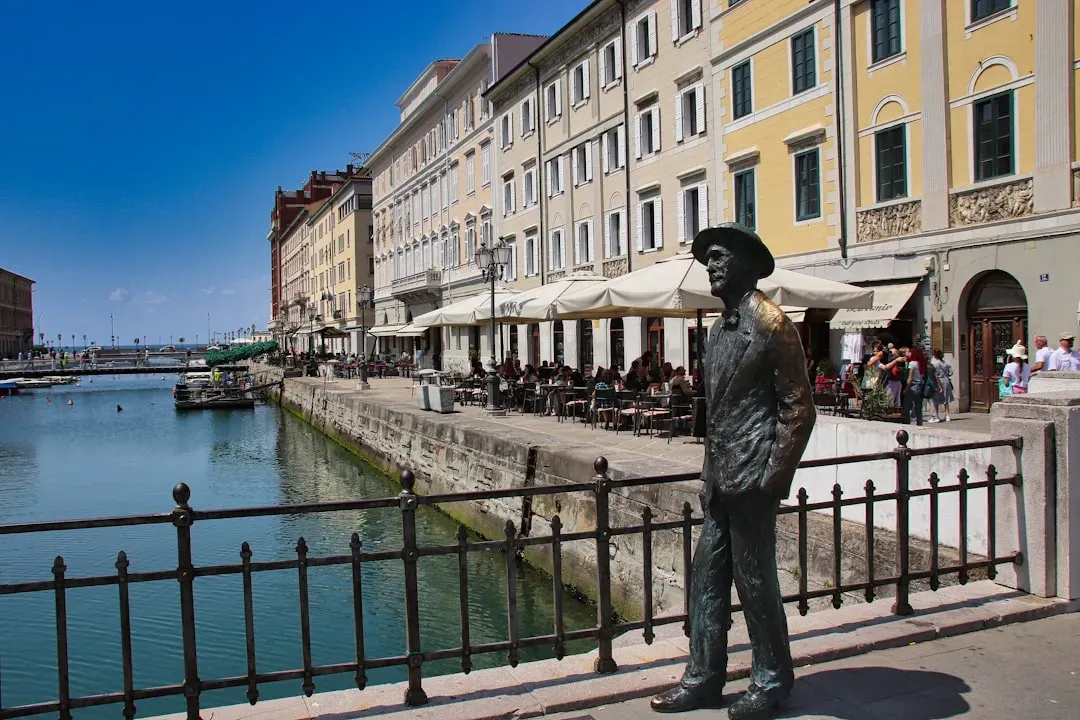
Let’s be real, Joyce intimidates people. But Dubliners is surprisingly accessible compared to his later experimental work. These fifteen stories capture early twentieth-century Dublin with such vivid specificity that the city becomes a character itself. Joyce called the effect “paralysis,” and you feel it in every story.
The writing is beautiful in a way that never feels showy. Joyce renders ordinary moments with extraordinary precision, finding poetry in the mundane. The final story, The Dead, might be the greatest short story ever written. That’s not hyperbole.
Reading Dubliners today, you realize how modern it still feels. The themes of unfulfilled potential, spiritual emptiness, and the weight of tradition remain devastatingly relevant. Joyce wasn’t just capturing his time. He was capturing something universal about being human.
The Thing Around Your Neck by Chimamanda Ngozi Adichie
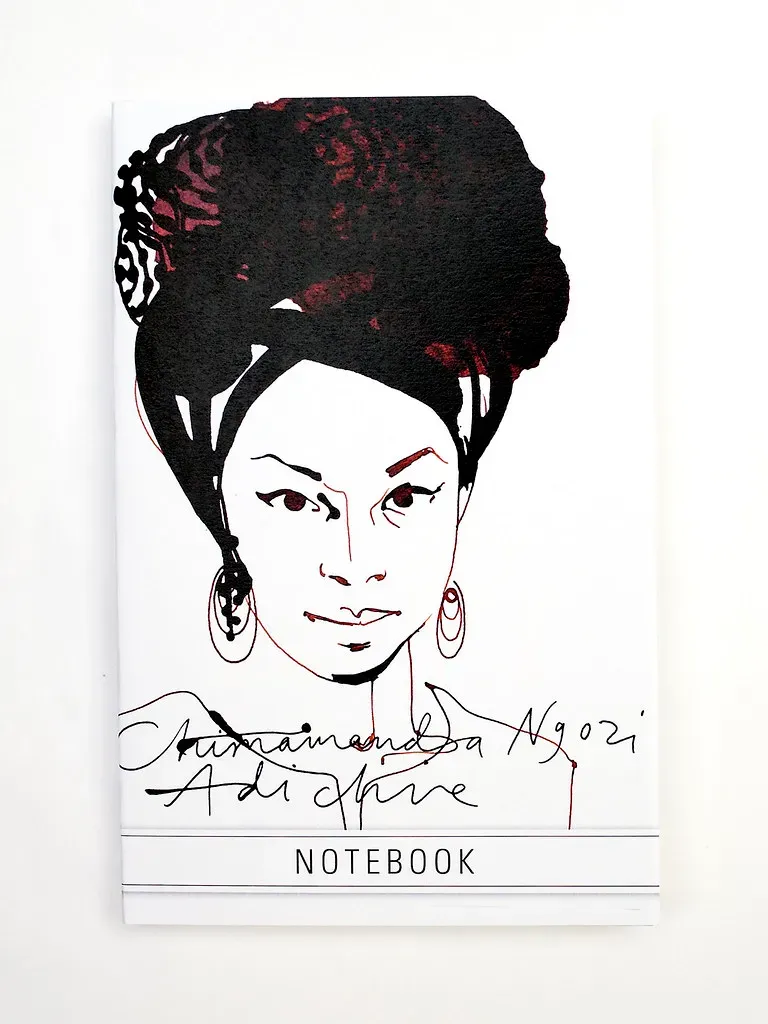
Adichie moves between Nigeria and America in these twelve stories, examining immigration, identity, and the aftermath of war with clear-eyed honesty. Her characters navigate cultural divides while dealing with deeply personal struggles. The result feels both specific and expansive.
What strikes you is Adichie’s refusal to simplify. Her Nigerian characters aren’t victims or symbols. They’re complex individuals with their own contradictions and complications. The stories about returning to Nigeria after living abroad are particularly nuanced, exploring how home becomes strange when you’ve changed.
The prose is straightforward but never plain. Adichie has a gift for the telling detail that reveals character. You finish these stories feeling like you’ve gained insight into experiences far from your own, which is exactly what great fiction should do.
Conclusion

Short story collections offer something novels can’t quite match – the thrill of reinvention with every story. Each new beginning brings fresh possibilities, different tones, unexpected directions. The collections listed here prove that brevity doesn’t mean less impact. Sometimes the shorter form allows for bolder experimentation and sharper emotional precision.
These books remind us that great storytelling isn’t about page count. It’s about craft, vision, and the ability to create entire worlds in limited space. Whether you’re reading between slot machine pulls or looking for something substantial that won’t consume weeks of your life, these collections deliver. What’s your favorite short story collection? Share your thoughts in the comments.