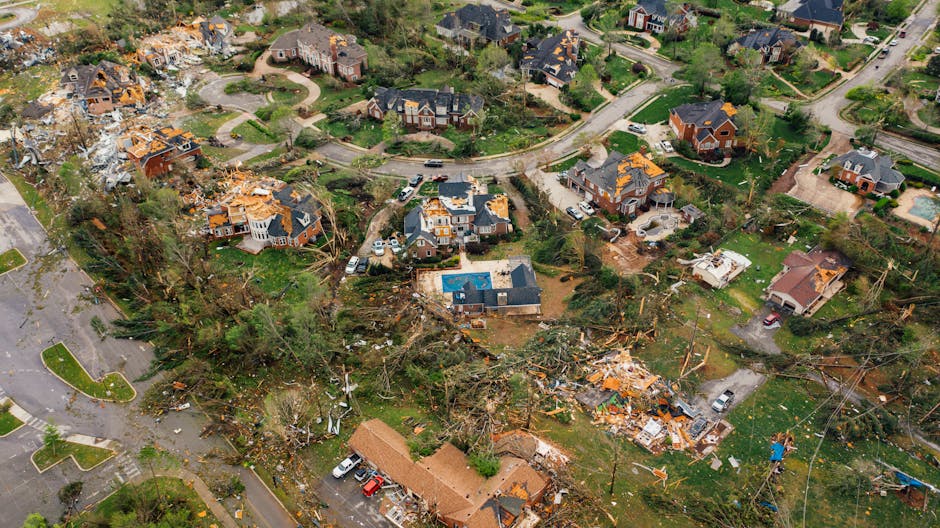

The Atlantic hurricane season runs from June 1st through November 30th. – Image for illustrative purposes only (Image credits: Pexels)
Coastal communities from the Caribbean islands to the eastern United States begin their annual cycle of readiness well before summer arrives. The official Atlantic hurricane season is defined as the stretch from June 1 through November 30. This established period guides forecasting agencies, emergency managers, and residents in timing their planning and resource allocation. Knowing these dates helps focus attention on the months when tropical systems are most likely to develop and move toward land.
Why These Dates Matter for Daily Life
The six-month span provides a clear framework that influences everything from insurance renewals to school evacuation drills. Families along vulnerable shorelines often review their emergency kits and evacuation routes during this window rather than year-round. Local governments schedule public awareness campaigns to coincide with the season’s start, ensuring information reaches people when it is most relevant. The defined timeframe also allows meteorologists to concentrate monitoring efforts without spreading resources thin across the entire calendar year.
How the Season Affects Planning and Response
Emergency officials use the June-to-November boundaries to set budgets and staffing levels for storm response teams. Shipping companies adjust routes and schedules in advance, knowing that disruptions are more probable during these months. Homeowners in at-risk areas typically complete roof inspections and secure outdoor items before the first of June arrives. The consistent dates create a shared reference point that reduces confusion when warnings are issued.
What Remains Consistent Year After Year
The season’s fixed start and end dates have remained unchanged for decades, giving everyone involved a reliable schedule to follow. This predictability supports long-term education programs that teach children and newcomers the basics of hurricane safety. While individual storms can form outside the window, the official period continues to serve as the primary guide for coordinated action across multiple states and nations. Residents and agencies alike treat the November 30 close as a signal to review lessons learned and begin preparing for the following year.