There’s something magical about an album that pulls you in from the first note and doesn’t let go until the very end. Not every collection of songs deserves that kind of attention. Most of the time, we skip around, cherry-picking favorites while the rest just sits there. But some albums? They’re different. They tell a story, build an atmosphere, or create a journey that demands you experience it whole.
These aren’t just playlists thrown together. They’re carefully crafted works where every track feeds into the next, where silence between songs matters, where the fifth track sets up the sixth in ways you don’t notice until your third listen. Let’s dive into five albums that prove listening from start to finish isn’t just recommended – it’s essential.
Pink Floyd – The Dark Side of the Moon
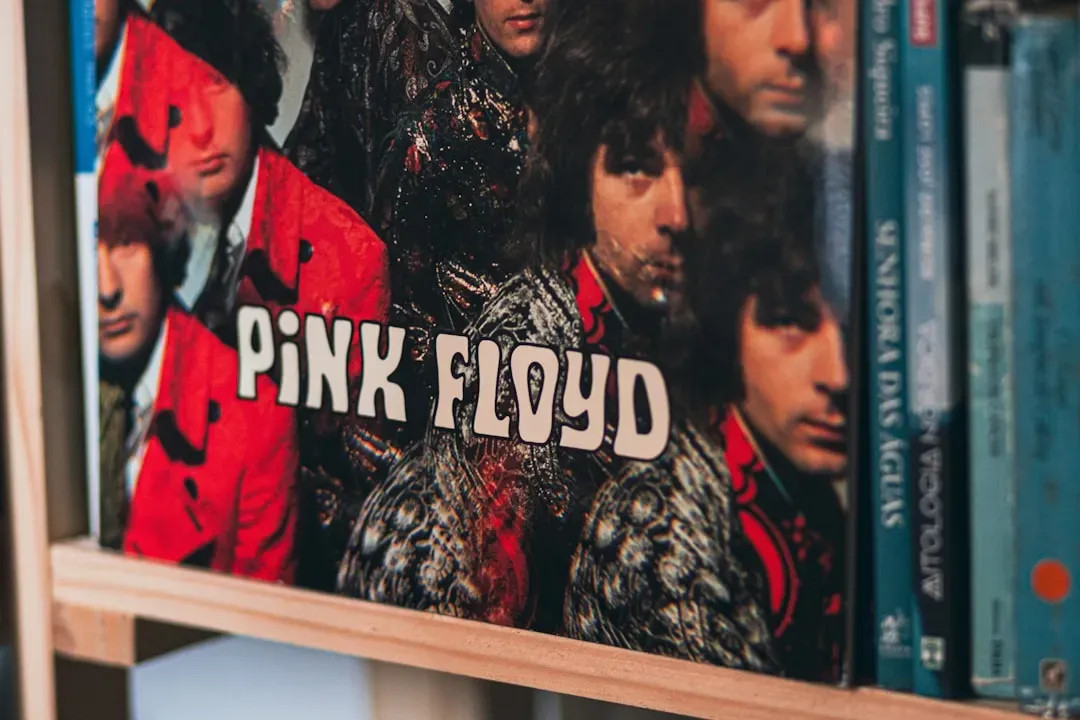
This one’s almost too obvious, but there’s a reason it spent over 900 weeks on the Billboard charts. The Dark Side of the Moon isn’t just an album. It’s an experience that moves through themes of time, madness, and mortality with such fluidity that skipping a track feels like ripping pages out of a novel.
The way “Breathe” melts into “On the Run” creates this anxious energy that builds throughout the first side. Then you hit “Time” with those alarm clocks, and suddenly you’re confronting your own existence. The entire second half flows like consciousness itself, especially when “Brain Damage” slides into “Eclipse” for that perfect ending.
What makes this album work as a complete piece is the sonic experimentation. Those cash register sounds in “Money,” the heartbeat that bookends the whole thing, the spoken-word samples scattered throughout. Take any of that out of context and it’s interesting. Experience it all together, and it’s transformative.
Kendrick Lamar – good kid, m.A.A.d city

Kendrick created something cinematic here. This album plays like a day in the life of a teenager in Compton, complete with voicemails from his mother, spoken skits, and narrative threads that weave through every track. You can’t just jump to “Swimming Pools” and call it a day.
The album opens with a prayer, and from there you’re riding shotgun through Kendrick’s world. “Backseat Freestyle” shows youthful bravado, then “The Art of Peer Pressure” strips that away to reveal vulnerability and bad decisions. Each song adds another layer to the story, another dimension to the character.
By the time you reach “Sing About Me, I’m Dying of Thirst,” you’ve spent so much time in this world that the stakes feel real. The album’s structure mirrors the chaos and reflection of youth. Skipping around breaks that spell. The whole thing needs to breathe as one piece.
Radiohead – OK Computer
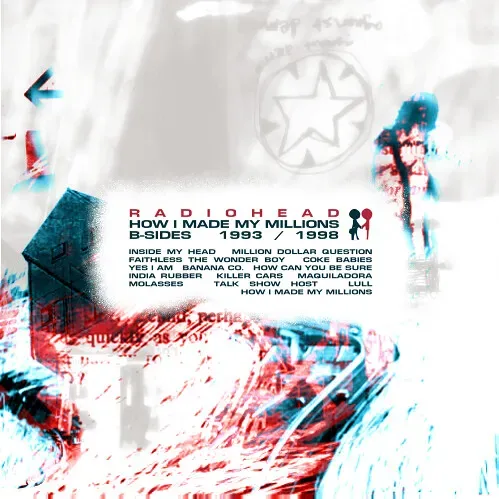
This album predicted our tech-obsessed, alienated future back in 1997. It’s unsettling how relevant it still feels. The paranoia, the disconnection, the way technology was already starting to eat away at human connection. Radiohead captured all of that in a sound that shifts from beautiful to disturbing and back again.
Starting with “Airbag” sets this weird tone of survival and numbness. Then you get “Paranoid Android” with its multiple movements, like a mini rock opera stuffed into six minutes. The album never settles into one mood. “Let Down” feels almost hopeful before “Karma Police” brings back that darkness.
The sequencing matters enormously here. Ending with “The Tourist” after the chaos of “Lucky” gives you this exhale, this moment of “okay, we made it through.” Listen to these tracks on shuffle and they’re great songs. Listen in order and they become a statement about modern existence.
Fleetwood Mac – Rumours
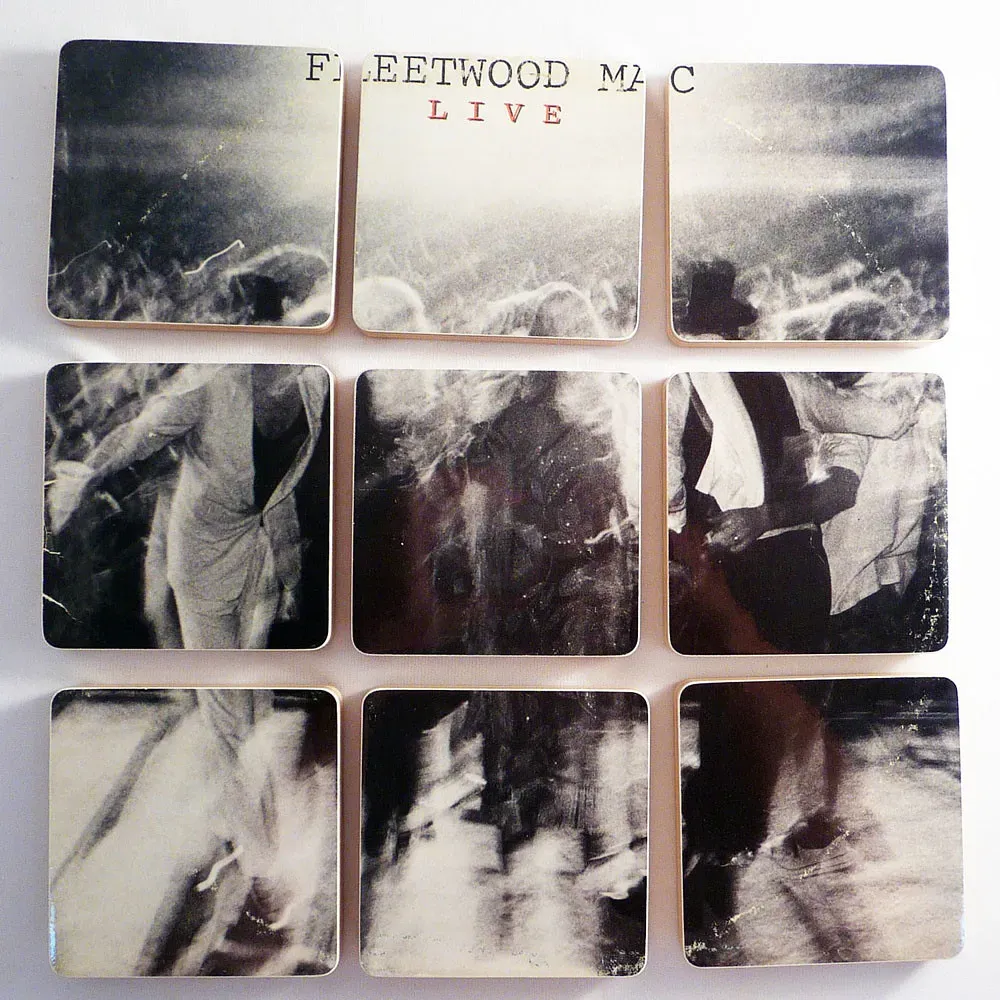
Here’s the thing about Rumours. It’s an album about a band falling apart while making music together. Two couples breaking up, affairs happening, everyone writing songs about each other while stuck in the same studio. That tension, that raw emotion, it’s baked into every second of this record.
The album opens with “Second Hand News,” Lindsey Buckingham essentially saying he’s done, and then Stevie Nicks comes in with “Dreams” telling him he’s going to regret it. This back-and-forth continues throughout. “Go Your Own Way” answered by “Don’t Stop.” It’s like listening to the world’s most talented, most dysfunctional group therapy session.
What’s remarkable is how polished it sounds despite all that chaos. The production is pristine, the harmonies perfect, but underneath there’s this current of pain and anger. Listening straight through, you feel the emotional arc of relationships crumbling. Each song reveals another crack in the foundation until you reach “Gold Dust Woman” and everything’s broken.
The Beatles – Abbey Road
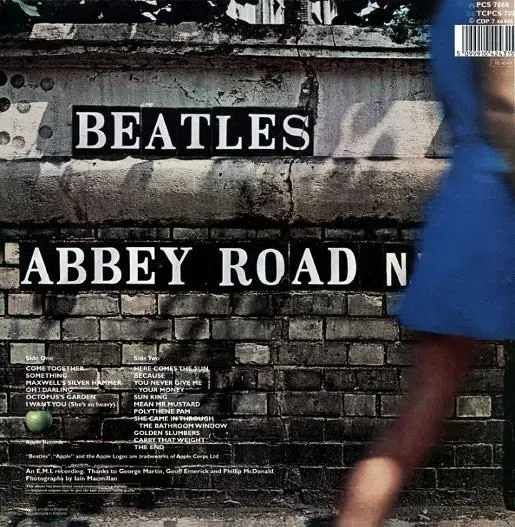
This was The Beatles knowing it was their last album together. You can hear them pouring everything they had left into these songs. Side one has some of their best individual tracks. Side two? That’s where the magic happens with the medley that basically invented the concept of albums as complete artistic statements.
“Come Together” kicks things off with that swagger, then “Something” shows George Harrison finally getting the respect he deserved. But once you flip to side two and hit “You Never Give Me Your Money,” you’re locked in. The medley that follows doesn’t work if you break it apart.
“Sun King” flows into “Mean Mr. Mustard” into “Polythene Pam” into “She Came in Through the Bathroom Window” without pause. These aren’t separate songs anymore. They’re movements in a larger piece. Ending with “The End” and that guitar solo trade-off between all three guitarists? That’s The Beatles saying goodbye in the only way they knew how.
Final Thoughts
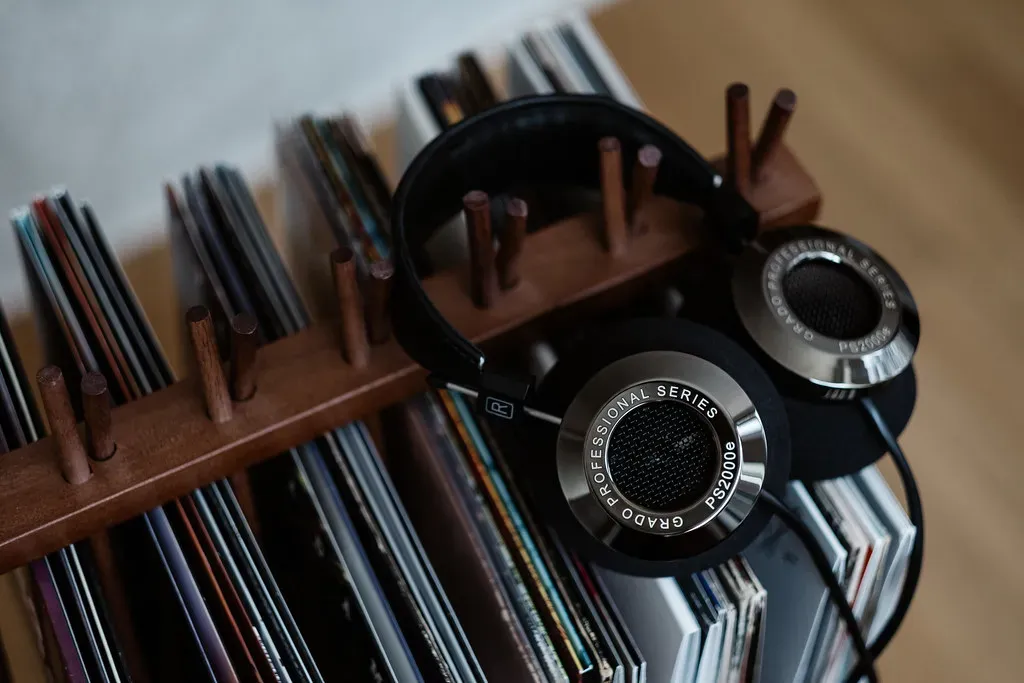
These five albums represent something we’ve lost a bit in the streaming era. The art of the complete listen. Sure, you can queue up individual tracks, make your own playlists, skip what you don’t immediately love. But you’re missing the point.
These records were designed as journeys. The artists spent months, sometimes years, deciding which song follows which, how long the silence should last between tracks, what note should end one song and begin another. That intentionality matters. It creates meaning that goes beyond just the sum of individual parts.
Next time you’ve got an hour, pick one of these albums, put in your headphones, and just listen. Start to finish, no skipping, no distractions. You might remember why albums used to matter so much. What do you think? Tell us in the comments which album changed your perspective on music.