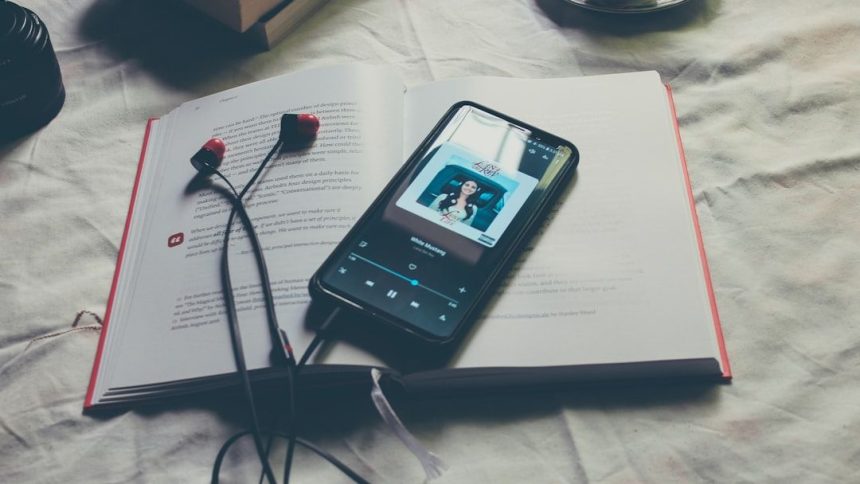
There’s something a little magical about the overlap between music and books. Both pull you into another world, shape how you see things, and can hit you right in the chest when you least expect it. Honestly, it’s not that surprising that the two go together so well. Think about it: the mood you’re in when you press play on your favorite album isn’t so different from the mood you’re in when you crack open a great book.
Music and literature have long been acquainted as a perfect duo, and the harmonious marriage between these two art forms is beautiful and elegant, able to evoke profound emotions and make a book feel more immersive. What’s less obvious, though, is how your musical taste might be pointing you directly toward the books you’d love most. Let’s dive in.
Why Your Music Genre Tells You More Than You Think

Most people assume their playlist is just background noise. Research says otherwise. Studies involving more than 350,000 participants from over 50 countries and 6 continents have found that links between musical preferences and personality are universal. That’s a staggering sample size. It suggests your genre preference isn’t random at all.
Research indicates that music preference is a relatively stable construct that actually reflects personality traits. So when you gravitate toward, say, brooding indie rock or sunny pop, you’re basically revealing something deeper about how you process the world. Studies have found that individuals believe the types of music they favor show information not only about themselves but also about the personalities of those around them.
Roughly about half of Americans read a book last year, and about six in ten Americans planned to attend a concert during the same period, suggesting that many people must read books about music. The overlap between passionate listeners and passionate readers is real, and knowing which books fit your sonic identity can make all the difference.
Rock Fans: Feed the Rebel in You

Here’s the thing about rock fans. They tend to be drawn to books that feel raw, honest, and a little dangerous. Sensation seeking has consistently been found to be linked to a preference for rock, punk, and heavy metal music. That same hunger for intensity translates perfectly to books that don’t hold back.
Jon Savage’s “England’s Dreaming” is a captivating account of the rise and fall of punk rock in Britain, exploring the cultural, political, and musical forces that shaped the movement, from the Sex Pistols to the Clash, and it stands as not only a definitive history of punk but a vivid portrait of a turbulent era that changed the world. If you love guitar-driven anthems about freedom, this book will feel like a natural extension of your playlist.
James A. Cosby’s exploration of rock music from 1964 to 1980 reframes this era as a pivotal chapter in Western culture’s clash between individual freedom and societal order, dissecting influential artists from British Invasion bands to proto-punks and revealing the deeper psychological and cultural currents driving the rock revolution, including how topics like race and spirituality intersected with the music. Rock fans who want the full picture behind the sound will not put this one down.
Hip-Hop Fans: Books With Flow, Depth, and Truth
Hip-hop listeners tend to value authenticity above almost anything else. They spot a fake from a mile away, and they expect the same from what they read. Marcus J. Moore, whose earlier book expertly dissected Kendrick Lamar’s influence on American culture, goes equally deep on the eclectic hip-hop of De La Soul in “High and Rising: A Book About De La Soul,” chronicling the trio’s origins and impact on the genre.
A 400-plus page biography on the life and musical history of hip-hop legend Tupac Shakur was written by sportswriter Jeff Pearlman, who brings receipts, interviews, and dozens of never-before-seen artifacts to his all-encompassing biography “Only God Can Judge.” It’s the kind of deeply researched, fiercely human storytelling that hip-hop fans will immediately recognize as the real thing.
The RZA’s “The Tao of Wu” shares his personal journey of spiritual enlightenment and how he applied the principles of Taoism, Buddhism, Islam, and other wisdom traditions to his music and life. For fans who love the philosophical layers buried in great rap albums, this one is genuinely mind-expanding.
Jazz Fans: Complexity and Contemplation on the Page

Let’s be real, jazz fans are wired differently. Individuals who enjoy classical music may be more open-minded and creative, while those who enjoy jazz music might be more emotionally stable. The jazz listener’s comfort with complexity, improvisation, and emotional nuance maps beautifully onto a certain type of book.
In 1959, Davis, Coltrane, and Evans created the now-iconic “Kind of Blue,” an album that changed the nature of jazz, and author Kaplan’s “3 Shades of Blue” traces the evolution of each musician’s career with painstaking detail, providing a close look at the making of that record. It may be this decade’s best book on jazz, examining the evolution of a musical form and its influence on other genres.
NPR music critic Ann Powers paints a colorful portrait of Joni Mitchell in prose described as having the dazzling lyrical energy of a Mitchell song herself, revealing the iconic musician’s restless creativity as it animates her musical journey across the terrains of folk, jazz, rock, and soul. For a jazz fan who appreciates the blurred edges between genres, Mitchell’s story is practically a sacred text.
Country Fans: Stories Rooted in Real Life
Country music has always been about storytelling. The best country songs are essentially three-minute short stories set to steel guitar. So it’s no shock that country listeners often respond to books with strong narrative bones and emotional honesty baked in.
Tyler Mahan Coe provided both country music scholars and everyday fans with hours of unmatched storytelling through his podcast “Cocaine & Rhinestones,” and for his first book he went even deeper, zeroing in on the romantic and creative partnership of George Jones and Tammy Wynette. The book weaves in the history of seemingly left-field topics like pinball machines and bullfighters, making their connection to country music clear as white lightning.
Rich histories of country music, told through the lens of George Jones and Tammy Wynette’s romance, sit among 2024’s most acclaimed music books. For fans of the genre who believe country is more than a cliche, these titles will feel like coming home. I’d honestly say this pairing is one of the most intuitive on the entire list.
Classical Music Fans: The Intellectually Curious Reader
Classical music lovers tend to approach listening the way scholars approach research. Of all personality traits, openness to experience has been shown to have the greatest effect on genre preference, and in general, those rated high in openness to experience prefer music categorized as more complex and novel, such as classical and jazz. That openness makes them unusually receptive to ambitious, layered books.
Kazuo Ishiguro’s “The Summer We Crossed Europe in the Rain” features 16 song lyrics he penned for acclaimed jazz singer Stacey Kent, set to music by her partner Jim Tomlinson, and this beautifully illustrated collection blends literature and music in a way that feels genuinely unique. It is the kind of book that feels like a composition in its own right.
A definitive biography tracing Joni Mitchell’s musical journey from folk roots to jazz fusion, revealing her groundbreaking artistic transformation through meticulous research and insider perspectives, is also widely celebrated among fans who appreciate musical sophistication. Classical fans who love watching a genius evolve will find this deeply satisfying.
Folk and Indie Fans: Searching for Something Authentic

Folk and indie fans share a certain DNA. They’re skeptical of the mainstream, drawn to the handmade, and attracted to stories about outsiders trying to build something real. David Browne’s history of the music scene in New York’s Greenwich Village is an engrossing panorama, mostly folk, but moving well beyond, teeming with carefully researched detail.
Terri Thal, who was married to Dave Van Ronk and also briefly managed Bob Dylan, wrote a memoir focused on her experiences during the folk revival spanning the late 1950s to the early 1960s. Not so much a linear account as anecdote-focused memories organized into thematic chapters, it’s an interesting read with plenty of wit and candor that doesn’t shy away from more disturbing aspects of the era.
One standout indie book captures the heady spirit of the indie rock community in Chapel Hill, North Carolina, that produced bands like Superchunk and Ben Folds Five, approaching the decade year-by-year and drawing on interviews with musicians, producers, and journalists to re-create the artistic fervor that grew at the heart of that scene. For indie fans, reading this feels like eavesdropping on a conversation they always wished they’d been part of.
Pop Fans: Give Them the Big Picture

Pop music gets dismissed more than any other genre, and that’s a shame. Pop fans are often deeply emotionally intelligent and highly attuned to cultural trends. They notice everything. Research has found that extraverted people generally score high on measures of preferring popular music, suggesting pop fans tend to be outward-facing, socially engaged, and energetic.
Among the best music books of 2024 are titles about artists from R.E.M. to Taylor Swift, De La Soul, and more, covering the full sweep of modern popular music from deeply personal angles. Pop fans who want to understand the mechanics of stardom and cultural impact will find plenty of rich material in these titles.
Mystery, thriller, and suspense books remain the most popular genre among American readers, followed by general fiction, which tells you something interesting. Pop fans, who tend to love big emotional arcs and satisfying payoffs, are often perfectly matched with those exact book genres. The connection makes a lot of sense once you see it.
Heavy Metal Fans: The Genre That Rewards Depth

Metal fans are among the most misunderstood music listeners on the planet. Research consistently shows they’re among the most loyal, passionate, and intellectually curious listeners of any genre. Fans of heavy metal music may lean towards adventurous tendencies, which suggests they’re not just drawn to aggression but to exploration.
Jason Lipshutz of Billboard presents a detailed chronicle of Linkin Park’s rise and enduring influence, exploring how the band blended genres like pop, hip-hop, and nu metal to transform the rock landscape with innovative sound and candid lyrics addressing mental health, offering insights into the band’s creative process from their early beginnings through their groundbreaking albums. Metal fans who love tracing a band’s evolution will find this deeply compelling.
Roddy Bottum’s memoir “The Royal We” draws the curtains on his life, from founding Faith No More with schoolmates in San Francisco in 1981 to coming out of the closet during the AIDS epidemic, running into Kurt Cobain and Guns N’ Roses, playing stadium shows across the world, and grappling with an all-consuming heroin addiction, making it 250 pages of punks, street witches, and no role models. Heavy. Real. Absolutely worth it.
Why Reading and Music Are the Perfect Pair in 2026
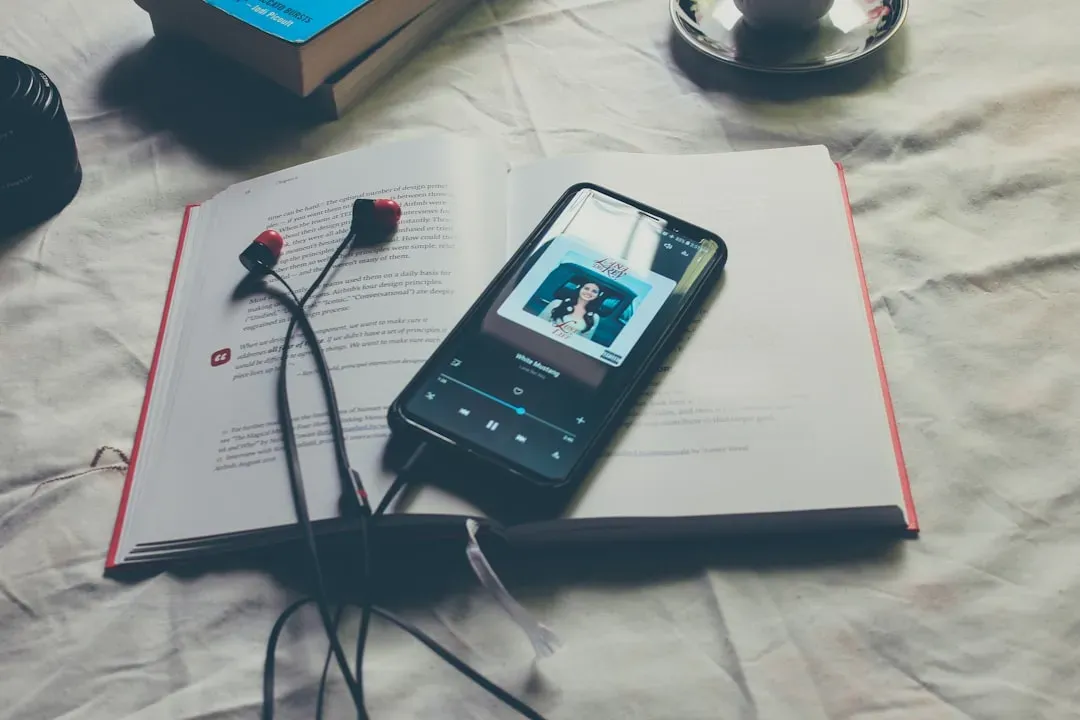
Here’s the broader picture. Six in ten Americans say they read at least one book in 2025, a figure that is in line with similar surveys from 2024 and 2023. The numbers are holding steady, even as entertainment competes harder for attention than ever before. Print books remain resilient, with 783 million units sold in the U.S. in 2024, representing 23% growth over the past decade.
As AI increasingly takes over various creative fields, serious readers value more than ever the real human authors and editors who put in the hard work of researching and crafting books about other creative humans, and for music fans, some of the most cherished books produced today are those that tell the stories of artists who make music and those who bring it to our ears. That hunger for genuine human storytelling is exactly what connects the two art forms.
Research findings suggest that music could play a greater role in overcoming social division, as well as offering currently untapped therapeutic benefits. The same, I’d argue, is true of the right book at the right time. When you combine both, guided by the genres and emotions you already love, you create something close to a personal compass. And that, honestly, might be the best reading list of all. What do you think, does your favorite genre already tell the story of what you love to read? Drop your thoughts in the comments.