We’ve all been there. The credits roll, the lights come up, and you’re still glued to your seat trying to process what just happened. A truly great movie ending doesn’t just wrap things up. It completely changes how you see everything that came before.
Some finales are so powerful they stick with you for days, weeks, even years. They challenge your assumptions, flip the script, and leave you questioning reality itself. These aren’t your typical Hollywood conclusions where the hero rides off into the sunset. These are the endings that dared to be different, that took risks, and in doing so, transformed cinema forever.
The Sixth Sense Pioneered the Modern Plot Twist
M. Night Shyamalan’s 1999 thriller didn’t just surprise audiences. It fundamentally changed how we watch movies. When Bruce Willis’s character realizes he’s been dead the entire time, it forces you to mentally rewatch the entire film in seconds.
The genius lies in how fair it plays. Every clue was there from the beginning. The muted color palette around Malcolm. His wife ignoring him at dinner. The way other characters only seemed to interact with Cole.
After The Sixth Sense, audiences started watching films differently. We became detectives, looking for hidden meanings and searching for the twist. Studios tried to replicate this magic countless times, but few succeeded with such elegance.
Psycho Killed Its Main Character Halfway Through
Alfred Hitchcock did something absolutely unthinkable in 1960. He murdered his biggest star, Janet Leigh, barely thirty minutes into the film. Audiences were shocked, confused, and completely unprepared for what came next.
The shower scene itself became iconic, sure. Yet the real revolution was structural. Hitchcock proved you could break every rule of conventional storytelling and still create a masterpiece.
Before Psycho, protagonists were safe until at least the third act. After it, all bets were off. Game of Thrones killing Ned Stark in season one? That’s Hitchcock’s influence echoing through decades.
The Usual Suspects Made Unreliable Narration an Art Form
Verbal Kint limps out of the police station. Then the coffee cup drops. Detective Kujan realizes every detail of the story came from objects around the office. The entire narrative was a fabrication.
Bryan Singer’s 1995 crime thriller showed that the story itself could be the greatest deception. Kevin Spacey’s transformation from seemingly harmless cripple to the mythical Keyser Söze happens in seconds, yet retroactively rewrites everything.
This ending taught screenwriters that audiences don’t mind being manipulated if you do it brilliantly. It’s not about the twist itself. It’s about making viewers want to immediately rewatch and spot what they missed.
Chinatown Proved Happy Endings Aren’t Mandatory

Roman Polanski’s 1974 noir ended with perhaps the most devastating line in cinema history. “Forget it, Jake. It’s Chinatown.” Evil wins. Corruption prevails. The good guy fails completely.
This wasn’t just pessimistic. It was revolutionary. Hollywood had spent decades selling hope and resolution. Chinatown said life doesn’t work that way sometimes, and cinema shouldn’t pretend otherwise.
The ending resonated because it felt honest. Real life doesn’t always reward the righteous or punish the wicked. Sometimes the system is too broken, too corrupt, and one person can’t fix it no matter how hard they try.
Planet of the Apes Used Science Fiction for Social Commentary
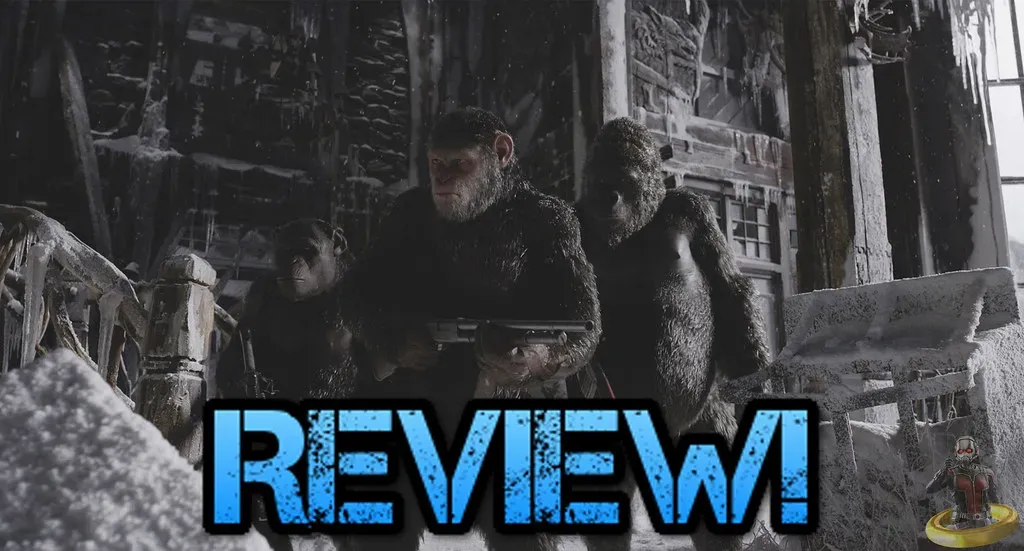
Charlton Heston collapses in the surf, pounding the sand before the half-buried Statue of Liberty. “You maniacs! You blew it up!” That final image transformed a fun sci-fi adventure into something much deeper.
Franklin J. Schaffner’s 1968 film pulled off an incredible bait-and-switch. Audiences thought they were watching a story about another planet. The reveal that Earth destroyed itself through nuclear war hit like a punch to the gut.
This ending proved blockbuster entertainment could carry serious messages. Science fiction wasn’t just escapism anymore. It became a mirror reflecting our own potential self-destruction back at us.
The Graduate Captured Generational Uncertainty
Benjamin and Elaine escape on that bus, laughing triumphantly. Then their smiles slowly fade. The realization dawns that they have absolutely no plan. Mike Nichols holds that shot for an excruciating length of time.
That 1967 ending resonated with an entire generation questioning traditional paths. The supposed happy ending reveals itself as possibly the beginning of another mistake. Did they escape something terrible or just create a new problem?
Modern romantic comedies still reference this ambiguous conclusion. It showed that getting the girl doesn’t automatically mean happily ever after. Real life is messy, uncertain, and complicated.
2001: A Space Odyssey Left Everyone Confused on Purpose
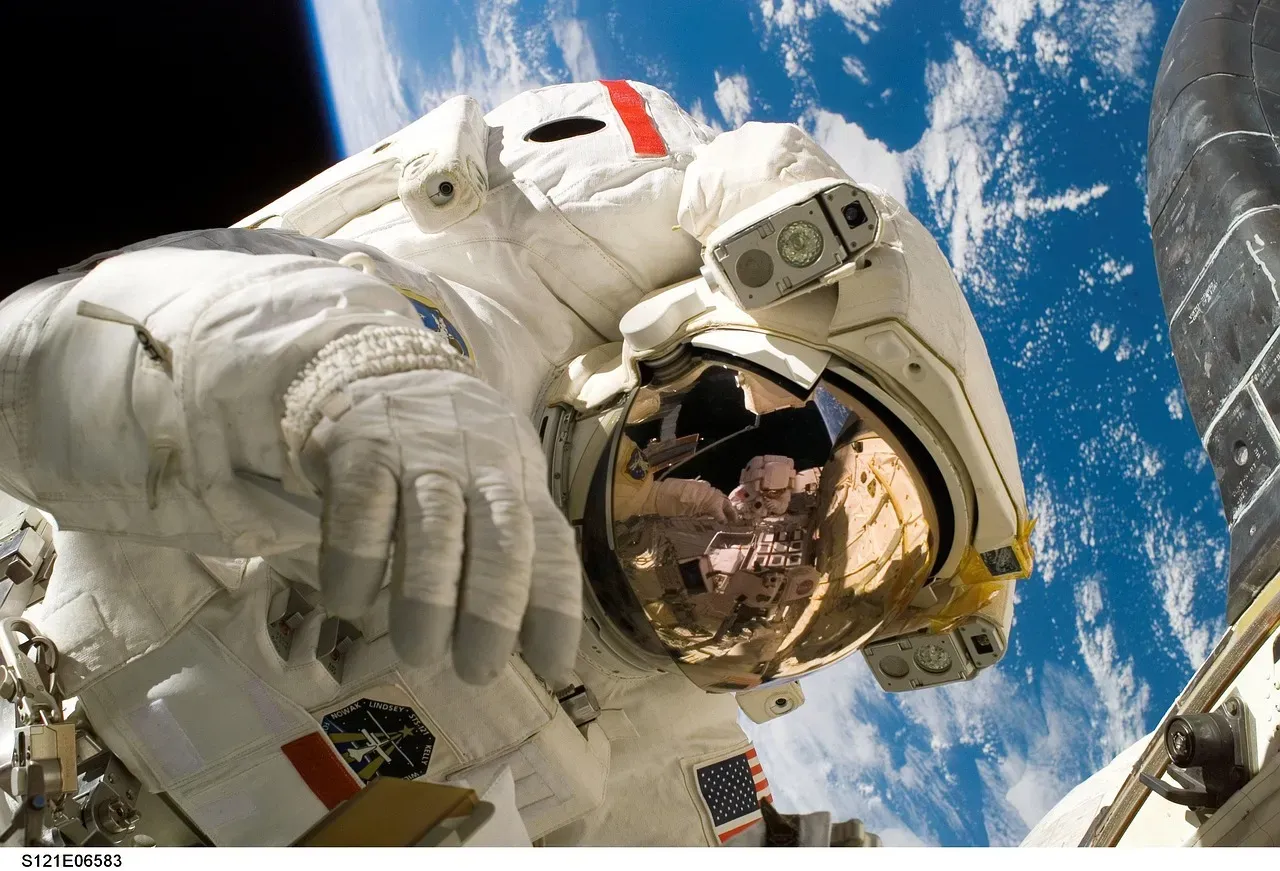
Stanley Kubrick’s 1968 masterpiece ends with the Star Child, and honestly, most people still don’t fully understand it. The psychedelic journey through space and time defied explanation, and that was entirely intentional.
Kubrick created an ending that demanded interpretation rather than providing answers. Different viewers see different meanings. Some find transcendence, others find horror, many find both simultaneously.
This conclusion proved that cinema could be genuinely artistic and abstract. Movies didn’t need to spoon-feed audiences. They could challenge, perplex, and inspire endless debate.
Memento Revealed Its Protagonist as Unreliable

Christopher Nolan’s 2000 thriller ultimately reveals that Leonard killed his wife with the insulin overdose and has been manipulating himself into revenge killings ever since. The entire quest for justice was based on lies he told himself.
The reverse chronology makes this revelation devastating. We’ve been rooting for Leonard, trusting him despite his condition. Learning he’s been engineering his own delusion forces us to question everything about memory, identity, and truth.
This ending influenced countless psychological thrillers that followed. It showed that the puzzle-box structure could serve emotional and philosophical purposes beyond mere cleverness. Form and content worked together perfectly.
Great endings don’t just conclude stories. They recontextualize everything, challenge assumptions, and linger in your mind long after the screen goes dark. These films proved that taking risks with conclusions could create something genuinely unforgettable. They changed not just their own stories but influenced how filmmakers approached storytelling for generations. Did any of these endings completely blow your mind when you first saw them? Tell us in the comments.