
Every summer, thousands of music lovers descend on festival sites around the globe, bringing with them an enthusiasm that’s matched only by the mountains of waste left behind. It’s wild when you think about it. Here we are, celebrating life and culture under open skies, while sometimes trampling the very earth we claim to love. Thankfully, a growing number of festivals are proving that you don’t have to choose between incredible lineups and environmental responsibility. They’re rethinking everything from energy sources to food waste, water consumption to carbon footprints, and honestly, the results are pretty inspiring.
Glastonbury Festival Goes Fossil Fuel Free

In 2023, Glastonbury Festival in the UK became the first major event of its scale to run entirely on renewable energy and renewable fuels, eliminating the need to rely on fossil fuels for power. Let’s be real, when a festival that hosts nearly 200,000 people manages to ditch diesel completely, that’s a game changer. All production areas were powered by electricity from lower impact, fossil fuel-free sources or ran on solar PV and battery hybrid systems, with all generators running on sustainable, renewable palm oil-free HVO fuel made from waste cooking oil, helping to reduce lifecycle CO2e emissions by up to 90 percent. The festival’s own solar array and anaerobic biogas plant, which turns cow manure into energy, have been running for years now. What I found surprising is how much of this has been incremental work over decades, not some overnight transformation.
DGTL Amsterdam’s Circular Economy Experiment

DGTL Festival in Amsterdam has taken a totally different approach by aiming to become what they call a fully circular festival. According to a YOUROPE case study, by 2022 DGTL ended up with about 20 grams of residual waste per visitor per day, whereas before their circular projects in 2019 it had been 93 grams. That’s a massive drop when you think about how much stuff flows through a festival. DGTL received the award of ‘Most sustainable festival in the world’ from A Greener Festival in 2019, which honestly doesn’t surprise me given their obsessive attention to detail. They’ve built a “Resource Street” where waste becomes visible as a resource rather than something hidden away. Setting up and breaking down the festival are now completely waste-free by selecting and designing products and processes that focus on ease of assembly and disassembly, and thanks to visitors actively contributing, they can now manage to clean up the festival site with a smaller crew.
We Love Green Sets the Plant-Based Standard
We Love Green Festival in Paris went entirely meat-free for the first time in 2023, leading to a seven-fold reduction in the carbon emitted by its food offering. Seven times less. That’s not a typo. The festival became 100% vegetarian and open to all since 2023, with a selection of 50 artisan restaurateurs following a strict charter requiring seasonal, local products and at least 50% sustainable or organic farming, with charter compliance verified by Ecotable through an audit of all restaurant invoices. I think what makes this particularly clever is that they didn’t just slap some veggie burgers on the menu and call it a day. They worked with local chefs to create genuinely delicious food that makes sustainability taste good.
Roskilde Festival Champions Water Conservation
Denmark’s Roskilde Festival has made water conservation a central pillar of its sustainability program. According to the Copenhagen Convention Bureau, Roskilde has tested water purification systems, renewable energy solutions and new waste solutions as part of using the festival as a test platform for circular solutions. The festival sets up supermarkets, water stations, a laundromat and even a pharmacy on site, which reduces the need for single-use packaging. At all food stalls, the carbon footprint of each meal was highlighted on the sign, achieved through a partnership with WWF’s One Planet Plate. It’s hard to say for sure, but I’d bet that kind of transparency makes people pause and think about their choices, even if just for a moment.
Plastic Bans Become the New Normal
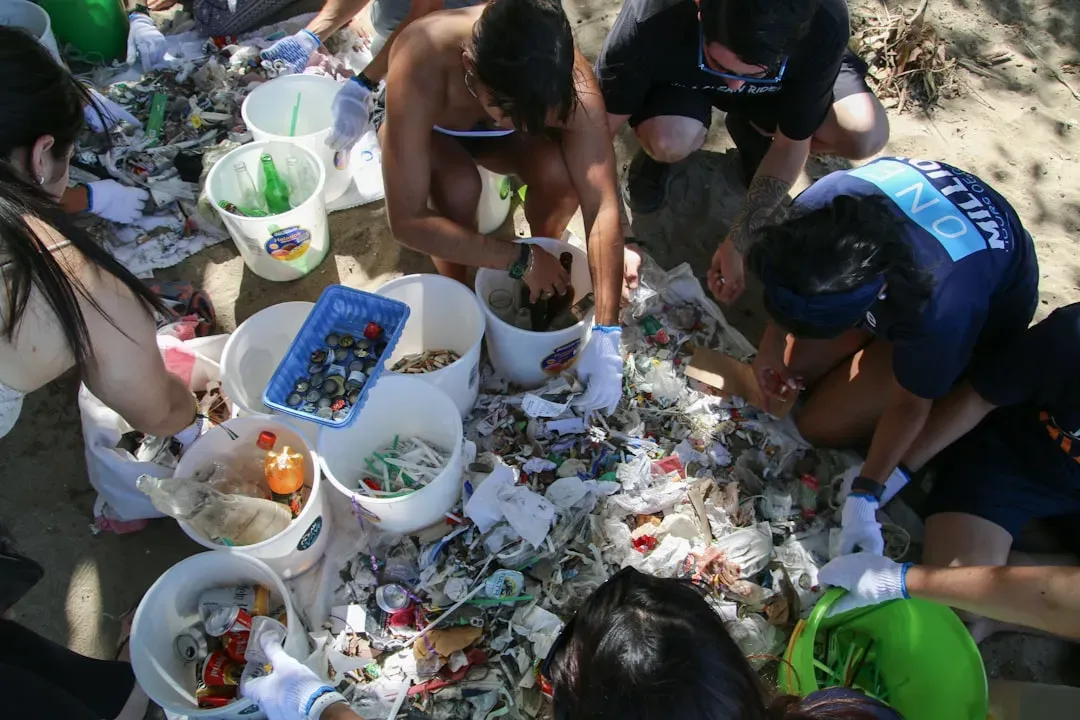
Single-use plastic has become the villain of festival sustainability, and rightfully so. Glastonbury’s ban on the sale of single-use plastic drinks bottles and environmentally hazardous disposable vapes helped reduce waste and promote more sustainable alternatives, and thanks to festival-goers’ efforts, since 2019 over 99% of all tents and camping equipment has been taken home after the festival. Getting people to take their stuff home sounds simple, but it’s actually a huge cultural shift. The sustainability practices DGTL has put in place have set a standard for festival sustainability in Amsterdam, where in order to receive a permit for your event, the city has made 100% renewable energy and 100% separation of waste at the site a requirement. When cities start mandating these standards, you know the movement has gone mainstream.
A Greener Festival Certification Raises Standards

Independent verification matters when festivals make environmental claims, otherwise it’s just greenwashing with good intentions. A Greener Festival is an organization that provides accreditation and awards for sustainable events, setting measurable benchmarks that festivals must meet. These certifications look at energy use, waste management, water conservation, transport, and more. Festivals that pursue this kind of third-party validation tend to be the real deal rather than just festivals slapping “eco-friendly” on their marketing materials. The transparency required for certification forces organizers to track data meticulously and improve year after year.
Renewable Energy Infrastructure Gets Creative

Glastonbury installed a 28-metre wind turbine in 2023 right at the heart of the festival, which took just six weeks to install and was erected in just one day, with the turbine able to spin at up to 120mph and produce up to 300kW per day, enough to power 300 fridges. Solar panels, wind turbines, biofuel generators made from cooking oil. These aren’t experimental technologies anymore; they’re proven solutions being deployed at scale. According to a sustainability case study, We Love Green Festival in Paris powers all stages with 100% renewable energy. The festivals pioneering these systems are essentially functioning as research labs, testing what works in high-demand, temporary settings that could then be applied more broadly.
Why This Matters Beyond the Festival Gates
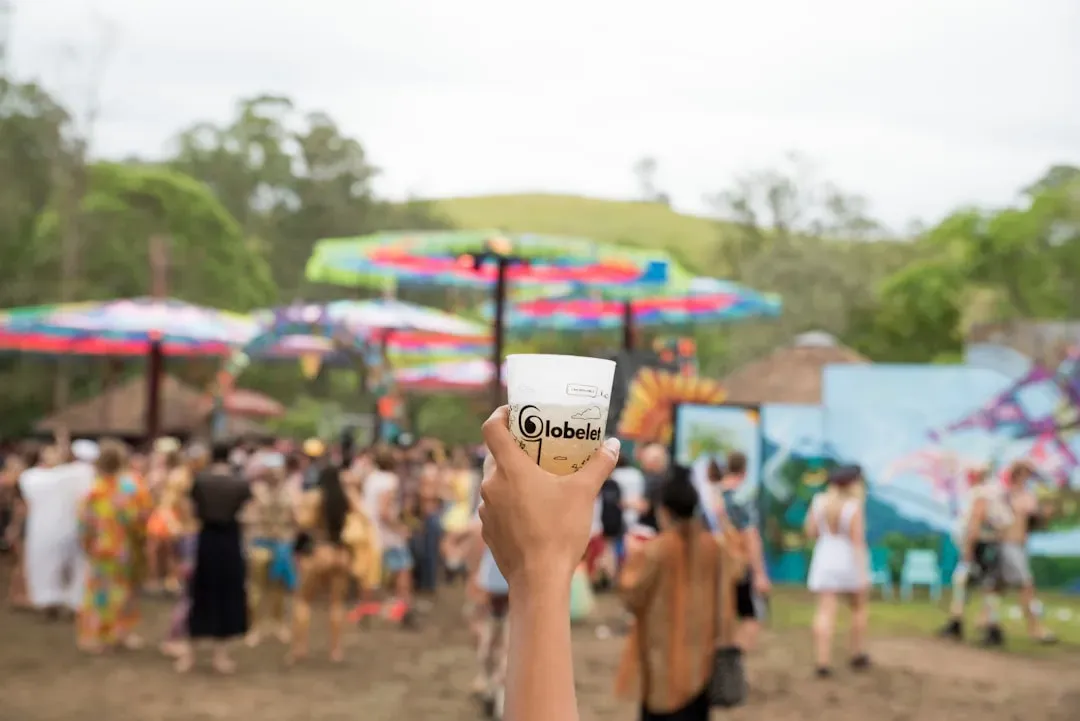
DGTL views the festival as a micro-cosmos or kind of a city where people have to travel, eat, drink, and go to the toilet, and they give stakes to circulation innovation in the city so innovators can try systems at the festival and later grow these systems and implement them in the city. That’s the real potential here. Festivals are temporary cities with concentrated populations facing every infrastructure challenge a real city does, just compressed into a few days. When Roskilde tests compost toilets or water purification systems, those learnings scale. When We Love Green proves plant-based catering can work for tens of thousands, restaurants pay attention. The ripple effects extend far beyond the festival season.
What do you think? Would you be willing to pay a bit more for a festival ticket if it meant genuinely sustainable operations? Sometimes progress costs money upfront, even if it saves the planet down the line.