
We’ve all been there. You’re staring at a screen, drowning in tasks, and your brain feels like it’s running through molasses. So you reach for your headphones, hoping the right playlist will magically transform you into a productivity machine. But here’s the thing: not all music is created equal when it comes to getting stuff done.
Scientists have actually spent a surprising amount of time studying what happens to our brains when we work with music. The results? They’re more nuanced than you might think. Some genres can turn you into a focus powerhouse, while others might secretly be sabotaging your workflow. Let’s dive into what the research really says about music and productivity, and which tunes might actually help you crush your to-do list.
Classical Music and the Mozart Effect

You’ve probably heard about the Mozart Effect, that famous claim that listening to classical music makes you smarter. The truth is a bit more complicated than that. While Mozart won’t boost your IQ, research from Stanford University found that classical music from the Baroque period can genuinely help organize brain function and improve attention spans.
The key lies in the structure. Composers like Bach, Vivaldi, and Handel created pieces with predictable patterns that seem to sync up nicely with how our brains process information. Studies show that people working on detail-oriented tasks made fewer errors when listening to classical music compared to complete silence or other genres.
The tempo matters too. Classical pieces around 60 beats per minute appear to create an alert yet relaxed state that’s perfect for concentration. Your heart rate actually syncs with the music’s rhythm, creating a calm baseline that lets your mind focus on complex tasks without getting stressed.
That said, classical music isn’t a universal solution. If you find it pretentious or boring, it probably won’t work for you. Your brain needs to enjoy the music for the benefits to kick in.
Nature Sounds and White Noise

Technically not music, but science says nature sounds deserve a spot on your work playlist. Research published in the Journal of the Acoustical Society of America found that natural soundscapes like rain, ocean waves, and forest ambiance can mask distracting office noises while creating a cognitively restorative environment.
Here’s what’s fascinating: our brains are wired to find nature sounds soothing because they signal safety. Unlike sudden sounds that trigger alert responses, the consistent patterns in rainfall or rustling leaves tell our nervous systems everything’s fine. This lowers cortisol levels and helps maintain focus over longer periods.
White noise works similarly by covering up jarring sounds that would normally break concentration. A study from the Rensselaer Polytechnic Institute showed that workers in open offices performed better on cognitive tasks when low-level ambient sound was introduced. The magic number seems to be around 50 decibels, roughly the volume of moderate rainfall.
But there’s a catch. If you work in a genuinely quiet environment, adding nature sounds might actually create more distraction than it solves. Context matters.
Video Game Soundtracks

Let’s be real, this might sound weird at first. Video game music for work? Turns out scientists have found this genre uniquely suited for sustained concentration. The reason is pretty clever when you think about it.
Game soundtracks are literally designed to keep you focused for hours without becoming annoying or distracting. Composers create these pieces knowing players need to concentrate on complex tasks while the music loops endlessly in the background. Research from the University of Windsor found that video game music improved performance on attention-demanding tasks more effectively than most other genres.
The structure tends to be instrumental, avoiding lyrics that compete with your verbal processing. The melodies stay engaging enough to drown out environmental noise but remain repetitive enough that your brain can tune them out when needed. Games like Minecraft, Stardew Valley, and The Legend of Zelda feature soundtracks that hit this sweet spot perfectly.
Neuroscientists have noted that game music often incorporates tension and release patterns that mirror problem-solving processes. This creates a subconscious alignment between what you’re hearing and what you’re doing, potentially enhancing your workflow.
Lo-Fi Hip Hop and Chill Beats

If you’ve been on YouTube in the past few years, you’ve probably stumbled across those 24/7 lo-fi hip hop streams with the animated girl studying forever. There’s actual science backing why this genre has exploded among workers and students.
Lo-fi hip hop typically sits between 80 and 90 beats per minute, a tempo that research suggests promotes relaxation while maintaining alertness. The genre’s defining characteristics include simple, repetitive beats, minimal vocals, and imperfect sound quality that feels oddly comforting. Studies indicate that this combination activates the brain’s default mode network in ways that facilitate creative thinking.
The repetitive nature matters here. Your brain quickly recognizes the patterns, allowing the music to fade into the background while still providing enough stimulation to prevent boredom. Researchers at the University of Miami found that people listening to lo-fi beats reported feeling less anxious and more capable of entering flow states during work.
The imperfections, those deliberate crackles and slightly off-key notes, might actually be helping too. They create a sense of authenticity and warmth that makes the music less intrusive than perfectly polished productions.
Music Between 50 and 80 BPM

Scientists keep coming back to tempo when studying music and productivity. Research consistently shows that songs between 50 and 80 beats per minute create optimal conditions for focused work, regardless of genre.
This range aligns with our resting heart rate, creating what researchers call “entrainment,” where your body’s rhythms sync with external stimuli. A study from the Mind Lab Institution in the UK found that music in this tempo range reduced stress levels by roughly two-thirds while improving accuracy on data entry tasks.
What’s interesting is that this principle works across multiple genres. Whether it’s ambient electronic, certain jazz pieces, or even some indie folk, the tempo matters more than the style. Your brain processes the rhythm first, and that rhythmic foundation influences everything else about how you respond to the music.
Slower tempos discourage rushing and promote methodical thinking. If you’re doing detailed work that requires precision, music in this range helps you maintain a steady pace without feeling sluggish. The key is finding songs that stay in this zone consistently rather than varying wildly in speed.
Ambient and Electronic Music
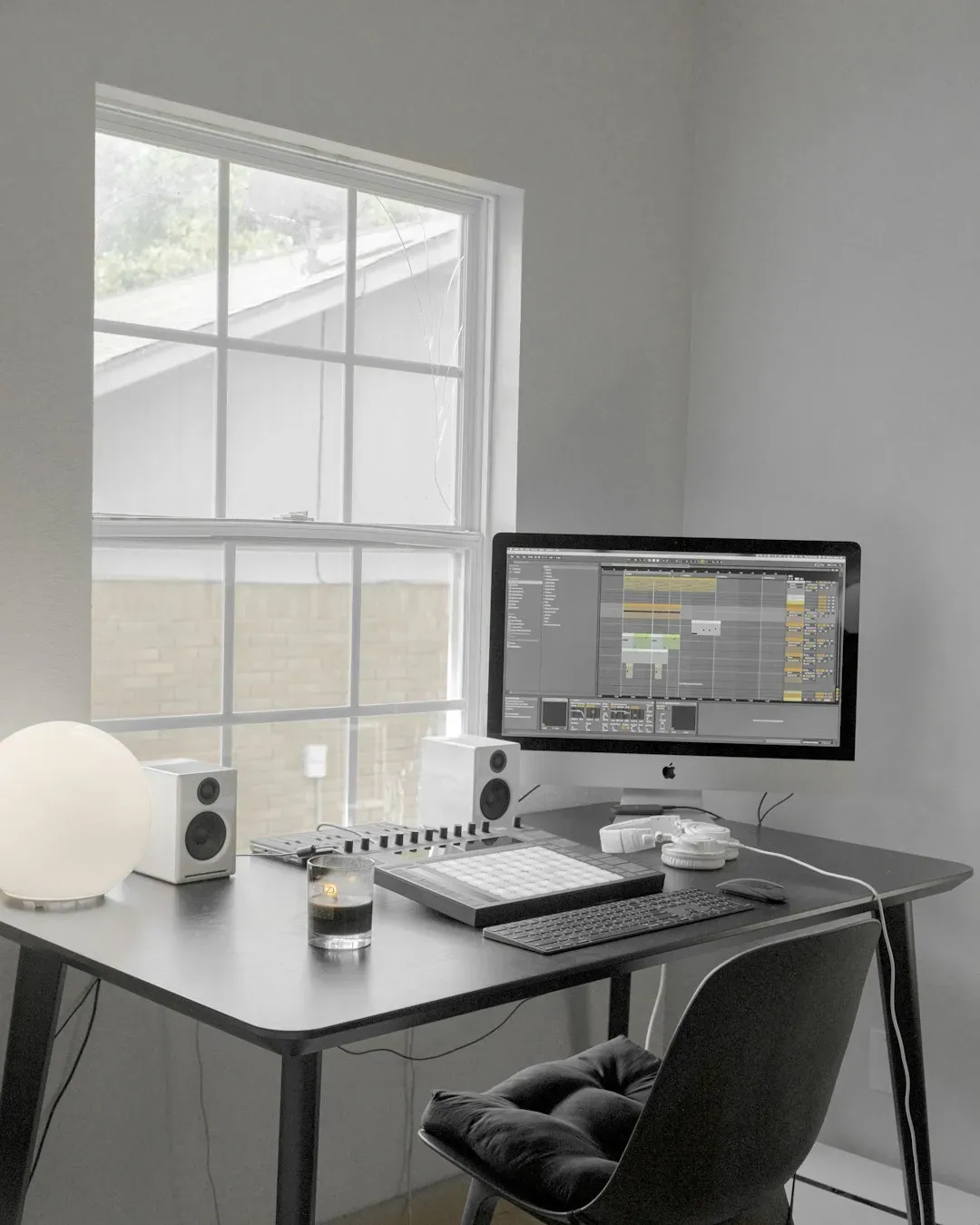
Brian Eno didn’t coin the term “ambient music” just to sound cool. He specifically designed it to be “ignorable as it is interesting,” which turns out to be the perfect formula for background work music. Neuroscientific research has validated what Eno intuitively understood about how our brains process atmospheric sound.
Ambient music typically features long, sustained tones, minimal percussion, and slowly evolving textures. Studies from McGill University found that this type of music activates the brain’s reward pathways without demanding active attention. It creates a sonic environment that feels spacious and calming, reducing the cognitive load of processing what you’re hearing.
Electronic genres like downtempo, chillwave, and certain types of techno work similarly. The consistent beats provide structure while the synthesized sounds lack the emotional associations we have with traditional instruments. Your brain doesn’t try to identify a sad violin or triumphant trumpet, it just processes pure sound.
Research indicates that music without strong cultural or emotional baggage might actually be better for work because it doesn’t trigger memories or associations that pull attention away from tasks. The lack of lyrics obviously helps too, keeping your language processing centers free for actual work.
Music Without Lyrics

Speaking of lyrics, let’s talk about why they’re generally bad news for productivity. Multiple studies have shown that songs with words significantly impair performance on tasks requiring language processing, which includes most office work.
The issue is pretty straightforward. Your brain’s language centers can’t effectively process lyrics and written text simultaneously. Research from the University of Wales demonstrated that people reading or writing while listening to music with lyrics made substantially more errors than those listening to instrumental music or working in silence.
Even if you’ve heard the song a thousand times and think you’re tuning out the words, your brain is still processing them on some level. Brain imaging studies show that lyrics activate the same neural pathways used for reading and conversation, creating direct competition with work tasks.
That said, lyrics might actually help for certain types of work. If you’re doing purely physical tasks or repetitive manual work that doesn’t involve language, songs with words won’t cause the same interference. The context of your work matters enormously when choosing whether vocal music helps or hurts.
Conclusion

Science has given us a surprisingly detailed picture of how music affects work performance. The evidence points toward instrumental music with moderate tempo, familiar rather than new tracks, and volumes you can barely hear over your own thoughts. Classical, ambient, lo-fi, and video game soundtracks consistently emerge as top performers across multiple studies.
But here’s the thing the research also makes clear: individual differences matter enormously. What works for your coworker might tank your productivity. The smartest approach involves treating scientific findings as starting points for experimentation rather than rigid rules. Pay attention to how different music actually affects your work quality and adjust accordingly.
What’s your go-to work music? Does it match what the science suggests, or have you found something completely different that works for you? Share your favorite focus playlist in the comments.