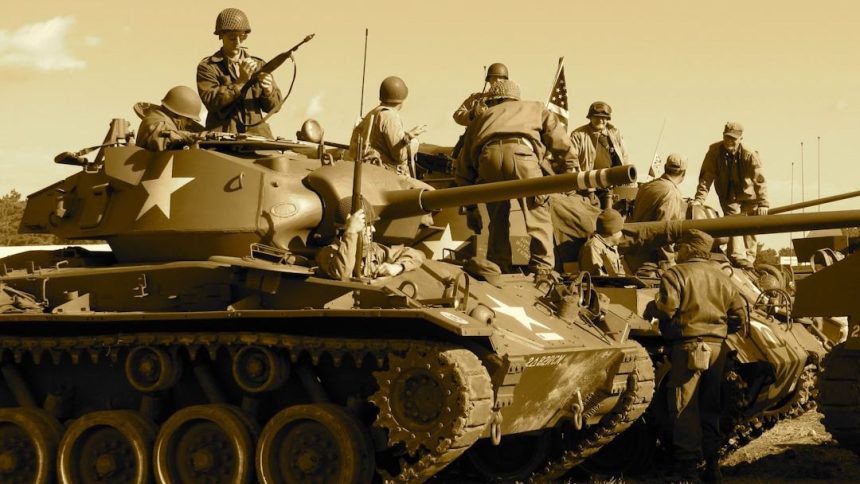
War films occupy a strange place in cinema. They’re simultaneously the most devastating genre and one of the most persistently watchable. At their worst, they glamorize violence. At their best, they force audiences to sit inside something deeply uncomfortable and come out the other side knowing more about what it means to be human under unbearable pressure.
From patriotic stories of heroism in the face of human cruelty to warnings against the futility of war, how these stories are told matters. Films about war foster important discussions on a wide range of topics including motives for warfare, treatment of veterans, and human rights issues while bringing the reality of war into vivid, tangible light. The films on this list represent the best of that tradition. Not all of them agree on what war means. Several contradict each other directly. That’s part of what makes the genre so alive.
Saving Private Ryan (1998) – The Benchmark

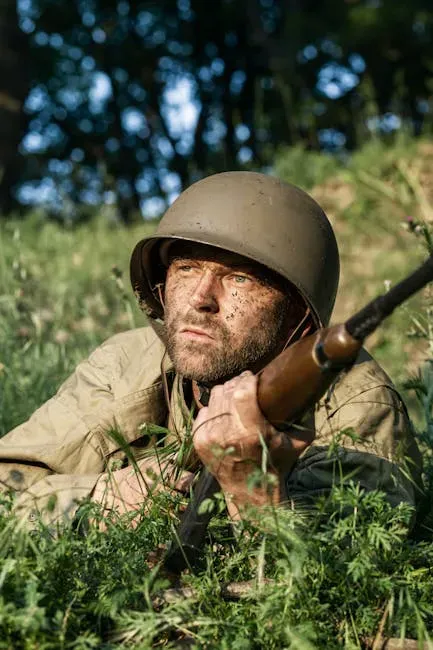
Released on July 24, 1998, Saving Private Ryan became one of the year’s most successful films, earning critical acclaim for its graphic portrayal of combat. WWII veterans described the combat scenes as the most realistic portrayal of their own experiences they had seen; some said they had been unable to watch it due to their traumatic memories. That reaction alone tells you something about what the film achieved. It wasn’t just dramatic filmmaking. It was documentation.
The film earned $481.8 million, making it the second-highest-grossing film of 1998, and went on to win many accolades, including Golden Globe, Academy, BAFTA, and Saturn awards. Saving Private Ryan’s battle-scene filming techniques inspired many subsequent war, action, and superhero films, and numerous directors have cited it as an influence. The R-rated war movie ended up taking home five statuettes at the 71st Academy Awards, including a Best Director Oscar for Spielberg.
Apocalypse Now (1979) – Madness As Method


Coppola came on board, leading to one of the most notoriously problematic productions in film history, with shooting lasting for over a year, but the results speak for themselves in what is a napalm-soaked epic masterpiece. The story follows Captain Benjamin Willard (Martin Sheen), who is sent on a secret mission to journey deep into the Cambodian jungle to assassinate Colonel Kurtz (Marlon Brando), a once-respected officer who has gone rogue and established a cult-like rule over local tribes.
Apocalypse Now has often been cited as Coppola’s grandest masterpiece, a film about men existing on the edge of sanity influenced by the madness that surrounded every facet of its production. It’s a vastly different kind of war film from the more conventional Saving Private Ryan, but it is no less effective and is far more psychologically unsettling. It doesn’t explain the Vietnam War. It puts you inside it until explanation stops mattering.
Schindler’s List (1993) – The Weight of One Life

Schindler’s List is a 1993 American epic historical drama film directed and co-produced by Steven Spielberg and written by Steven Zaillian. It is based on the historical novel Schindler’s Ark (1982) by Thomas Keneally. The film follows Oskar Schindler, a German industrialist who saved more than a thousand mostly Polish-Jewish refugees from the Holocaust by employing them in his factories during World War II.
The film was named the best of 1993 by critics such as James Berardinelli, Roger Ebert, and Gene Siskel. Deeming the film “culturally, historically or aesthetically significant,” the Library of Congress selected it for preservation in the National Film Registry in 2004. Schindler’s List stands out as one of the greatest war movies of all time because of its unflinching depiction of the Holocaust. The movie is so unforgettable because it centers on the civilian victims of war, specifically the Jewish population targeted by the Nazi regime, as well as the courage one man showed.
Come and See (1985) – The Hardest Film Ever Made

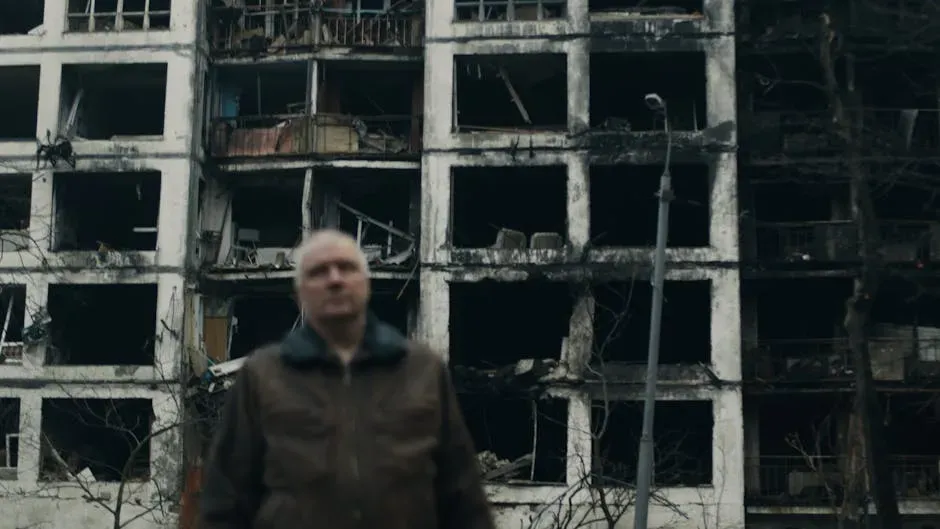
Come and See is a 1985 Soviet epic historical anti-war film directed by Elem Klimov and starring Aleksei Kravchenko and Olga Mironova. Klimov had to fight eight years of censorship from the Soviet authorities before he was allowed to produce the film in its entirety. The film’s plot focuses on the German occupation of Byelorussia during World War II, and the events as witnessed by a young Belarusian teenager named Flyora, who joins a partisan unit, and thereafter depicts the Nazi atrocities and human suffering inflicted upon the populace.
The film is generally considered one of the greatest anti-war movies ever made, and one with the most historically accurate depictions of the crimes on the Eastern Front. It ranked 154 among critics, and 30 among directors, in the 2012 Sight and Sound polls of the greatest films ever made, while it ranked 104 among critics, and 41 among directors, in the 2022 Sight and Sound polls. Repeated viewings are genuinely difficult. That’s entirely the point.
Lawrence of Arabia (1962) – The Grand Stage

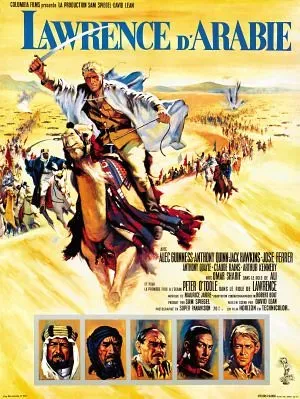
Known as one of the best historical epics of all time, director David Lean’s Lawrence of Arabia follows the titular character (played by Peter O’Toole) as he travels to Greater Syria during the First World War. There, he serves as a liaison between the British and the Arabs, but soon betrays his orders and embarks on a bold attack against a Turkish port. The critically acclaimed film won seven Oscars in 1963, including Best Picture and Best Director.
Arguably the most perfectly made war movie of all time, David Lean’s groundbreaking 1962 masterpiece Lawrence of Arabia is a grand tale that is timelessly thrilling. It tells the unbelievable true story of famed archeologist, explorer, and soldier T. E. Lawrence (played by Peter O’Toole), who helps lead the Arab kingdom to victory against the Ottoman Empire during World War I. The film is often cited as the greatest ever made, and Spielberg himself has referred to Lean’s film as his favorite on many occasions and has even said that it was the film that inspired him to become a filmmaker.
Paths of Glory (1957) – Kubrick’s Quiet Fury

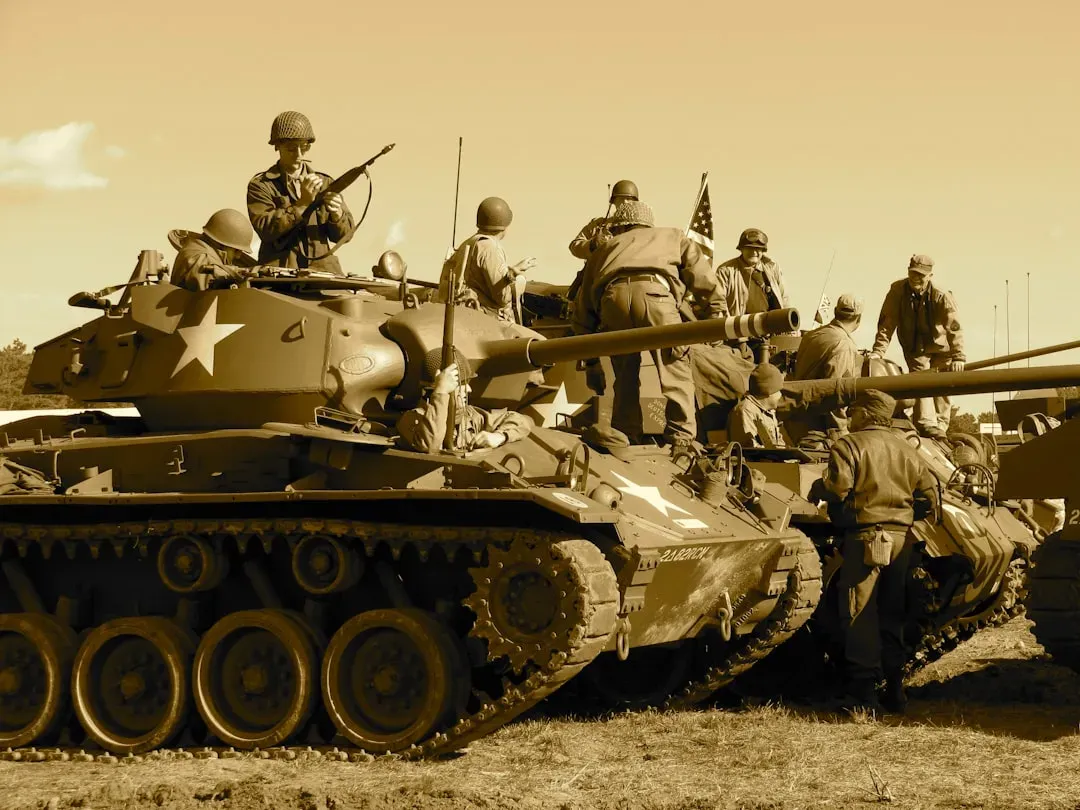
Paths of Glory is a transcendentally humane war movie from Stanley Kubrick, with impressive, protracted battle sequences and a knock-out ending. The film follows a group of French soldiers in World War I who are under the command of General Georges Broulard. When Broulard orders his subordinates to complete a dangerous mission that will certainly result in casualties, he becomes an increasingly unforgiving and ineffective leader. Colonel Dax (Kirk Douglas) has to defend soldiers who are accused of cowardice and are sentenced to death.
Paths of Glory works as an anti-war movie because it showcases how drunk with power people can become. The movie is a heartbreaking reflection on the fact that lower ranks in the armed forces are often scapegoated in the name of maintaining someone else’s authority. Paths of Glory is particularly devastating because it provides commentary on the fact that justice can rarely be found in wartime. Its final scene is close to impossible to shake.
Full Metal Jacket (1987) – A Film Broken in Two

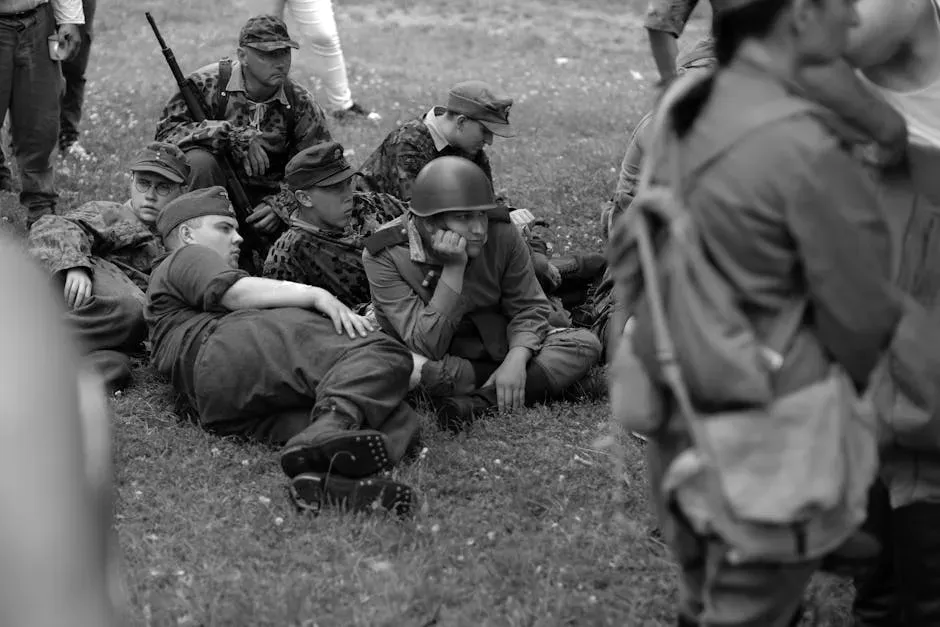
Full Metal Jacket (1987) was directed by the legendary director Stanley Kubrick. Kubrick co-wrote the screenplay with Michael Herr and Gustav Hasford. Hasford also supplied the inspiration for the film with his 1979 semi-autobiographical novel that recounted his experiences as a soldier in the Vietnam War. Full Metal Jacket has earned renown for its depiction of the Vietnam War. Split into two parts, Stanley Kubrick’s war movie feels like two separate films. The first half explores boot camp, while the second reveals the reality of the war itself.
Full Metal Jacket focuses on the American experience and speaks to how the larger military system sets people up to be the most violent versions of themselves. It demonstrates how easy it is for anyone from any background to get caught up in violence while fighting a war. The structural choice to split the film in half is audacious and, in retrospect, exactly right. War begins long before the battlefield.
Das Boot (1981) – Claustrophobia as Cinema


Das Boot is a German war drama that follows the experiences of a U-boat crew patrolling the Atlantic during World War II. The movie is set almost entirely within the claustrophobic confines of a German submarine, and highlights the mental toll that this type of warfare always features. Through Lieutenant Werner (Herbert Grönemeyer), a war correspondent aboard the vessel, viewers are invited to witness the crew’s seemingly endless boredom punctuated by moments of fear and heart-stopping action.
Das Boot highlights the events of the Battle of the Atlantic and how submarine warfare was both monotonous and incredibly dangerous. What makes it an effective anti-war movie is that it invites viewers to consider the futility of war. The movie humanizes those who fight in war and showcases the fact that so many people who fight in war reckon with the morality of contributing to the violence. Das Boot also features characters who openly question their respective roles in World War II and how disillusioning war is especially as time goes on.
Dunkirk (2017) – Survival Without Heroism


Dunkirk is a 2017 historical war film produced, written, and directed by Christopher Nolan that depicts the Dunkirk evacuation of World War II from the perspectives of people on the land, sea, and air. It grossed over $530 million worldwide, making it the highest-grossing World War II film until it was surpassed by Nolan’s Oppenheimer (2023). Dunkirk received praise for its screenplay, direction, editing, score, sound design and cinematography; some critics called it Nolan’s best work, and one of the greatest war films as well as one of the greatest movies of the 2010s.
Dunkirk stands out among war movies as it doesn’t focus on the heroism of battle, but rather the heroism of survival. The film’s narrative structure is innovative, weaving together three perspectives – land, sea, and air – each with its own timeline that converges in a gripping climax. The minimal dialogue, reliance on visual storytelling, and Hans Zimmer’s relentlessly tense score create an immersive and almost visceral experience.
Hacksaw Ridge (2016) – Conscience Under Fire


Hacksaw Ridge, directed by Mel Gibson, is an extraordinary war film that tells the remarkable true story of Desmond Doss, a conscientious objector who served as a medic during World War II. Andrew Garfield delivers a powerful performance as Doss, whose unwavering commitment to his faith and principles leads him to save 75 men during the Battle of Okinawa without carrying a weapon. This feat earned him a Medal of Honor, making him the first conscientious objector to receive the highly coveted medal.
Hacksaw Ridge won 2 of the 6 Oscars it was nominated for – Best Film Editing and Sound Mixing. Featuring tons of realistic, bloody images of extreme violence, Hacksaw Ridge is hardly an appropriate movie for everyone. Still, for those who enjoy the genre, this gripping war movie is likely to exceed expectations, honoring Desmond Doss’ courageous nature and shining a light on what it truly means to be brave.
All Quiet on the Western Front (2022) – The Modern Masterpiece
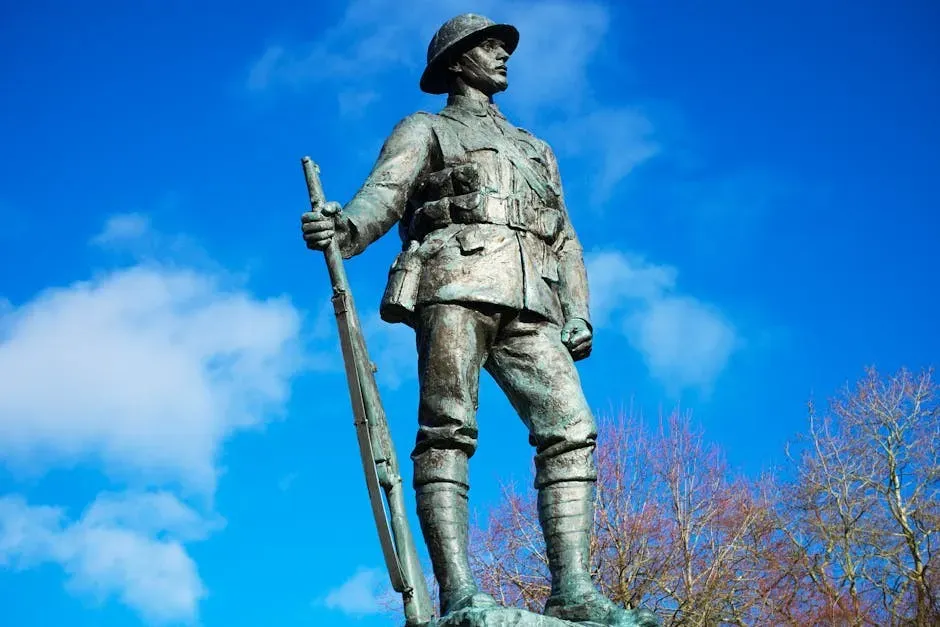
Set during the closing days of World War I, this 2022 film follows a young German patriot named Paul (Felix Kammerer) who has enlisted to fight for the German army after being influenced by huge propaganda. When he faces the brutality of life on the front and risks his life for his country, Paul finds his preconceptions about war changing. It won the Oscar for Best International Feature Film.
This film is a masterpiece, winning four Oscars. Many consider this World War I epic to be one of the only true anti-war films because it heavily emphasizes the futility of death during war. There are no great crusades, no moments of heroism, no glory – just death and trauma as far as the eye can see. War movies continue to be a popular and relevant genre explored by directors today, with recent Oscar-winning war films like All Quiet on the Western Front elevating the niche.
Glory (1989) – A Story That Needed Telling

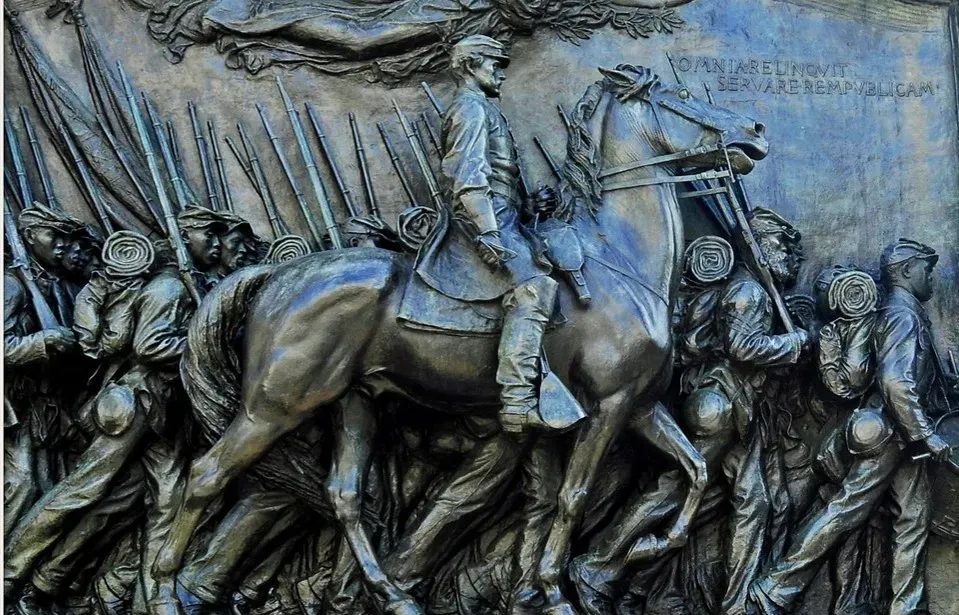
This historical war drama tells the story of the 54th Massachusetts Infantry Regiment, one of the first all-black volunteer companies in the Union Army during the American Civil War. The film follows Colonel Robert Gould Shaw as he leads these soldiers who are fighting for their freedom and the respect of their white counterparts. Directed by Edward Zwick, Glory is a powerful and moving film that sheds light on a lesser-known chapter of American history.
It was praised for its performances, particularly Denzel Washington’s, which earned him an Academy Award for Best Supporting Actor. Glory stands apart from most war films in that its conflict is inseparable from questions of race, identity, and justice. The soldiers in this film aren’t just fighting an enemy. They’re fighting for the right to be recognized as soldiers at all. That distinction gives the film an emotional register that few in the genre can match.