Every year, Oscar night brings the glitz, the glamour, and the inevitable outcry. Someone always gets left out. A performance that moved millions fails to register with Academy voters. A film that changed cinema loses to something that time has all but forgotten. The Oscars have been handing out trophies since 1929, which means they’ve had nearly a century to get it right. Sometimes they do. More often than you’d expect, though? They miss the mark completely. Let’s be real, these snubs sting because they expose something uncomfortable about Hollywood’s biggest night.
What makes an Oscar snub so painful is what it represents. It’s not just about one actor or one movie losing out on a statue. It’s about recognition, validation, and legacy. These are stories that stick with us, performances that haunt us, directors who redefined what cinema could be. Yet somehow, when the envelope was opened, their names weren’t called. The reasons vary wildly, from genre bias to politics to plain old bad timing. Still, the frustration remains the same.
Alfred Hitchcock Never Won Best Director

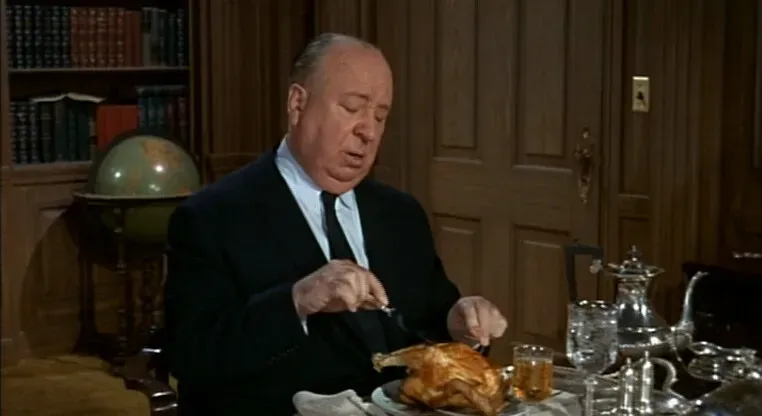
Alfred Hitchcock received five Oscar nominations for Best Director but never won a single competitive Academy Award. Think about that for a moment. The director was nominated for Rebecca, Lifeboat, Spellbound, Rear Window, and Psycho, and walked away empty-handed every time. Rebecca won Best Picture in 1940, yet Hitchcock lost the directing prize to John Ford for The Grapes of Wrath. His final nomination came in 1961 for Psycho, which lost to Billy Wilder’s The Apartment.
Seminal films like Vertigo never even received a Best Director nomination, despite the film now being hailed as a masterpiece. The Academy’s reluctance to honor Hitchcock likely stemmed from his focus on suspense and thrillers, genres that were often dismissed as less prestigious than sweeping dramas. Hitchcock did receive the Irving G. Thalberg Memorial Award, but it’s not the same as a competitive win. Honestly, it feels like Hollywood’s most glaring oversight.
Citizen Kane Lost to How Green Was My Valley

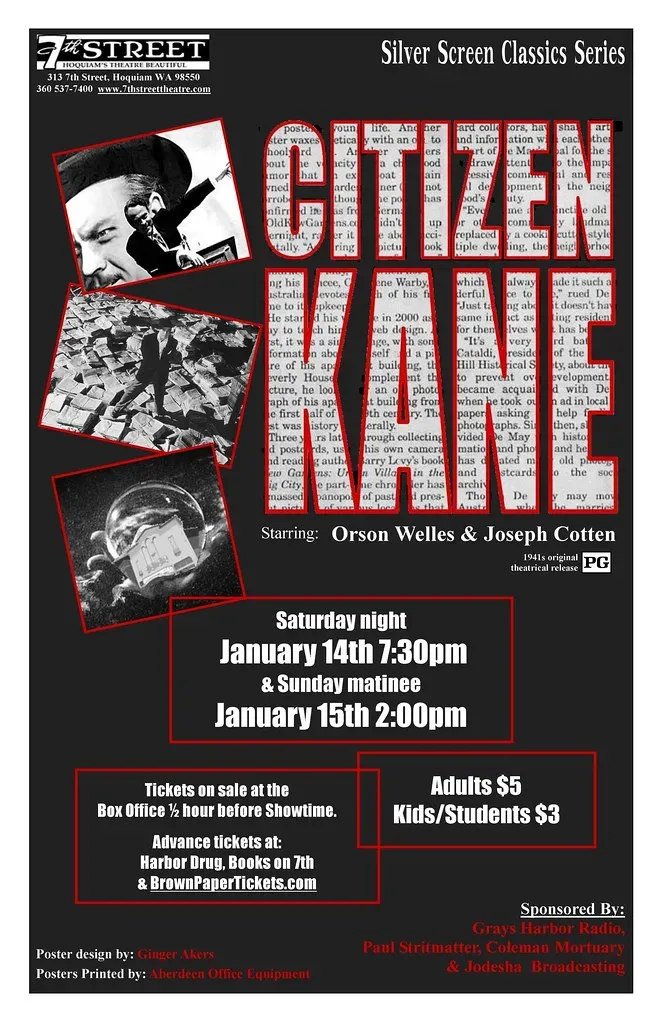
Citizen Kane was nominated for nine awards but won only one, for Best Original Screenplay. The film lost Best Picture to John Ford’s How Green Was My Valley at the 1942 ceremony, a decision that has been debated ever since. Citizen Kane routinely tops critics’ lists as the greatest film ever made, yet it couldn’t secure the top prize when it mattered most.
The film was a thinly veiled portrayal of media magnate William Randolph Hearst, who was angered by the depiction and became a powerful enemy of Orson Welles. Hearst’s newspapers suppressed coverage of the film, hurting its chances both commercially and with voters. At the ceremony, Citizen Kane was not only snubbed, it was actively booed by parts of the audience. The whole episode remains one of the most controversial moments in Oscar history.
Glenn Close Holds the Record for Most Nominations Without a Win

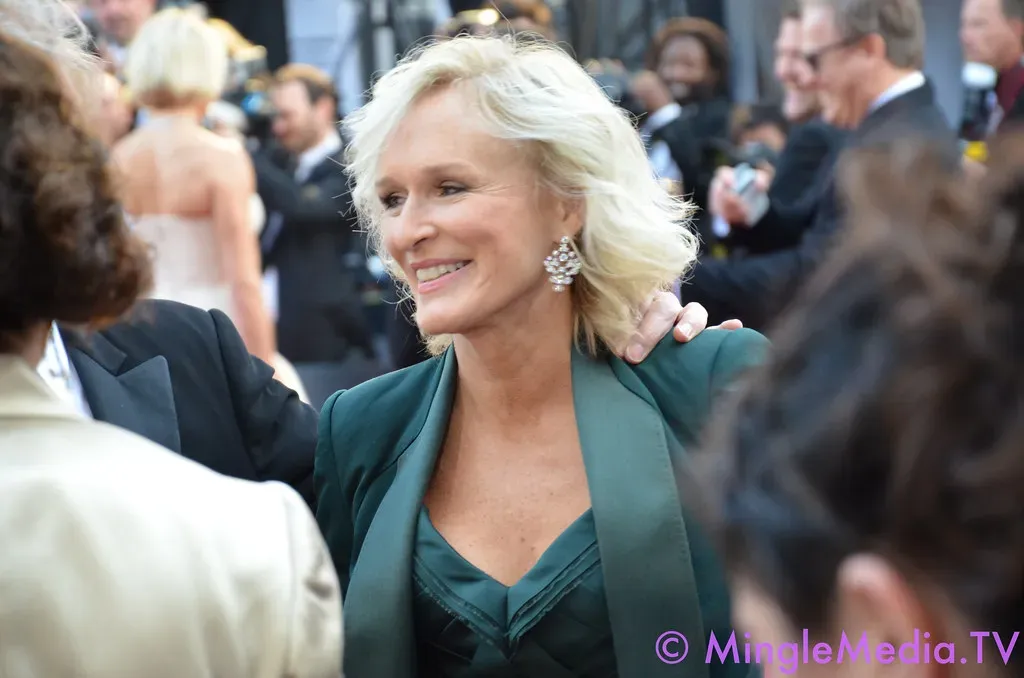
Glenn Close has been nominated eight times for an Academy Award, holding the record for the most Oscar nominations in an acting category without a win, tied with Peter O’Toole. Her nominations span decades, from The World According to Garp in 1982 to Hillbilly Elegy in 2020. Four nominations were for supporting roles, and four were for leading roles, including Fatal Attraction, Dangerous Liaisons, Albert Nobbs, and The Wife.
In 2019, she was regarded as the frontrunner for Best Actress for The Wife, but the statue ended up going to Olivia Colman for The Favourite. Olivia Colman spent part of her acceptance speech apologizing to Close, saying “You’ve been my idol for so long and this is not how I wanted it to be”. Close has faced fierce competition in nearly every race, but the lack of a win still stings. She remains one of the finest actors of her generation, Oscar or not.
Toni Collette Was Overlooked for Hereditary

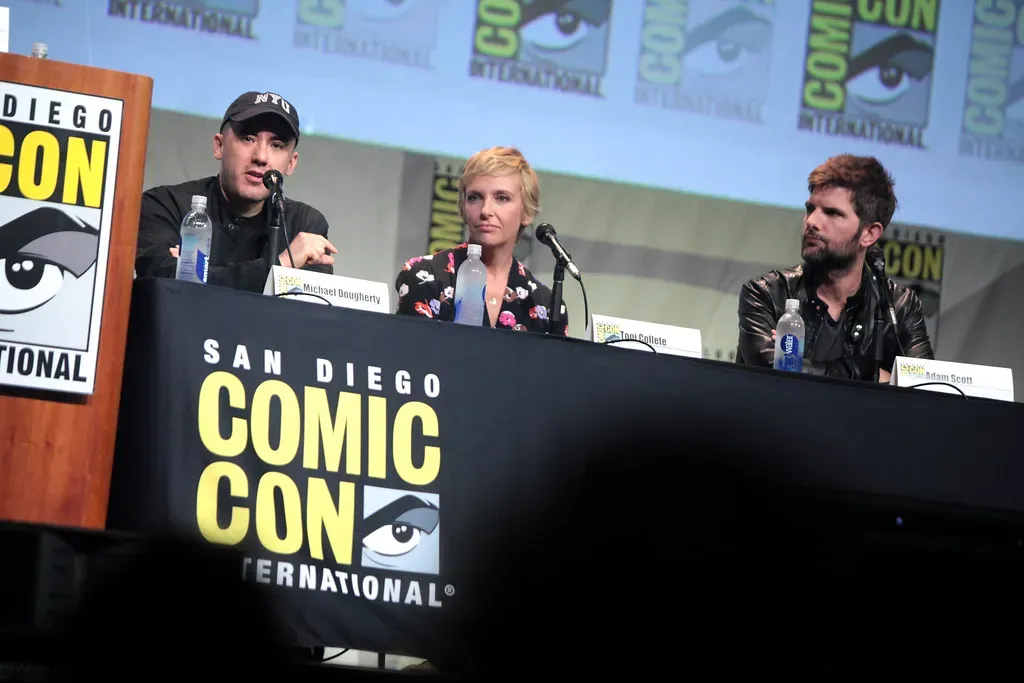
Toni Collette’s incredible performance as a grieving mother in Hereditary did not receive an Oscar nomination, despite widespread critical acclaim and fan support. Her portrayal of Annie Graham was visceral, deeply emotional, and utterly exhausting to watch in the best possible way. Full-throated horror films will rarely be given the attention they deserve at Hollywood’s biggest night, and Hereditary was no exception.
Collette herself described her part in Hereditary as one of the most demanding and difficult roles in her career. The Academy has long struggled with recognizing horror performances, often dismissing the genre as less worthy of awards consideration. When asked about the snub, Collette responded graciously, saying “It’s very sweet that people get so irate that I wasn’t nominated for an Oscar”. Horror fans, however, remain unconvinced by the Academy’s judgment.
Vertigo Received Only Two Nominations

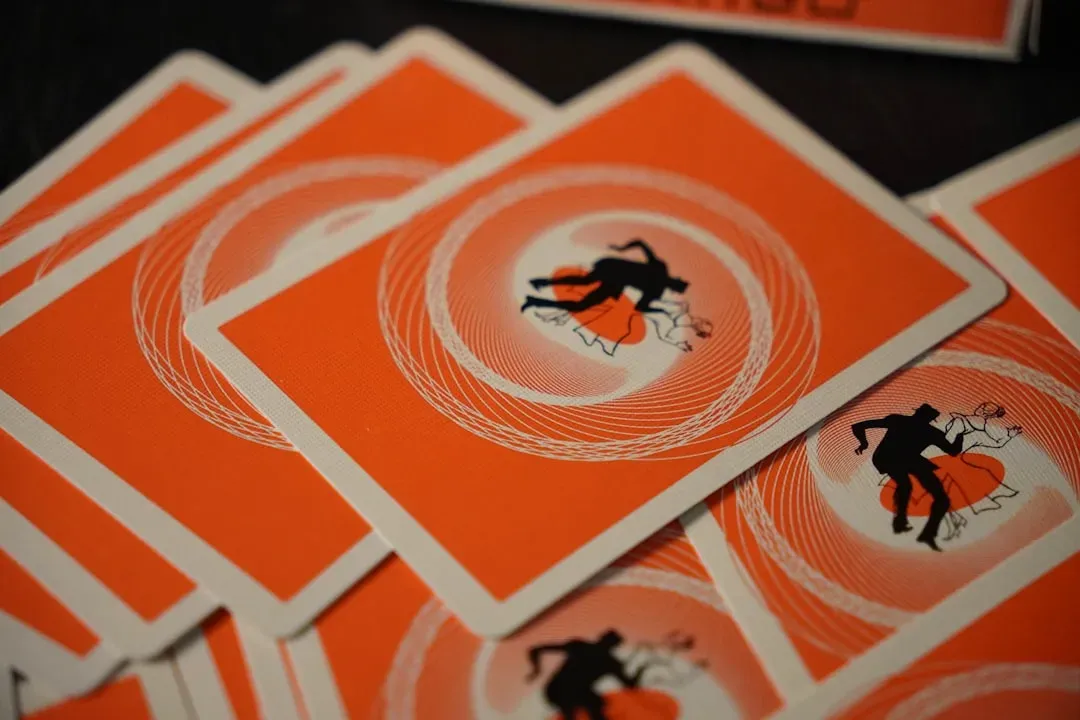
Hitchcock’s Vertigo is now considered one of the greatest achievements in cinema, yet it barely registered with the Academy when it was released. The film received just two technical nominations in 1959 and didn’t win either category. It wasn’t nominated for Best Picture, Best Director, or any acting awards. The psychological complexity, the stunning visuals, the haunting score – none of it mattered to voters at the time.
Decades later, Vertigo topped the Sight and Sound poll of the greatest films ever made, dethroning Citizen Kane after half a century. The film’s reputation has only grown with time, making the original snub all the more baffling. Sometimes the Academy is so focused on what feels important in the moment that they completely miss what will endure.
Ben Affleck Wasn’t Nominated for Directing Argo
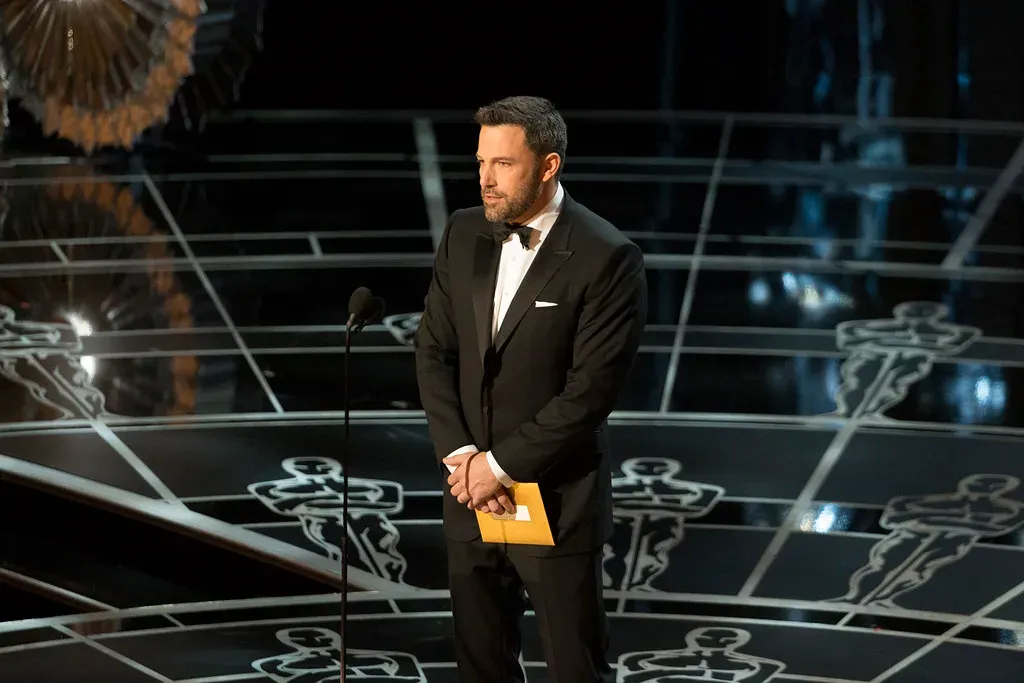
Argo won Best Picture at the 2013 Oscars, but director Ben Affleck was shockingly left out of the Best Director category. The film was a critical and commercial success, praised for its tense storytelling and meticulous attention to detail. Yet when the nominations were announced, Affleck’s name was nowhere to be found. It became one of the most talked-about snubs of the 2010s.
The omission was so glaring that it overshadowed much of the awards conversation that year. Many saw it as an embarrassment for the Academy, especially when Argo went on to win Best Picture anyway. How does a film win the top prize without its director even being nominated? It defied logic. Affleck handled it with grace, but the snub remains a puzzling footnote in Oscar history.
Female Directors Have Been Historically Underrepresented

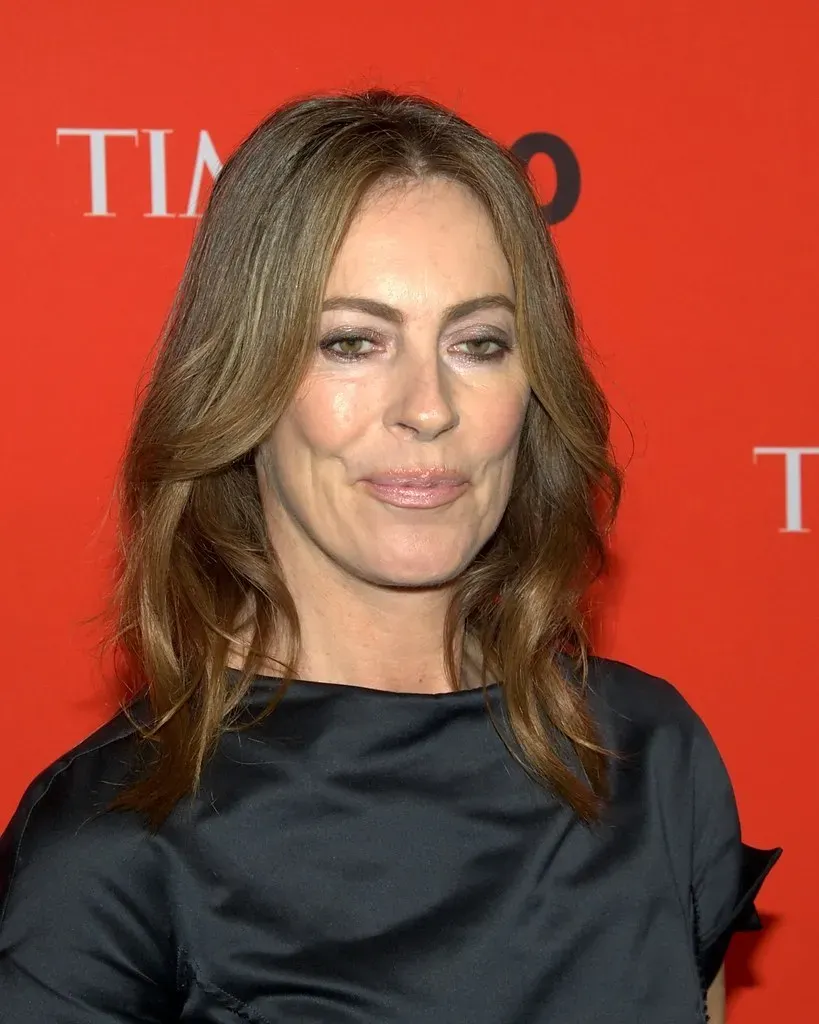
The Academy’s track record with female directors is abysmal. For decades, women were almost entirely shut out of the Best Director category, with only a handful receiving nominations. Kathryn Bigelow became the first woman to win Best Director in 2010 for The Hurt Locker, but that milestone came more than eighty years into the Oscars’ existence. Progress has been slow and frustratingly incremental.
Even through 2025, the number of women nominated or awarded in the Best Director category remains shockingly low. Films directed by women often face additional scrutiny or are dismissed as niche. The systemic exclusion reflects broader issues within the industry, where opportunities for female filmmakers have long been limited. It’s a pattern that extends far beyond any single year or ceremony.
Horror Performances Rarely Get Recognized


The Academy has a well-documented bias against horror films. Performances in horror movies are routinely dismissed as less technically demanding or artistically valuable, despite the emotional and physical intensity they often require. The Exorcist was a rare exception, earning multiple acting nominations in 1974. Since then, though? The genre has been largely ignored.
Toni Collette’s snub for Hereditary is just one example in a long pattern. Other overlooked performances include Lupita Nyong’o in Us and Essie Davis in The Babadook. These are transformative, challenging roles that demand everything from their actors. Yet when Oscar season arrives, horror is treated as second-class cinema. The bias feels outdated, especially as horror continues to push creative boundaries.
The Academy Often Chooses Safe Over Revolutionary

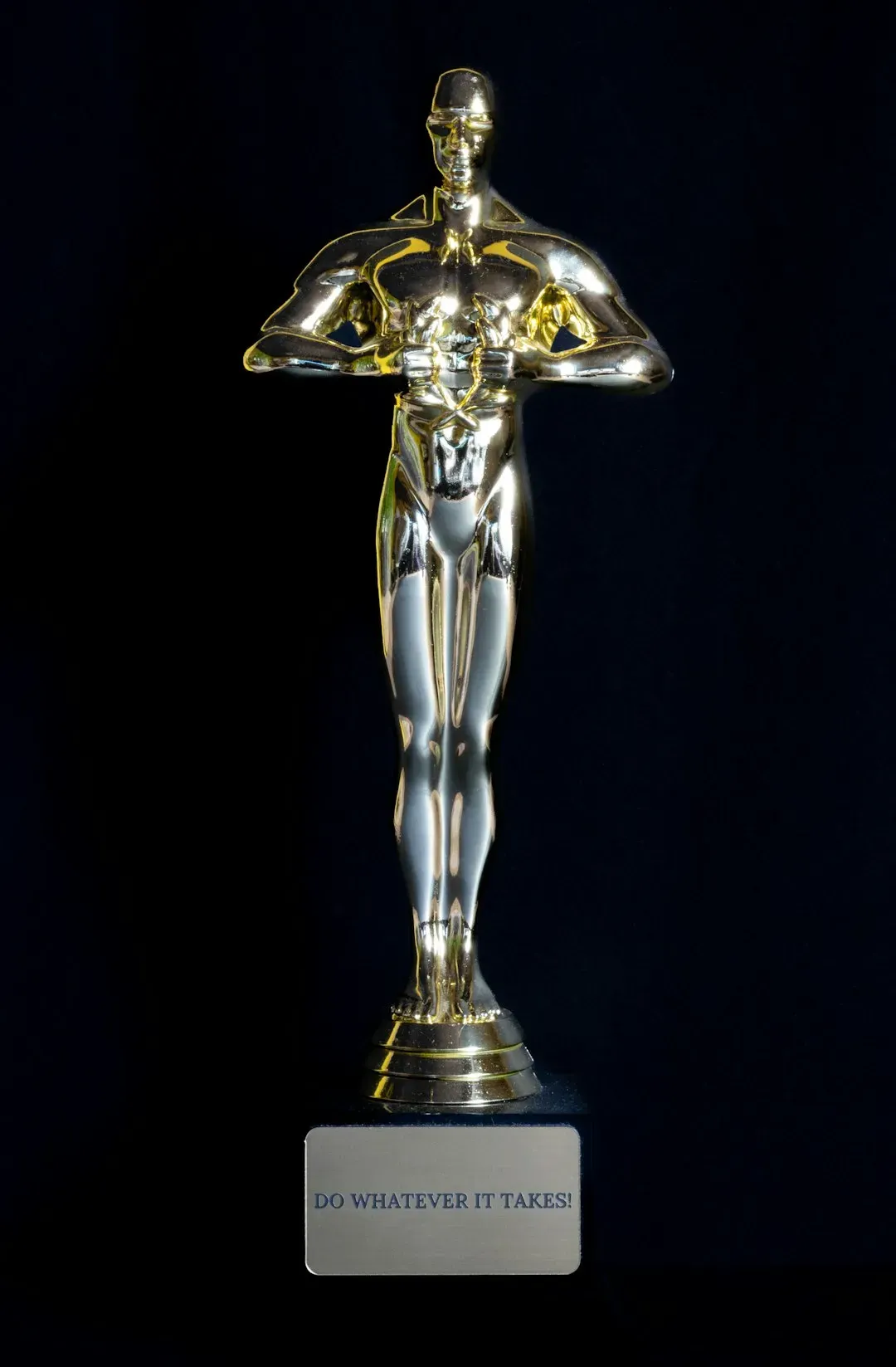
Looking back at Oscar history, a pattern emerges. The Academy frequently rewards films that feel prestigious and safe rather than those that take bold risks or challenge conventions. How Green Was My Valley was a perfectly fine film, but it wasn’t Citizen Kane. Forrest Gump was heartwarming and crowd-pleasing, but was it better than The Shawshank Redemption or Pulp Fiction? It depends on what you value.
Revolutionary films often make voters uncomfortable. They push boundaries, provoke debate, or tackle subjects that feel too raw or unconventional. The result? They get nominated, sometimes even celebrated, but they don’t always win. Years later, though, it’s the revolutionary films that we remember and revisit. The safe choices fade into obscurity.
Conclusion: What We Remember

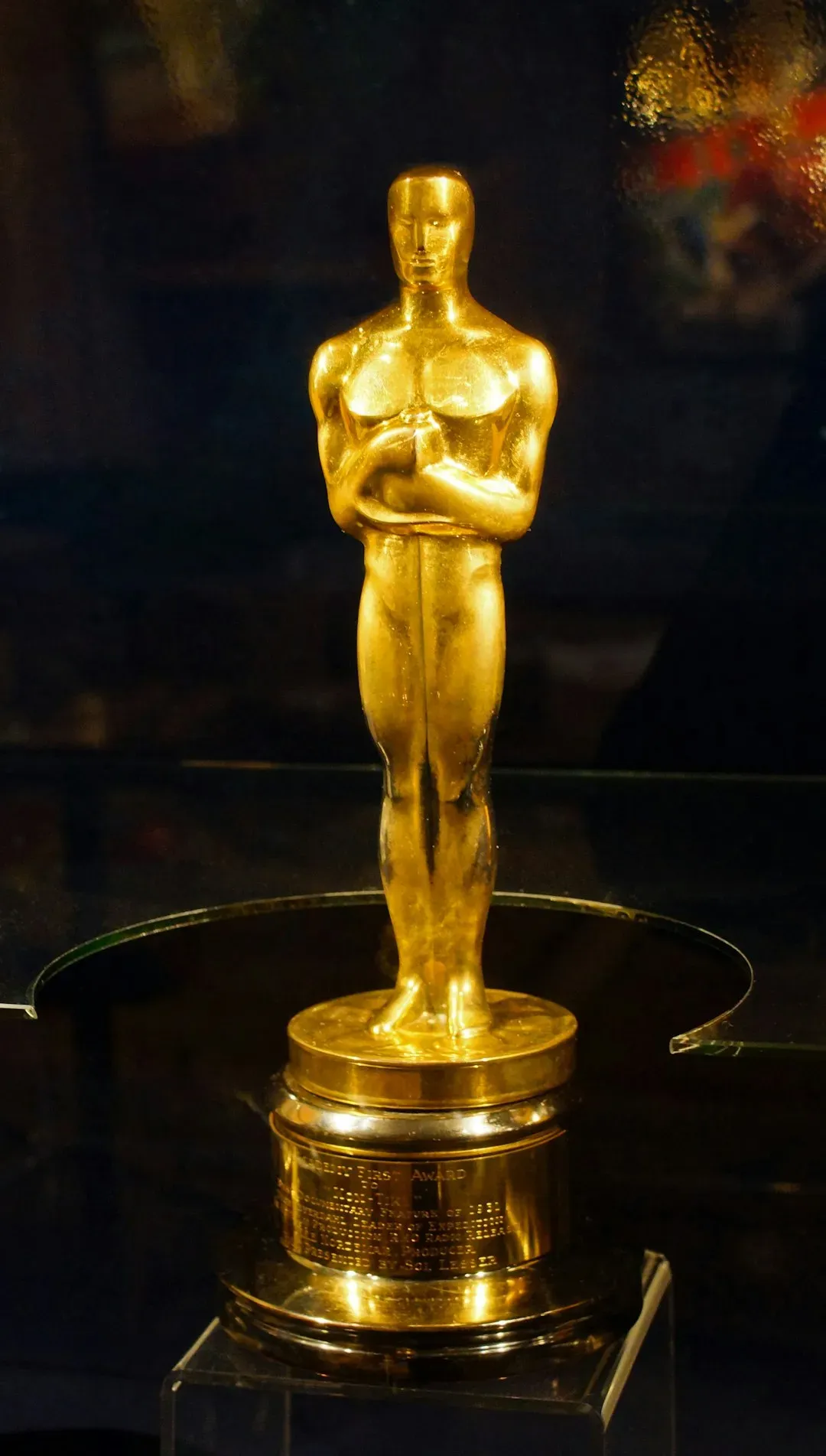
Oscar snubs hurt because they feel like history getting it wrong in real time. These are the moments when the Academy’s judgment is exposed as flawed, subjective, or simply out of touch. Hitchcock never got his statue. Shawshank walked away with nothing. Citizen Kane lost to a film most people have never seen. Glenn Close is still waiting. These aren’t just footnotes in awards show history – they’re reminders that recognition and greatness don’t always align.
Here’s the thing, though. The films and performances we’re talking about don’t need an Oscar to prove their worth. Time has a way of correcting the record. The movies that lost have become classics. The actors who were overlooked are still celebrated. The directors who were snubbed are studied in film schools around the world. Maybe that’s the real legacy. What do you think – does an Oscar really matter in the end?