
Walk into any health-obsessed kitchen in 2026 and you’ll find something wild: shelves loaded with gadgets promising transformation. Some of them cost hundreds, even thousands of dollars. The biohacking wellness wave has swept through living rooms and kitchens alike, fueled by the promise of data-driven health and personalized nutrition.
Honestly, not all of it is worth your money or your counter space. Some of these devices are genuinely changing how people manage their health. Others are elaborate marketing machines dressed up in scientific-sounding language. So which is which? Let’s separate the signal from the noise.
The Bio-Hacker Kitchen Trend Is Bigger Than You Think


The numbers behind this movement are staggering. The global biohacking market was valued at $24.5 billion in 2024 and is estimated to grow at a rate of 16.5% annually, projected to reach $111.3 billion by 2034. That’s not a niche hobby anymore. That’s a full-blown industry reshaping how people cook, eat, and think about food.
Biohacking is emerging as a transformative trend at the intersection of science, technology, and self-improvement, offering individuals the tools to take control of their physical and mental well-being through personalized interventions. The kitchen, of all places, has become a hotbed for this experimentation. Think smart scales, continuous glucose monitors, fermentation crocks, alkaline water machines, and cold-press juicers all competing for the same six feet of counter space.
Biohacking is a modern word for something humans have been doing for centuries: experimenting with ways to improve their health and longevity. While some aspects are rooted in solid science, such as eating a variety of unprocessed foods and moving your body throughout the day, others are more hype than help. The trick, really, is knowing which is which before you spend $600 on a gadget that does nothing.
Here are some of the gadgets that improve your health.
The Air Fryer

Let’s start with the most ubiquitous gadget in the modern kitchen. The air fryer is genuinely one of the most research-supported upgrades you can make to how you cook. It sounds simple, even boring compared to cutting-edge bio-tech. But the evidence is there. Using an air fryer, which requires about a tablespoon of oil, may cut calories that would normally come from deep frying foods by up to 80%.
The fat reduction alone is meaningful, but there’s more. The chemical acrylamide forms when you fry potatoes or other starchy foods, and research links it to a greater chance of getting cancer. One study shows that air frying lowers the amount of acrylamide in fried potatoes by 90%. That’s a staggering reduction in a known probable carcinogen, not some vague wellness claim.
There’s also an indoor air quality angle that most people never consider. New research revealed that air frying produced the least indoor air pollution compared to four other cooking methods, and indoor air pollution may increase the risk of chronic illnesses like respiratory disease, heart disease, and cancer. Still, it’s not perfect. Air fryers may be better for you than deep fryers, but they’re only as healthy as the food you put inside. They won’t magically remove the saturated fat from bacon or the trans fats from a bag of processed chicken wings.
The Continuous Glucose Monitor (CGM)

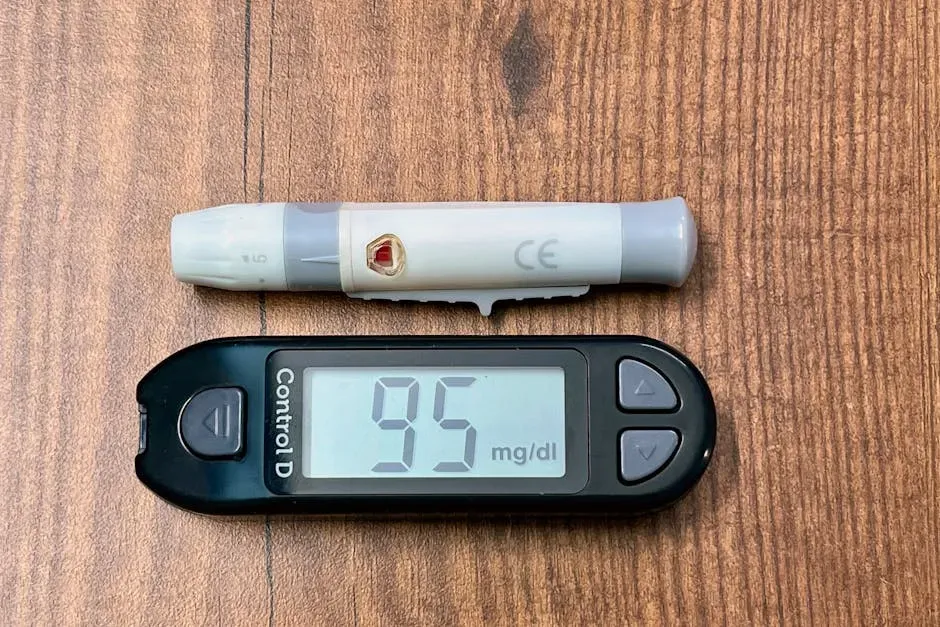
Here’s the gadget that I think is genuinely changing the game for health-conscious home cooks. A continuous glucose monitor, or CGM, is a small sensor worn on the skin that tracks your blood sugar in real time throughout the day. It used to be reserved for people with diabetes. Not anymore. Abbott launched its Lingo CGM system for health and wellness consumers in the United States in September 2024, available without a prescription and providing real-time glucose data and personal coaching insights based on the body’s reaction to nutrition, exercise, and daily stressors.
Continuous glucose monitoring, which provides real-time, dynamic glycemic data, is increasingly being explored in non-diabetic populations to guide lifestyle interventions. For diabetics, the data is even more compelling. CGM has demonstrated substantial improvements in glycemic control across multiple metrics, with studies reporting consistent glycosylated hemoglobin reductions and notable time-in-range improvements of 15% to 34%.
Think of it like a dashboard for your metabolism. Without one, you’re essentially driving blind, guessing how that bowl of rice or a glass of orange juice is affecting your blood sugar. When equipped with real-time data and insights from a CGM, individuals can work towards health goals, since glucose extremes and post-meal spikes are specific risk factors for chronic health conditions such as insulin resistance, metabolic disease, and heart disease. For anyone serious about food-based health optimization, this is arguably the most useful device in the room.
The Smart Kitchen Scale With Nutritional Tracking

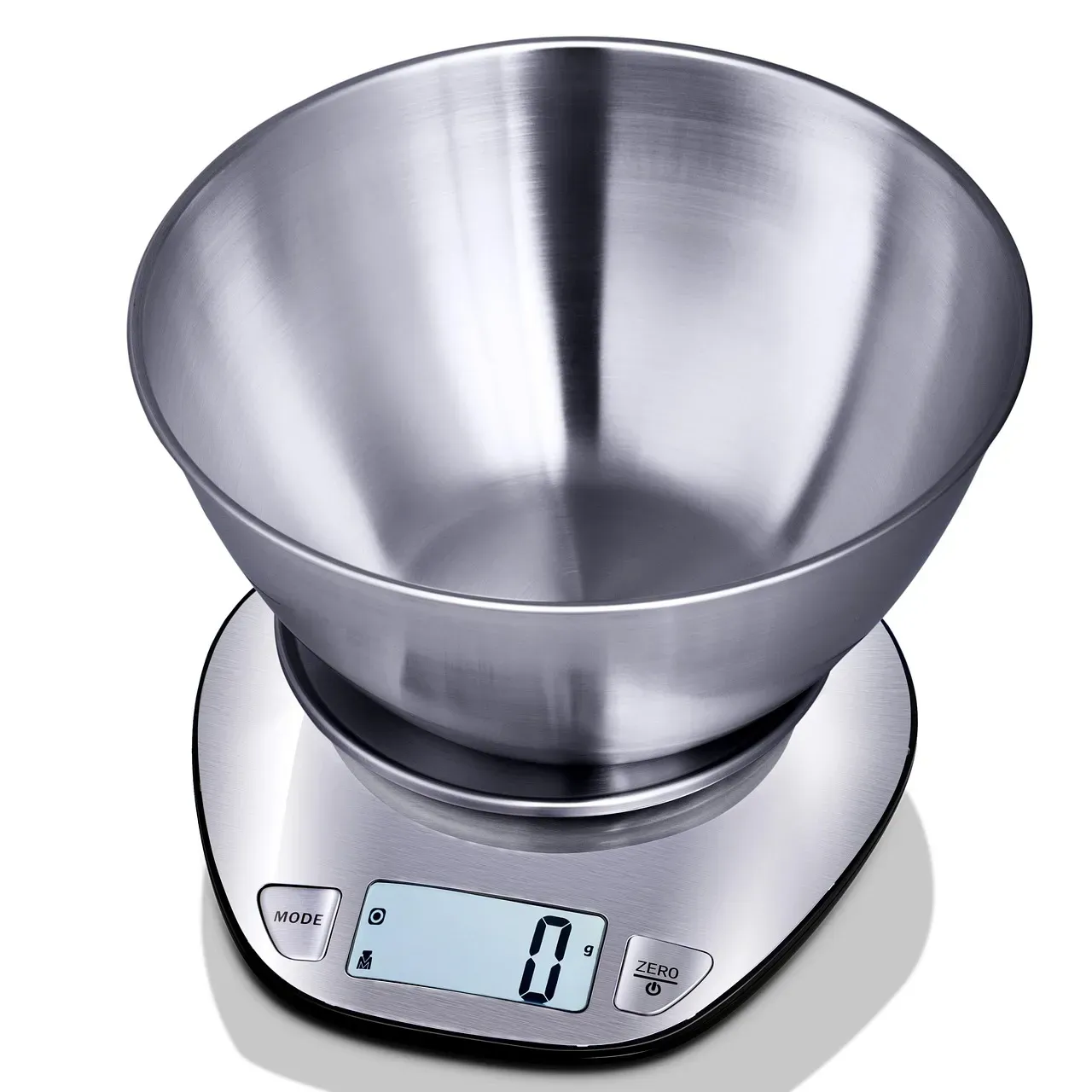
This one doesn’t get nearly enough credit. A smart kitchen scale sounds mundane, but when paired with a nutrition app, it becomes a remarkably powerful feedback tool. Nutrition and fasting can be precisely controlled with continuous glucose monitors, smart kitchen scales, or DNA and microbiome tests. Precision in cooking is precision in health. It’s that simple.
The real power comes from consistency and data. Devices like the Withings Body Comp smart scale use specialized sensors to provide comprehensive body composition analysis, including weight and cardiovascular insights, and sync to an app where you can use your personalized health data and insights to track the progress of your overall health. When the data travels into an app, patterns emerge that are genuinely hard to see any other way.
I know it sounds crazy, but weighing your food for even two or three weeks can completely reset your intuition about portion sizes. Most people dramatically underestimate calorie-dense foods and overestimate vegetables. Expensive biohacking gadgets are not a must, but gadgets can help make progress measurable and clearly identify changes in one’s body or behavior. A good smart scale costs a fraction of the other devices on this list and may deliver more practical, daily value than almost anything else.
Let’s move on to the gadgets that don’t work.
The Alkaline Water Ionizer


Now we enter what I’ll call the Hall of Expensive Disappointments. The alkaline water ionizer might be the single most overpriced gadget in the bio-hacker kitchen. These machines can run from a few hundred to several thousand dollars, and the health claims attached to them are breathtaking in their ambition. Slow aging! Prevent cancer! Neutralize acid! Let’s be real. There is no medical evidence for any health benefits of alkaline water, and extensive scientific evidence has debunked these claims, leaving such claims in the pseudoscientific realm.
The core problem is basic physiology. It is critical to understand that the pH levels in your blood cannot be changed drastically through diet, including by drinking alkaline water. Your kidneys and lungs ensure that the levels stay within a very strict range of 7.35 to 7.45, which you need for healthy functioning. The stomach, specifically, is highly acidic. Any alkaline water you drink hits that environment almost immediately and its pH effect is neutralized before it does anything.
The issue that many health professionals have with alkaline water isn’t its safety but rather the health claims that are made about it. While there is some research, there still isn’t enough scientific evidence to support using alkaline water as a treatment for any health condition. Save your money. Get a quality water filter that actually removes contaminants.
The “Detox” Juice Extractor

The cold-press juicer is a gorgeous piece of kitchen equipment. It looks sophisticated and purposeful. The problem is the concept of “detoxing” through juice has no scientific foundation whatsoever. Your liver and kidneys handle detoxification continuously, without needing a three-day green juice protocol to get the job done. The term “detox” as used in wellness marketing is, bluntly, not a real medical category.
Beyond the detox myth, juicing actually strips out one of the most important components of fruit and vegetables: fiber. Studies focused on the “Blue Zones” regions, places where people live exceptionally long lives, reveal that whole food-based diets matter far more for lifespan and quality of life than expensive gadgets or trendy hacks. Whole fruits and vegetables, eaten with their fiber intact, are what decades of research consistently support.
That doesn’t mean a juicer has zero value. Fresh vegetable juice does deliver micronutrients. It’s hard to say for sure whether some people feel genuinely better from juicing routines due to the nutrients or simply because they’re eating more vegetables in general. While some aspects of biohacking are rooted in solid science, such as eating a variety of unprocessed foods, others are more hype than help. A juicer that costs $400 and sits on your counter getting dusty after week two isn’t a health tool. It’s a very expensive vegetable press.
The Infrared Sauna Blanket


The infrared sauna blanket has gone viral in bio-hacker communities. You wrap yourself in it, sweat for 30 to 45 minutes, and the marketing promises everything from deep cellular detoxification to dramatic fat loss. Biohacking has emerged as a powerful tool for optimizing body and mind, involving using science and technology to make small, strategic changes in lifestyle, biology, and mindset to enhance physical and mental performance. The problem is that blanket-format infrared devices lack the robust clinical evidence supporting full infrared sauna cabins, and the claims attached to them are frequently enormous.
The sweating you do in a sauna blanket primarily removes water and electrolytes. Body weight lost immediately after a sauna session is mostly water weight, which is restored the moment you rehydrate. Think of it like squeezing a sponge, then filling it back up. The heat itself may offer some temporary relaxation and mild cardiovascular benefits, but the spectacular fat-loss and toxin-removal claims are not supported by peer-reviewed evidence in the format of a blanket wrap.
If you’re curious about biohacking, start with the basics: balanced nutrition, adequate sleep, regular exercise, connection, and stress management. These foundational habits are the most powerful “hacks” available, and they’re backed by decades of research. A sauna blanket used casually is not a substitute for any of that, regardless of what the influencer on your feed claims.
The Ozone Food Purifier


Ozone food purifiers are marketed as devices that “sterilize” your produce, meats, and kitchen surfaces by bubbling ozone gas through water or directly exposing food to ozone. The wellness pitch is compelling: eliminate pesticide residue, bacteria, viruses, and all manner of contaminants without chemicals. Here’s the thing, though. Ozone is a genuinely powerful oxidizing agent, and that power cuts both ways.
High concentrations of ozone can degrade vitamins, particularly vitamin C and vitamin E, in the very produce you’re trying to protect. The FDA has strict regulations around ozone use precisely because in sufficient concentration it is a respiratory irritant. The growing global burden of chronic conditions is pushing users to seek more control over their health, and through advanced sensors and home-based monitoring tools, biohackers can track glucose levels, hormone fluctuations, blood pressure, and more, but an ozone bubble machine directed at your salad greens is not one of those tools. The FDA recognizes ozone’s use in food processing under tightly controlled industrial conditions, not the improvised consumer gadget sitting on your kitchen counter.
Washing produce thoroughly under running water remains the most evidence-backed method for reducing surface contaminants at home. It’s free, effective, and won’t degrade your vitamins. The ozone purifier is another example of a device whose marketing significantly outpaces its evidence base.
The “Smart” Calorie-Estimating Camera


A newer category of gadget uses a camera and artificial intelligence to estimate the calorie and macronutrient content of your meal simply by taking a photo of your plate. The concept sounds genuinely futuristic. Wearable and smart devices will not only measure vital signs but also offer insights into how our bodies respond to different activities, foods, and environments. The problem is that accuracy in this category remains a serious issue in 2026.
Estimating calories from a photograph requires the device to correctly identify every ingredient, estimate its weight, account for preparation methods, and distinguish hidden fats or sauces. Multiple independent studies have shown that current AI-based food photography tools carry error margins that can easily be significant enough to render the data misleading for health management. Imagine using a thermometer that reads temperatures within a range that wide. You’d throw it out.
Expensive biohacking gadgets are not a must, and even with basic measures, good results can already be achieved. Gadgets can help make progress measurable, but only when they clearly identify actual changes in the body or behavior. A smart kitchen scale with a nutrition database is far cheaper and dramatically more accurate than a photo-estimation camera. Precision matters when you’re using data to make health decisions.
What the Research Actually Tells Us About Kitchen Biohacking


Step back and look at the broader picture. The global biohacking market is expected to increase from $37.63 billion in 2025 to $202.58 billion by 2035. That’s a staggering amount of consumer spending on devices, many of which have far more marketing dollars behind them than research dollars. The gap between what’s claimed and what’s proven is enormous in this space.
The gadgets that consistently show real results tend to share one trait. They generate actionable, verifiable data that changes your behavior in measurable ways. The CGM tells you exactly how your body responds to specific foods. The smart scale tells you precisely what you’re eating. The air fryer measurably reduces harmful compounds in your cooking. Real-time data access supports early detection, encourages preventative care, and reduces dependency on traditional healthcare visits, empowering users to make behavior and lifestyle changes based on precise health data, significantly lowering long-term health risks.
Meanwhile, the gadgets that don’t deliver tend to promise passive transformation, the idea that the device will somehow improve your health without fundamentally changing what you eat or how you behave. Biohacking doesn’t have to be expensive or time-consuming. You can achieve a lot for your health and performance with simple hacks that are suitable for everyday use. The most powerful upgrades you can make to your kitchen are often the cheapest and least dramatic ones.
How to Think Like a Real Kitchen Bio-Hacker
Real biohacking in the kitchen isn’t about owning the most impressive gadgets. It’s about making better decisions, consistently, based on feedback that’s actually accurate. Before you spend money on any health device, ask yourself one question: does this tool change my behavior in a specific and measurable way? Biohacking technology empowers individuals to take control of their health, enhance performance, and make data-driven decisions. That phrase, “data-driven,” is the operative one. Data means numbers you can verify. Not feelings. Not testimonials.
Think of your kitchen like a car engine. The CGM is your fuel gauge, telling you exactly what your body is doing with the food you feed it. The smart scale is your speedometer, keeping you calibrated on portions. The air fryer is an upgrade to your combustion process, reducing the toxic byproducts of cooking without losing performance. The alkaline water ionizer? That’s a spoiler on the back of a family sedan. It looks the part without changing anything meaningful under the hood.
Prioritize devices backed by peer-reviewed research, not just influencer endorsements. The trend toward home-cooked food and healthy living is driving consumers to invest in effective kitchen gadgets with quality to encourage healthy cooking and eating. That impulse is good. The spending just needs to go in the right direction. Your kitchen can genuinely be a health tool. Just make sure the gadgets in it are working for your body, not for someone else’s marketing budget.
What do you think – have any of these gadgets surprised you? Drop your experience in the comments.