
There’s something quietly unsettling about the idea that the version of history you were taught in school might be only a fraction of the actual story. Not wrong, necessarily – just incomplete. Filtered. Shaped by the people who had the power and the pen. And that’s precisely what makes certain books so remarkable: they didn’t just add new chapters to our understanding of the past. They rewrote the entire framework.
From ancient Greek inquiries into war and empire, to twentieth-century critiques that blew apart centuries of comfortable assumptions, a handful of texts have managed to shift the intellectual ground beneath our feet. Some did it quietly. Others landed like a sledgehammer. All of them still matter – arguably more than ever. Let’s dive in.
The Histories by Herodotus – Where It All Began


The Histories of Herodotus is considered the founding work of history in Western literature. That’s not a small claim. Before Herodotus sat down to write his sprawling account of the Greco-Persian Wars, there was no real tradition of organized historical inquiry in the Western world. Herodotus was the first Greek to write an objective work on history, reporting events as he understood them instead of attributing the work to divine inspiration or revelation. Think about that for a moment – it was genuinely radical.
Herodotus was a pioneer in historical writing, introducing several methodological innovations that would influence the development of historiography. He was among the first historians to emphasize the importance of empirical research, critical evaluation of sources, and the inclusion of diverse perspectives. He also had his critics, of course. It is on account of the many strange stories and the folk-tales he reported that his critics branded him “The Father of Lies.” Even his own contemporaries found reason to scoff at his achievement. Honestly, the fact that people were debating his reliability over two thousand years ago only makes him feel more modern.
On the Origin of Species by Charles Darwin – The Book That Broke Everything Open

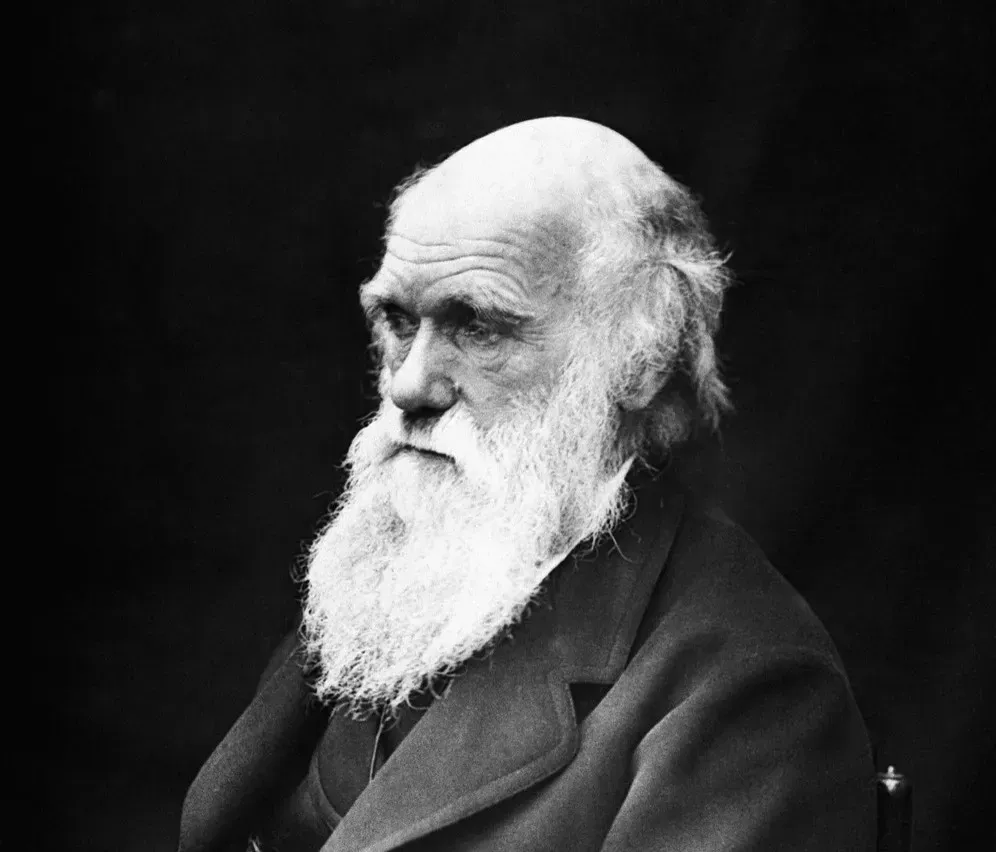
Published in 1859, On the Origin of Species introduced the theory of evolution by natural selection and revolutionized biology. Charles Darwin’s meticulous observations and arguments challenged the prevailing view that species were unchanging and divinely created, sparking fierce debate in both scientific and religious circles. History can’t be separated from biology. How we understand human origins, migration, social development – all of it runs through Darwin’s ideas.
The book transformed biology from a descriptive science into a predictive one, laying the groundwork for modern genetics, medicine, and conservation. Its impact extends beyond science, influencing psychology, anthropology, and philosophy. Here’s the thing – no other scientific text has changed so many disciplines at once. Darwin didn’t just answer questions about species. He reoriented how humans understand themselves within the sweep of natural history, and that redirection still echoes through every classroom and laboratory in the world today.
The Communist Manifesto by Marx and Engels – A Pamphlet That Shook the Century

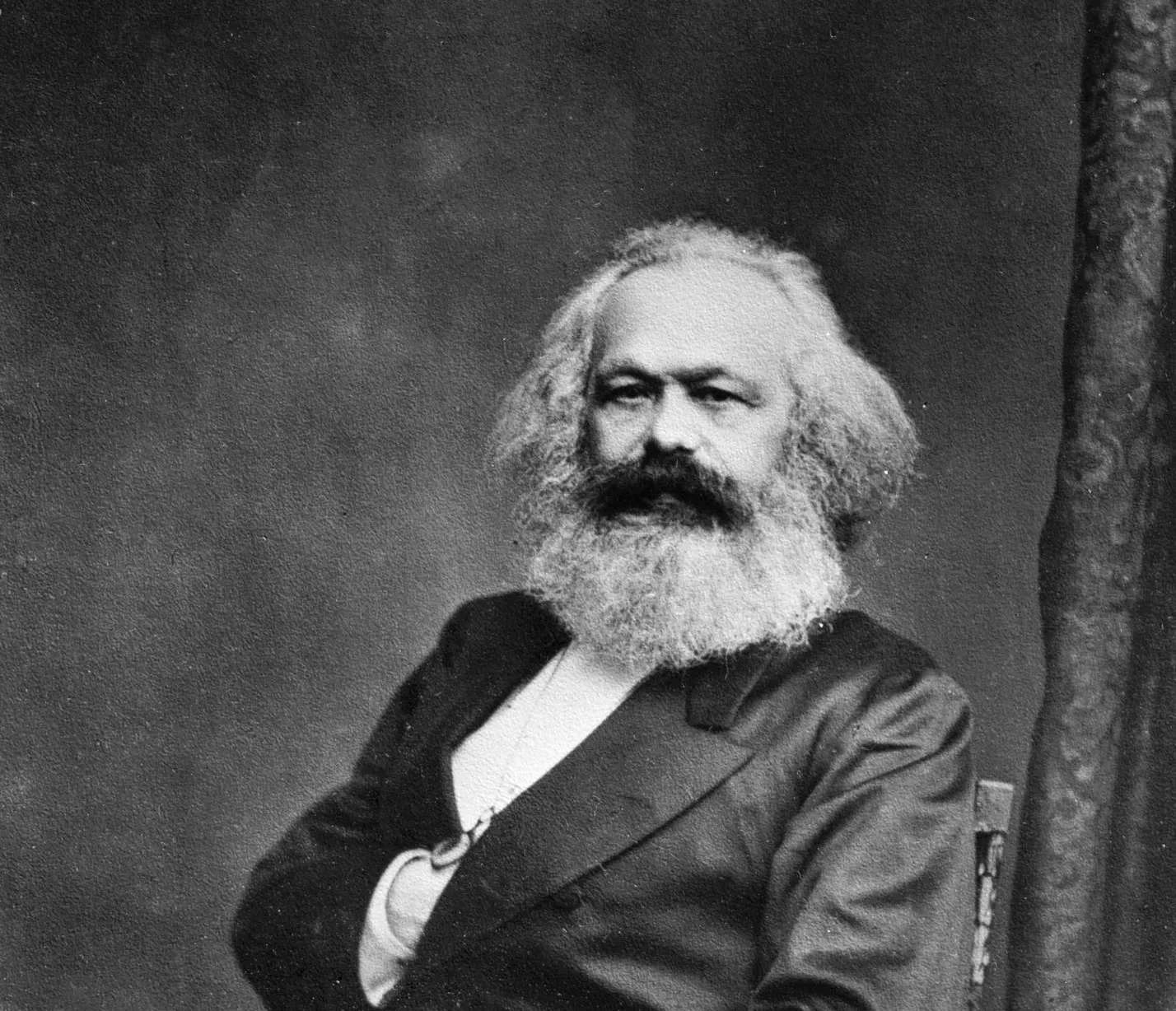
This concise political pamphlet became one of history’s most influential political documents. Its critique of capitalism and vision for worker solidarity inspired revolutionary movements across the globe and shaped twentieth-century politics. Whatever you think about Marxism – and opinions vary pretty wildly – there’s no serious argument that this short text didn’t reshape human history on a massive scale. It’s one of those rare works that didn’t just describe the world. It changed it.
The Manifesto influenced the Russian Revolution, the rise of communist states, labor movements worldwide, and continues to inform discussions about economic inequality and social justice. Even people who have never read a single line of Marx live inside the world it helped create – through labor rights, worker protections, and the very debates we still have about wealth and fairness. I think it’s genuinely difficult to understand the twentieth century without reckoning with this text.
The Republic by Plato – Two Thousand Years of Political Thinking Starts Here

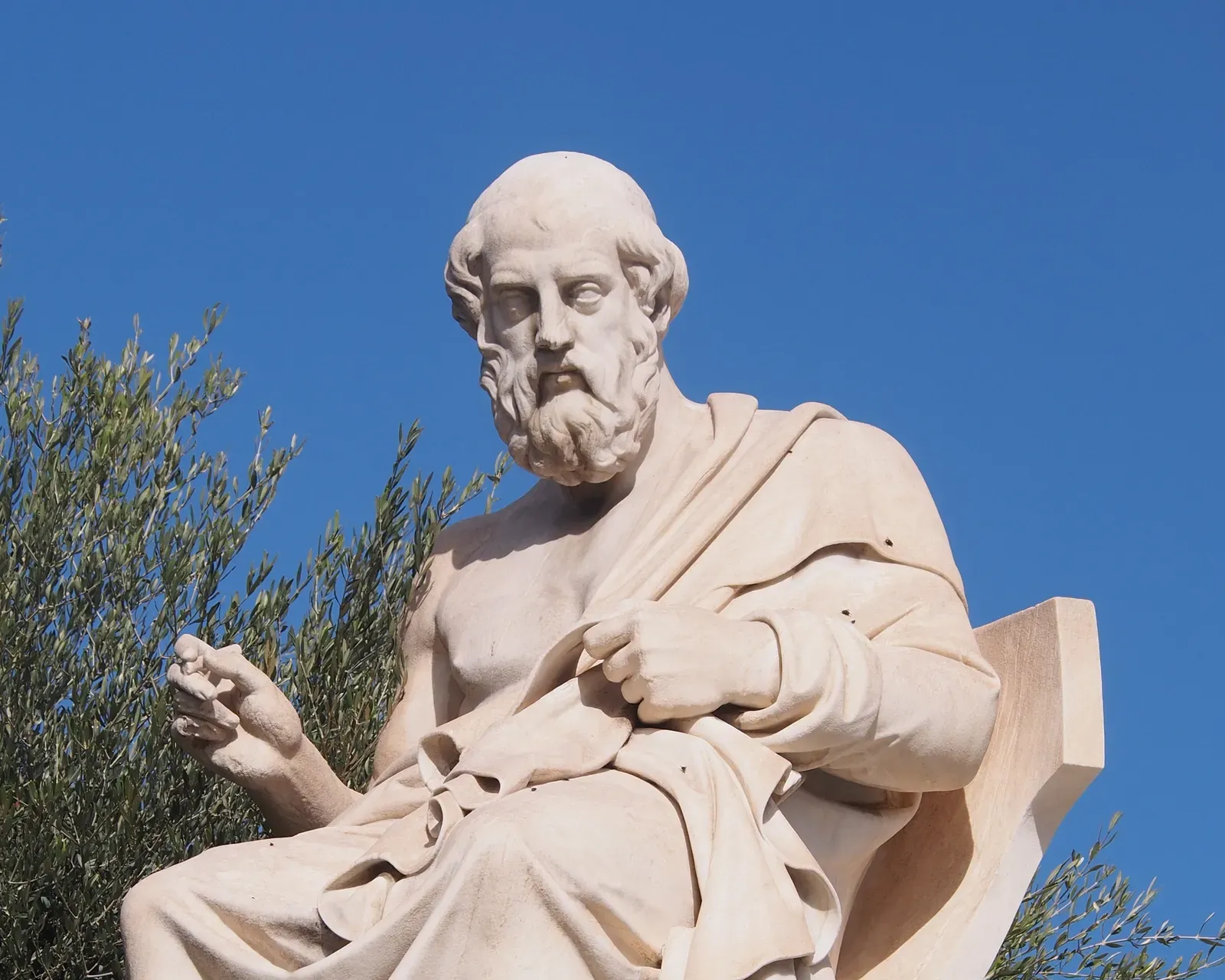
Written around 380 BCE, The Republic is one of the most important philosophical texts ever produced. In it, Plato explores justice, governance, and the ideal state, introducing the concept of philosopher-kings and the allegory of the cave – a metaphor for human ignorance and enlightenment. That allegory alone has kept philosophers and historians busy for millennia. It’s the kind of idea that, once you encounter it, you can’t stop seeing it everywhere.
The book laid the foundation for Western political philosophy and continues to be studied in academia today. Plato’s vision of an ideal society has influenced generations of thinkers, from medieval theologians to modern political theorists. Concepts like the tripartite soul and the pursuit of the “good” shaped early Christian theology and Enlightenment ideals. It’s actually a little staggering that a dialogue written in ancient Athens still gets assigned in college courses in 2026. Not many books can say that.
The Wealth of Nations by Adam Smith – Rewriting the Rules of How Societies Prosper

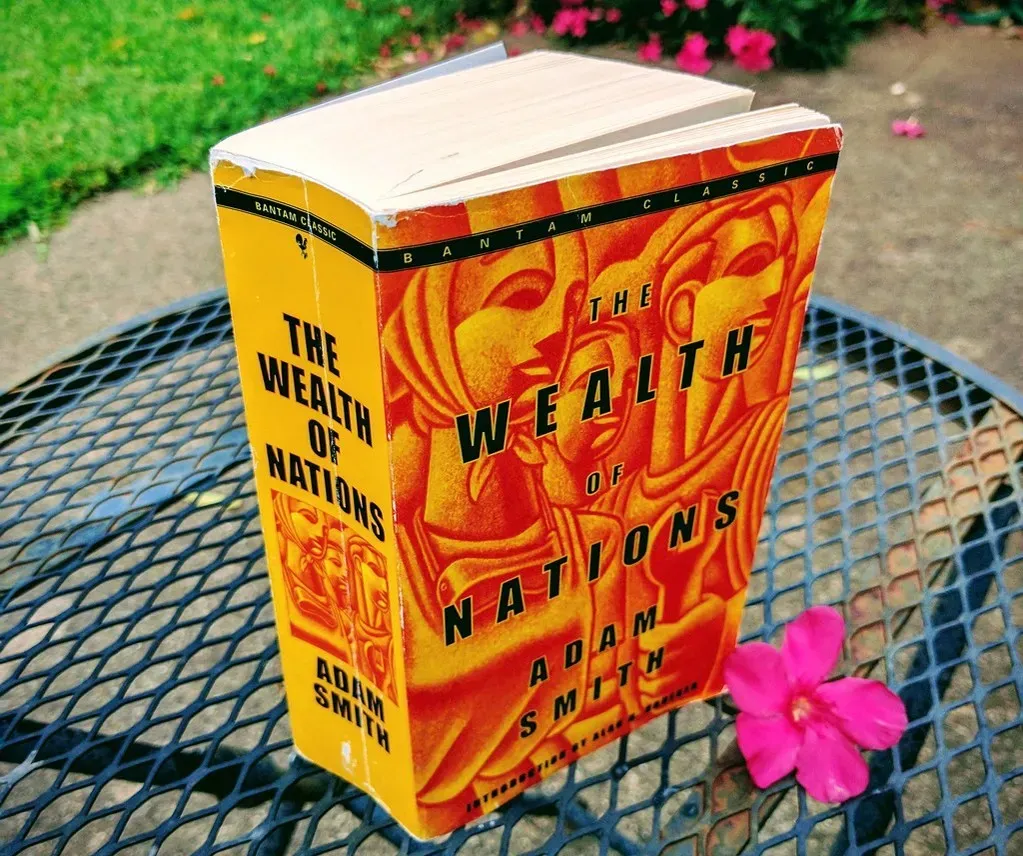
The Wealth of Nations, published in 1776, laid the groundwork for modern economics and the concept of free-market capitalism. Adam Smith articulated principles such as the “invisible hand” and the division of labor, revolutionizing how societies understand wealth and productivity. Before Smith, there was no coherent framework for thinking about national economies as interconnected systems. He essentially invented the vocabulary we still use today.
His treatise has profoundly influenced governments, industry, and economic policy worldwide, shaping debates on trade, regulation, and prosperity. Smith’s ideas continue to underpin economic theory and inspire policymakers. Whether governments lean left or right, they are almost always arguing within a framework that Smith built – even when they’re arguing against it. That’s a remarkable kind of staying power for a book that’s nearly two and a half centuries old.
Orientalism by Edward Said – The Book That Rewired Cultural History

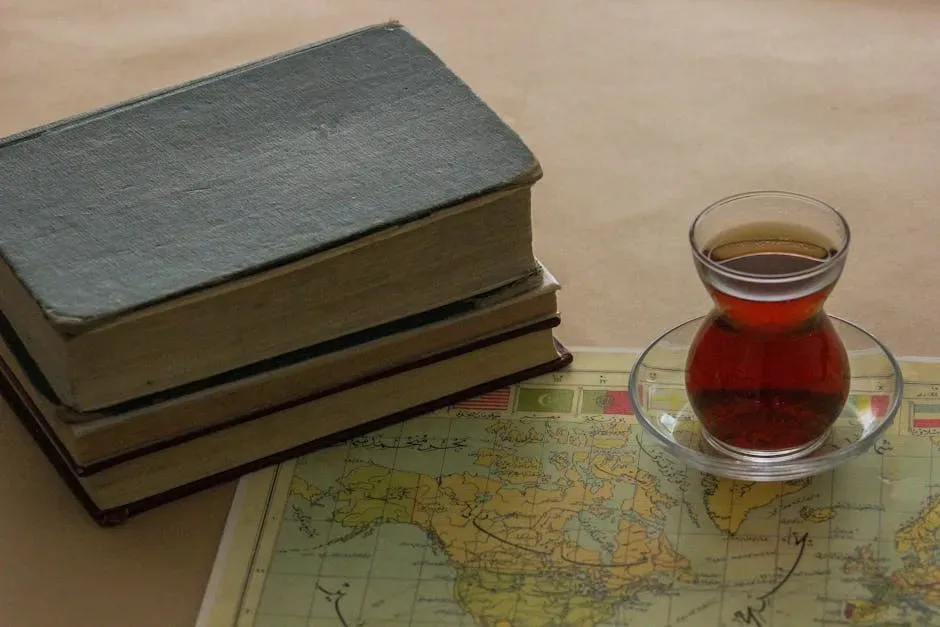
The greatest intellectual impact of Orientalism was upon the fields of literary theory, cultural studies, history, and human geography, by way of which originated the field of post-colonial studies. Published in 1978, Edward Said’s book did something few works manage: it made scholars realize they had been asking the wrong questions all along. Orientalism peels back the supposedly neutral veneer of scientific interest and discovery attached to such projects. Said shows how Orientalist writings and ideologies actively shape the world they describe, and how they perpetuate views of Middle Eastern people as inferior, subservient, and in need of saving. As a result, these often racist or romanticised stereotypes create a worldview that justifies Western colonialism and imperialism.
It has been influential in about half a dozen established disciplines, especially literary studies, history, anthropology, sociology, area studies, and comparative religion. Let’s be real – that kind of cross-disciplinary reach is almost unheard of. With the 1978 publication of his book Orientalism, Said shifted this subject of study. No longer was Orientalism a study of the Orient and its culture; rather it became the study of how the Orient is viewed, stereotyped, and thereby dominated by its opposite, the Occident, or the West. No serious historian today can ignore the questions Said forced into the open.
What Is History? by E.H. Carr – The Book That Made Historians Question Themselves


Famous for his hefty History of Soviet Russia, E.H. Carr’s foray into historiography was panned by critics at first. Initially written off as “dangerous relativism,” it is now considered a foundational text for historians, one which probes at the very seams of the discipline. By asking what exactly historical knowledge is and what constitutes history as we have come to understand it, Carr provides a compelling and masterful critique of the biases of historians and their moralized narratives of history.
This groundbreaking text also interrogates such notions as fact, science, morality, individualism, and society. Carr’s masterpiece is referenced in countless college applications for a reason – it’s a formidable dive into history as a discipline, and laid the foundations for the subject as it exists in the modern world. What Carr did, essentially, was hold up a mirror to historians and ask: who are you, what do you want, and how does that shape what you write? It’s the kind of uncomfortable question every discipline needs someone to ask eventually.
The Making of the English Working Class by E.P. Thompson – History From the Bottom Up


This book, which is undoubtedly Thompson’s most influential work, is considered by many to be one of the last century’s outstanding contributions to historiography. The book details the social, economic, and intellectual developments over the course of the eighteenth and nineteenth centuries, which ultimately led to the formation of a self-conscious working class in England. Before Thompson, history was largely written about kings, generals, and statesmen. He pointed his lens somewhere else entirely – at ordinary people – and changed what “history” could even mean.
One measure of the significance of the book is that it paved the way for innumerable similar studies; another is that academic studies of the book itself have grown into a cottage industry. It’s the kind of work that doesn’t just contribute to a field – it creates entirely new branches of it. History is written by the victors, as they say. Which is why history books tend to be dominated by royalty and aristocrats. Thompson refused to accept that premise, and the discipline has never quite been the same since.
The Annales School and “Combats Pour L’histoire” – When Geography Became History
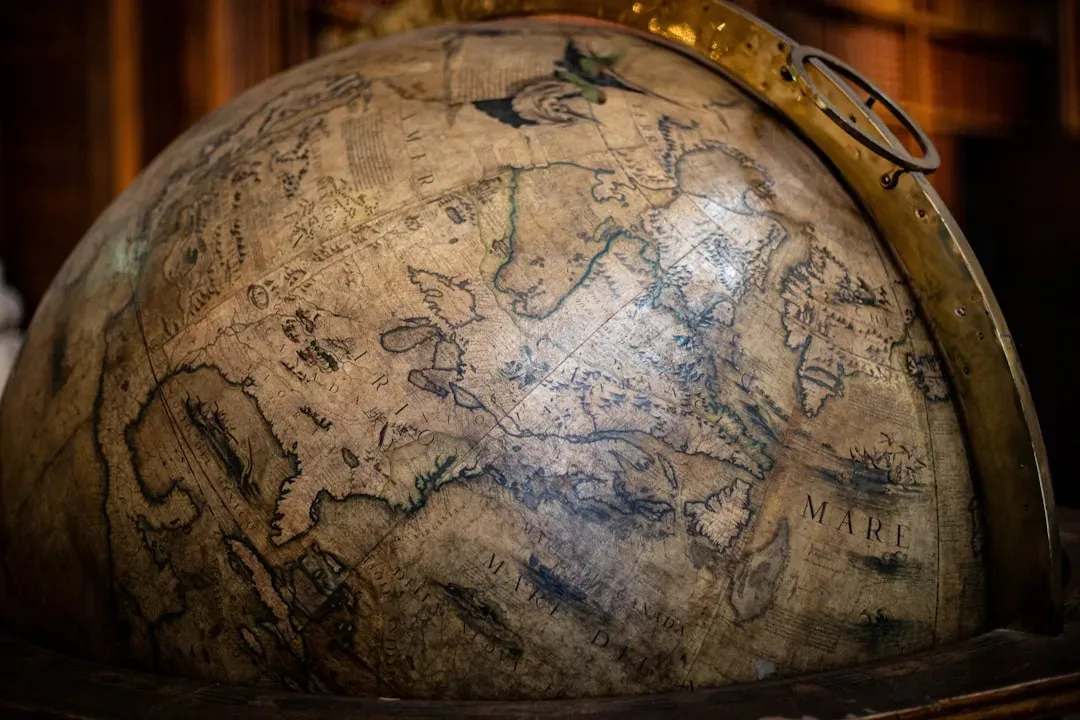
The essays collected in “Combats Pour L’histoire” were written by a key figure in developing the Annales School of historical thought. The author passionately argues for a new approach to studying history, one that moves beyond the traditional focus on political events and great men to include a broader analysis of social and economic factors, mentalities, and the structures that shape human activity over time. The book emphasizes the importance of interdisciplinary research, incorporating insights from geography, sociology, and anthropology to create a more nuanced and dynamic understanding of the past.
The author’s advocacy for this methodological shift had a lasting impact on the field of history, encouraging generations of scholars to explore the complex interplay of forces that influence historical change. The Annales approach was, in a way, the intellectual equivalent of widening a camera lens so dramatically that you suddenly see everything you were cropping out before. Climate, trade routes, disease patterns, collective mentalities – history, it turned out, was far larger than the names of battles and the dates of coronations.
The Dawn of Everything by Graeber and Wengrow – The Most Disruptive History Book of Recent Memory
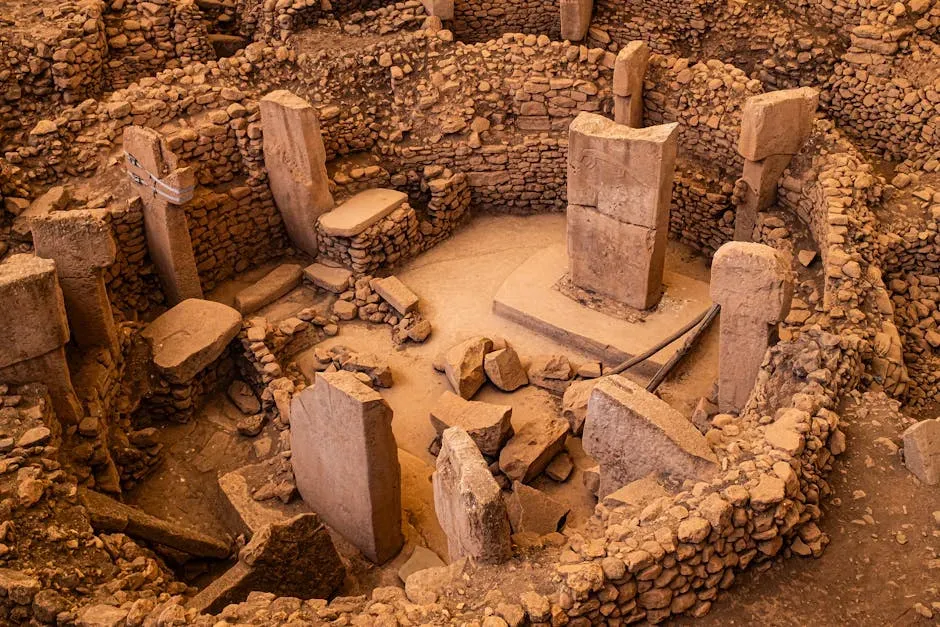
The Dawn of Everything uses archaeological evidence to argue the case that human history did not follow a linear path but emerged from a big, complex network of individual, decentralized communities. This book puts history on its head, arguing against much of what is taken for granted in schools and universities across the globe. The last book written before Graeber’s sudden death in 2020, it will challenge your very understanding of history. It’s the rare academic work that genuinely surprises you on almost every page.
There is no single original form of human society; many different versions have developed independently over millennia. There are three ways to dominate in human societies: sovereignty, bureaucracy, and politics. Instead of complaining about inequality, we should ask ourselves how we lost the flexibility and political creativity we once used to have. Honestly, this book feels like a challenge thrown down to the entire historical profession. It insists that human beings have made radically different choices throughout history – and that means we can make different choices again. That’s not just interesting scholarship. That’s a genuinely hopeful idea.
Why These Books Still Matter – Reading the Past to Understand the Present

The influence of these books extends far beyond their original contexts, continuing to shape contemporary discussions about politics, science, religion, and society. They remind us that ideas, when powerfully expressed and widely shared, possess the remarkable ability to change the world. It’s easy to treat old books as museum pieces – things to be admired behind glass, not engaged with. But the works explored in this article have a different quality. They are working documents. Their arguments are still active in the world.
They say that whoever forgets history is doomed to repeat it, but there’s a difference between knowing your history and knowing how our own possibly biased perception of history shapes our understanding of ourselves, and our paths forward, as individuals and as nations. Historiography is the place where the study of history meets the study of how that history is recorded and understood, shaping policy and beliefs in the present day. In an era where the meaning of “historical fact” is contested on a daily basis, learning how to read history – and to question who wrote it and why – might be one of the most important skills any of us can develop. Which of these books have you actually read? And perhaps more importantly, which one have you been putting off for too long?