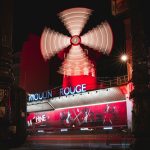
Picture this: you’re standing in a crowd of thousands, the bass thumping through your chest, the sun setting over distant stages. What you wear isn’t just about looking good anymore. It’s about being prepared, making a statement, and honestly, showing the world who you are without saying a word. Festival fashion has always been a wild playground for self-expression, but something major is shifting as we head toward 2026.
The festival grounds have transformed from simple outdoor concerts into cultural laboratories where style meets function, where yesterday’s trends collide with tomorrow’s innovations. We’re moving away from the cookie-cutter boho looks that dominated the early 2010s and diving headfirst into something far more complex and thrilling. Let’s explore what’s coming next.
Sustainability Takes Center Stage
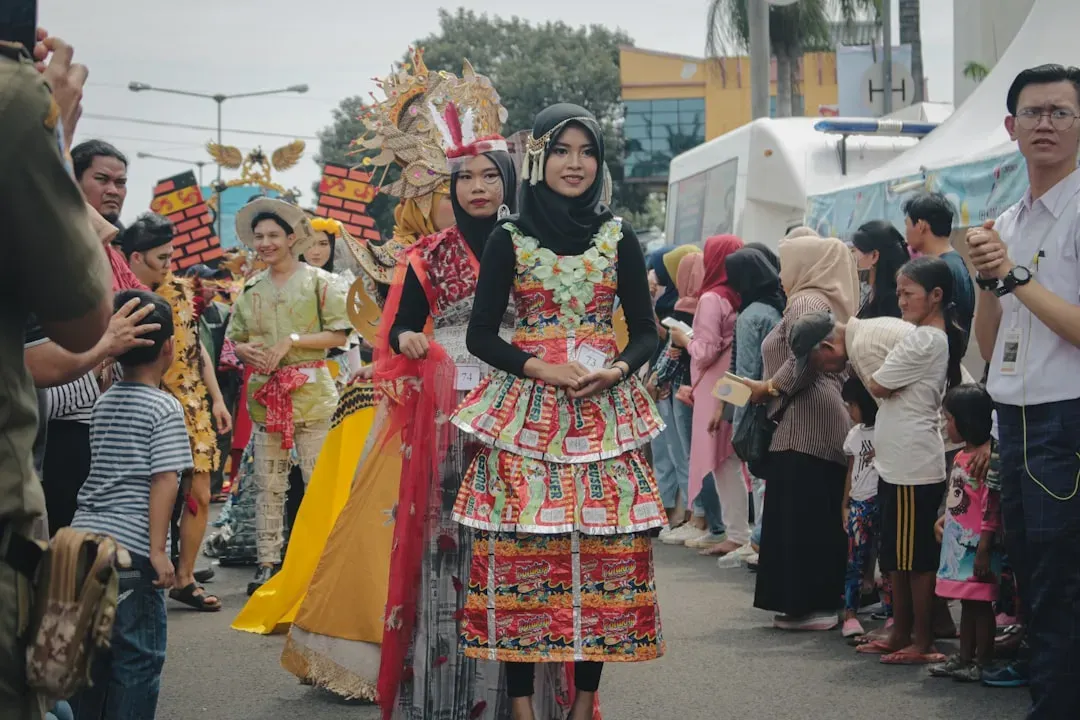
The 2025 festival season is witnessing a significant shift towards sustainability in fashion, with eco-conscious designs and materials taking center stage, reflecting a growing awareness among festival-goers about the environmental impact of their clothing choices. It’s not just a buzzword anymore. People genuinely care about where their clothes come from and what happens to them after the festival ends.
Designers are increasingly turning to sustainable fabrics like organic cotton, hemp, and Tencel, which are becoming staples in festival fashion, offering comfort and style while minimizing environmental impact. Biodegradable sequins dazzle guilt-free, while recycled mesh fabrics feel as good on the conscience as they do on the skin. This isn’t about sacrificing style for ethics – it’s about having both.
Modular designs think detachable sleeves or interchangeable panels offer versatility for multi-day festivals. Imagine transforming your outfit from day to night without hauling around extra bags. That’s where we’re headed.
The Resale Revolution Reshapes Festival Wardrobes
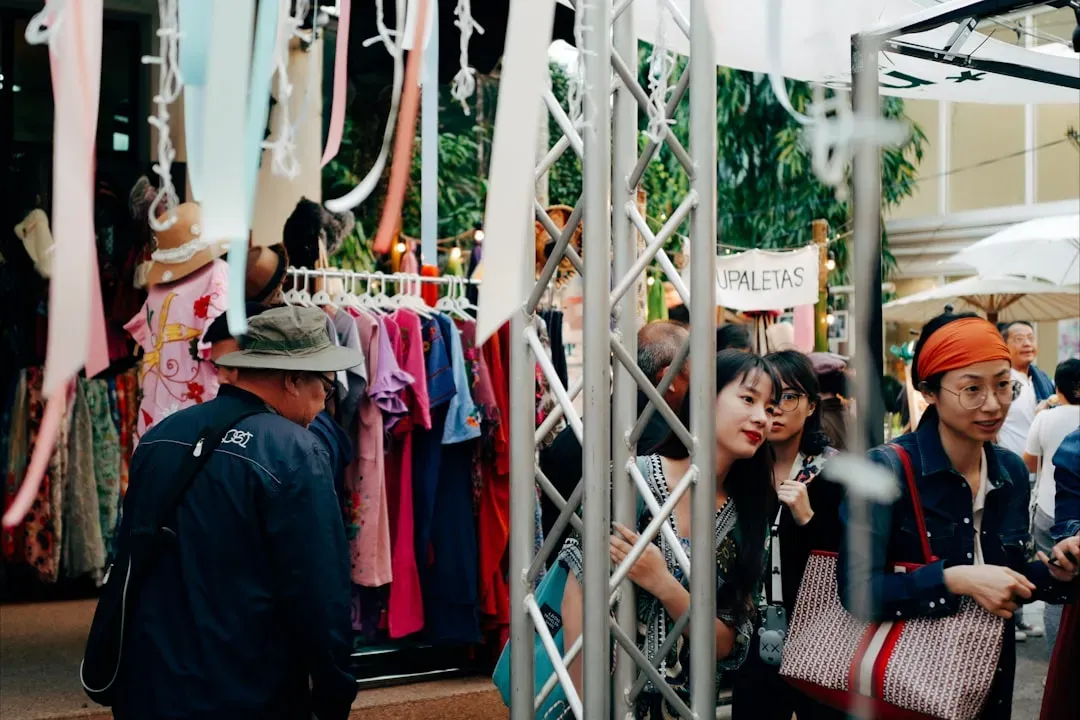
In 2024, the U.S. secondhand apparel market saw its strongest growth since 2021, growing 14% and outpacing the broader retail clothing market by 5X. Here’s the thing: festival-goers are smarter about their purchases now. They’re asking themselves if they can resell an item later, which actually changes what they buy in the first place.
Nearly half of all consumers and roughly two-thirds of younger consumers say they’ve cut back on buying cheap, lower-quality apparel because they can’t resell it. The rental market is booming too. Why spend hundreds on an outfit you’ll wear once when you can rent something extraordinary? The global secondhand apparel market is expected to reach $367 billion by 2029, growing at a compound annual growth rate of 10%.
Festival fashion is becoming circular, and that’s actually really exciting. It means more creativity, less waste, and outfits that tell stories beyond just one weekend in the desert.
Techwear Invades the Festival Scene
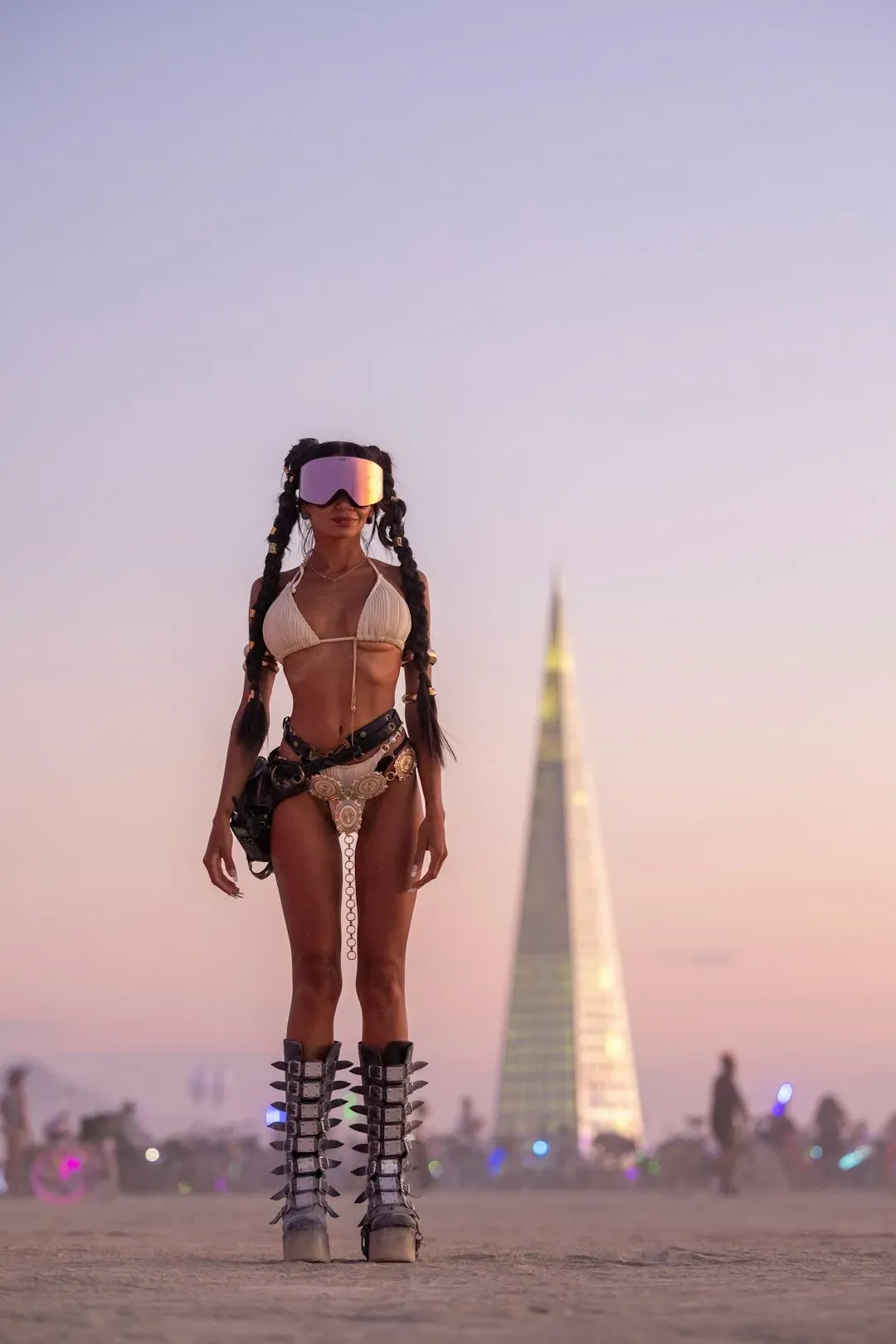
Functionality is getting sexy. Really. As sustainability is having an impact across the board for fashion, streetwear in 2025 is seeing a colossal wave of upcycled, DIY, and bespoke styles, but there’s another force at play. Utility-inspired techwear has been quietly infiltrating festival grounds, transforming how we think about festival gear.
We’re talking cargo pants with actual useful pockets, water-resistant fabrics that breathe, modular accessories that serve multiple purposes. Technology plays a major role in festival fashion this year, with AI-reactive fabrics, LED accessories, and smart textiles that respond to sound, temperature, or movement, with wearers able to control lighting and color shifts through apps. Sounds like science fiction? It’s already happening.
The old divide between looking good and being prepared is disappearing. You can have waterproof shoes that don’t look like hiking boots. You can wear a jacket with hidden compartments that still looks sleek. Festival fashion is finally growing up, and it’s about time.
Y2K Nostalgia Gets a 2026 Makeover
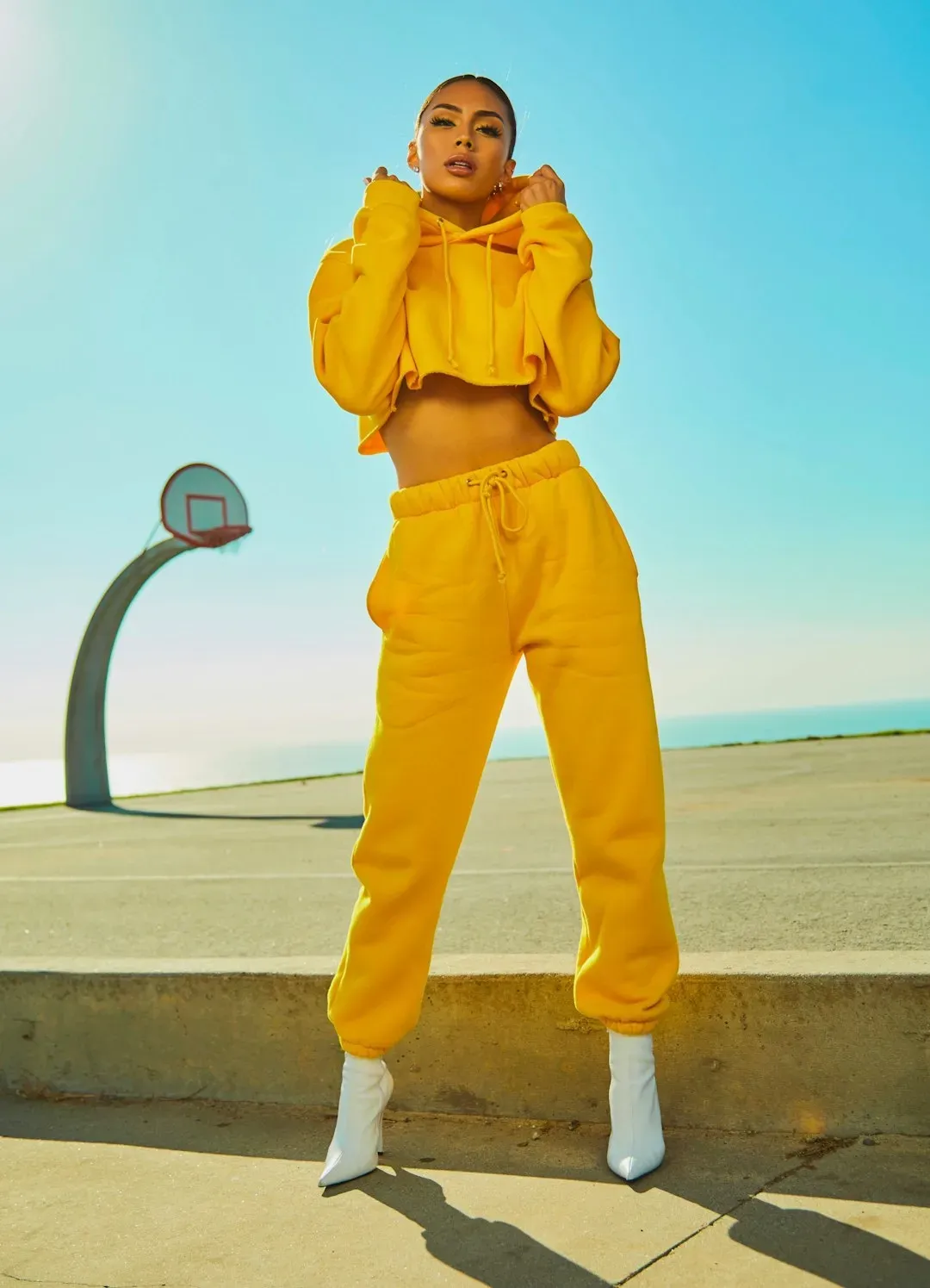
Neon colors, loud prints, and patterns dominated the styles at Coachella 2024, with neon crop tops and animal prints epitomizing festival looks. The Y2K revival isn’t going anywhere, but it’s evolving into something more sophisticated for 2026.
The Y2K aesthetic returns with a modern edge, with mesh tops, low-rise rave pants, and butterfly motifs, blending bold 2000s prints with sleek, tech-forward elements for a look that’s both retro and revolutionary. Think less “costume” and more “curated throwback.” The key difference? Today’s festival-goers are mixing these nostalgic pieces with contemporary elements.
Metallics remain huge. Silver, gold, and holographic finishes in 2025 are dominating everyday outfits and not just as accents, with metallic pants, voluminous jackets, and rainbow-colored accessories making big entrances into streetwear ensembles. It’s bold, it’s unapologetic, and it photographs incredibly well for social media.
Nu Boheme Reclaims Its Territory

Nu Boheme remains the dominant aesthetic for young women, with an overall shift from hyper-feminine styles to an edgier direction. The boho-chic aesthetic that defined early Coachella is back, but it’s tougher now, more grounded in reality.
Festival fashion has come full circle from the 70s to the 2000s Coachella core, with crochet and lace trending, ruffle bloomer shorts everywhere, and thick chunky belts being retrieved from parent’s closets. Yet there’s a twist. Brands and designers should tap into this edgy, youthful take on Nu Boheme and lean into Noughties Nostalgia rock chick styling.
It’s not your mom’s festival outfit anymore. The new bohemian aesthetic mixes sheer fabrics with combat boots, delicate lace with leather accessories. It’s romantic but with an edge. Vulnerable but powerful. That’s the energy festival-goers are chasing in 2026.
Gender-Neutral Silhouettes Break Boundaries
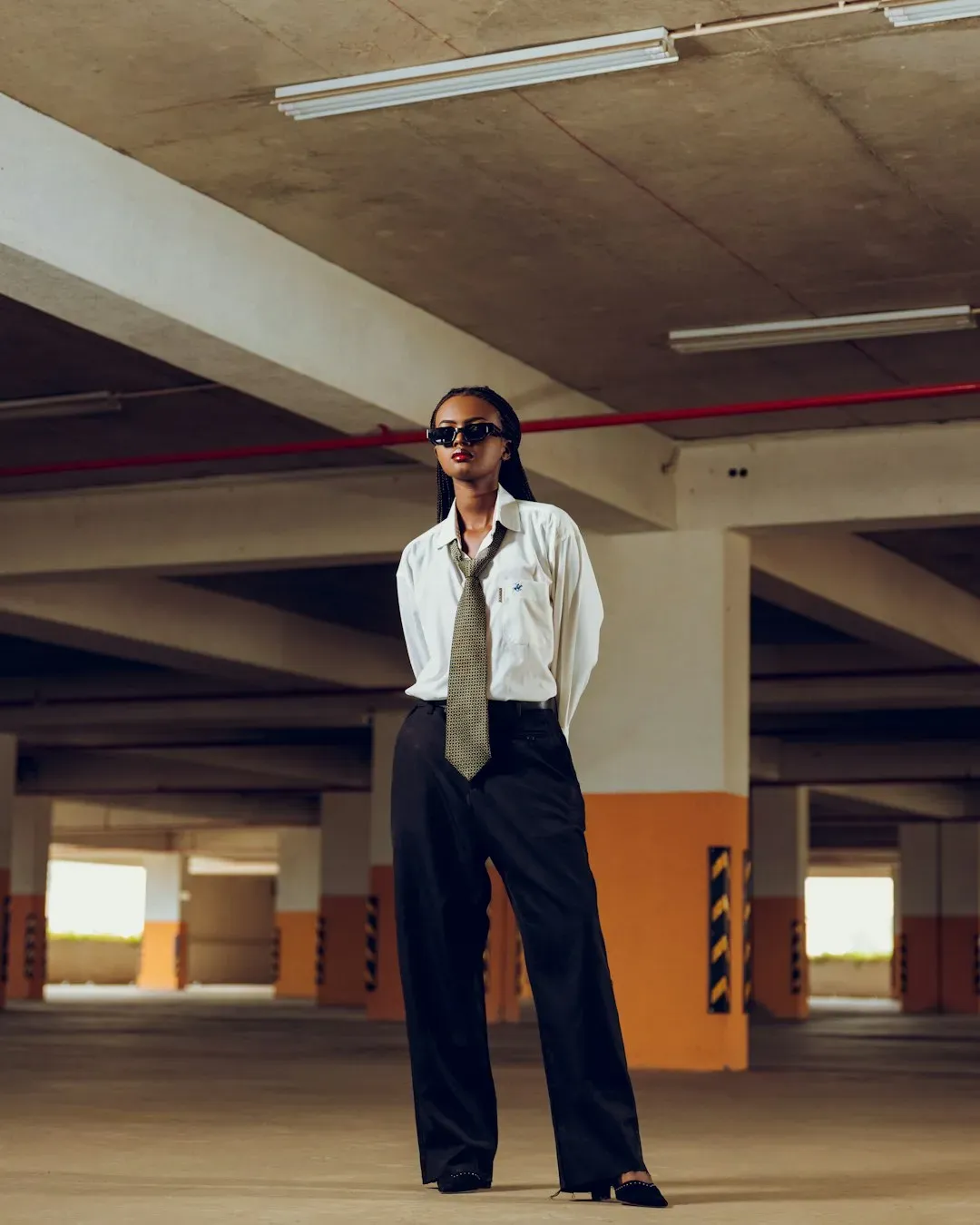
One of the most exciting trends in 2025 fashion is the increasing use of gender fluidity, with ravewear pioneering this years ago and streetwear now catching up, as labels offer unisex designs that blend surf, skate, and street influences. This isn’t a trend – it’s a fundamental shift in how we think about clothing.
Mesh tops, kilts, pashminas, wide-leg trousers, and transparent clothing are being worn by people of all genders, with style and self-expression over traditional duality gaining momentum. Festival culture has always been about freedom, and fashion is finally catching up to that philosophy.
The beauty of gender-neutral pieces is their versatility. They’re designed to work for different body types and personal styles. It’s less about rigid categories and more about what makes you feel powerful, comfortable, and authentically yourself. That’s liberation through fashion.
Wearable Tech Becomes Festival Essential
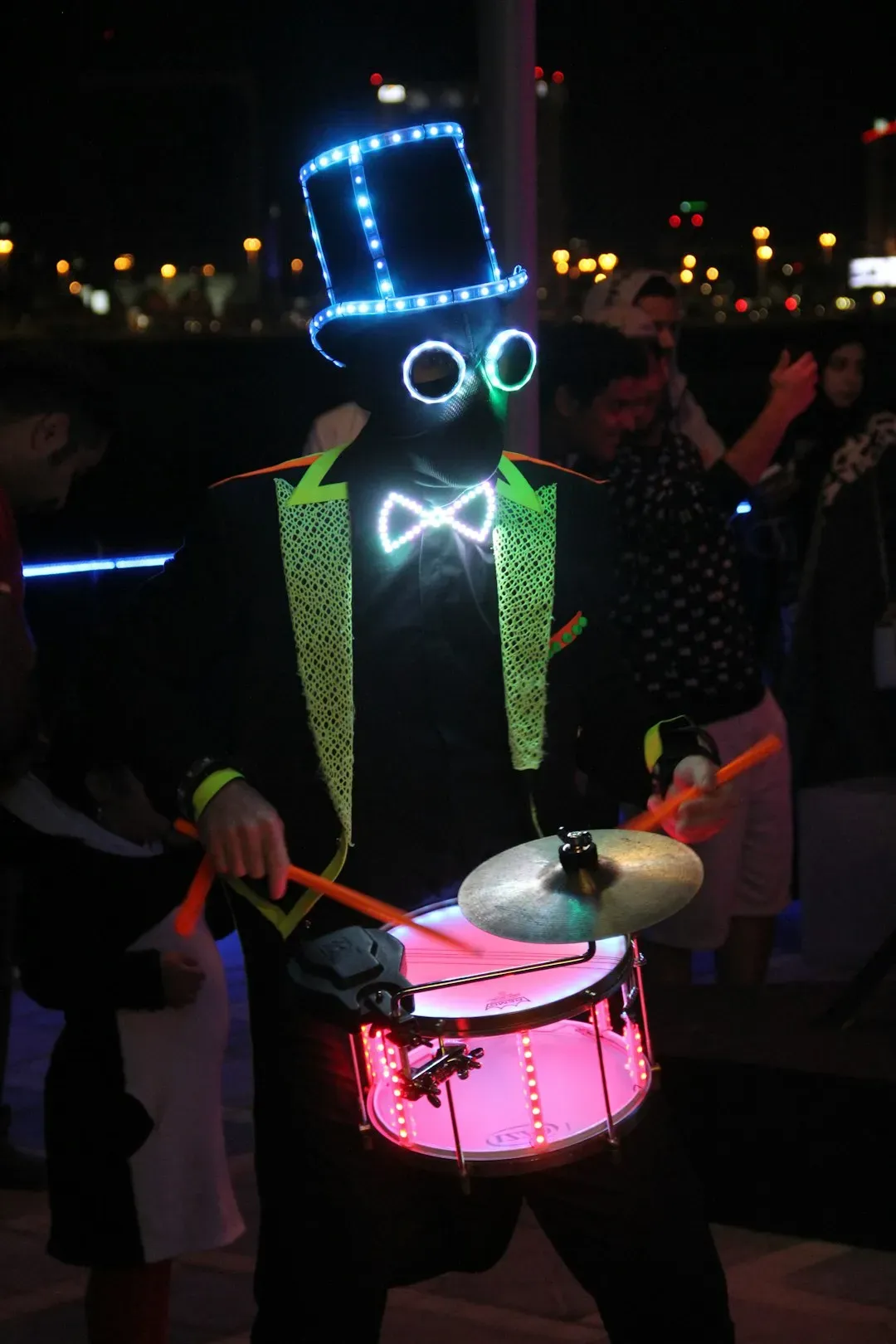
LED clothing isn’t just for ravers anymore. At Coachella, sheer fabrics floated through the desert heat, while Tomorrowland’s crowds dazzled in LED outfits synced to massive light displays. Wearable technology is transforming from novelty to necessity.
Smart accessories are getting smarter. We’re seeing pieces that do more than just light up – they interact with your environment, respond to music, even monitor your health during long festival days. It’s practical and visually stunning at the same time.
Data from Google Trends and Amazon shows a spike in demand for festival wear, with search interest peaking at 70 in July 2024 and hitting 63 in June 2025, while searches for boho chic clothing held steady. People are actively seeking out these innovations. They want their clothes to do something beyond just covering their bodies.
Maximalist Drama Makes a Statement
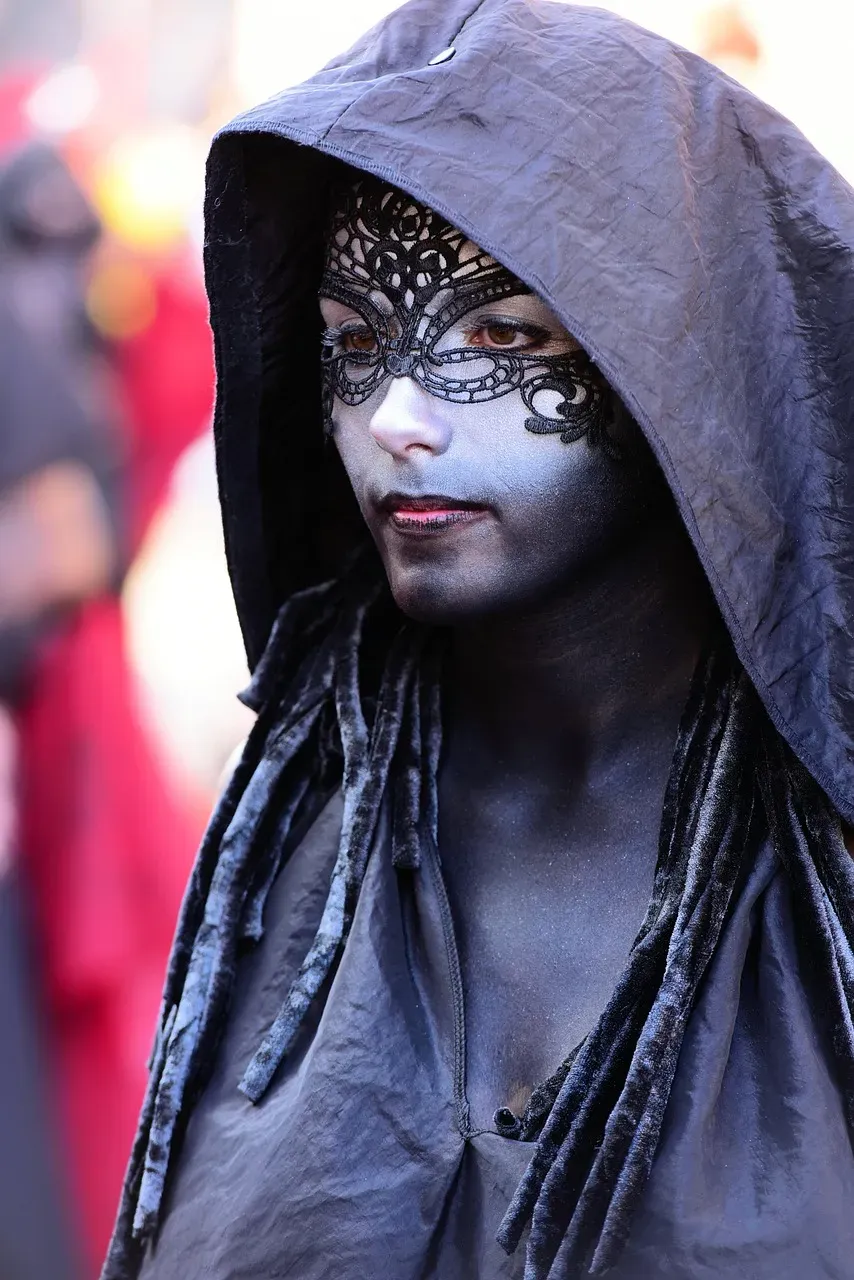
Quiet luxury? Not at festivals. Capes and cloaks are one of 2025’s most surprising and exciting trends to come from the festival world, with dramatic floor-length velvet cloaks and light-as-air see-through capelets adding flair to both festival grounds and city streets. We’re entering an era of theatrical self-expression.
Psychedelic prints are one of the biggest nods of the festival season, with clashing colors, twirling prints, and optical illusions now officially streetwear staples for everyday wear, from kaleidoscope coats to neon-print joggers. It’s bold, it’s overwhelming, it’s designed to make you impossible to ignore.
Volume is back too. Think oversized silhouettes, exaggerated proportions, layers upon layers of texture and pattern. Festival fashion in 2026 is rejecting minimalism in favor of pure, unfiltered expression. If you’re going to spend three days in a field, why not go all out?
Western Influences Gallop Forward
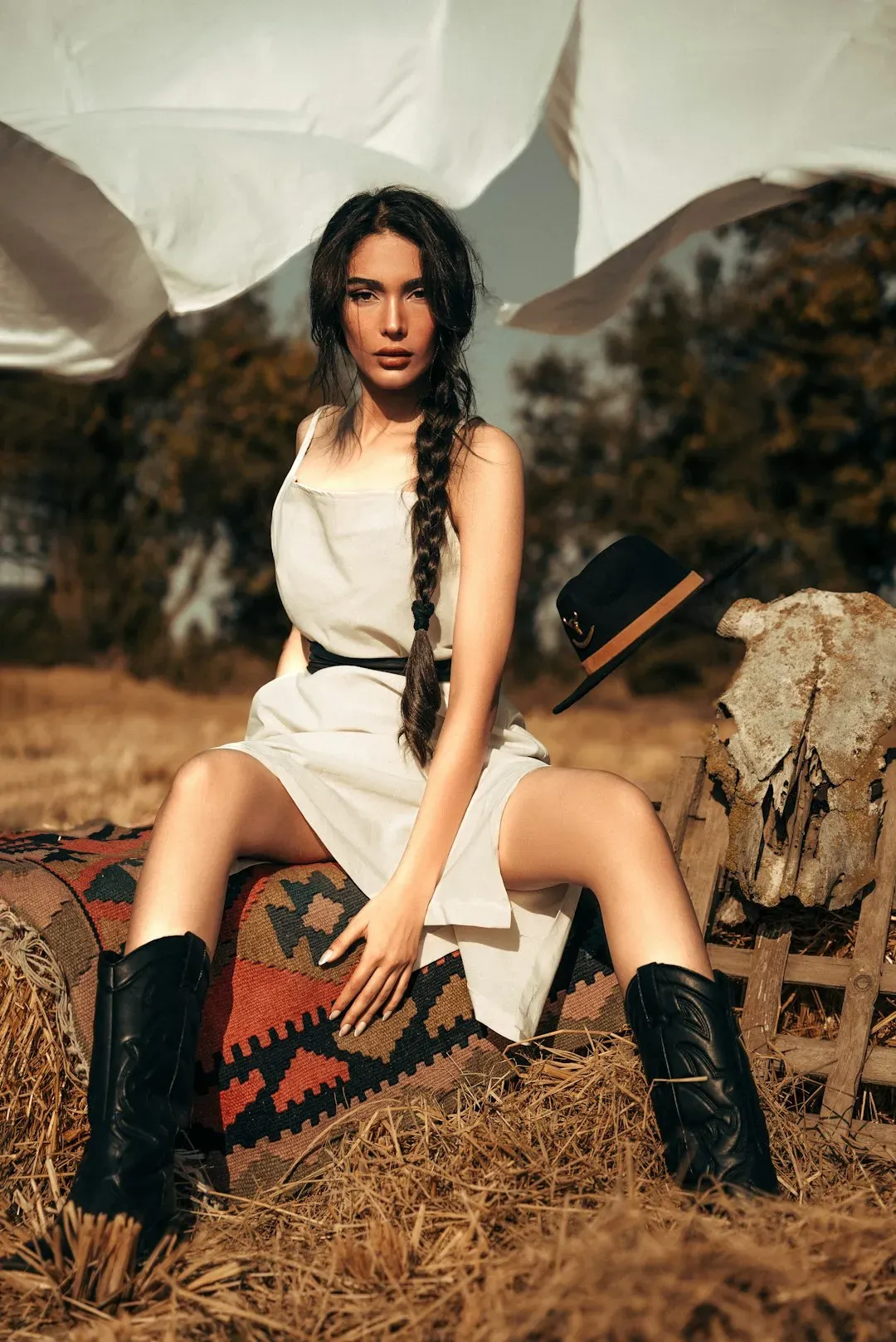
Western styles were a major fashion trend at Coachella 2024, with everyone dressed in leather including boots, jackets, skirts, and shirts, often complemented with bandanas and loud belts to create an astonishing cowgirl image. Westerncore isn’t disappearing – it’s evolving into something more sophisticated for 2026.
Fringe, studs, cowboy boots, wide-brimmed hats – these elements are being mixed with unexpected pieces. Picture a western belt over a metallic bodysuit, or cowboy boots paired with a sheer dress. It’s about taking the rugged Americana aesthetic and filtering it through a contemporary lens.
The appeal is obvious. Western wear is inherently functional – made for outdoor conditions, durable, with distinctive style. It photographs beautifully against desert backdrops. Festival-goers are taking these classic elements and remixing them in ways that feel fresh and current.
Layering Becomes an Art Form
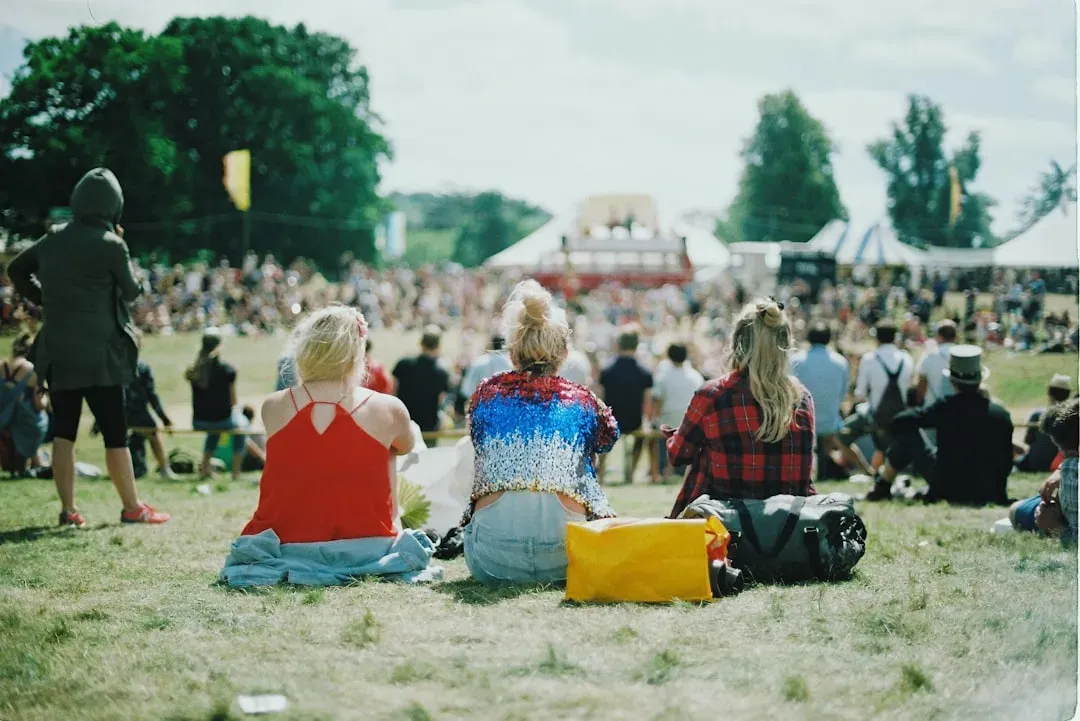
The art of layering is reaching new heights in 2025 festival fashion, with mix-and-match techniques allowing for endless creativity and personal expression, combining different textures, lengths, and styles to create unique, multidimensional outfits. Smart layering isn’t just practical for temperature changes – it’s become a core aesthetic principle.
Layering is no longer just about practicality; it’s become a key element of festival style, with festival-goers experimenting with unexpected combinations, layering sheer pieces over solid basics, or combining different patterns for a bold, eclectic look. The key is making it look intentional, not accidental.
Think about it: a mesh top over a sports bra, a flowing kimono over cargo pants, multiple necklaces of varying lengths, socks over fishnets. Each layer tells part of your story. It’s fashion as self-authorship, building your identity one piece at a time. That complexity, that depth – it’s what makes festival fashion in 2026 so compelling.
Festival fashion is more alive than ever. It’s more conscious, more functional, more expressive, and more inclusive. The boundaries between genres are blurring. Sustainability and style are finally friends. Technology and textiles are merging in ways that would’ve seemed impossible just a few years ago. As we look toward 2026, one thing is crystal clear: festival fashion isn’t just about what you wear – it’s about who you’re becoming. What will you choose to express when you step onto those grounds?