Ever gotten so lost in a book that you had to Google whether the main character was real? You’re not alone. Some writers have such a gift for creating living, breathing people on the page that readers refuse to believe they’re fictional. It’s happened more times than you’d think, and honestly, it’s both hilarious and a bit eerie how deeply these characters burrow into our collective consciousness.
The line between fiction and reality can blur when an author nails every detail just right. From detectives who feel like they walked straight out of history books to teenagers whose struggles mirror our own so perfectly it hurts, these characters became real in ways their creators never anticipated. Let’s dive into the fascinating world of literary figures who fooled readers into thinking they actually existed.
Sherlock Holmes
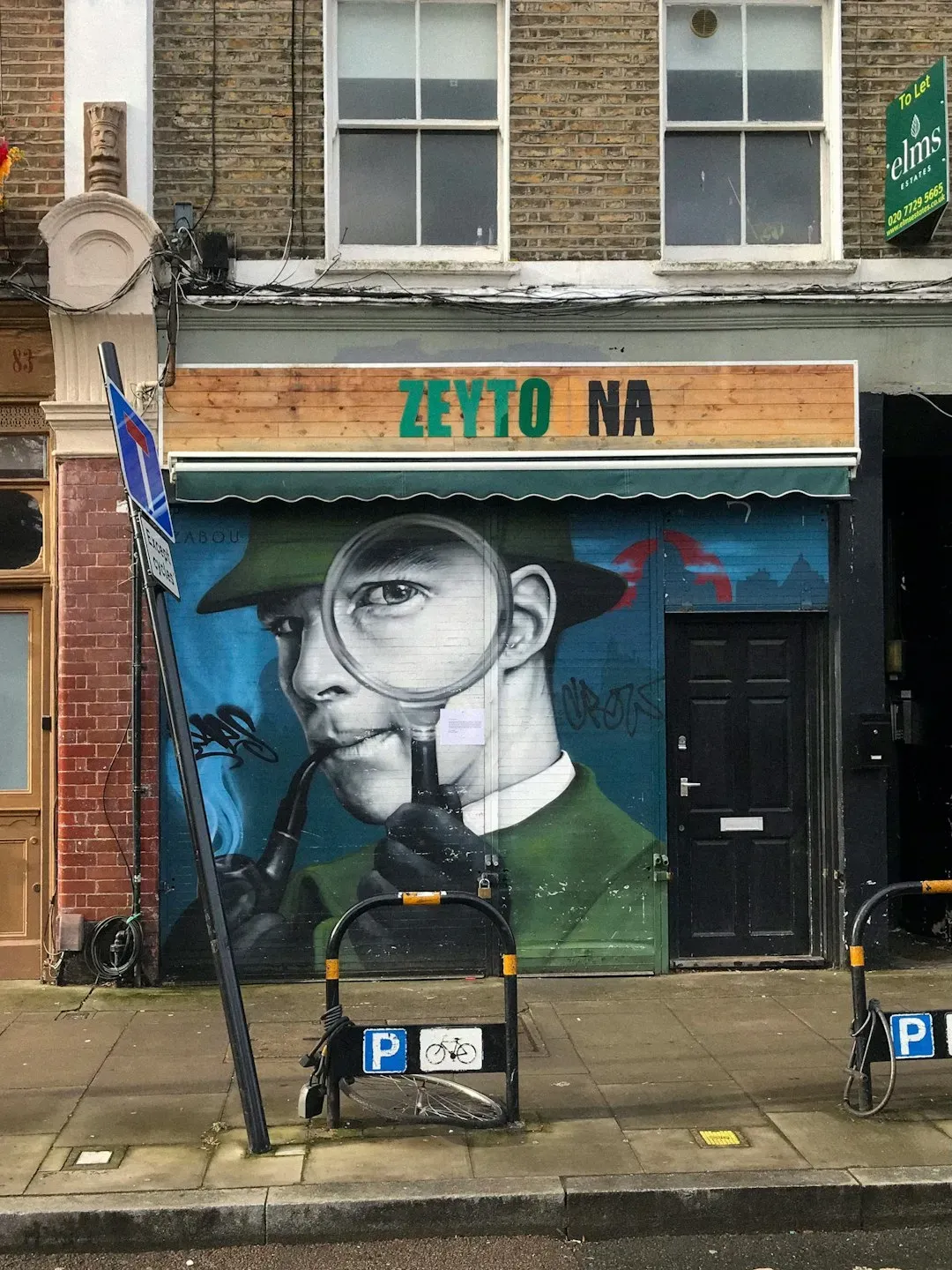
Arthur Conan Doyle’s famous detective sparked so much confusion that people sent mail to 221B Baker Street for decades. The address didn’t even exist when the stories were published, but that didn’t stop fans from believing Holmes was solving crimes somewhere in London. Readers were convinced his methodical approach to deduction and quirky personality traits could only belong to a real person.
The character felt so authentic that when Conan Doyle tried to kill him off, public outcry forced the author to bring him back. Think about that for a second. People mourned a fictional detective like they’d lost a family member. The details were too specific, too grounded in actual forensic practices of the time. Holmes represented a new kind of rational thinking that Victorian readers desperately wanted to believe existed.
Even today, the Sherlock Holmes Museum operates at the Baker Street address, and tour guides have to gently remind visitors that no, he wasn’t a real person. The blend of scientific method and eccentric genius created something that transcended the page. Conan Doyle built a character so meticulously researched that he felt more real than many actual historical figures from that era.
Robinson Crusoe

Daniel Defoe’s 1719 novel was presented as a true account, and readers ate it up without question. The book was written in first person with such convincing detail about survival on a deserted island that most people assumed it was a genuine memoir. Defoe never exactly corrected anyone either, which only added fuel to the fire.
The story drew inspiration from real-life castaway Alexander Selkirk, but Defoe transformed it into something entirely his own. Readers found the day-to-day descriptions of building shelter, farming, and dealing with loneliness too vivid to be made up. It’s hard to say for sure, but the authenticity came from Defoe’s journalistic background and his talent for making mundane details feel profound.
For years after publication, people debated whether Crusoe was walking around England somewhere, possibly telling his tale at local taverns. The novel helped birth the entire genre of realistic fiction precisely because it didn’t feel like fiction at all. Defoe had accidentally created a template for making imaginary people seem flesh and blood.
Holden Caulfield
J.D. Salinger’s moody teenager from “The Catcher in the Rye” struck such a nerve that readers were convinced he had to be based on a real person. The voice was too distinct, too perfectly capturing teenage angst and disillusionment. Salinger’s refusal to do interviews only made people more certain that Holden was either him or someone he knew intimately.
Teenagers especially felt like Holden was speaking directly to their experiences, down to the smallest frustrations with phoniness and adult hypocrisy. The character’s stream-of-consciousness rambling felt more like eavesdropping on someone’s actual thoughts than reading a crafted narrative. Generations of readers have sworn they knew someone exactly like Holden, or worse, that they were Holden.
What made him seem real was his inconsistency. He contradicted himself, made poor decisions, and couldn’t articulate his own feelings clearly. Perfect characters feel fake, but Holden’s messy authenticity made him impossible to dismiss as mere fiction. Salinger captured something universal about adolescent confusion that transcended any single time period or place.
Hannibal Lecter
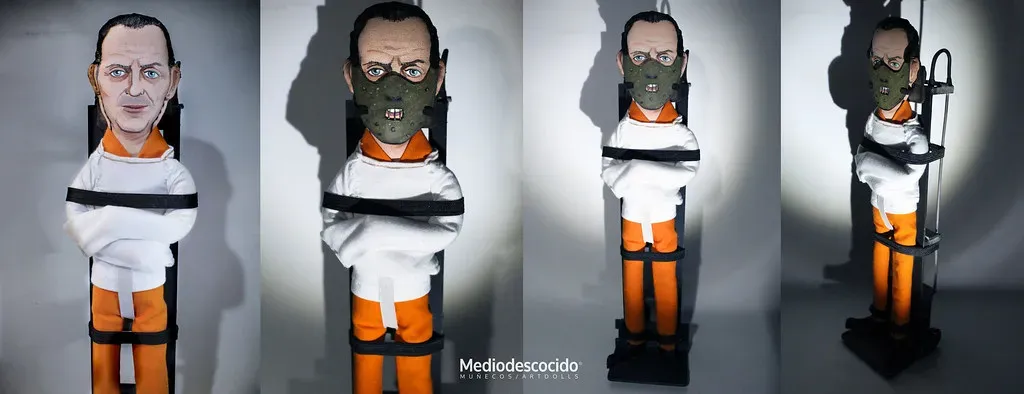
Thomas Harris created a serial killer so chilling that people assumed he must have been based on a real criminal. The psychological depth and specific details about Lecter’s methods felt too researched, too precise to be entirely invented. Harris had actually based aspects of the character on several real serial killers, but Lecter himself was pure fiction.
Readers and later moviegoers became convinced that somewhere, someone like Hannibal Lecter actually existed. The cultured sophistication combined with brutal violence created a monster that felt more plausible than comfortable. Harris’s background researching true crime gave him insights that made the character’s psychology disturbingly believable.
The FBI reportedly received inquiries about Lecter after “The Silence of the Lambs” became a phenomenon. People wanted to know if he was in prison somewhere, if they could visit him, or if his crimes were based on actual case files. That combination of intelligence and madness hit a nerve in the public consciousness. Harris had tapped into something primal about our fascination with evil that made denying Lecter’s reality almost impossible.
Jo March
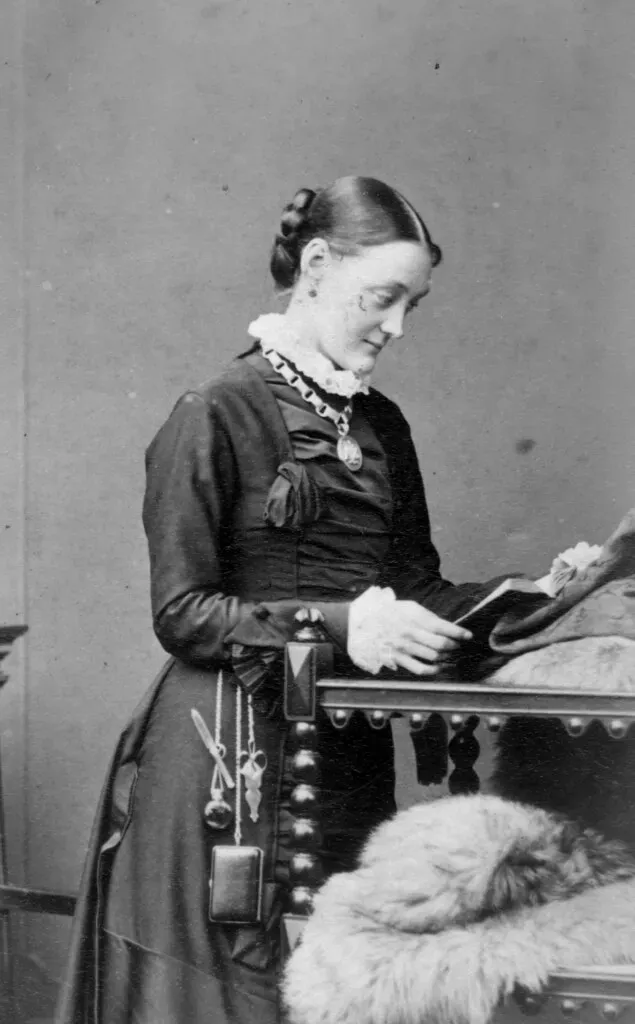
Louisa May Alcott based Jo from “Little Women” so heavily on herself that readers naturally assumed the entire March family was real. The domestic details, the financial struggles, and the personality quirks all came straight from Alcott’s life. Fans wrote letters asking about Jo’s later life as if she were a childhood friend they’d lost touch with.
The authenticity came from Alcott pouring her own dreams, frustrations, and relationships onto the page. Jo’s fierce independence and literary ambitions mirrored Alcott’s own journey so closely that separating author from character became nearly impossible. Readers felt they knew the March sisters personally because Alcott wrote from genuine experience rather than imagination.
Women especially connected with Jo’s struggle between personal ambition and societal expectations. The character felt like a reflection of their own lives and desires. Alcott’s decision to let Jo pursue writing rather than follow a conventional path was revolutionary, and readers believed it because it came from a real place of yearning. Jo March became the friend every woman wished they’d had growing up.
Jay Gatsby
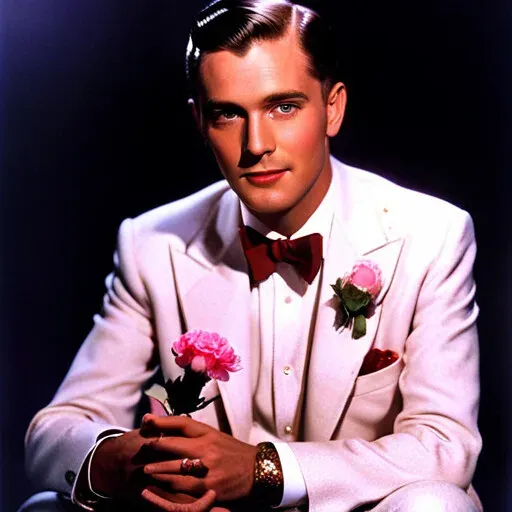
F. Scott Fitzgerald crafted a mysterious millionaire who felt so emblematic of the Jazz Age that readers insisted he must have been based on a real person. The elaborate parties, the obsessive love, and the tragic pursuit of the American Dream seemed too specific to be fiction. Fitzgerald drew from his own experiences with wealth and disappointment, giving Gatsby an emotional reality that transcended the page.
People swore they’d met Gatsby at parties in Long Island or heard stories about him from their wealthy relatives. The character represented something larger than himself, an entire era’s hopes and delusions condensed into one man. Fitzgerald’s genius was making Gatsby both extraordinary and ordinary at the same time, someone who could exist in any ambitious person’s life.
The mystery surrounding Gatsby’s past only made him feel more real. Real people have secrets and untold stories, and Fitzgerald understood that leaving gaps made readers fill them with their own certainty. Gatsby became whoever readers needed him to be, which ironically made him feel more authentic than any fully explained character ever could. The ambiguity was the point, and it worked too well.
Anna Karenina

Leo Tolstoy wrote Anna with such psychological complexity that Russian society was convinced she was based on a real aristocrat. The details of her affair, her social downfall, and her ultimate tragedy felt ripped from actual St. Petersburg gossip. Tolstoy had witnessed similar scandals in Russian high society, giving him material that felt documentary rather than fictional.
Readers debated which real woman Anna might be, pointing to various society figures who’d faced similar fates. The emotional depth Tolstoy gave her, exploring her thoughts and motivations with unprecedented intimacy, created a sense of knowing a real person. It’s hard to explain how revolutionary this psychological realism was at the time, but it fundamentally changed what fiction could do.
Women saw themselves in Anna’s impossible choices and the cruel judgment of society. Tolstoy didn’t just create a character, he created a mirror that reflected the trapped feelings of countless real women. That recognition made denying her existence feel wrong somehow. Anna became more real than reality because she articulated experiences that real people struggled to express.
Don Quixote

Miguel de Cervantes created a delusional knight who felt so authentic that people throughout Spain claimed to have encountered him. The character’s specific madness, fueled by reading too many chivalric romances, resonated with readers who knew someone equally lost in fantasy. Cervantes wrote with such warmth and detail that Quixote became a beloved figure rather than just a cautionary tale.
The towns mentioned in the novel started claiming Quixote had visited them, creating local legends around a fictional character. Cervantes had based aspects of the story on real places and real types of people, giving the fantasy a grounded quality. The humor came from Quixote taking fiction too seriously, which somehow made him more believable rather than less.
Readers loved him despite his delusions, or maybe because of them. He represented something idealistic in a cynical world, and people wanted to believe someone that pure-hearted actually existed. Cervantes created a character who was both ridiculous and noble, a combination that felt distinctly human. Don Quixote became real because everyone knew someone who refused to give up their impossible dreams.
Dracula
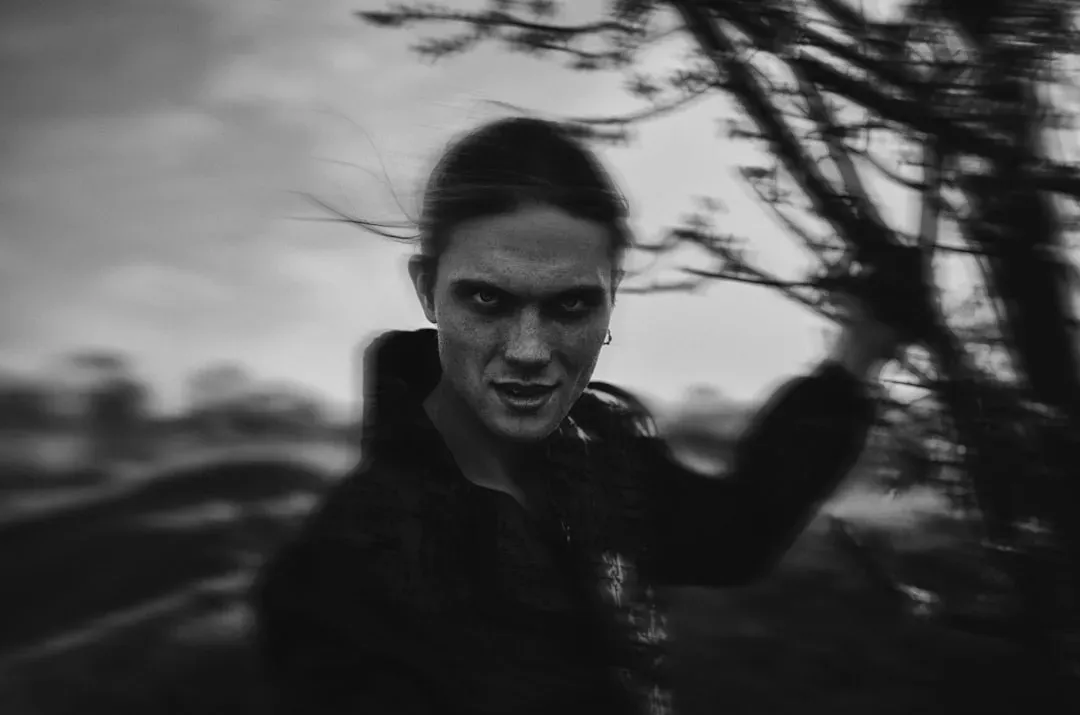
Bram Stoker’s vampire felt so rooted in Eastern European folklore that readers assumed he was based on a real historical figure. The connection to Vlad the Impaler only strengthened this belief, even though Stoker’s research was fairly surface-level. The journal entries and letters that structured the novel gave it a documentary feel that made the supernatural elements seem more plausible.
People started visiting Transylvania looking for Castle Dracula, disappointed to learn it was entirely fictional. Stoker had combined various vampire legends with his own imagination, creating something that felt ancient and real. The specific rules he established for vampire behavior became so accepted that readers treated them as historical fact rather than creative invention.
The character tapped into primal fears about death, sexuality, and disease that made him feel more real than comfortable. Stoker’s Victorian audience was already nervous about modernity and foreign threats, and Dracula embodied all those anxieties perfectly. The count became real in the collective imagination because he represented something that already felt true in people’s hearts. Fear has a way of making fiction tangible.
The Power of Believable Fiction

These characters share something essential that made them transcend the page. They have flaws, contradictions, and specific details that make them feel documented rather than invented. Their creators understood that authenticity comes from vulnerability and complexity, not perfection. When a character feels fully human, readers can’t help but believe they must have existed somewhere, somehow.
The greatest trick these authors pulled was making us forget we were reading fiction at all. They tapped into universal human experiences while creating individuals so specific we felt we knew them personally. It’s a kind of magic that only the best writing achieves, blurring the boundary between imagination and reality until it doesn’t matter anymore. These characters became real because they articulated truths about being human that we recognized immediately.
So next time you finish a book and find yourself Googling whether the protagonist was real, know that you’ve experienced something special. You’ve encountered a character so well-crafted that your brain refused to accept they didn’t exist. That’s the ultimate compliment to both the writer’s skill and the power of storytelling itself. What other characters have made you question reality? Tell us in the comments.