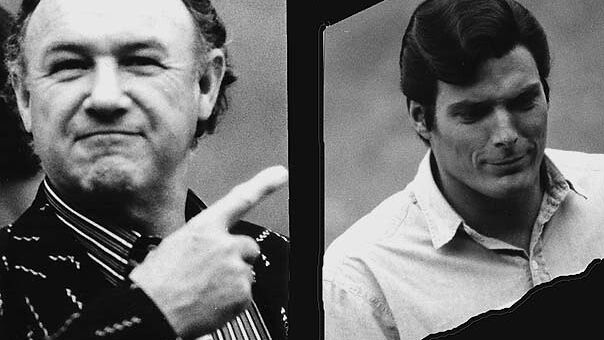
Hollywood loves to talk about scale. A bigger budget means bigger stars, bigger sets, and bigger marketing campaigns. The assumption, often unchallenged, is that spending more leads to winning more. Oscar night has a habit of complicating that story. While it’s no secret that major movies frequently carry budgets exceeding one hundred million dollars, and since the year 2000 no fewer than 75 films have soared past two hundred million dollars in production costs, a quiet group of films managed to collect Academy Awards on budgets that wouldn’t even cover the catering on a Marvel blockbuster. These are their stories.
Moonlight (2016) – The Cheapest Best Picture Winner Ever Made


The title of cheapest Best Picture winner goes to Barry Jenkins’ coming-of-age drama Moonlight. A24 financed the film in 2013, which marked the company’s foray into production, yet despite backing from the indie heavyweight and a production company headed by Brad Pitt, the budget stayed remarkably small at just one and a half million dollars.
At the 2017 Academy Awards, Moonlight received eight nominations and won three – Best Picture, Best Adapted Screenplay, and Best Supporting Actor, the latter going to Mahershala Ali, who became the first Muslim performer to take home an acting award. The win also marked the first time a film with an exclusively African-American cast and a gay male lead had claimed the top prize, and the film grossed over sixty-five million dollars worldwide – an impressive amount compared to its production costs.
Marty (1955) – A $343,000 Film That Swept the Oscars

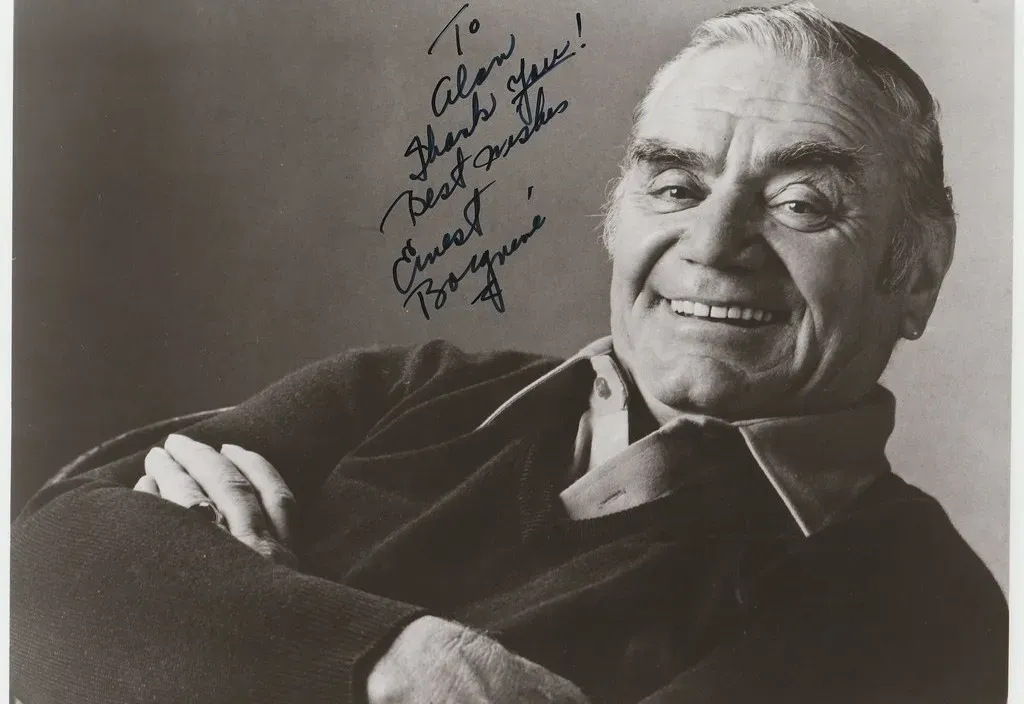
Though Marty’s original budget of just three hundred and forty-three thousand dollars went much further in 1955 than it would today, Delbert Mann’s drama about middle-aged love still ranks among the lowest-budget Academy Award winners ever. The film took home four Oscars at the 1956 ceremony: Best Picture, Best Director, Best Screenplay, and Best Actor for the superb Ernest Borgnine.
A straightforward romantic drama starring Ernest Borgnine and Betsy Blair as the unexpectedly smitten couple, Marty became the fourth American film to win the Palme d’Or at Cannes before claiming the Best Picture Oscar. Hecht-Lancaster Productions adapted it from a 1953 fifty-one-minute teleplay for just three hundred and fifty thousand dollars, equivalent to roughly three million dollars in today’s money. Its simplicity was its strength – two lonely people, a diner, and an honest script.
Rocky (1976) – Twenty-Eight Days, One Million Dollars, Three Oscars

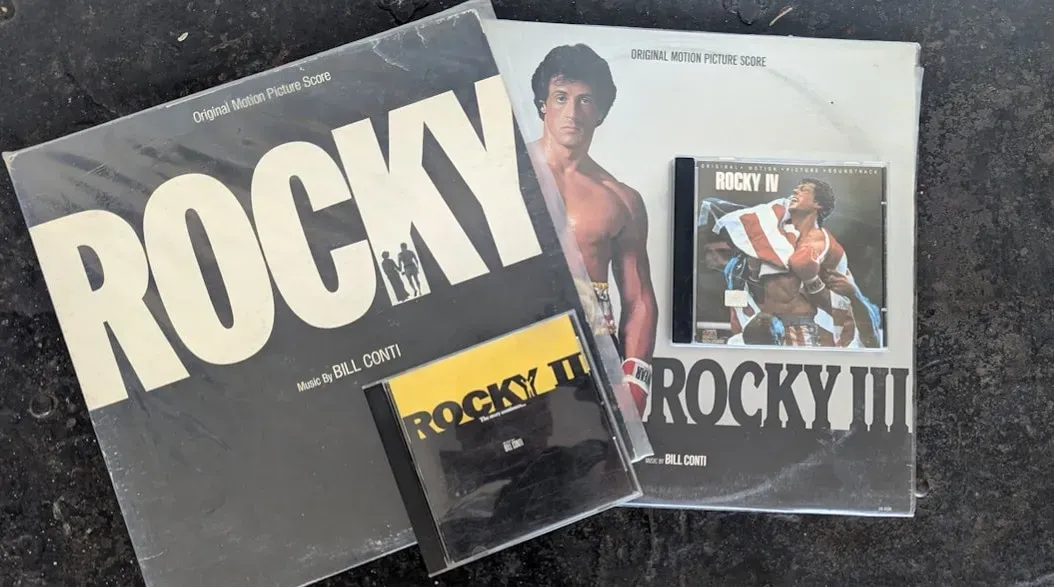
Rocky was just a modest sports drama shot in twenty-eight days on a budget of about one million dollars before becoming a Best Picture winner. The 1976 breakout made a celebrity of writer and star Sylvester Stallone and grossed over two hundred million dollars at the box office. The film’s tight budget benefited from that short shooting schedule and Stallone’s insistence on playing the starring role himself instead of a more bankable name.
Stallone had actually rejected a three hundred and sixty thousand dollar offer for the script because they wanted a different actor in the lead. It turned out to be an inspired decision, as he was eventually offered a one million dollar budget to make the movie exactly as he envisioned it. The film turned into a mammoth franchise and collected ten Oscar nominations, winning Best Picture, Best Director, and Best Film Editing.
The French Connection (1971) – Gritty Streets, Tiny Budget, Five Oscars

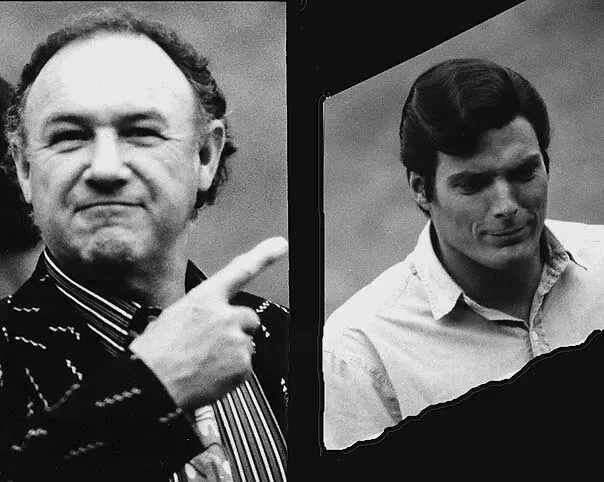
Nominated against a fifty-four million dollar musical production for the title of 1971’s Best Picture was The French Connection, a one-point-eight million dollar pressure cooker crime film that remains among the darkest and grittiest of its genre even today. The Academy, critics, and audiences ate it up, resulting in a box office haul equivalent to roughly three hundred million dollars in modern money. The film was a breakthrough for director William Friedkin, who made effective use of downtrodden New York City locations and guerilla filmmaking tactics.
Gene Hackman stars in this police thriller made for a mere one-point-eight million dollars in 1971. It was the first ever R-rated film to take home the Best Picture Oscar, and also earned Academy Awards for Hackman for Best Actor, Friedkin for Best Director, along with Best Film Editing and Best Adapted Screenplay.
Nomadland (2020) – Five Million Dollars, Three Major Oscars


Directed by Chloé Zhao, Nomadland tells the story of Fern, a widow in her sixties who decides to live a nomadic lifestyle following the economic devastation of the Great Recession. The film stars Frances McDormand, though the majority of the cast is made up of non-professional actors and real-life nomads. With a budget of just five million dollars, Nomadland stands as one of the least expensive Best Picture winners in Academy Awards history.
The ceremony saw Chloé Zhao become the first woman of colour, and only the second woman overall, to win in the Best Director category. Frances McDormand also took the Award for Best Actress home that same night. McDormand became only the second actor after Katharine Hepburn to win three Oscars for Best Actress.
Whiplash (2014) – A Short Film Turned Oscar Winner


Whiplash originated as an eighteen-minute short film that director Damien Chazelle premiered at the Sundance Film Festival. Independent producers eventually backed the feature version, giving Chazelle three-point-three million dollars to expand the story. Whiplash went on to earn five Academy Award nominations, winning for Best Supporting Actor, Best Film Editing, and Best Sound Mixing.
Of all the Best Picture nominees that year, Whiplash had by far the lowest budget at an estimated three-point-three million dollars. Damien Chazelle directed the film and J.K. Simmons took home a well-deserved Oscar for Best Supporting Actor. With two more wins for Film Editing and Sound Mixing alongside nominations for Best Picture and Best Screenplay, those modest funds paid real dividends.
Dallas Buyers Club (2013) – Five Million Dollars, Three Academy Awards

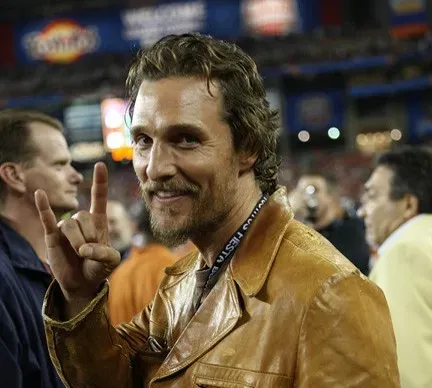
Dallas Buyers Club is a biographical drama about Ron Woodroof, a man diagnosed with HIV/AIDS who smuggled unapproved pharmaceutical drugs into Texas to help treat sick patients. The film drew impressive performances from Matthew McConaughey and Jared Leto, who lost fifty and thirty pounds respectively for their roles.
Despite a low budget of five million dollars, Dallas Buyers Club won the Academy Award for Best Actor, Best Supporting Actor, and Best Makeup and Hairstyling. It is only the fifth film in history to win both Best Actor and Best Supporting Actor. That combination of physical commitment and tight production discipline is something money doesn’t automatically buy.
Slumdog Millionaire (2008) – A Near-Shelved Film That Won Eight Oscars

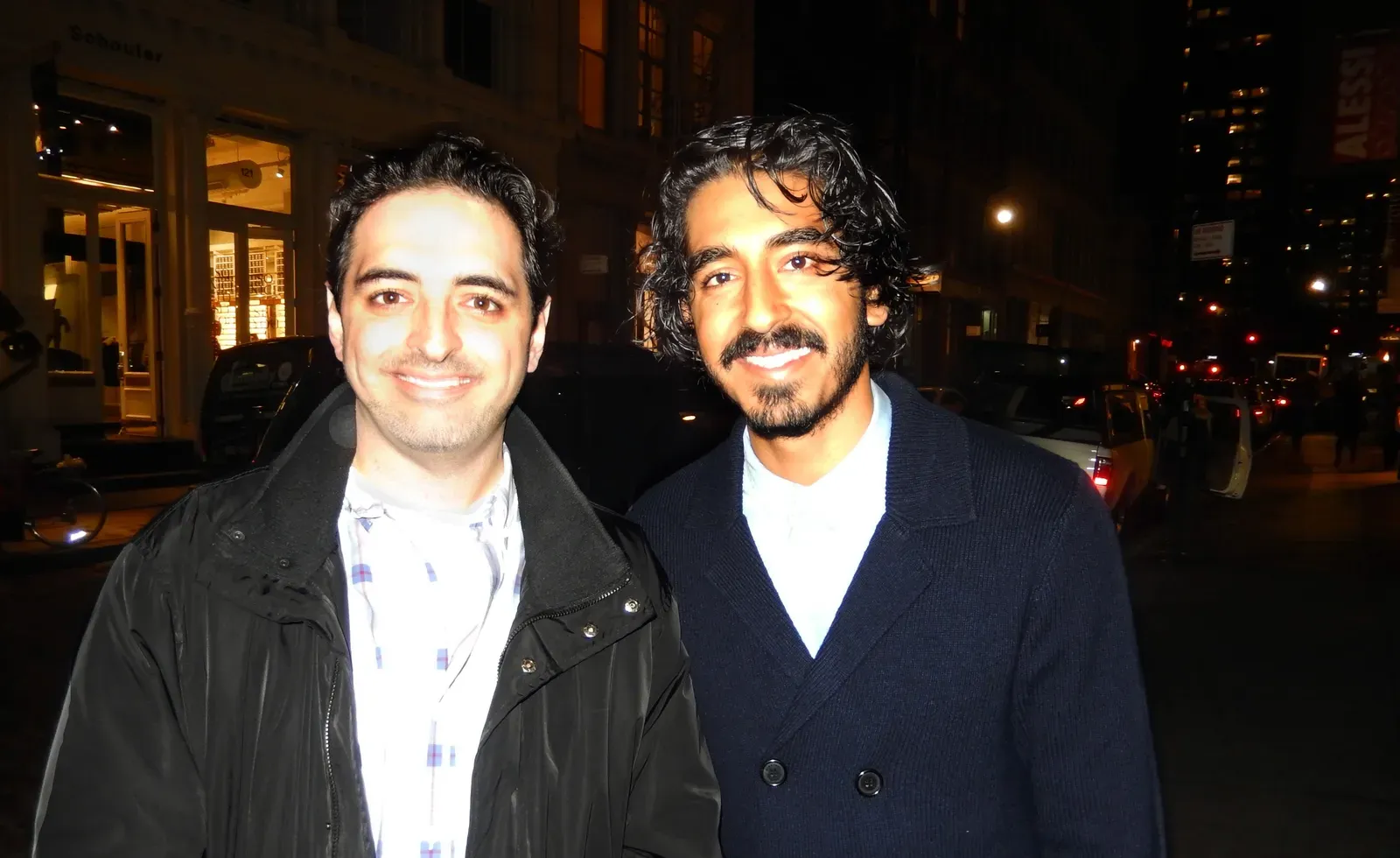
Working on a tight budget, Slumdog Millionaire truly resonated with moviegoers all over the world and with critics too. The rags-to-riches story of an orphan in Mumbai, left to fend for himself with nothing but his wits, created a breathless spectacle that was rewarded handsomely at the 2009 Academy Awards. On February 22, 2009, the film won eight out of ten Academy Award nominations, including Best Picture and Best Director, making it the fifteenth film to win at least eight Academy Awards.
It was also the first film shot using digital cinematography to win the Academy Award for Best Cinematography, which was given to Anthony Dod Mantle. Based on the novel Q&A, the film told its story mostly through flashback as a game show contestant must prove he hasn’t cheated. In addition to being only the eleventh Best Picture winner with no acting nominations, it was also the first film shot using digital technology to win an Oscar for Best Cinematography.
A Separation (2011) – Eight Hundred Thousand Dollars and a Historic Win


As of 2014, A Separation had grossed over twenty-four million dollars worldwide on an estimated budget of just eight hundred thousand dollars. Written and directed by Asghar Farhadi, the film focuses on an Iranian middle-class couple who separate, and the conflicts that arise when the husband hires a lower-class caregiver for his elderly father who has Alzheimer’s disease.
A Separation won the Academy Award for Best Foreign Language Film in 2012, becoming the first Iranian film to ever win the award. It had also received the Golden Bear for Best Film at the 61st Berlin International Film Festival, along with Silver Bears for Best Actress and Best Actor, making it the first Iranian film to win the Golden Bear. The win also marked Farhadi as the first Iranian to have won an Academy Award in any competitive category.
Ida (2013) – Two-Point-Six Million Dollars, Best Foreign Language Film
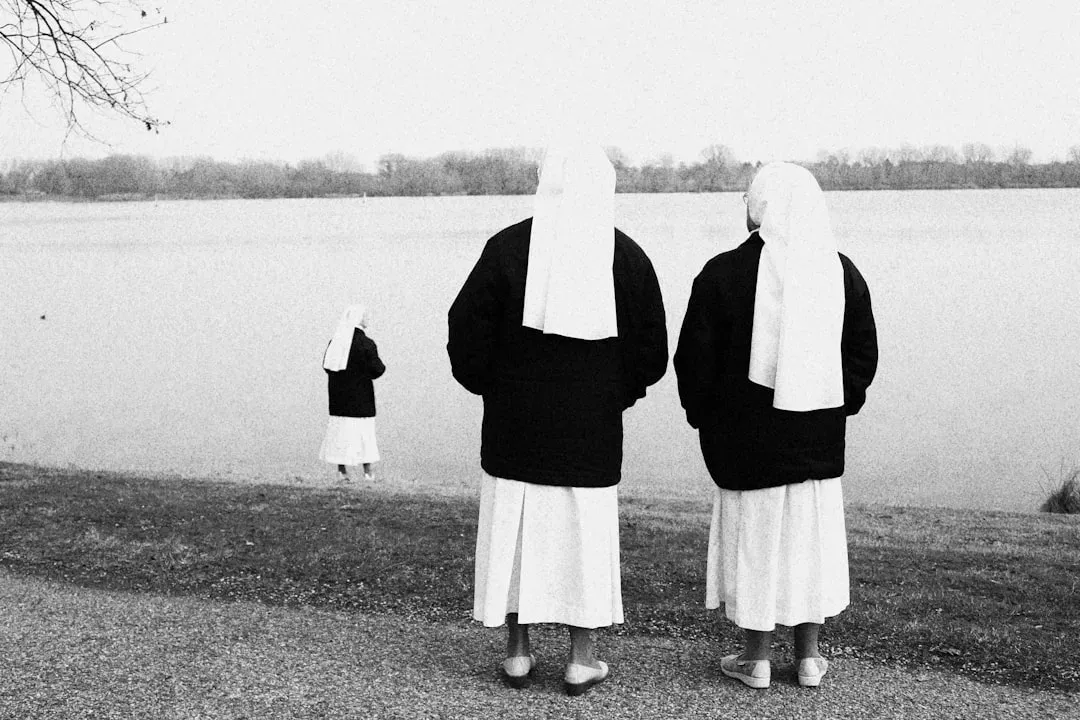
Ida is a Polish drama about a young woman who is about to take her vows as a Catholic nun, only to learn shortly before doing so that she is Jewish. She then embarks on a journey with her aunt, her only living relative, to discover the fate of her family. Named one of the greatest films of the century by the BBC, Ida was nominated for Best Cinematography and won Best Foreign Language Film – the first Polish film to do so. Director Paweł Pawlikowski crafted this masterpiece on a budget of just two-point-six million dollars.
The film’s black-and-white photography and deliberately spare approach made it feel more like a memory than a conventional drama. Between production and marketing expenses, the average Hollywood movie today costs around one hundred million dollars to make, and with franchise films, remakes, and reboots driving the market, studios are allocating less and less toward low-budget and independent projects. Ida stood as a quiet rebuttal to that entire logic.
The pattern across these films is hard to ignore. Tight budgets force filmmakers to rely on what has always mattered most – story, performance, and conviction. When there’s no money for spectacle, the camera has to find something real instead. Time and again, the Academy has recognized exactly that.