There is a quiet revolution happening in Las Vegas, and it has nothing to do with poker tables or headliner shows. It is happening in strip malls. It is happening over steaming bowls of ramen at midnight, over Sichuan peppercorns that numb the tongue in the best way possible, and over dim sum that puts any hotel brunch spread to shame. Vegas locals have been quietly making a move, turning their backs on the Strip’s famous all-you-can-eat buffets and heading west – about a mile west, to Spring Mountain Road. The shift is real, it is documented, and honestly, it makes complete sense once you understand what is happening on both sides of the equation. Let’s dive in.
The Death of the Cheap Vegas Buffet
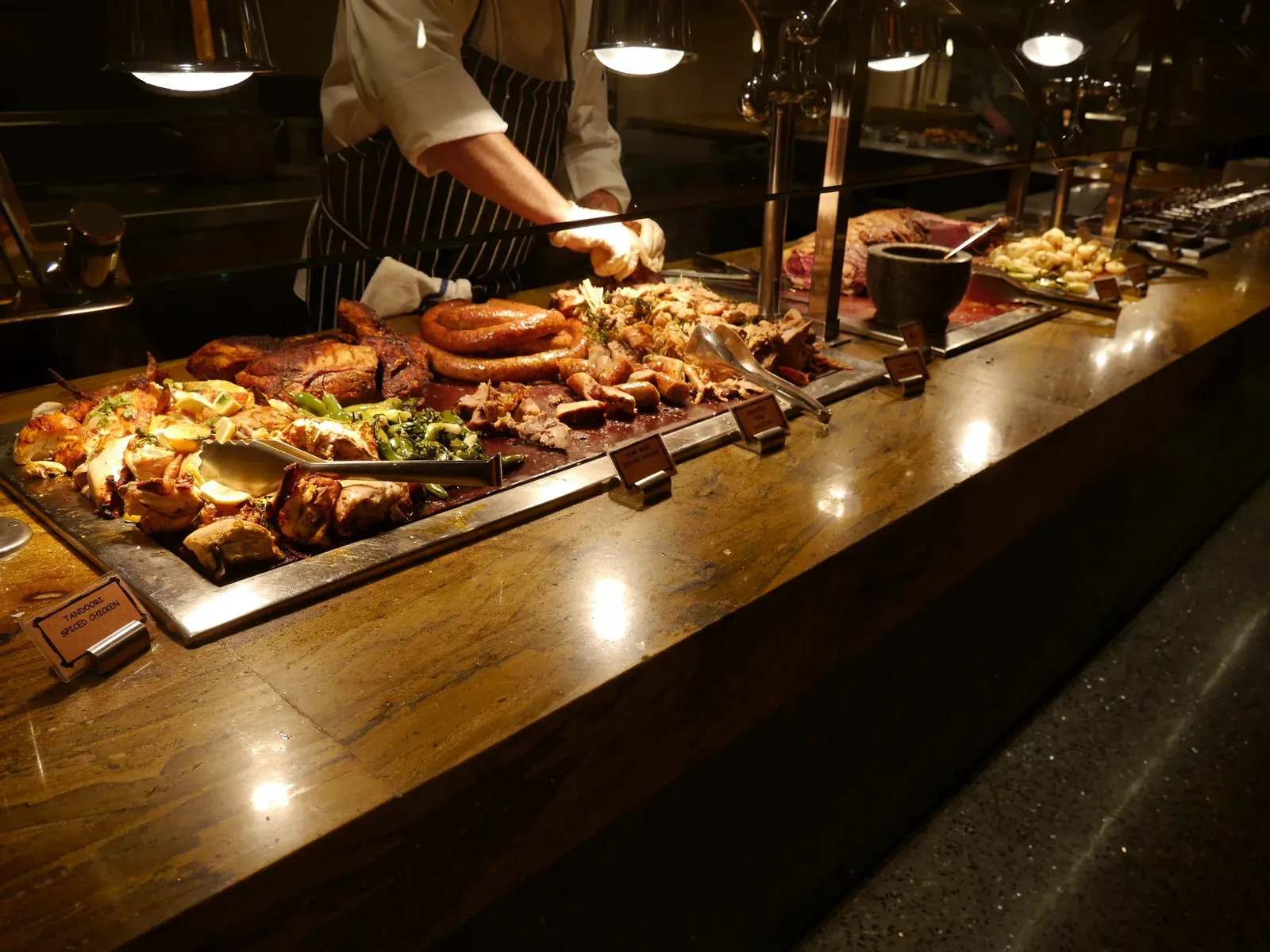
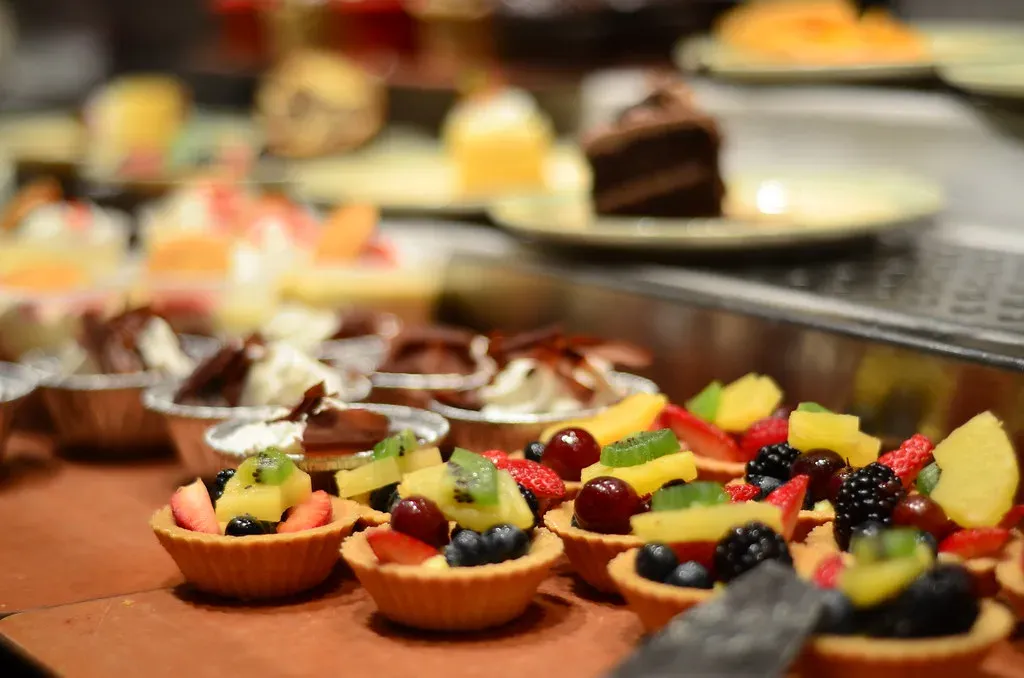
Let’s be real: the legendary era of the $5.99 Las Vegas buffet is long gone. Many of the city’s old-school buffets have been replaced by trendy food halls and pricey celebrity chef-driven restaurants, as well as the so-called luxury buffet, making it now an attraction in and of itself. That is not nostalgia talking – that is the market shifting under everyone’s feet.
Las Vegas has been known for its all-you-can-eat buffets since 1946, when Herb McDonald brought the first one to the El Rancho Vegas. Prior to the pandemic, there were over 50 casino buffets in the Las Vegas valley. Now there are just 13. Think about that number for a second. From over 50 down to 13. That is a collapse, not a correction.
When the Price Tag No Longer Makes Sense
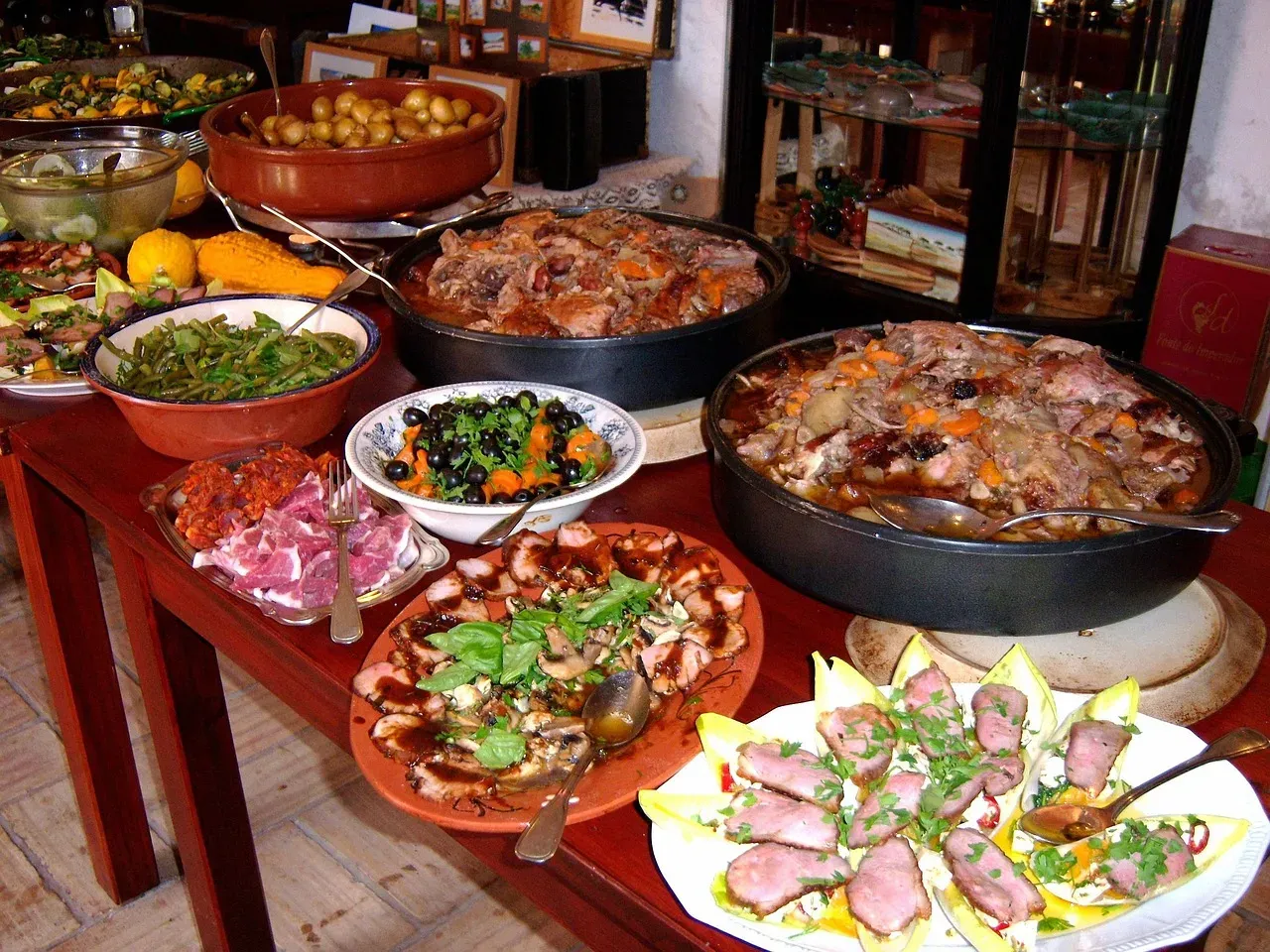
Here is the thing that really stings for locals: the remaining buffets are not cheap anymore. The Bacchanal Buffet at Caesars Palace charges $64.99 per adult for weekday brunch, $79.99 for the Saturday crab brunch, and $84.99 for both weekday and weekend dinners. That is a significant financial commitment for a meal you serve yourself.
Prices at the Bacchanal have climbed, averaging $90 to $100 per person for weekend dinners. For a family of four, that is quickly approaching a $400 dinner. Meanwhile, a table for four at a serious Spring Mountain restaurant can deliver a far more memorable and personalized experience for a fraction of that cost. The math simply does not work anymore for savvy locals.
Spring Mountain Road: One Mile, Hundreds of Reasons to Stay
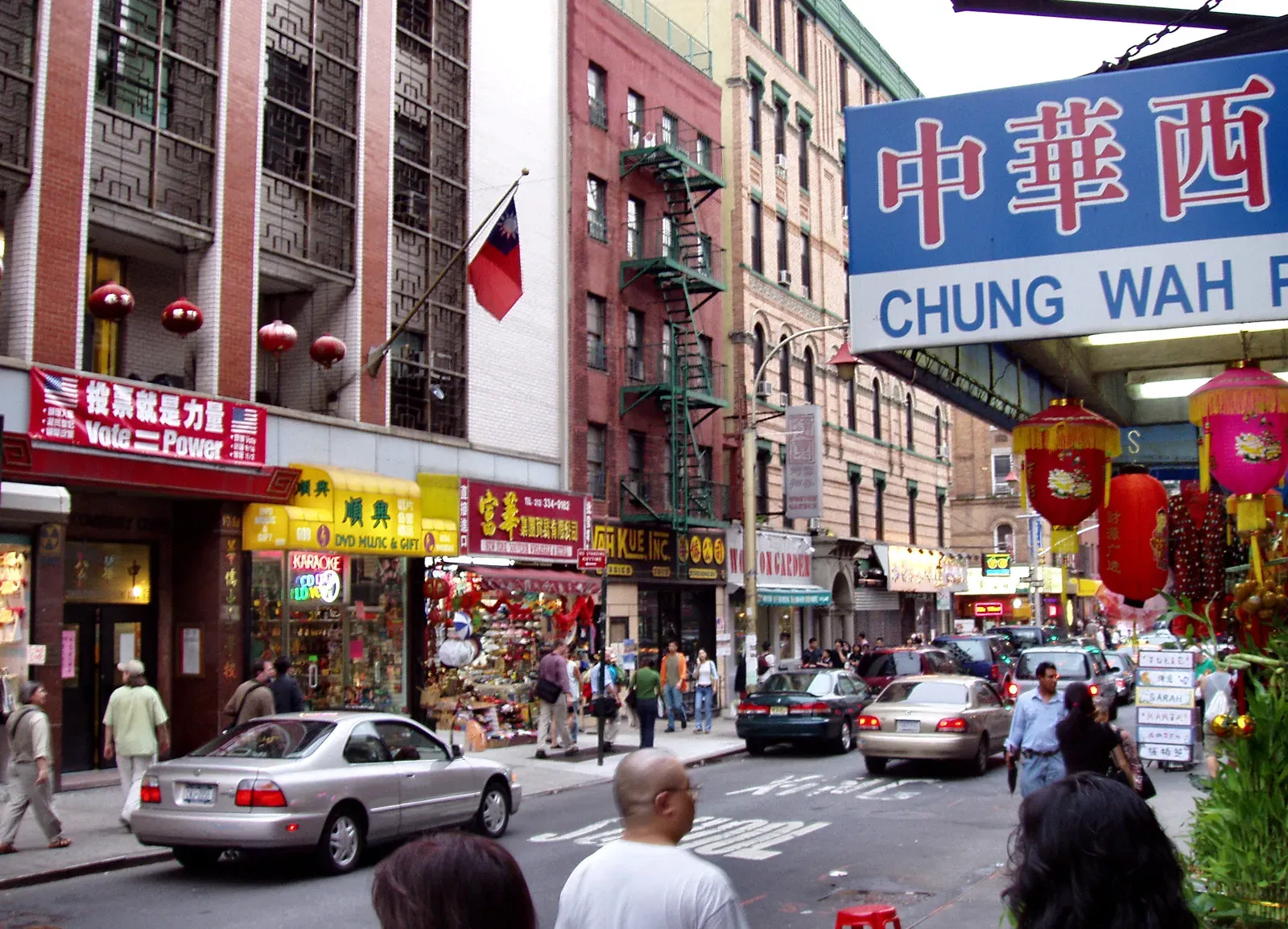
Las Vegas’ Chinatown spans over three miles along Spring Mountain Road, hosting big-name Asian brands in one vibrant strip. That density is staggering when you walk it in person. It is not a street with a few restaurants; it is an entire culinary universe compressed into a corridor that takes minutes to drive but days to fully explore.
World-renowned as Las Vegas’ very own Chinatown, this area, just one mile west of the Strip, has become a destination for both locals and tourists alike. The Chinatown corridor is visited at all times, day and night, with some hot spots open with 60-minute waits as late as 3:00 AM. A 3 AM wait list. In a strip mall. That tells you everything you need to know about this neighborhood’s pull.
A Neighborhood Overloaded With Culinary Ambition
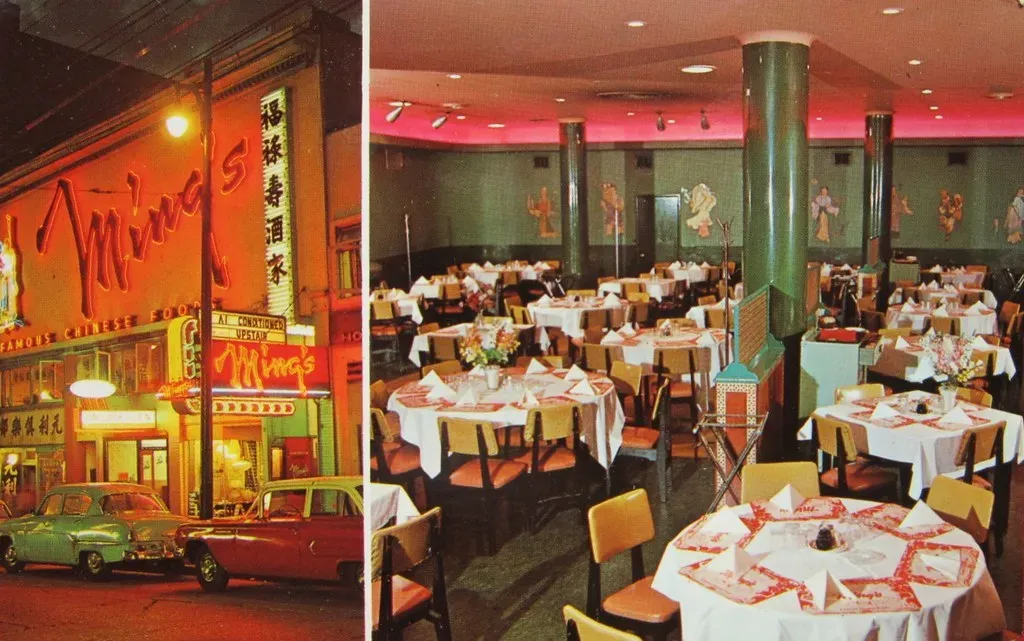
Las Vegas Chinatown on Spring Mountain Road is home to an incredible array of James Beard Foundation Award-nominated chefs, including Kaoru Azeuchi of Kaiseki Yuzu (semifinalist 2023), Jimmy Li of ShangHai Taste (semifinalist 2023), and Brian Howard of Sparrow and Wolf (semifinalist 2024). James Beard nominations on Spring Mountain Road. In strip malls. The culinary world has clearly noticed what locals already knew.
Spring Mountain Road is not just home to big Asian brands – it is a vital incubator for local culinary concepts. Take Hot N Juicy Crawfish, which started here and now has locations in Rowland Heights, San Gabriel, and even Orlando, Florida. This is a neighborhood that launches food empires. That kind of creative momentum is simply not replicable on the Strip.
Authenticity Is the New Currency
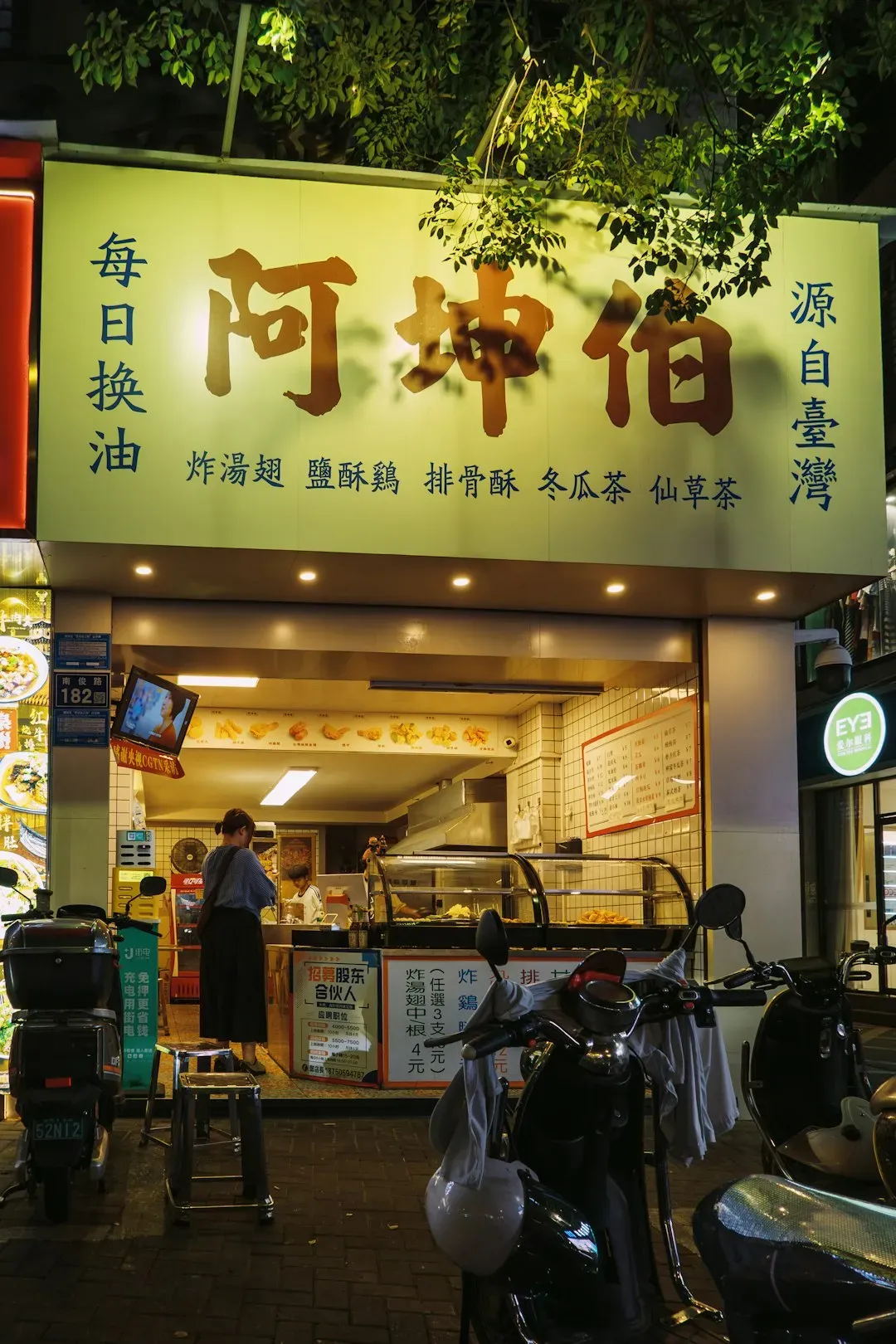
Honestly, there is something happening in the broader dining culture that goes beyond just price. Neighborhoods like Chinatown have seen notable growth, attracting food enthusiasts with top-quality dining options without the steep costs found on the Strip. People want to feel like they are eating something real, not a themed experience designed for tourists.
Sparrow and Wolf, nestled within the Chinatown district of Las Vegas, has quickly become a local favorite for its innovative approach to cuisine, located at 4480 Spring Mountain Road. The restaurant provides a pleasant respite from the Strip’s hustle and bustle, making it a solid option for a quality meal. When a neighborhood restaurant feels like an escape from what Las Vegas is supposed to be, that is a powerful thing for residents who live inside the spectacle every single day.
The Buffet’s Own Identity Crisis
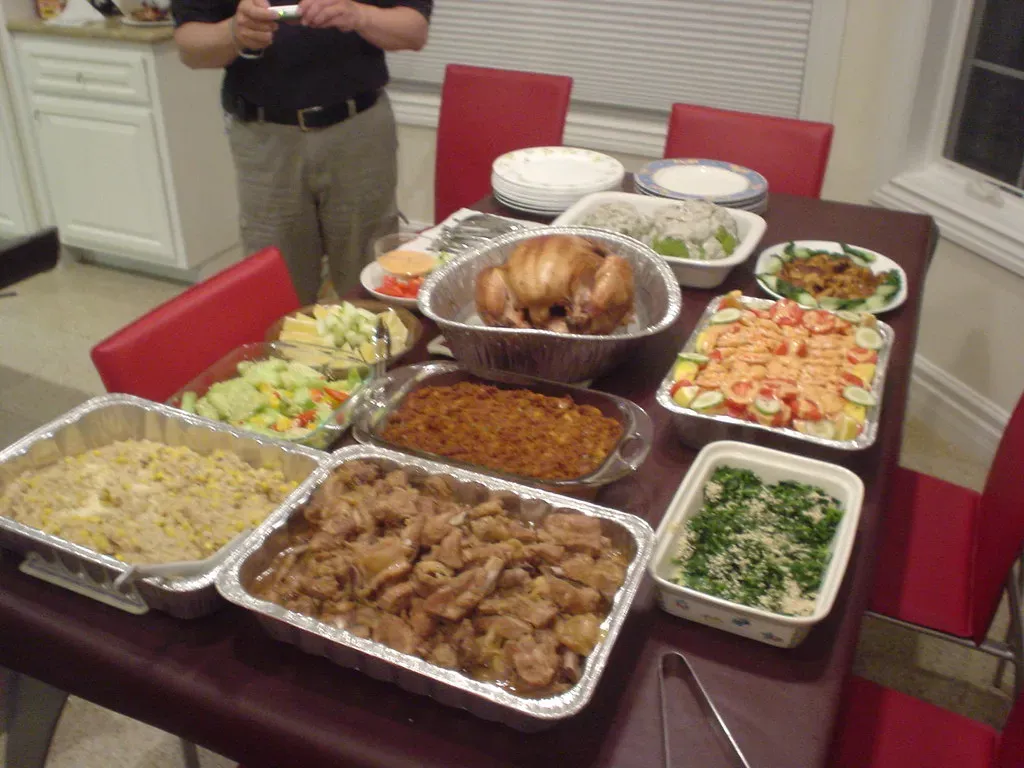
The remaining Strip buffets are caught in a difficult position. They tried to justify higher prices by repositioning themselves as luxury experiences. “A Las Vegas buffet is an attraction at this point, and you’re going to pay for an attraction,” according to Jim Higgins, a Las Vegas food tour guide, who added that you are not going there to get deals. That statement is more damning than it sounds.
According to Eater Las Vegas, this shift reflects a move away from inexpensive buffets designed merely to keep gamblers on the casino floors, towards a diverse array of world-class restaurants catering to every palate and price point. The buffet was always a tool to keep people in the casino. Once locals figured that out – and once prices stripped away any remaining value proposition – the exit began.
New Openings Keep the Momentum Going
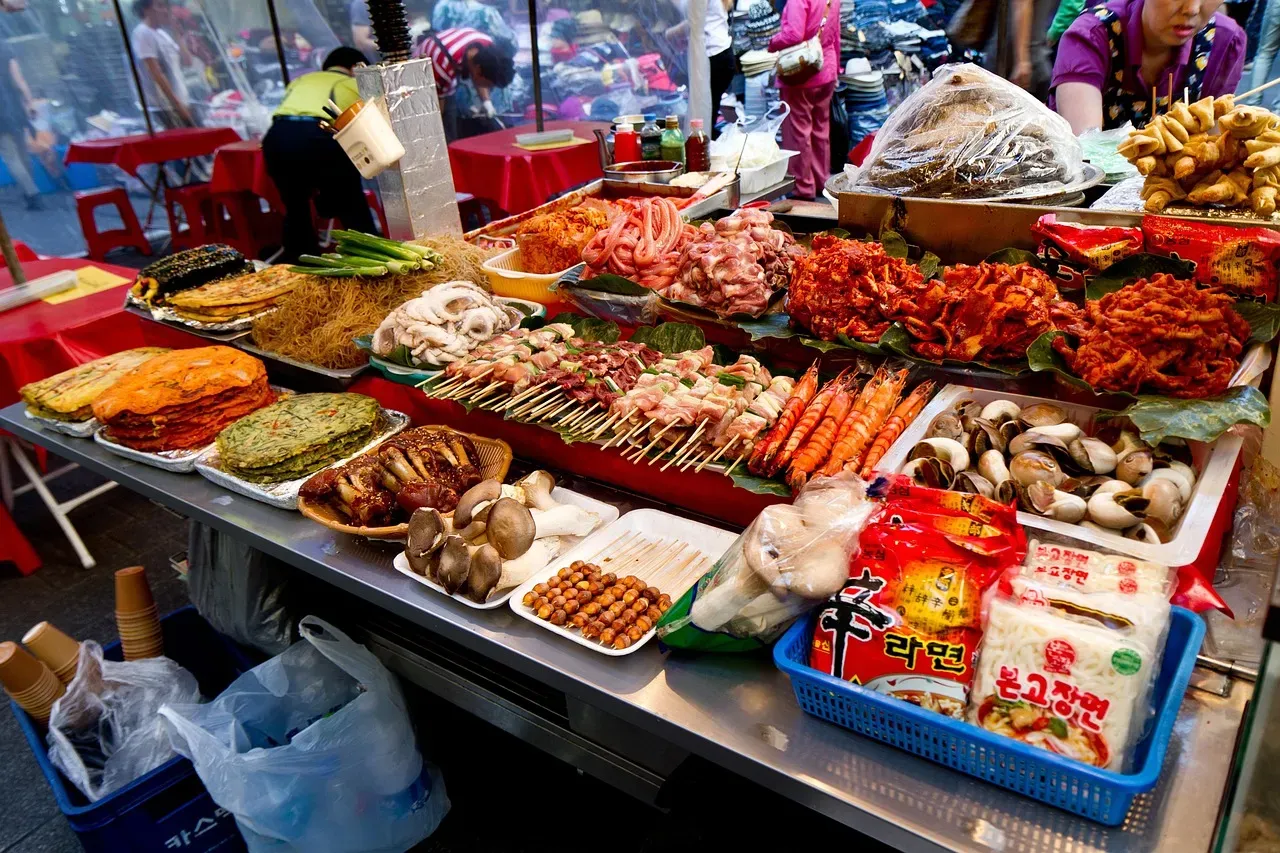
One of the most compelling signs of Spring Mountain’s health is the sheer pace of new arrivals. Sea Harbour Seafood by Chef Tony is landing at 5780 Spring Mountain Road, bringing Chef Tony’s celebrated dim sum legacy to the strip. Shin-Sen-Gumi Yakitori, the legendary California yakitori chain, is bringing its famous skewers to the neighborhood. These are not small operations – these are established names expanding because Spring Mountain delivers foot traffic and community loyalty.
Spring Mountain’s 25-plus mall empire keeps growing, with over 25 strip malls along Spring Mountain Road defining it as a “New Chinatown.” I know it sounds crazy, but a strip mall corridor is outpacing some of the most heavily marketed food destinations in the country. The formula works precisely because it is driven by operators who genuinely want to cook, not just profit from a captive tourist audience.
How Locals Discovered the Value Equation
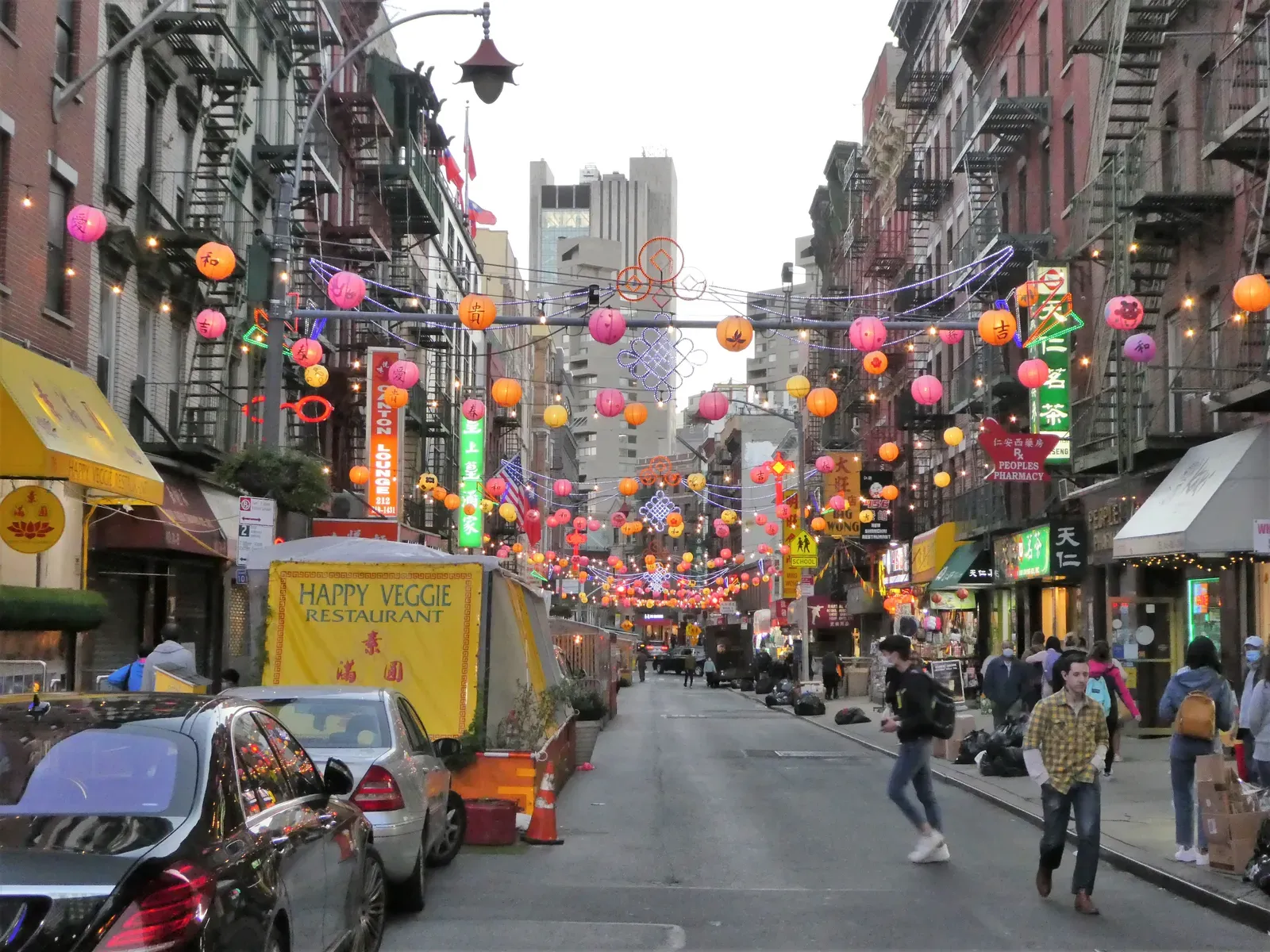
Neighborhoods like Chinatown have attracted food enthusiasts with top-quality dining options without the steep costs found on the Strip. For a local making a Tuesday evening dinner decision, the comparison is not even close anymore. You can park easily, wait a reasonable amount of time, and eat food prepared by chefs with serious culinary credentials – all without paying a premium price for the privilege of ambiance engineered for someone on a bachelorette trip.
Raku’s popularity among local food and beverage workers and the national culinary media inspired several other innovative Japanese restaurants to open their doors in the same shopping center, including Las Vegas’ first serious ramen bar, a sushi experience more luxurious than any on the Strip, a Tokyo-style Italian concept, and a Japanese curry house. It is a self-reinforcing ecosystem. Great restaurants attract great chefs, who attract more great restaurants.
The Rise of Regional Asian Cuisine Beyond the Basics
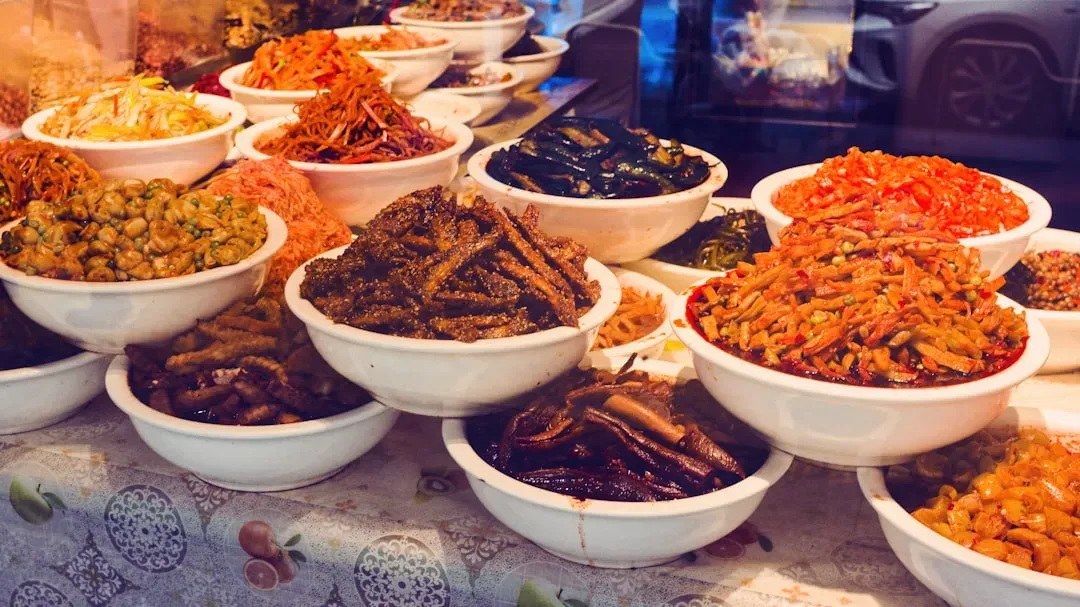
The area is home to a wide variety of Asian restaurants, including Chinese, Korean, Japanese, and Vietnamese cuisine. Yet the diversity goes even deeper than that broad categorization suggests. There is kaiseki, yakitori, Shanghainese dumplings, Taiwanese bubble tea, Sichuan hotpot, and Japanese izakaya culture all coexisting within walking distance of each other – a level of regional specificity that no buffet spread could ever replicate.
The Las Vegas version of Chinatown has an almost overwhelming assortment of restaurants to choose from. That abundance creates healthy competition, which keeps quality high and prices competitive – the exact opposite dynamic of what is happening inside casino buffets right now. It is supply and demand working in the consumer’s favor for once.
The Bigger Picture: A City Redefining Its Food Identity
The rise of Las Vegas as a foodie town drove demands for higher quality dining, according to Al Mancini, a longtime food journalist in Las Vegas and the creator of the food guide Neonfeast. Spring Mountain is not just a neighborhood anymore – it is the proof point for an entirely different vision of what eating in Las Vegas can mean. The city is maturing as a culinary destination, and locals are leading that charge.
Las Vegas has evolved remarkably from its origins as a gambling hub to become one of the world’s premier culinary capitals. Traditionally celebrated for its entertainment and gaming, the city now boasts a dining scene that rivals those of New York, Paris, and Tokyo. Spring Mountain Road is at the very center of that transformation – a cultural corridor that is earning its reputation one plate at a time, without neon signs or celebrity endorsements to prop it up.
Conclusion: The Strip Buffet Had a Good Run
The Strip buffet was a genius idea for its era. It kept gamblers close, fed them efficiently, and gave visitors a sense of indulgent abundance. But the era it was designed for has passed. What Las Vegas residents want now is not quantity – it is identity, authenticity, and a meal worth telling someone about.
Spring Mountain Road delivers all of that, at prices that still feel fair, in a community that feels genuinely alive. The Chinatown food tour is not a trend. It is a permanent shift in the way Vegas locals relate to their own city’s food culture. The real question worth sitting with is this: when a strip mall corridor starts beating the most famous buffets in the world on quality, price, and passion, what does that say about where the future of dining in this city truly lives?
What do you think? Have you made the trip down Spring Mountain Road yet – and if so, would you ever go back to paying $85 for a buffet? Tell us in the comments.