Most people have been there. You’re just trying to get home after a long day. You merge onto the highway and suddenly realize – there’s a concert tonight. Or a game. Or a sold-out stadium event that turned a perfectly normal drive into a two-hour crawl. It’s not just frustrating. For millions of Americans, it’s a recurring, data-backed disaster.
Event-night congestion has a way of sneaking up on even the most experienced commuters. The roads look fine at 4 p.m. By 7 p.m., they’re gridlocked. So which specific roads are the absolute worst offenders – and why? Let’s dive in.
1. The I-405 Near SoFi Stadium, Los Angeles: America’s Most Punishing Event-Night Freeway

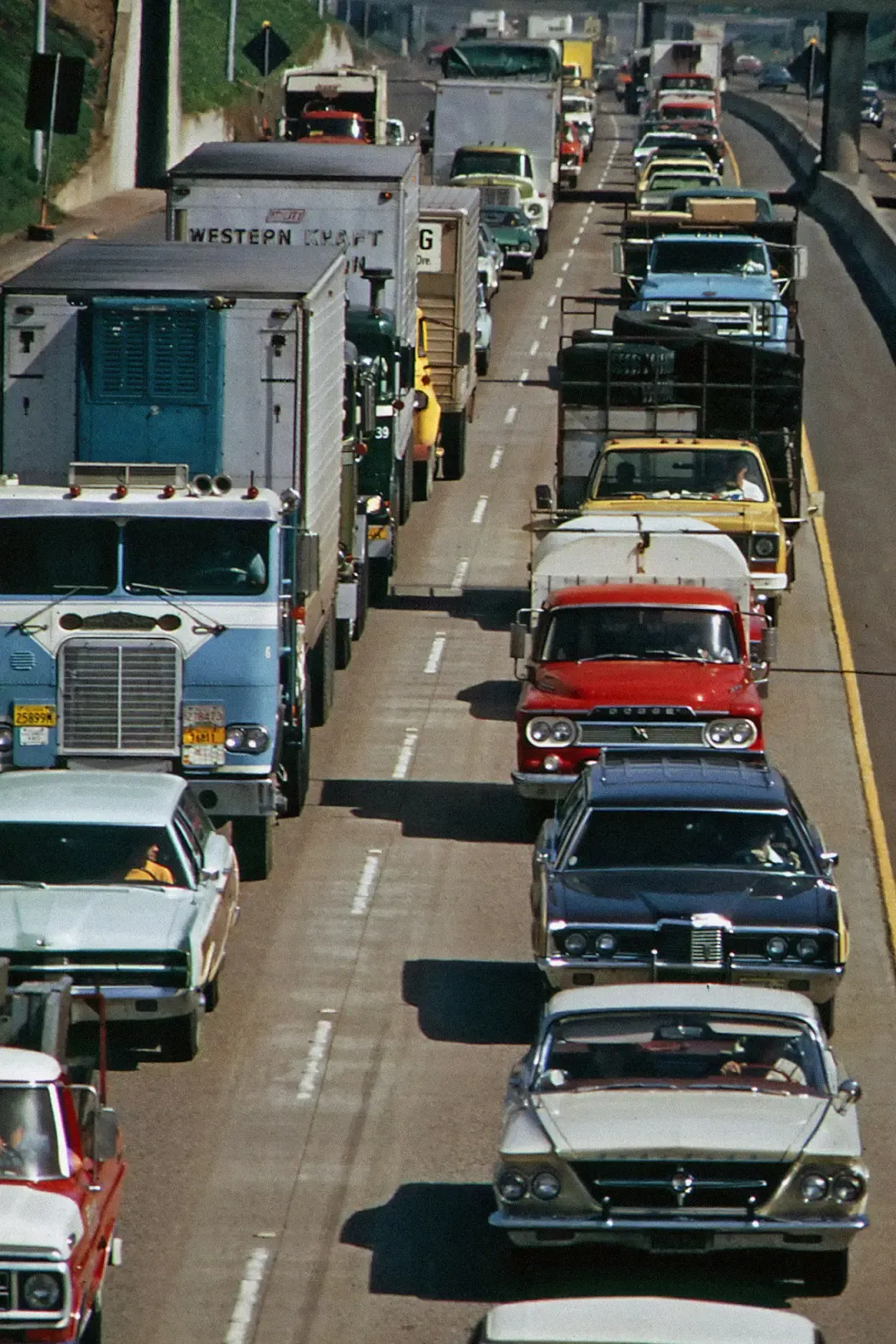
Here’s the thing about Los Angeles traffic – it’s already legendary before any event even starts. New York City and Los Angeles are the most congested cities in the United States, with Los Angeles drivers losing 88 hours annually to traffic alone. Then throw a major concert or NFL game at SoFi Stadium into the mix, and what you get is something truly special in the worst possible way.
The I-405 near SoFi is ranked among the worst in the USA on event days, with drivers warned to expect delays of two or more hours within three hours of kickoff. That’s not an exaggeration. That’s a documented warning given to fans attending events at the stadium, backed by consistent real-world traffic data.
With the prevalence of major sports and entertainment events inside multi-billion-dollar venues, the surrounding area faces a local traffic nightmare that makes life hard for everyone nearby. It’s not just inconvenient for fans. Longtime local residents say one of the biggest problems is the traffic that SoFi Stadium generates during events, with some residents and families simply choosing to avoid entire sides of the city on event nights.
Honestly, it’s almost poetic in its chaos. In October 2024, Los Angeles hosted a night where Dodger Stadium, Crypto.com Arena, SoFi Stadium, and the LA Memorial Coliseum all hosted major events simultaneously. The LA Department of Transportation deployed over 100 traffic officers to major intersections to manage the fallout. Even with all of that, officials were blunt: if you drive, expect significant congestion.
2. Midtown Manhattan’s 7th Avenue and 8th Avenue Corridor: New York’s Never-Ending Event-Night Trap

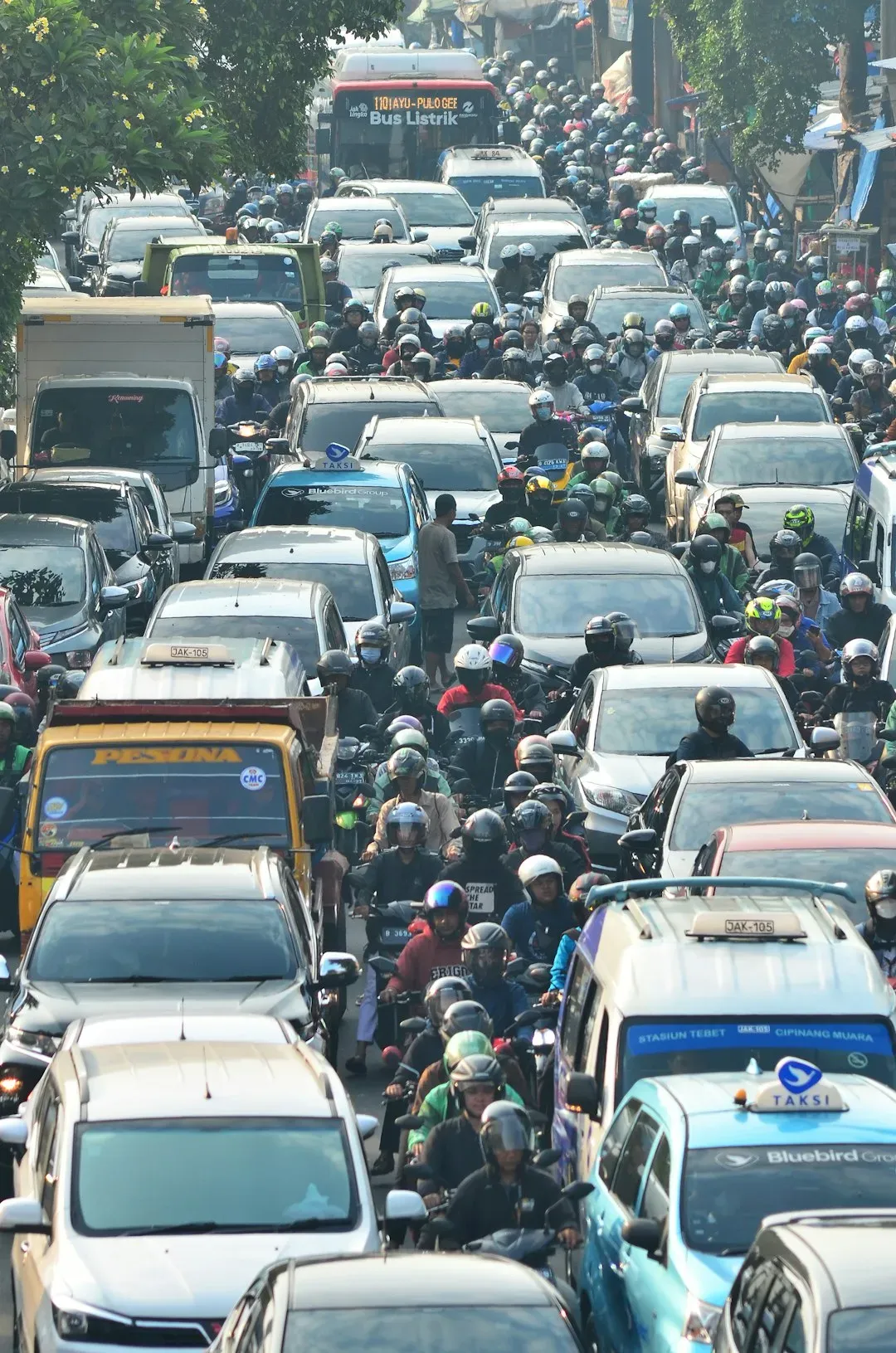
New York City doesn’t just have bad traffic. It holds world records for it. Istanbul tops the worldwide congestion rankings with 105 hours lost annually, followed closely by New York City and Chicago, both at 102 hours. That figure alone tells you everything you need to know about the baseline. Now add a packed Madison Square Garden.
Madison Square Garden sits right in the heart of Midtown Manhattan, nestled between major avenues spanning from 31st to 33rd Street, above Pennsylvania Station. The surrounding streets – particularly 7th and 8th Avenue – are already among the most trafficked corridors in the city. On event nights, the volume becomes almost incomprehensible. Ticketmaster itself warns attendees that Midtown Manhattan can be quite congested, especially during special events.
NYC DOT officially designates the busiest traffic days of the year as Gridlock Alert Days, specifically the days when traffic is expected to be at its slowest and most congested. Many of those days line up directly with major entertainment and sports events at MSG and surrounding venues. The very word “gridlock” was coined in New York City to describe the traffic congestion that blocks the city’s network of intersections. Let that sink in. New York didn’t just suffer from gridlock – it invented the term.
Partner offer

Saturday and Sunday evenings saw the largest increase in trips, at nine percent year-over-year, while Friday saw the biggest single-day growth when considering all-day trips. On event nights, those increases compound in ways that stress every artery running through Midtown. The Midtown corridor is a system that barely copes at baseline – events push it completely over the edge.
3. Downtown Urban Corridors Near Multi-Venue Districts: The “Spillover Effect” That Nobody Talks About

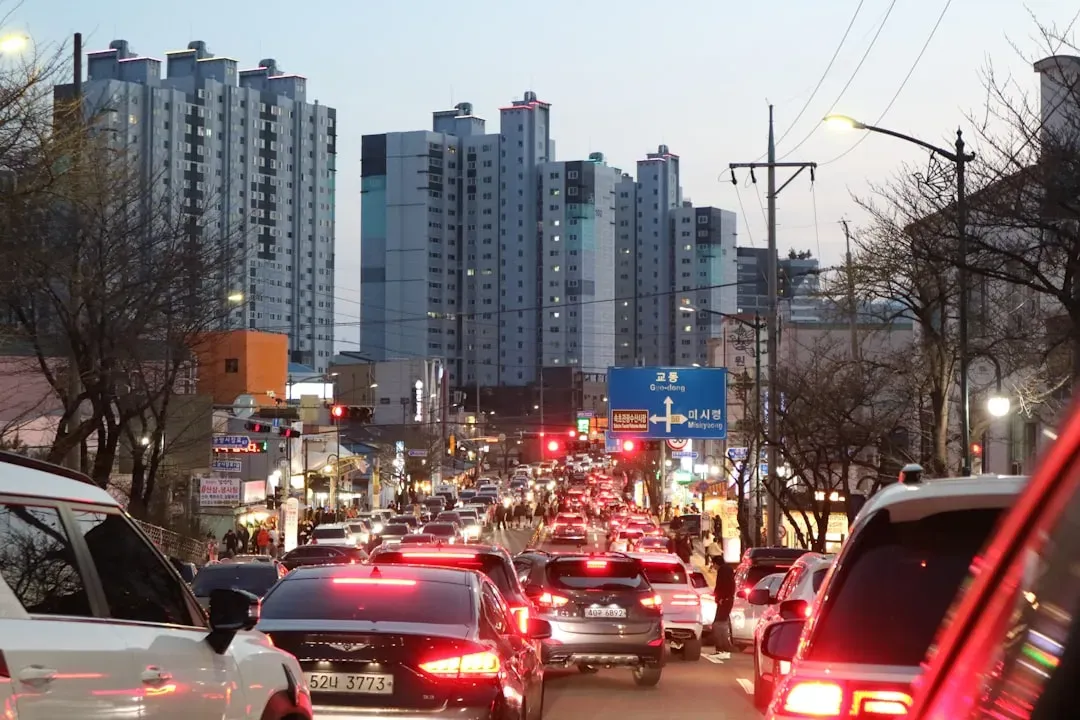
Single-venue congestion is bad enough. But what happens when multiple events happen at once across the same downtown grid? This is the real nightmare scenario that commuters in cities like Chicago, Houston, and Atlanta face, and it’s becoming more common every year. Nine out of ten of the United States’ largest metros saw trips increase into their city cores, with cities like Houston seeing a sharp 25 percent increase, followed by Chicago at 13 percent and Dallas at 12 percent.
According to Federal Highway Administration data, non-recurring congestion totals 55 percent of all delays, including traffic incidents, bad weather, work zones, and special events. Special events sit within that broader non-recurring category, and their unpredictability is what makes them so dangerous for commuters. Increased traffic volumes and additional delays caused by special events and other nonrecurring incidents lead to significantly increased travel times. Unlike rush hour, you can’t just “wait it out” on a consistent schedule. Event-night congestion is erratic, intense, and spreads far beyond the venue itself.
Drivers may be able to factor everyday congestion into their routines, but unexpected delays often have larger consequences and cause more disruptions in business operations and people’s lives. Think about it like a pipe that’s already under pressure. A regular rush hour is the usual flow. A major event is a sudden surge that cracks the system wide open. INRIX analysis has identified that the increase in downtown trips is not only due to a return to in-person work, as Saturdays and Sundays saw the largest year-over-year increases in nighttime trips to downtown – findings that suggest urban improvements have also driven a surge in leisure and entertainment activity.
Overall, congestion resulted in American drivers losing an average of 43 hours to traffic jams in 2024, equal to about one full work week, costing $771 in lost time and productivity per driver. Nationwide, this sums to more than four billion hours lost, costing $74 billion in lost time. The price isn’t abstract. It’s your evening. Your fuel. Your mental health sitting in a sea of taillights wondering why you didn’t just leave earlier.
What You Can Actually Do About It

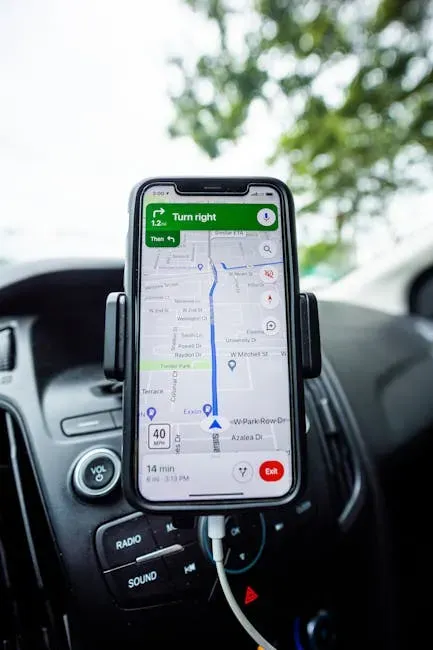
The good news – if you can call it that – is that the tools to avoid event-night carnage have never been better. Apps like Google Maps and Waze now incorporate real-time event data to reroute drivers proactively. Transit agencies are catching on, too. LA Metro offers a dedicated SoFi Stadium Express shuttle bus service for all home NFL games, running every seven to eight minutes beginning three hours before kickoff. That’s not a coincidence. It’s a direct acknowledgment that the surrounding roads simply cannot handle the volume of cars.
The smartest move is timing. Traffic varies significantly from day to day throughout the year, and special events can cause surges in traffic at completely unexpected times. Leaving 90 minutes earlier – or waiting a full hour after the event ends – can genuinely transform a two-hour ordeal into a 20-minute drive. It sounds extreme until you’ve lived through the alternative. Most travelers are less tolerant of unexpected delays than everyday congestion, which makes the emotional toll of event-night gridlock disproportionately high compared to standard rush hour delays.
Traffic data, apps, public transit, and smart timing are the real weapons here. The roads haven’t grown. The venues haven’t shrunk. The crowds are only getting bigger. The question isn’t whether you’ll encounter event-night congestion – it’s whether you’ll be prepared for it. So the next time you check your GPS and see that stadium icon lighting up your route, what will you do differently?
Partner offer
Planning a trip to Vegas?
Compare hotel rates and show tickets on VEGAS.com.