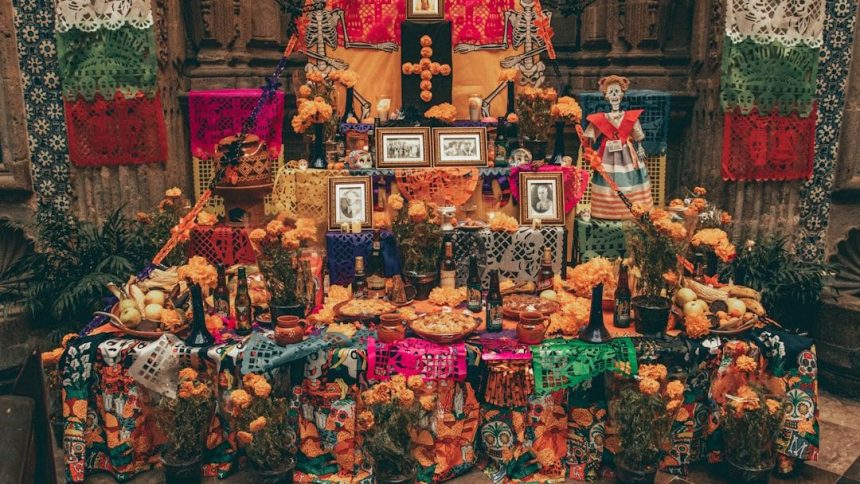
There’s something quietly remarkable about the idea that an entire culture’s way of handling death can be traced back to a single human being’s heartbreak. We tend to think of tradition as something ancient and faceless, the product of countless unnamed people acting in unison over generations. Yet some of the most enduring mourning rituals in history have a surprisingly specific origin: one person’s sorrow, amplified by power, visibility, or circumstance, until it became the template for everyone else.
Grief is universal, but the shape it takes is not. Studies of grieving brains show no differences in relation to race, age, or religion. The raw emotion is the same across all of us. What differs, profoundly, is the ceremony built around it. Sometimes that ceremony was constructed piece by piece over millennia. Other times, it crystallized almost overnight around one person’s very public loss.
Queen Victoria and the Victorian Cult of Mourning

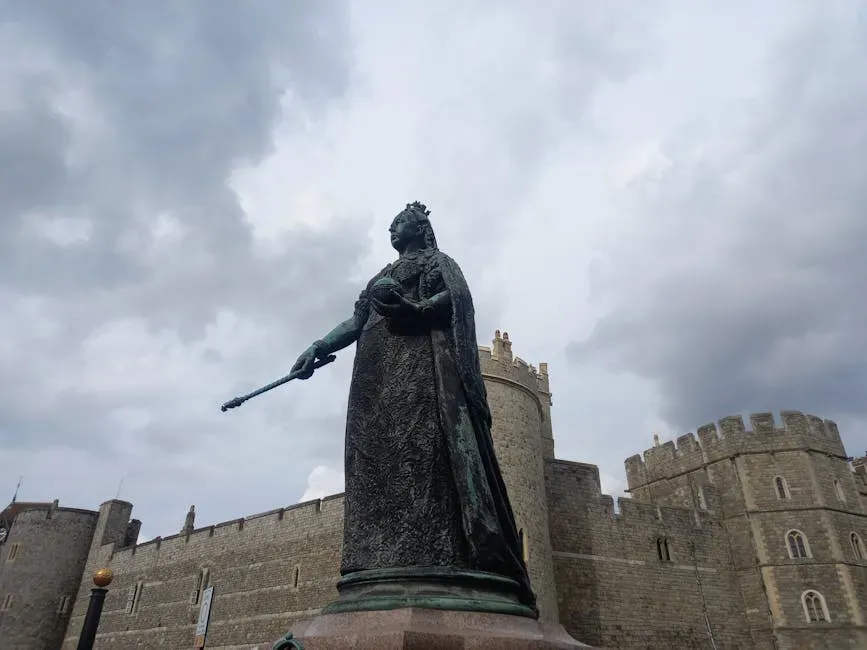
After the death of Prince Albert in 1861, Queen Victoria went into deep mourning, increasing the public’s demand for formal mourning attire such as black crepe clothing and jet jewellery. What made this remarkable wasn’t the grief itself. It was the scale of its influence. Throughout the next forty years she remained in mourning for him and dressed only in black, and this very public response to the death of a loved one had a major impact on the styles of mourning and funerals adopted by the middle and upper classes.
Before Queen Victoria, dark colours were generally worn for mourning, but there was no formalised system directing who should wear what clothing and when. Her grief gave that system its bones. As the Queen of the United Kingdom and ruler of the British Empire, what Victoria said and did was witnessed by many, and she set the example for what was expected and even fashionable during the time period. The length and intensity of her mourning for Albert was what people looked to when they were mourning in their own lives, helping to set the stage for what historians refer to as the Victorian “cult of death.”
The Hair Locket Tradition and Its Royal Origin

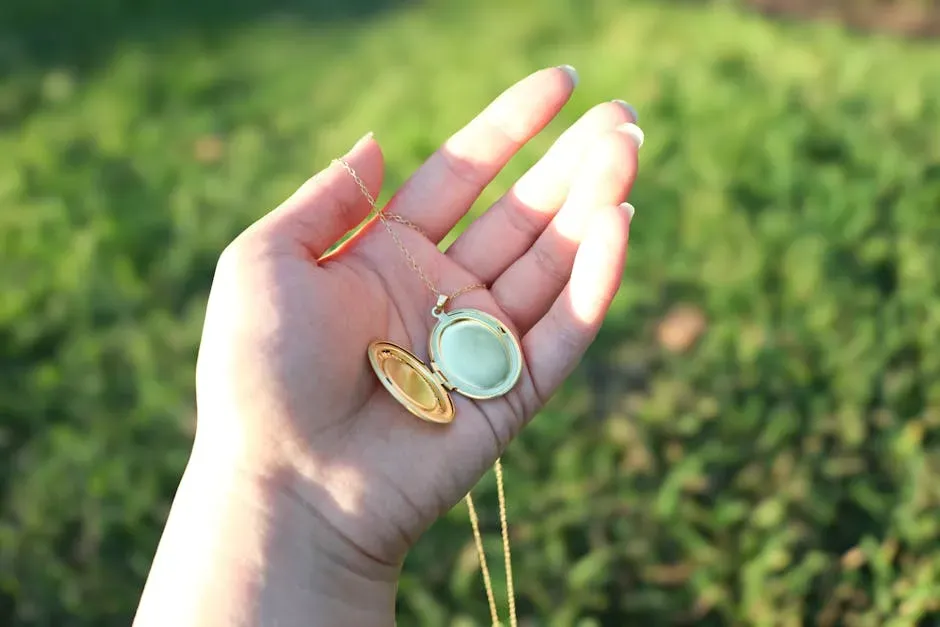
Mourning lockets and rings were often made from the hair of the deceased, and it is said that Queen Victoria started this trend by always wearing a locket of Prince Albert’s hair. The practice spread quickly through Victorian society, becoming one of the era’s most intimate grief customs. Some families also created mementos using a loved one’s hair, artfully arranged in shadow boxes, wreaths, fabrics, corsages, and particularly in jewelry.
This may seem like an unusual practice, but actually, we do something quite similar today with memorial or cremation jewelry. Instead of hair, people place a portion of a loved one’s ashes in jewelry and wear it in their memory. Although the method of memorialization has changed over time, the basic idea is the same. A queen’s grief quietly became a tradition that lives on, in slightly different form, into the present day.
Día de los Muertos: From Ancient Aztec Ritual to Global Celebration

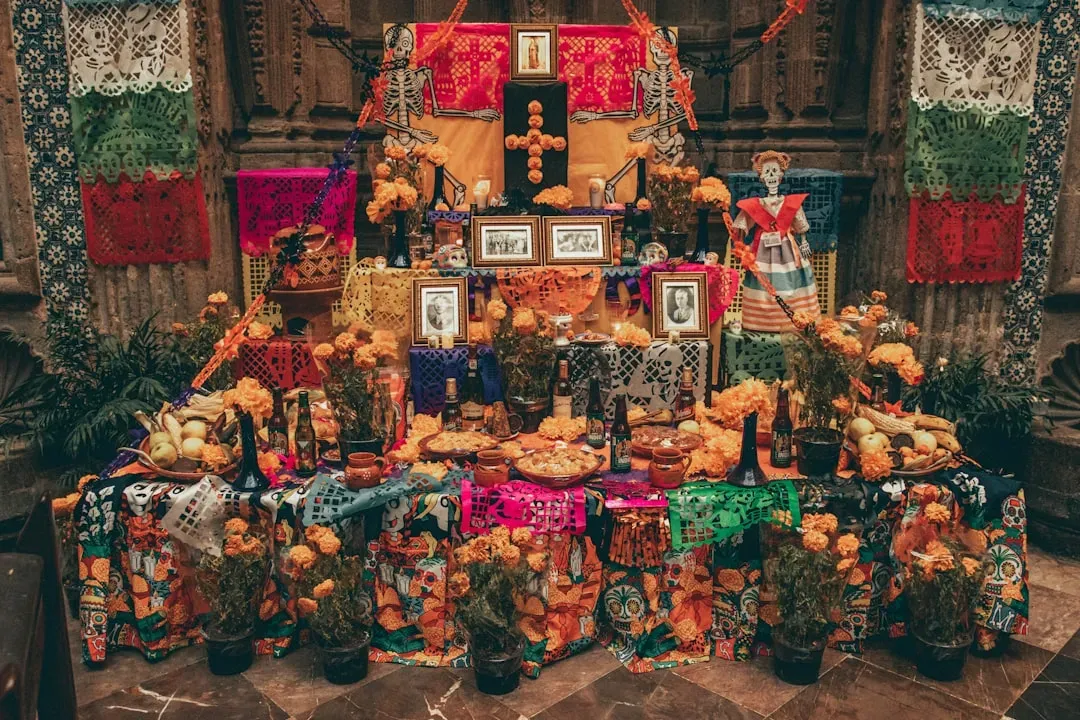
The Day of the Dead originates from the ancient traditions and beliefs of Indigenous peoples of Mesoamerica, particularly the Aztecs, Toltecs, Olmecs, and Maya, who saw death as a continuation of life. The emotional core of the holiday is deeply personal: honoring specific people who have died and maintaining a living relationship with them. Día de los Muertos, the way we celebrate it today, emerged in Mexico and has had many evolutions over the course of 3,000 years. The holiday on November 1 and 2 is a moment in time to honor ancestors and those in family and community who have gone into the spirit world. It emerged from an Aztec ritual known as Miccaihuitl, an honoring of the dead that was also tied to the harvest season.
Once the Spanish conquered the Aztec empire in the 16th century, the Catholic Church moved Indigenous celebrations and rituals honoring the dead throughout the year to the Catholic dates commemorating All Saints Day and All Souls Day on November 1 and 2. In what became known as Día de Muertos, Latin American Indigenous traditions and symbols to honor the dead fused with non-official Catholic practices and notions of an afterlife. What began as intimate, grief-driven ancestor worship eventually transformed into one of the most recognized cultural celebrations on earth. Because of its spiritual and cultural significance to Indigenous communities in Mexico, the Day of the Dead was inscribed to UNESCO’s Representative List of the Intangible Cultural Heritage of Humanity in 2008.
The New Orleans Jazz Funeral: Sorrow Transformed Into Sound

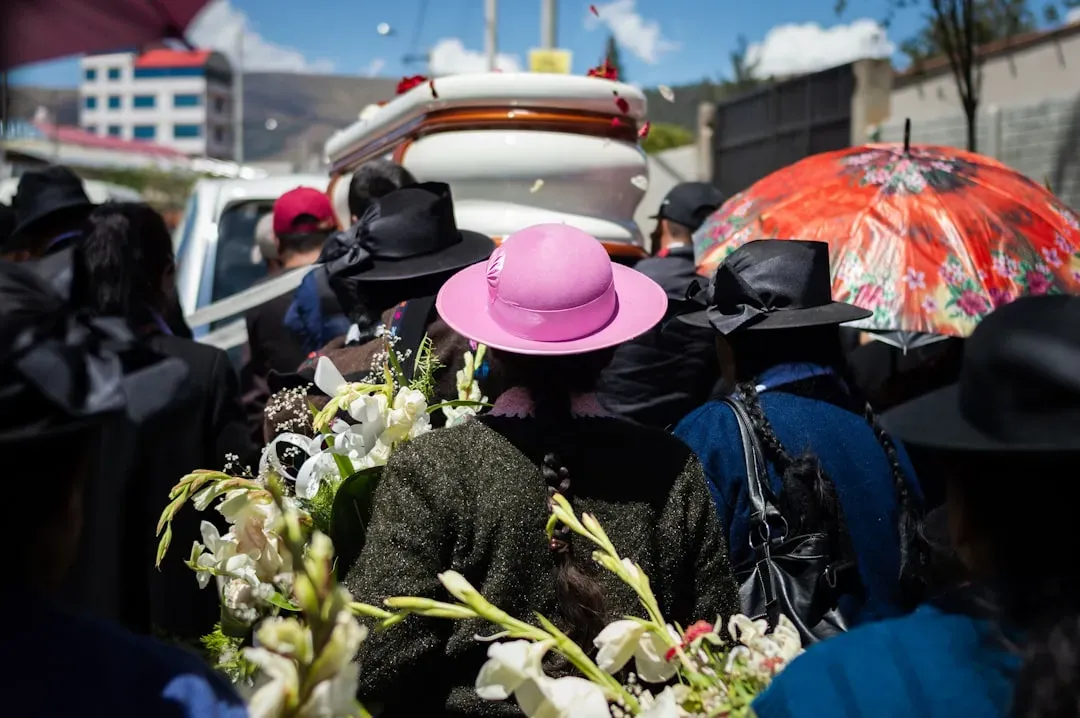
Fusing West African, French, and African-American traditions, funerals in New Orleans strike a unique balance between joy and grief as mourners are led by a marching band. The band plays sorrowful dirges at first, but once the body is buried, they shift to an upbeat note. Cathartic dancing is generally a part of the event, to commemorate the life of the deceased. This ritual transformation of mourning into music is one of the most emotionally layered grief traditions anywhere in the world.
African American homegoing celebrations frame death as a return to God and eternal life, and these gatherings often include music, prayer, storytelling, and communal affirmation. The jazz funeral is a direct expression of that same philosophy, rooted in communities whose grief was compounded by generations of loss under slavery. Filled with music, eulogies, and communal support, homegoing celebrations emphasize faith, resilience, and joy. The sound of celebration in the face of sorrow did not emerge from abstraction. It emerged from real people insisting that love survived death.
The Famadihana of Madagascar: Dancing With the Dead

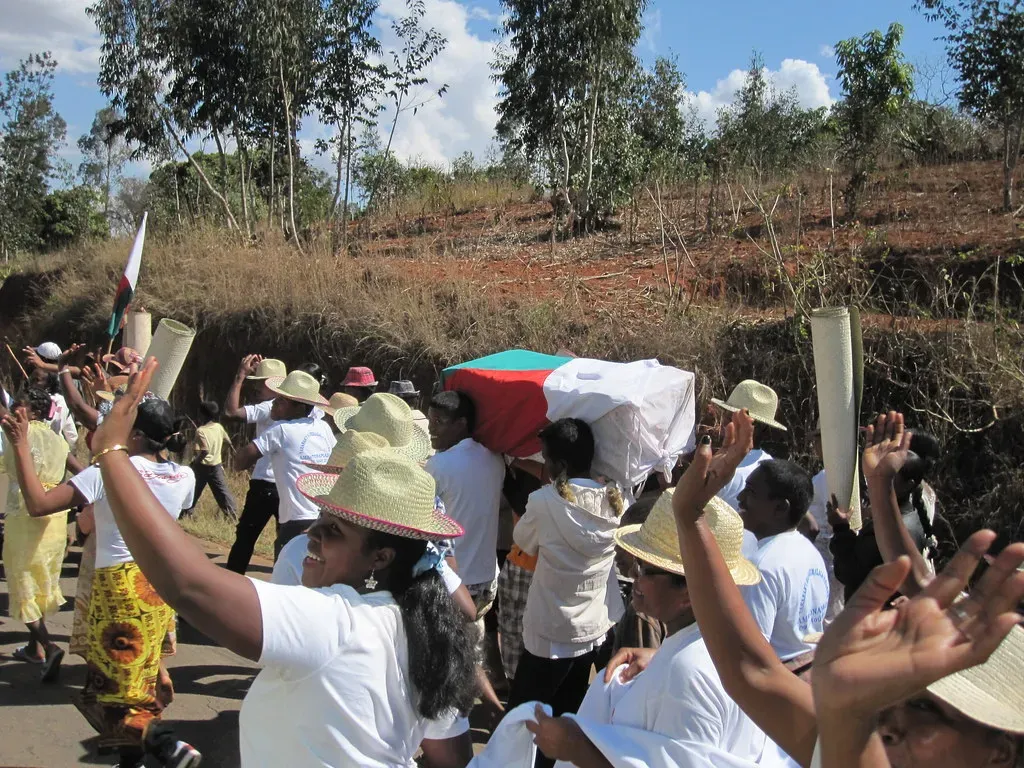
The Malagasy people of Madagascar have a famous ritual called “famadihana,” or “the turning of the bones.” Once every five or seven years, a family has a celebration at its ancestral crypt where the bodies, wrapped in cloth, are exhumed and sprayed with wine or perfume. As a band plays at the lively event, family members dance with the bodies. What looks startling from the outside is, at its heart, an act of profound affection and continued relationship with those who have died.
The famadihana is not a morbid spectacle. It’s a reunion. Families speak to the deceased, share news, and treat the gathering as both a mourning ritual and a communal celebration. Traditions such as ancestor worship explore how such rituals provide structured frameworks for processing grief, fostering emotional resilience, and sustaining meaningful connections with the deceased. The Malagasy tradition is perhaps the most vivid example of grief refusing to accept permanent separation.
Partner offer

Jewish Shiva: Structure Built Around Radical Absence
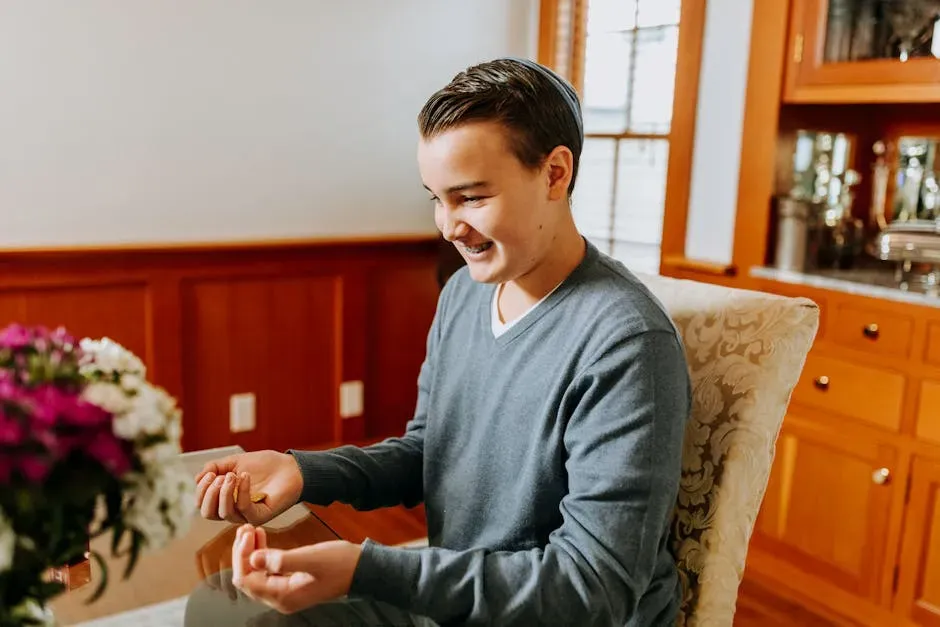
In Judaism, there are specific stages for grief outlined in the Torah for one to go through when they lose a loved one. The first stage is the Aninut, the period from death until burial. The griever, or onen, is not expected to participate in any religious observances except for making arrangements for the funeral. This structure did not emerge from theological abstraction alone. It was shaped by the lived reality of loss, refined over generations into something that carries mourners through an otherwise formless experience.
In the Jewish shivah, a mourner sat on a low chair and chose whether to acknowledge visitors; those mourning their parents may recite the Kaddish for eleven months, supported by a minyan of fellow-worshippers. The low chair is not incidental. It is a deliberate physical posture of grief, a way of embodying sorrow in the body. Jewish grief traditions emphasize ritual, structure, community presence, and the importance of setting aside dedicated time for mourning. The ritual gives grief a container, which is perhaps the most human gift one community can offer another.
The Māori Tangihanga: When the Whole Community Mourns
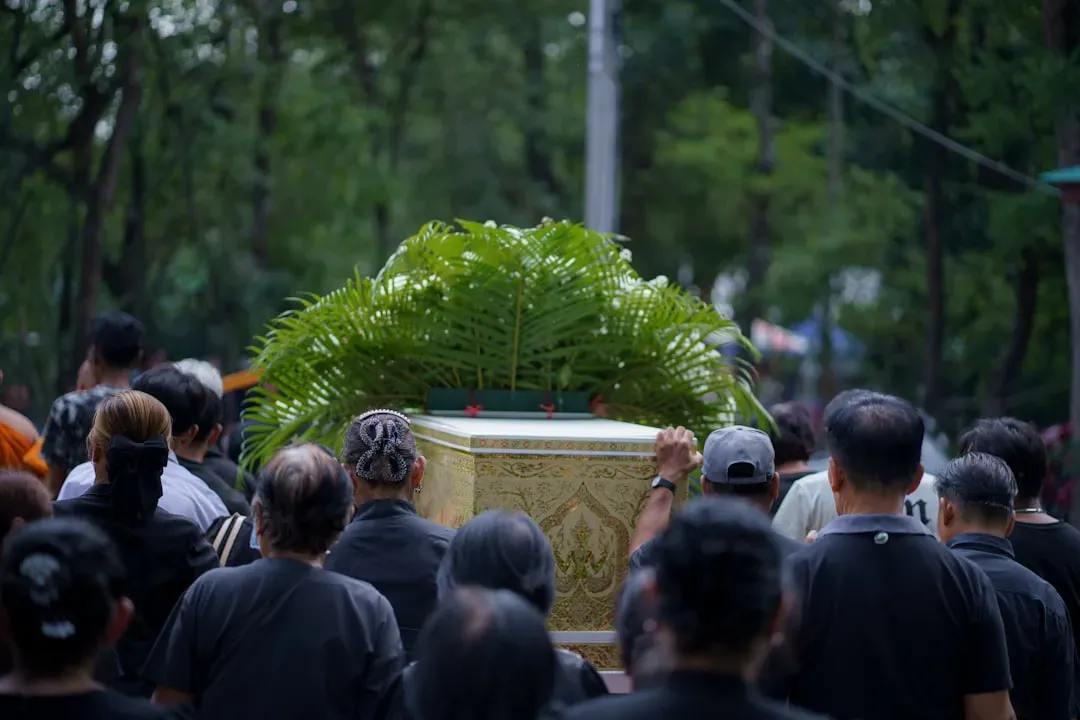
The Māori people indigenous to New Zealand set aside time to grieve and mourn, performing rites for the dead in a process called “tangihanga.” First, rituals send on the spirit, then the body is prepared by an undertaker, often helped by family members. The body returns to the family home for the family to reminisce in celebration. It is one of the most complete mourning processes in the world, deliberately involving everyone rather than isolating the bereaved.
Throughout the tangihanga, mourners dress in black and wreath their heads in kawakawa leaves. Elaborate rituals follow, including dances and songs and finally a farewell speech. Traditional artefacts including clothes, weapons and jewellery are displayed. The tangihanga has been maintained for centuries precisely because it does something rare: it refuses to let grief be a private matter. Loss becomes shared, and in that sharing, it becomes bearable.
Tibetan Sky Burial: Grief Returned to the Earth
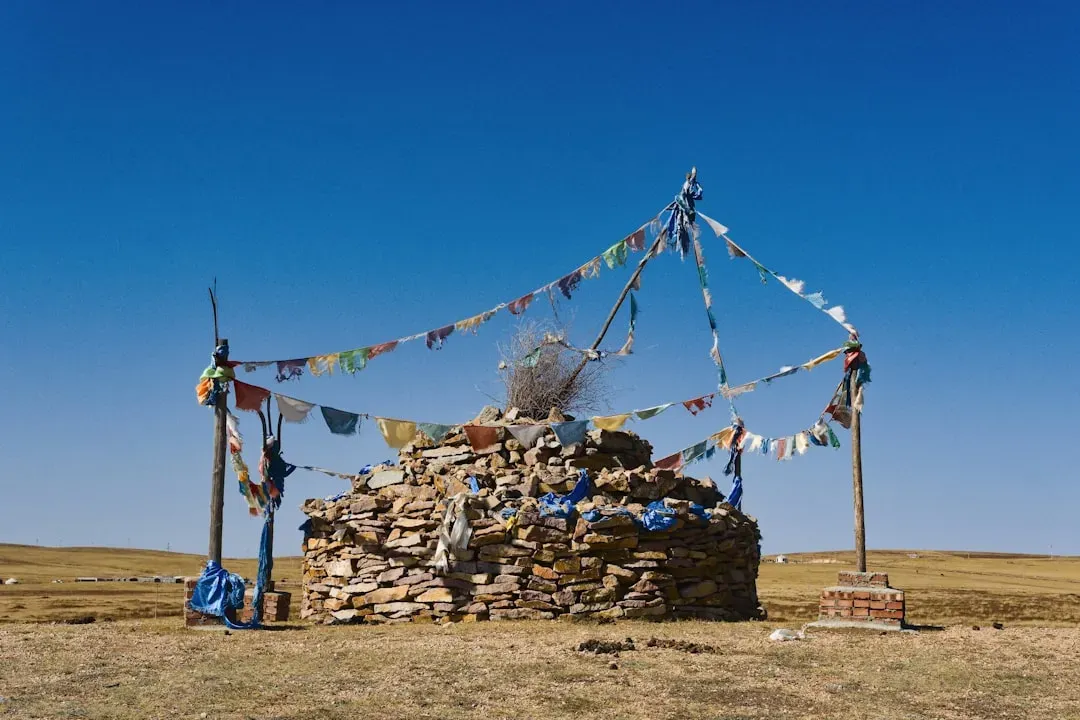
In Tibet, Buddhists may practice a “sky burial,” where the body of the deceased is placed on top of a mountain where vultures can eat it. It’s believed that if vultures eat the body, the deceased has no sins. This practice is inseparable from Buddhist teachings about impermanence and the absence of a permanent self. The body is not considered a person anymore. It is an offering. In the Balinese tradition, cremation releases the soul so it is free to inhabit a new body, and doing this is considered a sacred duty.
In Tibet, the Buddhist mourning period following a funeral lasts 49 days. During this time the family gathers to make clay figures and prayer flags, allowing for a collective expression of grief. The number 49 is deliberate in Buddhist cosmology, marking the journey of consciousness toward its next destination. A ceremony is often held on the 49th day after death to support the deceased’s transition and rebirth, helping guide consciousness toward liberation rather than continued suffering. The structure of the mourning period is, in itself, a form of care for both the living and the dead.
Wearing Black: A Roman Habit That Became the World’s Default

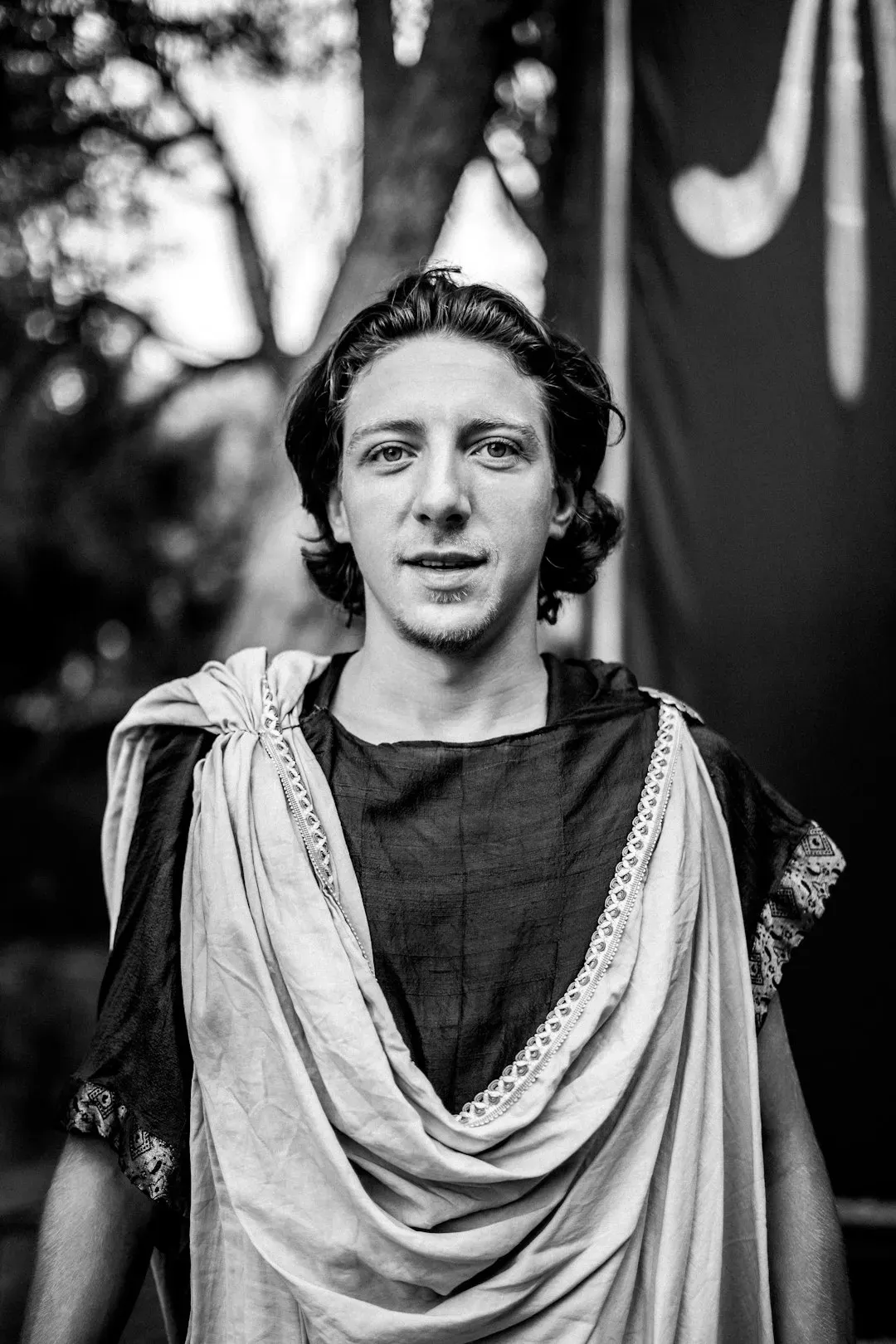
In ancient Rome, mourners wore dark togas, and the practice of wearing dark or sometimes white clothes was common in Continental Europe in the Middle Ages and the Renaissance. What started as a localized Roman custom traveled through centuries and continents, eventually becoming the near-universal western shorthand for loss. Dressing in black during the mourning period dates back to Roman times and continues in many cultures.
The choice of wearing black versus other colors at funerals holds centuries of meaning. Black is often worn to signal solemn reflection and the weight of loss. Still, the picture is more complex globally. White, in many Asian and African traditions, carries the meaning of purity, transformation, and the return of the soul to its origin. In some cultures, especially in parts of South Asia and the Caribbean, vibrant red or gold may appear, not as disrespect, but as recognition of a life lived with courage, joy, or spiritual fulfillment. The color of grief, it turns out, says more about the living than the dead.
The Ghost Dance: Collective Grief as Spiritual Resistance

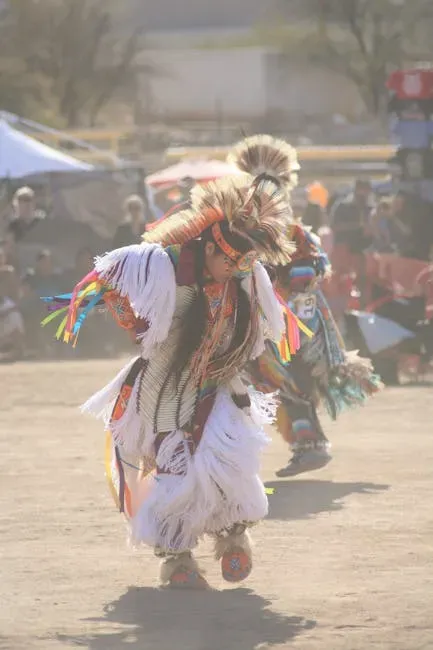
Native American cultures often practice a ritual known as the Ghost Dance, which is a dance of mourning for the deceased. The belief is that this dance brings comfort and healing to the bereaved. The Ghost Dance, which emerged prominently in the late 19th century among many Indigenous nations of North America, was not just spiritual practice. It was grief expressed as communal resistance in the face of catastrophic cultural loss. Across many Indigenous communities in North America, grief is seen not as a private emotional event, but as a collective experience rooted in community involvement, cultural protocol, and spiritual tradition.
Typical of Native American culture, the Lakota tribe elders use the phrase “mitakuye oyasin,” meaning “we are all related.” The death of anyone in the tribe is felt by all. This is a fundamentally different framework from the western model of private mourning. While Western grief often places emphasis on personal emotional processing and individual coping, many Indigenous practices embed grief within community responsibility, ritual, and continuity of relationships across generations and the spirit world. The dance is not a retreat inward. It is a reaching outward, toward the dead and toward each other.
What all of these traditions share is the same starting point: a person or a community who could not accept that love simply ends when a life does. The rituals built around grief are not the same as grief itself. They are what grief looks like when it has been given form, time, and community. Some of those forms were shaped by queens and empresses. Others emerged from ancient spiritual practice or the long memory of persecuted peoples. All of them, in one way or another, began with someone who simply could not let go.
Partner offer
Planning a trip to Vegas?
Compare hotel rates and show tickets on VEGAS.com.