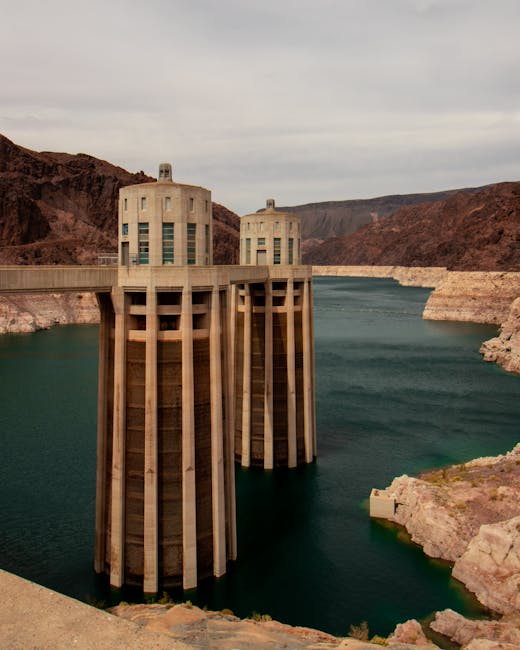
A Founding Fear Realized (Image Credits: Pexels)
Political cartoonists have long used powerful metaphors to highlight enduring threats to liberty. One recent illustration depicts a sturdy dam barely containing a massive flood, symbolizing the constant pressure of unchecked majority rule. This image, published in the Las Vegas Review-Journal, captures a core tension in American democracy: the need to protect individual and minority rights from the potential excesses of popular will.[1]
A Founding Fear Realized
James Madison articulated the danger in Federalist No. 10, where he described factions driven by passion or interest that could dominate the public good. He argued that pure democracy invited such factions to trample minorities. The framers designed the Constitution to mitigate this risk through representative structures and deliberate cooling mechanisms.
Alexis de Tocqueville later observed in “Democracy in America” how majorities in the young republic could exert subtle tyrannies, stifling dissent without formal oppression. These warnings shaped institutions meant to temper impulsive majorities. History showed that without such barriers, even well-intentioned crowds could erode freedoms.
Key Pillars Holding Back the Tide
The U.S. Senate stands as a primary bulwark, with its equal state representation ensuring smaller populations wield influence disproportionate to their size. This design prevents large states from overwhelming others on federal matters. The filibuster further reinforces this by requiring supermajorities for most legislation, fostering compromise.
Other elements bolster these defenses. The Electoral College balances popular votes with state interests in presidential elections. The Supreme Court’s lifetime appointments insulate it from electoral pressures, safeguarding constitutional principles.
Partner offer

- Senate structure: Two senators per state, regardless of population.
- Filibuster rule: Demands 60 votes to end debate on non-budget bills.
- Electoral College: Allocates electors by state totals.
- Bill of Rights: Enumerates protections against government overreach.
- Federalism: Divides power between national and state levels.
Contemporary Pressures on the Structure
Debates over reforming the Senate filibuster have intensified in recent years. Critics argue it obstructs progress, while defenders view it as essential against hasty overreach.[2] Republicans recently urged maintaining the rule to avoid unilateral disarmament, echoing concerns about majority dominance. Such discussions highlight the filibuster’s role in preventing one party from imposing sweeping changes without broad consensus.
In Nevada, where senators represent diverse urban and rural interests, these dynamics play out locally. The state’s split delegations in the past underscored the value of balanced representation. National trends toward polarization amplify the need for institutional restraints.
Lessons from History’s Near Misses
Past episodes illustrate the stakes. During the 1930s, unchecked majorities pushed expansive programs that tested constitutional limits. More recently, attempts to alter voting rules or pack courts sparked fears of eroding minority protections. Each time, procedural hurdles forced deliberation and moderation.
Proponents of change often promise restraint, yet power shifts reveal incentives to expand control. The framers anticipated this cycle, embedding checks to endure partisan tides.
Key Takeaways:
- Constitutional designs prioritize deliberation over speed.
- Filibuster and Senate equality guard against factional tyranny.
- History warns that weakening safeguards invites abuse.
The metaphor of a straining dam reminds observers that democracy thrives not just on majority consent but on vigilant protection of the few against the many. As pressures mount for structural reforms, preserving these bulwarks remains crucial to the republic’s stability. What role should these safeguards play in today’s divided landscape? Share your views in the comments.
Partner offer
Planning a trip to Vegas?
Compare hotel rates and show tickets on VEGAS.com.