Most people have never truly seen the night sky. Not the real one. In cities and suburbs, the stars have been slowly swallowed by a haze of streetlights, billboards, and glowing screens. For the vast majority of us, the Milky Way is something from a science textbook, not something we’ve actually looked up and seen with our own eyes. That’s kind of heartbreaking, when you think about it.
Travelers are now chasing an increasingly rare resource: natural night. Interest in astrotourism has soared in the United States since the pandemic. But this is not just a niche hobby anymore. It has become a full-blown global travel movement, with real economic weight and serious conservation implications. Analysts say the global nighttime tourism market, now around $10 billion, could double by 2035. Here are six destinations where the stars are still the undisputed headliners. Let’s dive in.
1. Utah, USA – The Dark Sky Capital of the World
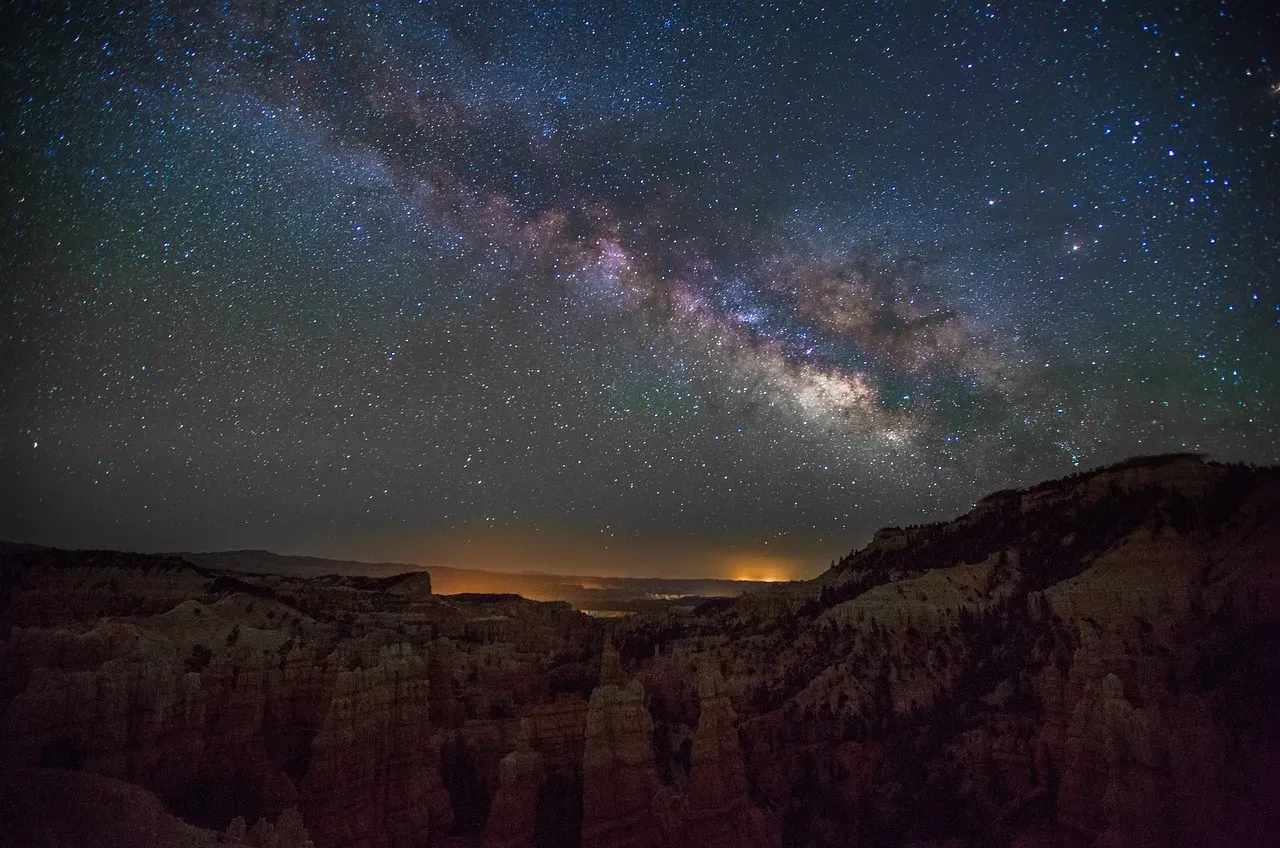
Let’s be real: if you’re serious about stargazing, Utah should be at the very top of your list. As of 2025, Utah has the highest concentration of dark sky certified places in the world. That’s not a minor footnote. That’s an entire state almost purpose-built for looking up.
Natural Bridges National Monument in Utah was the very first International Dark Sky Park ever designated, setting the standard for all that followed. From Bryce Canyon to Arches National Park, the region’s high elevation, dry desert air, and sheer remoteness combine to create viewing conditions that professional astronomers genuinely envy.
Stargazing is now the Grand Canyon National Park’s most popular programming, and the Colorado Plateau region as a whole has become a kind of pilgrimage destination for night-sky enthusiasts. In the Colorado Plateau alone, astrotourism has been estimated to generate more than $2 billion per year. This is what happens when you protect the dark.
2. Aoraki Mackenzie, New Zealand – A Gold Standard Reserve at the End of the Earth
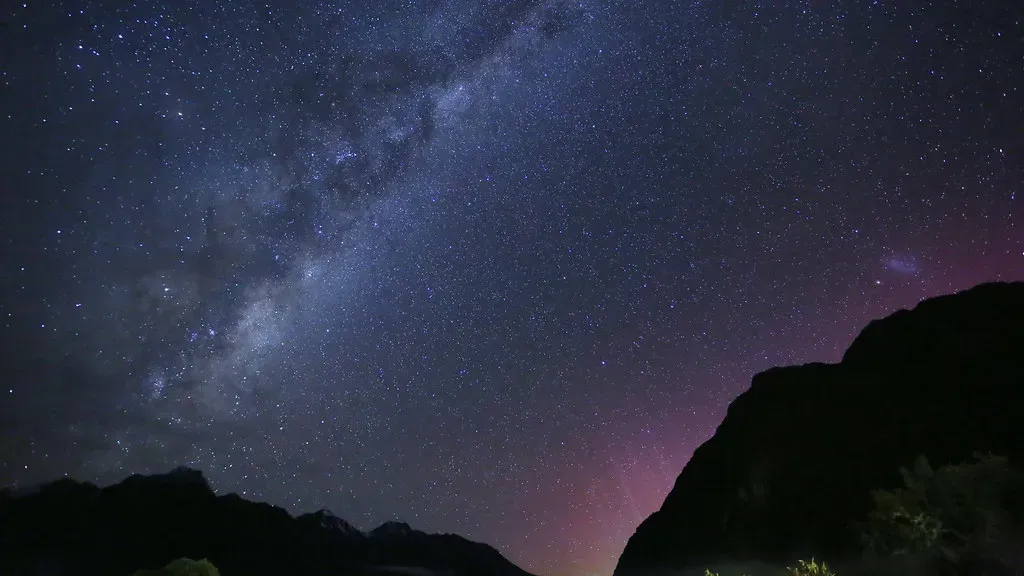
The Aoraki Mackenzie International Dark Sky Reserve covers an area of 4,367 square kilometres and was designated as an International Dark Sky Reserve in June 2012. It sits in the heart of New Zealand’s South Island, wrapped around Aoraki/Mount Cook National Park and the vast, flat Mackenzie Basin. Honestly, it feels like another planet.
At the time it was certified in 2012, the Aoraki Mackenzie Reserve was the first dark sky reserve in the Southern Hemisphere and the first anywhere to be declared with Gold Tier status. This is the highest dark sky certification possible, recognizing skies that are essentially completely free of light pollution.
Unlike the Northern Hemisphere, the Southern Sky here reveals the galactic center of the Milky Way directly overhead, along with unique features like the Magellanic Clouds, dwarf galaxies orbiting our own, and the iconic Southern Cross. The natural night has played a critical role in the area’s history, as the Māori not only used the night sky to navigate to the island but also integrated astronomy and star lore into their culture and daily lives. That cultural dimension alone makes a visit feel profound.
3. NamibRand Nature Reserve, Namibia – Africa’s Darkest Skies
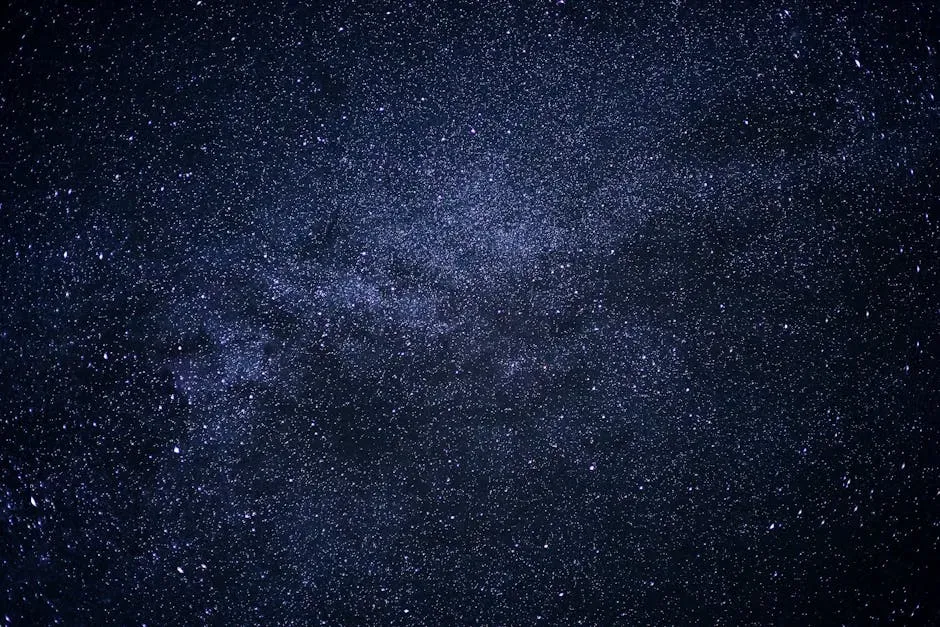
Africa doesn’t always come to mind when people think about stargazing destinations. It should. Namibia’s NamibRand Nature Reserve is Africa’s only official International Dark Sky Reserve and is internationally recognized for its pristine night skies. This UNESCO World Heritage site preserves the nocturnal environment and unique wildlife of the Namib Desert, making it a top destination for astrotourism.
NamibRand Nature Reserve in Namibia received its International Dark Sky Reserve designation in 2012, making it one of the longest-standing certified dark sky sites in Africa. The region’s extreme aridity and its location far from any major urban center mean that light pollution is not just low here. It is essentially nonexistent.
What makes this destination special is the combination it offers. The Namib Desert is already one of the world’s oldest and most visually dramatic landscapes. Pair that with a sky so dark you can cast a shadow by starlight alone, and you start to understand why travellers fly across the world just for a single clear night here. Astrotourism allows African countries to expand their tourism offerings while showcasing one of their most untapped treasures. Investing in dark sky preservation attracts stargazing enthusiasts and appeals to travellers looking for eco-conscious and immersive experiences.
4. Jasper National Park, Canada – The World’s Most Accessible Dark Sky Preserve
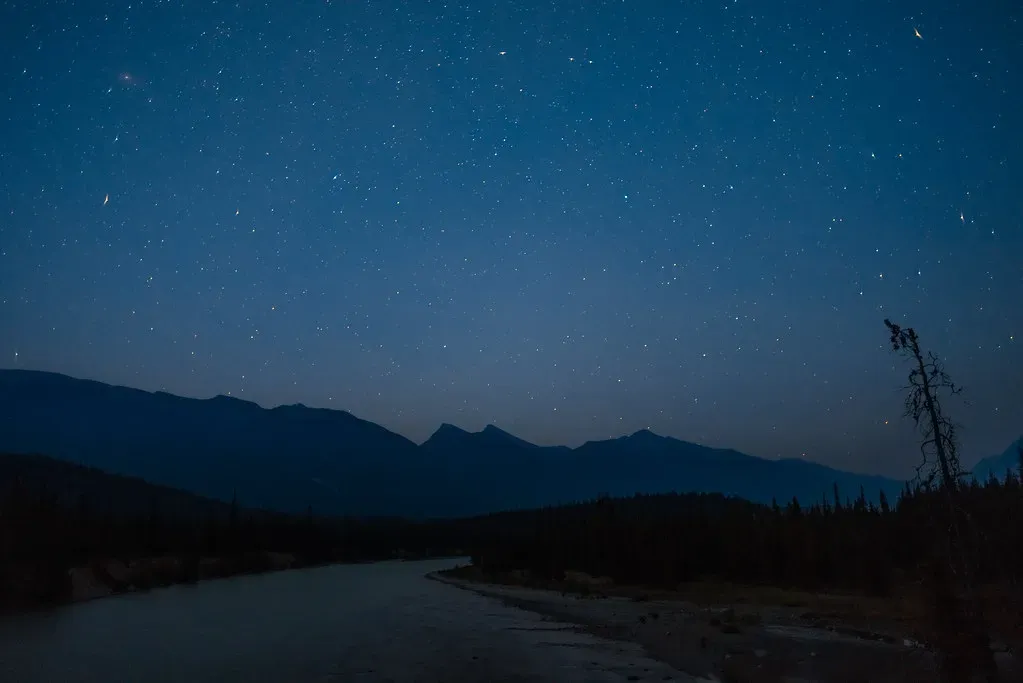
A UNESCO World Heritage Site, Jasper National Park is over 11,000 square kilometres in size and is the second largest Dark Sky Preserve in the world. What makes it particularly remarkable is that it contains an actual town within its boundaries, meaning you can go from a restaurant dinner to standing beneath the Milky Way in about ten minutes flat.
Since starting in 2011, the Jasper Dark Sky Festival has steadily grown in popularity and become a signature event for Jasper National Park. Festival activities include stargazing, guest speakers, night hikes, Indigenous cultural awareness events, indoor planetarium tours, fireside storytelling, musical performances, drone shows, and more. It is genuinely one of the most complete dark sky events anywhere on Earth.
For thousands of years, Indigenous Peoples have looked to the skies for navigation, storytelling, ceremony and art. Throughout the year and during the Dark Sky Festival, visitors can learn about traditional constellations and legends from local Knowledge Holders, adding a cultural layer to the stargazing experience. The festival is also expanding. The next edition, in October 2026, will mark the 15th anniversary of the Jasper Dark Sky Festival.
5. The Atacama Desert, Chile – Where Professional Astronomers Go
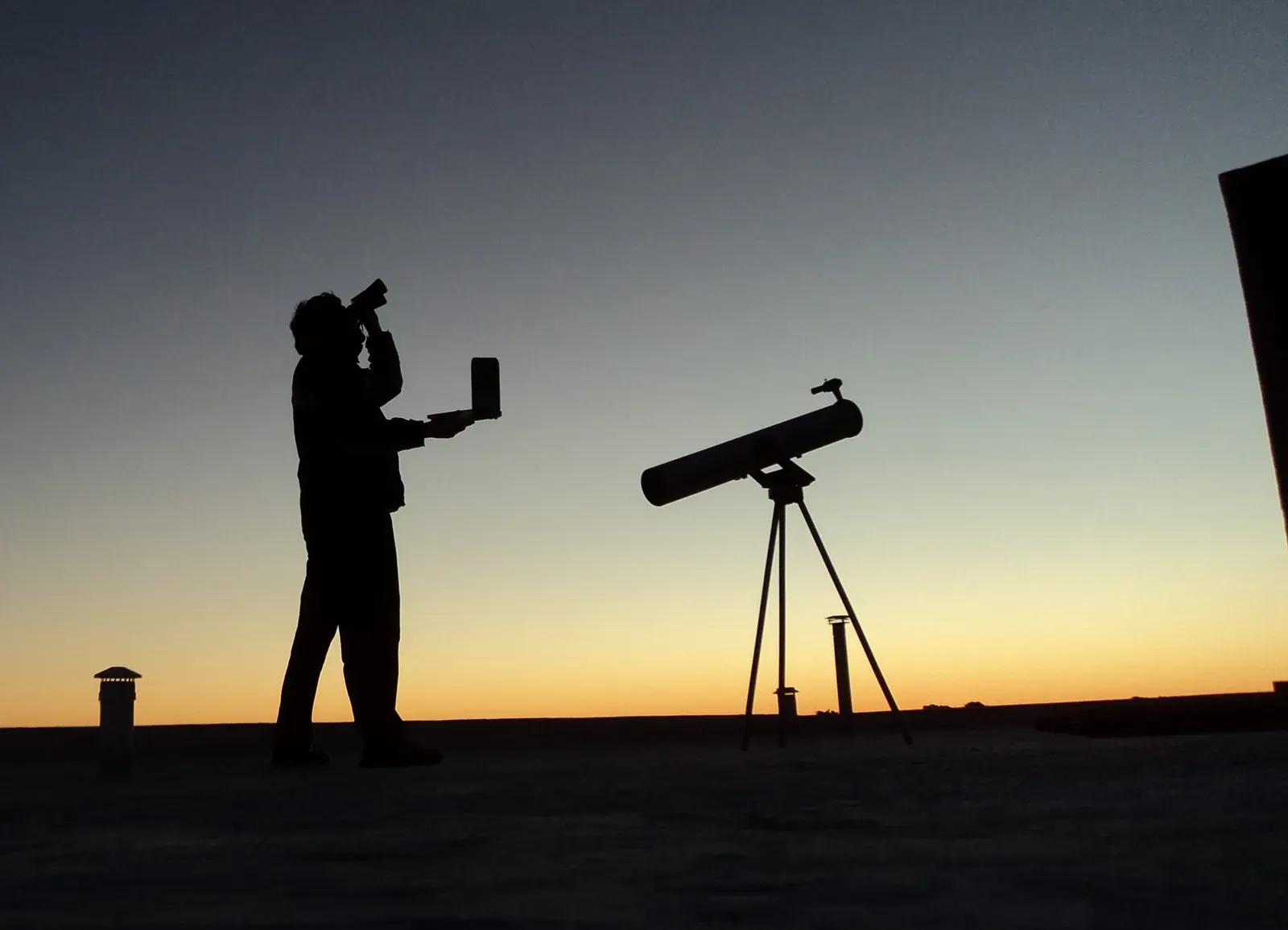
Here’s the thing about the Atacama: it’s not just a great stargazing destination for tourists. It is where the world’s most powerful telescopes are actually built. The combination of extreme altitude, near-zero humidity, and almost no rainfall makes the Atacama arguably the best place on Earth to observe the cosmos. If it’s good enough for the European Southern Observatory, it is probably good enough for the rest of us.
Antofagasta in Chile’s Atacama Desert, one of the world’s premier astrotourism destinations, has seen an extraordinary 327 per cent year-on-year growth through dark sky tourism. That kind of growth doesn’t happen by accident. It reflects a real and growing hunger for authentic, untouched night-sky experiences. The regions of Coquimbo, Atacama, and Antofagasta in northern Chile are all recognized for their exceptional sky quality, creating an entire corridor of dark sky tourism potential.
It’s hard to say for sure which single spot in the Atacama gives the most jaw-dropping experience, since conditions vary by altitude and season. What is certain is that the scale here is overwhelming. The sky doesn’t just sparkle above you. It envelops you.
6. Kerry International Dark Sky Reserve, Ireland – Dark Skies on Europe’s Atlantic Edge
Kerry International Dark Sky Reserve in County Kerry, Ireland, received its designation in 2014, making it one of the most established dark sky sites in all of Europe. Perched on the rugged western edge of the continent, where the Atlantic crashes against ancient stone, this reserve offers a stargazing experience that feels as wild and untamed as the landscape itself.
Europe and North America hold some of the world’s highest concentrations of light pollution, which makes a genuinely dark site in Ireland all the more precious. Galloway Forest Park, the first International Dark Sky Park in the UK, generated an estimated £500,000 a year from dark sky tourism in its first decade after certification, giving a clear picture of the economic value these sites unlock for rural communities across the British Isles and Ireland. Kerry benefits from this same momentum.
The reserve encompasses some of the most scenic terrain in Ireland, including peninsulas, mountains, and coastlines that look extraordinary by day and breathtaking by night. Dark sky travel here provides a connection to nature through astrotourism and other nighttime activities such as night hikes, nocturnal wildlife watching, nighttime mindfulness, and concerts under the stars. For city-weary Europeans, this one is practically on their doorstep.
Why the Urgency? The Clock Is Ticking on Dark Skies
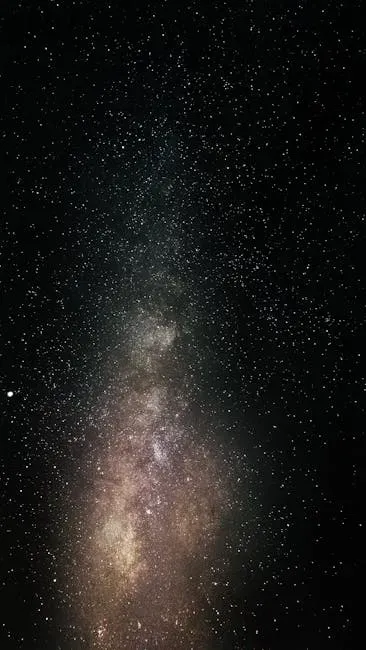
The timing of this travel trend is not a coincidence. It is a response to a real and accelerating problem. According to a 2023 study published in Science, more than roughly four in five people on Earth now live under light-polluted skies, and the night sky is getting brighter by about 9.6 per cent per year globally. Think about that for a moment. What took centuries to dim is now deteriorating at a pace visible within a single generation.
DarkSky International recently certified its 250th International Dark Sky Place with the designation of Lapalala Wilderness Nature Reserve in South Africa. Today, the program includes locations across six continents, collectively protecting over 196,000 square kilometres of land under pristine night skies. That is real progress, though the scale of the challenge remains vast.
In 2024, DarkSky unveiled its Principles of Responsible Astrotourism, providing essential guidelines for communities, businesses, and travelers. These principles focus on ensuring that dark sky experiences are not only enriching but also respectful of local knowledge and lifeways, and protective of the nocturnal environment. According to Booking.com’s 2025 travel predictions, around 60 per cent of Americans are considering visiting darker sky destinations to take part in activities like once-in-a-lifetime cosmic events and constellation tracking. The demand is there. The destinations are ready. The only question is whether you are.
There is something quietly radical about standing under a truly dark sky. It resets something in you. In a world full of notifications, screens, and relentless artificial light, the simple act of looking up at the Milky Way can feel like the most meaningful thing you’ve done in years. Which of these six destinations would you put at the top of your list? Tell us in the comments.