


Most people assume their Social Security number is locked away safely – in a filing cabinet, a government database, somewhere that feels secure. Honestly, that assumption is becoming harder to defend by the day. The dark web has transformed into a sprawling underground marketplace, and your nine-digit identifier might already be sitting in a digital shopping cart you’ll never know about.
The numbers behind this are staggering, and what’s even more unsettling is how quietly it all happens. You won’t receive a warning. No alarm goes off. No one knocks on your door. So let’s talk about the real warning signs that your SSN is being traded right now – and the cold facts that back it up.
The Scale of the Problem: Billions of Records Already Exposed


Let’s be real for a second. The conversation about SSN exposure on the dark web is no longer theoretical. National Public Data disclosed a massive data breach in August 2024, which involved the Social Security numbers of nearly every American, including full names, phone numbers, and current and past addresses. The total number of records breached is estimated to be 2.9 billion records, totaling 277GB of data.
A hacker going by the moniker “USDoD” posted a notice on the dark web offering the data for sale at the price of $3.5 million. That is not a movie plot. That is a real transaction that happened in April 2024 on a real dark web forum. This represents roughly 60 percent of all historical SSNs issued by the IRS, marking the largest volume of SSN exposure on the dark web to date.
Four out of five Americans have had their Social Security numbers breached – a fact that made headlines in August 2024, following the breach of the data brokering service National Public Data. Think about that for a moment. Roughly four out of every five people you know. It is not a niche problem anymore.
How SSNs End Up on the Dark Web in the First Place

Cybercriminals hack company databases in order to steal large amounts of personally identifiable information and sell it on the dark web, an anonymized layer of the internet that has become a hotbed for hackers and other online predators. The pipeline is efficient, unfortunately. Think of it less like a heist and more like an assembly line.
Data breaches and phishing attacks are two of the most likely ways for criminals to get hold of your Social Security number to sell or list on the dark web. However, your SSN can also be compromised by malware lurking on your computer, fake forms on unsafe websites, through mail theft, or if you lose your wallet.
In 2025, a whistleblower complaint alleged that personnel associated with the Department of Government Efficiency uploaded sensitive personal information of millions of Americans to an unsecured part of the Social Security Administration’s server. According to ABC News, the data includes information that is collected when people apply for a Social Security card, raising concerns about a potential security incident. Investigations about this alleged risk are ongoing. The threat, in other words, comes from every direction.
Sign 1: Strange Activity on Your Credit Report

Key signs your SSN is on the dark web include alerts from dark web scanners or data breach detection tools, suspicious activity involving your Social Security number, and unfamiliar accounts or debts on your credit reports. Your credit report is, in many ways, the first battlefield. Criminals try to use a stolen SSN quickly before the victim notices.
You can request a copy of your credit report from AnnualCreditReport.com. When reviewing your credit reports, look for any unfamiliar activity, including new lines of credit or loans in your name that you didn’t request. If you find anything suspicious, it could be a sign that your SSN was compromised and used to commit identity theft.
Unexpected credit card statements, mysterious charges, or loan application rejections can be early signs that your Social Security number is being misused. If your SSN is on the dark web, identity thieves may have already used it to open accounts or apply for services in your name. I think this is the sign most people overlook for too long, because the changes often seem minor at first.
Sign 2: Unexpected Tax Filings or IRS Notices


You file your taxes, then get a notice that someone else already filed using your SSN. This is a simple and surprisingly effective way for criminals to get refunds owed to you. Tax fraud tied to stolen SSNs is one of the oldest tricks in the book, and it remains devastatingly effective in 2025 and 2026.
If you receive anything from the IRS about discrepancies in your income through the official IRS notification system, a cybercriminal may be using your SSN for fraudulent purposes. Someone may have filed a tax return using your SSN if it was found on the dark web, which could have triggered a notice from the IRS.
The IRS flagged 2 million tax returns for possible identity fraud in 2025. Two million. The scale of tax-related SSN fraud is enormous, and many victims don’t even realize what’s happening until they try to file their own return and get rejected. An Identity Protection PIN is a six-digit number that stops someone from filing a tax return with your SSN. The only people who know your IP PIN are you and the IRS, which even prevents a cybercriminal who has your SSN from using it to commit tax fraud.
Sign 3: Receiving Bills, Accounts, or Mail You Never Opened

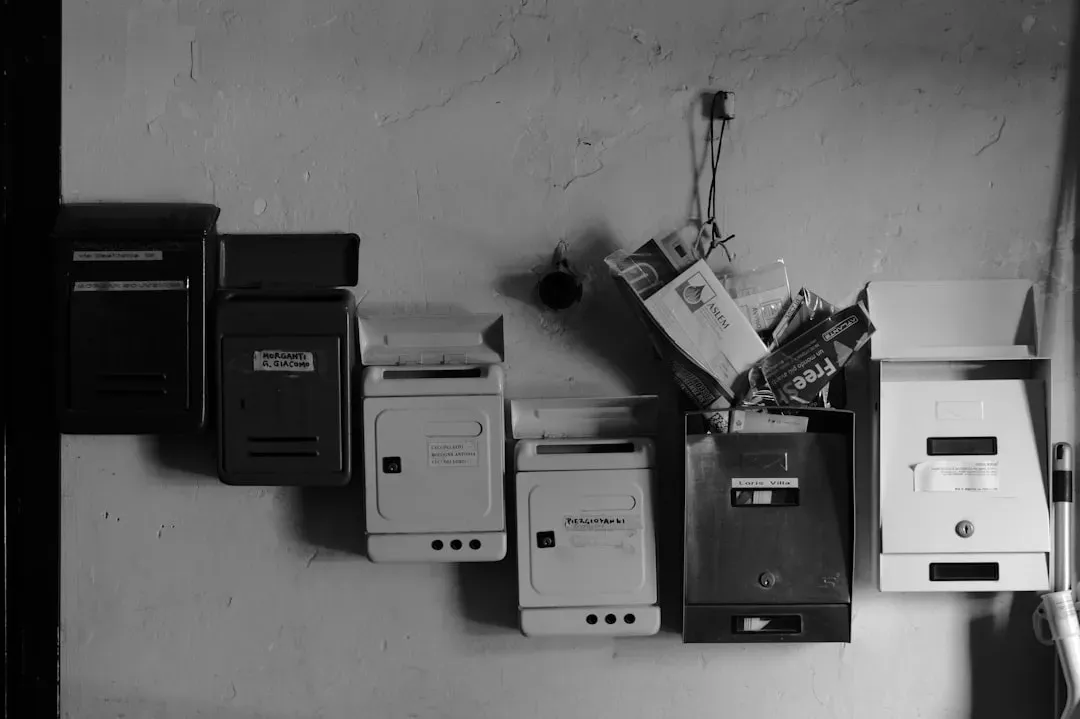
Receiving bills or statements for accounts you never opened is one of the most obvious signs someone is using your Social Security number. Thieves can use your SSN to open credit card accounts, take out loans or even set up utilities in your name. Here’s the thing: by the time physical mail arrives, the damage is often already done.
If you start receiving letters in your mailbox regarding services, purchases, loans, or other information you allegedly requested, someone may be fraudulently using your personal data. It sounds almost old-fashioned, doesn’t it? Letters in a mailbox. Yet it remains one of the most telling indicators that something is very wrong.
If you get tax forms like W-2s or 1099s in the mail from employers you’ve never worked with, it could mean someone used your SSN to get a job. In this type of employment fraud, someone who may not otherwise pass employment checks uses your identity instead. It’s a mess and could leave you on the hook for their tax obligations.
What Your SSN Is Worth on the Dark Web Right Now


You might imagine that something as powerful as your Social Security number commands a premium price underground. The reality is much more chilling – and, oddly, more disturbing because of how cheap it is. Even a Social Security Number is worth as little as $1 on the dark web price index. The low price doesn’t mean criminals don’t care about it. It means there are so many of them available that the supply has crashed the market.
Partner offer

As of August 2025, a “fullz” package, which typically includes a full name, Social Security Number, and date of birth, sells for an average of $20 to $100 on dark web markets. The price can be higher if the package includes additional high-value data. So depending on what’s bundled with your SSN, your entire identity could be selling for roughly the price of a dinner out.
Immediately following a major data breach, there is a short window where the fresh data is sold at a premium. After that window closes, prices drop and the data spreads further. Once your SSN is on the dark web, it rarely disappears. Thieves may sell it over and over. That is the part that keeps cybersecurity experts up at night.
The Attempted Identity Theft Rate Is Shocking

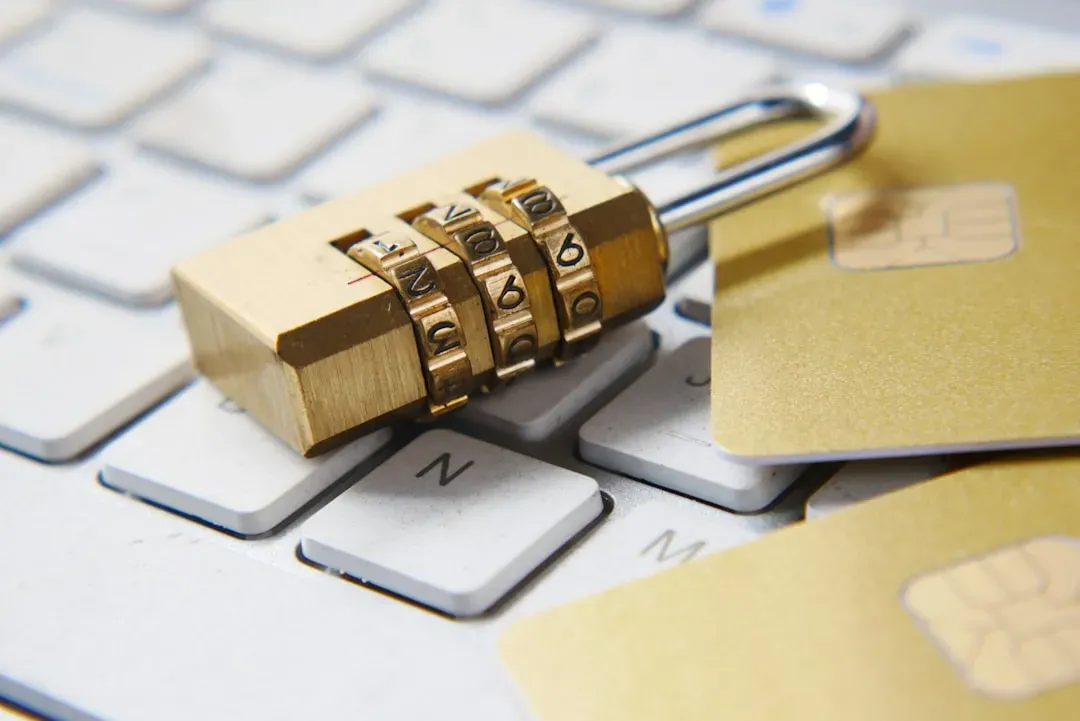
Here is a statistic that genuinely stopped me in my tracks when I found it. A 2025 study from financial security company SentiLink found that 97 percent of people who had their SSNs leaked on the dark web were victims of attempted identity theft. Nearly all of them. That is not a warning anymore. That is a near-certainty.
In 2024, there were more than 1.1 million reports of identity theft received through the FTC’s IdentityTheft.gov website, while consumers reported losing more than $12.5 billion to fraud – a 25 percent increase over the prior year. The growth is staggering. Each year the numbers climb, and the SSN remains the master key that unlocks most of these crimes.
As of the first three quarters of 2025, more than 1.1 million cases of identity theft were already reported to the FTC, exceeding the number of cases reported in all of 2024, putting 2025 on pace to be a record-breaking year for identity theft. That trend is moving in one direction only, and it is not reassuring.
The Medical Identity Theft Angle No One Talks About

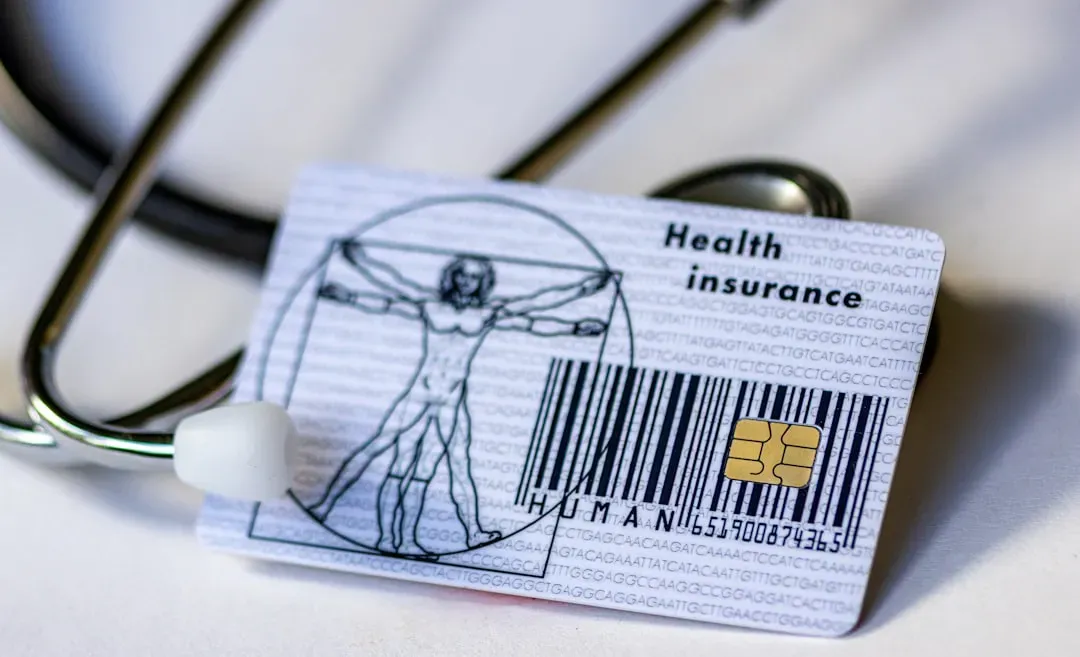
Most people think about financial fraud first. Cards. Loans. Credit accounts. What they miss entirely is the medical dimension, and honestly, it might be even more dangerous in the long run. An often-overlooked danger of a leaked SSN is when fraudsters impersonate you to receive healthcare, order prescription drugs, or use up your medical insurance benefits. Medical identity theft can have dire consequences if a scammer receives healthcare in your name and corrupts your medical files.
Criminals can use stolen Social Security numbers to submit false health insurance claims, illegally obtain medical insurance funds, or steal prescription medication. Medical identity theft makes it difficult for affected parties to receive healthcare, claim payouts, or sign up for new medical services. Imagine being denied healthcare because your insurance benefits were already exhausted – by someone else.
Social Security number breaches involving healthcare organizations are particularly damaging, as SSNs may be combined with medical details to commit medical identity theft. The 2024 Change Healthcare breach put this risk on full display. The February 2024 cyberattack on Change Healthcare was the largest healthcare data breach in history, impacting an estimated 193 million people.
What Happens If Your SSN Is Already Out There

Here is a hard truth that most guides soften too much: it is almost impossible to remove your SSN, or any other personal information, from the dark web. Dark web websites have little to no legal accountability since they’re often owned and moderated anonymously, and data may be spread across multiple sites, making it hard to track down.
It’s hard to say for sure how much damage has already been done in your specific case, but there are very real things you can do right now. You can freeze your credit by immediately contacting the three major credit bureaus – Equifax, Experian, and TransUnion. This prevents cybercriminals from opening new accounts in your name. A credit freeze is free, reversible, and genuinely effective at blocking one of the most common forms of SSN fraud.
There’s no putting the genie back in the bottle for the millions or billions of identities whose SSNs have been compromised. Even now, more SSNs are at risk of spilling into the dark web data trade. Once they do, they don’t go away. The only rational response is to make your data as useless to a thief as possible, even if you can’t take it back.
How to Monitor Your SSN Going Forward

Nearly 60 percent of SSN fraud victims first learn about it through dark web notifications, according to the Identity Theft Resource Center in 2024. That means proactive monitoring is not just helpful – it is often the only reason people find out at all before the damage escalates into something unmanageable.
A dark web monitoring tool crawls websites and databases across the dark web searching for your SSN. If it finds your information, it will send you an automatic alert so you can take action to protect yourself. Data breach detection tools also monitor for new data breaches and send alerts if your information is compromised. Think of it like a smoke detector. You hope it never goes off, but you really want it installed before the fire starts.
If you don’t already have a mySocialSecurity account, you need to create one so you can view and manage your benefits, application status, earnings, and statements. If you know you are not receiving any benefits but your mySocialSecurity account shows that you are, this is a sign that your SSN is on the dark web and a cybercriminal is using your identity. Set it up today. It takes minutes and it could be one of the most important digital accounts you ever create.
Conclusion: The Audit You Can’t Afford to Skip

The dark web audit is not a technical exercise reserved for cybersecurity professionals. It is something every American should be thinking about in 2026, especially given what happened between 2024 and now. Scammers can use stolen SSNs to apply for loans and new credit cards, open bank accounts, file fraudulent tax returns, receive medical care, or even commit crimes – all in your name. The range of potential harm is breathtaking.
The three signs – unusual credit activity, unexpected IRS notices, and mysterious bills or mail – are your best early warning system. Watch for them. Act on them. Don’t assume that because nothing has happened yet, nothing will. According to a 2025 study, the average financial loss from identity theft was over $7,600. That is a significant amount of money, and it doesn’t even account for the time, stress, and legal headaches that often follow.
Your SSN is not just a number. It is your financial identity, your medical identity, and your legal identity all wrapped into nine digits. Treat it accordingly – because somewhere on a dark web server right now, someone else might already be doing exactly that. What steps have you already taken to protect yours? Tell us in the comments.
Partner offer
Planning a trip to Vegas?
Compare hotel rates and show tickets on VEGAS.com.


