We love our heroes, don’t we? The leaders who shaped nations, won wars, and changed the course of human events. But here’s the thing: behind every polished monument and inspiring quote, there’s often a shadow we conveniently forget about. These aren’t the sanitized versions you learned in school. These are the uncomfortable truths about leaders we’ve placed on pedestals for generations. Some of these revelations might actually surprise you, others will make perfect sense once you think about it.
The real question isn’t whether these leaders had dark sides. It’s whether we’re ready to face them honestly. Let’s pull back the curtain on some secrets that textbooks tend to skip over.
Winston Churchill’s Deliberate Famine
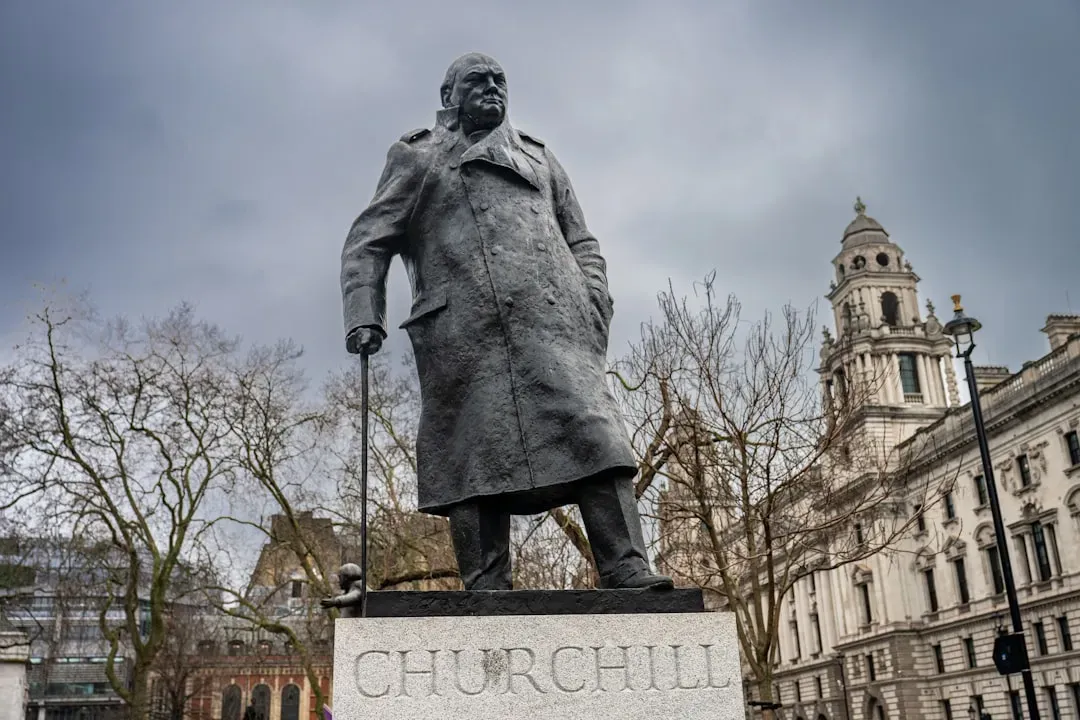
Churchill is celebrated as the lion who saved Britain from Nazi tyranny, and that’s absolutely true. Yet during the Bengal Famine of 1943, his policies directly contributed to the deaths of approximately three million people in India. Recently released documents from the Churchill Archives at Cambridge University reveal he actively diverted food supplies away from Bengal to stockpile resources for British troops and Greek civilians. When officials pleaded for emergency relief, Churchill reportedly asked why Gandhi hadn’t died yet if the famine was so severe.
His War Cabinet discussions, documented in meeting minutes now available through Britain’s National Archives, show he blamed Indians themselves for the crisis, suggesting they “breed like rabbits.” Australian ships carrying wheat were ordered to bypass India entirely despite urgent humanitarian requests from the Viceroy’s office. Churchill’s own Secretary of State for India, Leopold Amery, wrote in his diary that he couldn’t see much difference between Churchill’s attitude and Hitler’s. That’s not some fringe conspiracy theory, it’s in official government records you can access today.
Thomas Jefferson’s Hidden Family
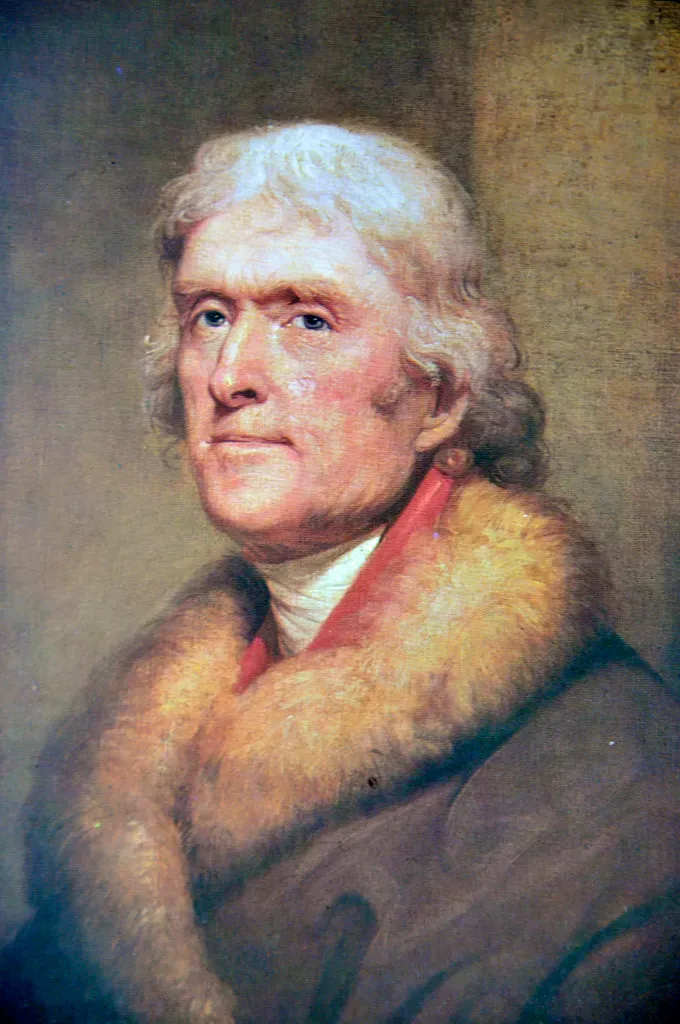
The author of “all men are created equal” owned more than 600 enslaved people throughout his lifetime. DNA evidence confirmed in 1998 through a study published in the journal Nature that Jefferson fathered at least six children with Sally Hemings, an enslaved woman who was legally his property and couldn’t consent to any relationship. She was also the half-sister of his deceased wife, making this situation even more disturbing when you really think about it.
What makes this particularly dark is that Jefferson freed only two enslaved people during his lifetime, both were Hemings’ sons. The Monticello plantation records, extensively researched by the Thomas Jefferson Foundation since 2000, show he kept detailed accounts of his slaves’ monetary value while writing eloquently about liberty. Recent archaeological work at Monticello has uncovered the actual living quarters where the Hemings family resided, bringing this hidden history into uncomfortable focus for the thousands who visit annually.
Mother Teresa’s Suffering Philosophy
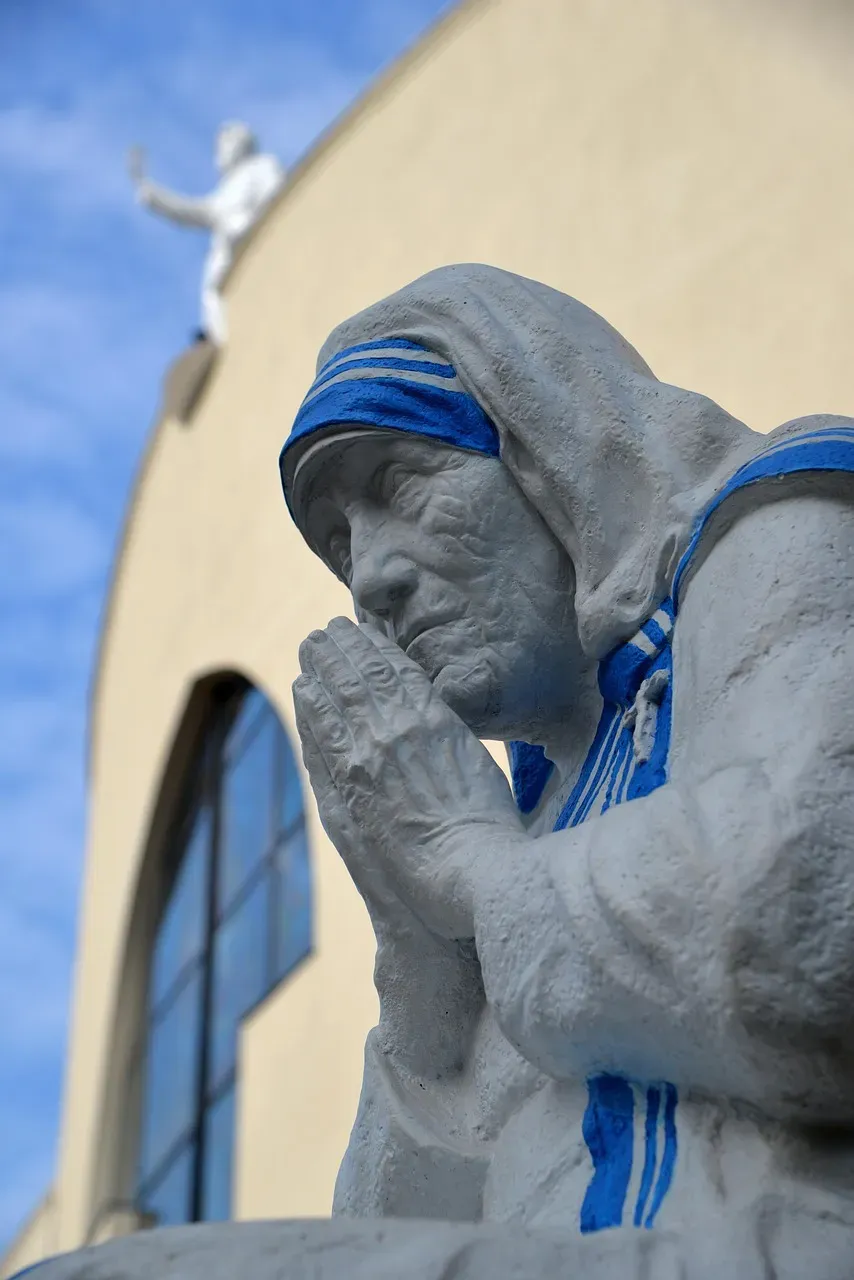
This one honestly shocked me when I first learned about it. Canonized as a saint in 2016, Mother Teresa ran facilities in Calcutta where pain relief was systematically withheld from dying patients. A 2013 study from the University of Montreal analyzed the medical practices in her homes and found that suffering patients were given aspirin at best, even when stronger pain medication was available. She believed suffering brought people closer to Jesus, a philosophy she apparently didn’t extend to herself when seeking advanced cardiac care at California hospitals.
Financial investigations revealed another troubling pattern. Her Missionaries of Charity received millions in donations, yet conditions in her facilities remained shockingly primitive with reused needles and inadequate medical care. Journalist Christopher Hitchens documented in his research that she accepted money from dictators including Haiti’s François Duvalier and fraudster Charles Keating. The Vatican’s own investigation prior to her canonization had to address these controversies, though they ultimately didn’t prevent her sainthood.
Gandhi’s Troubling Experiments
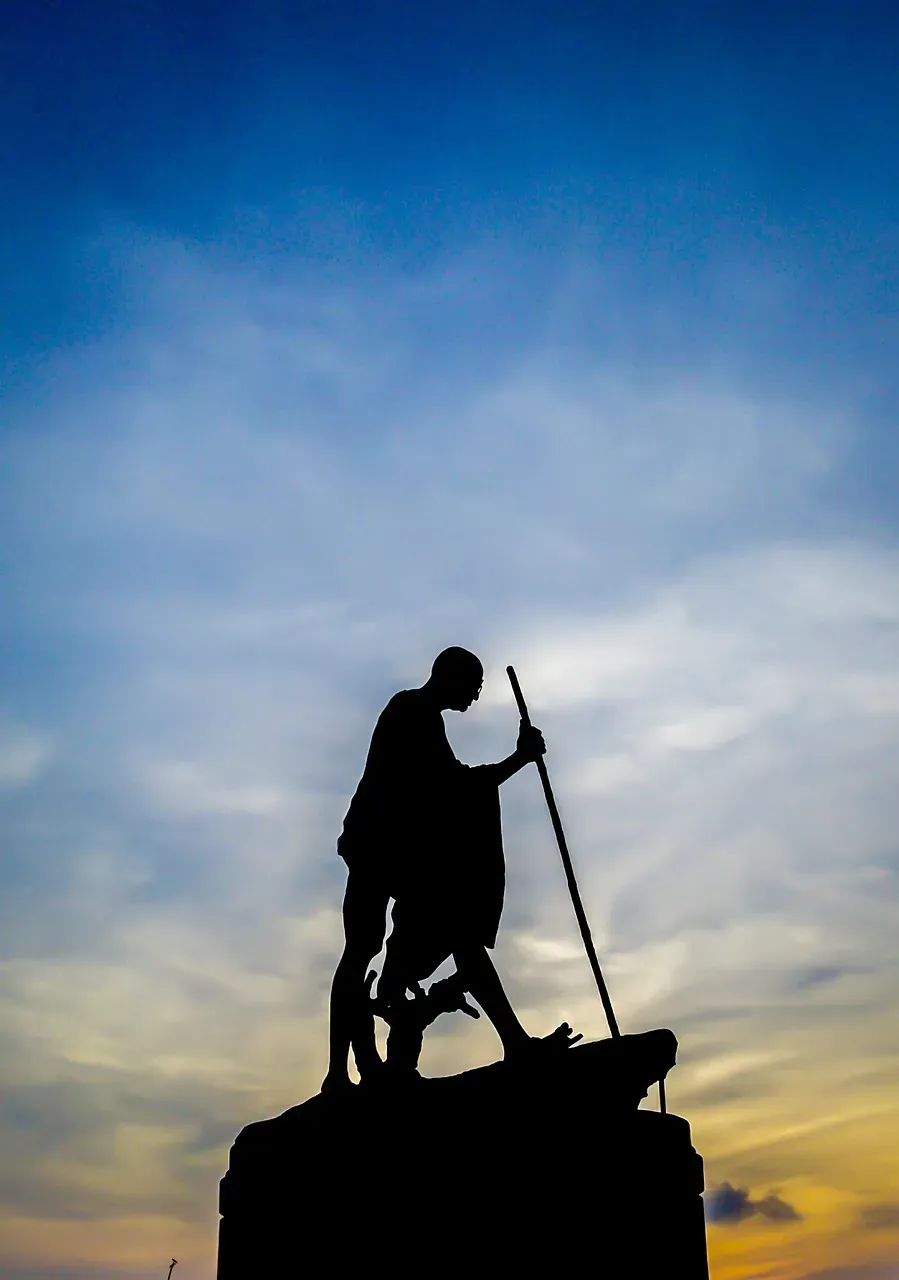
The champion of nonviolent resistance had some deeply disturbing personal practices that are increasingly coming to light. Historical documents housed at the Nehru Memorial Library in New Delhi reveal Gandhi slept naked with young women, including his grand-niece, to test his celibacy. He called these his “experiments with truth,” but modern scholars recognize them as exploitative and abusive. His own grandniece Manu Gandhi’s diary, partially published in recent years, describes these encounters in uncomfortable detail.
Gandhi also held disturbingly racist views toward Black Africans during his time in South Africa, referring to them with derogatory terms in his own writings from that period. Letters he wrote between 1893 and 1914, now digitized by the Gandhi Heritage Portal, show him arguing that Indians should not be “classed with natives” because they were superior. Academic research published in the South African Historical Journal has examined how Gandhi’s early activism specifically fought for Indian rights while showing indifference or hostility toward Black South Africans’ struggles.
Franklin Roosevelt’s Forced Internment
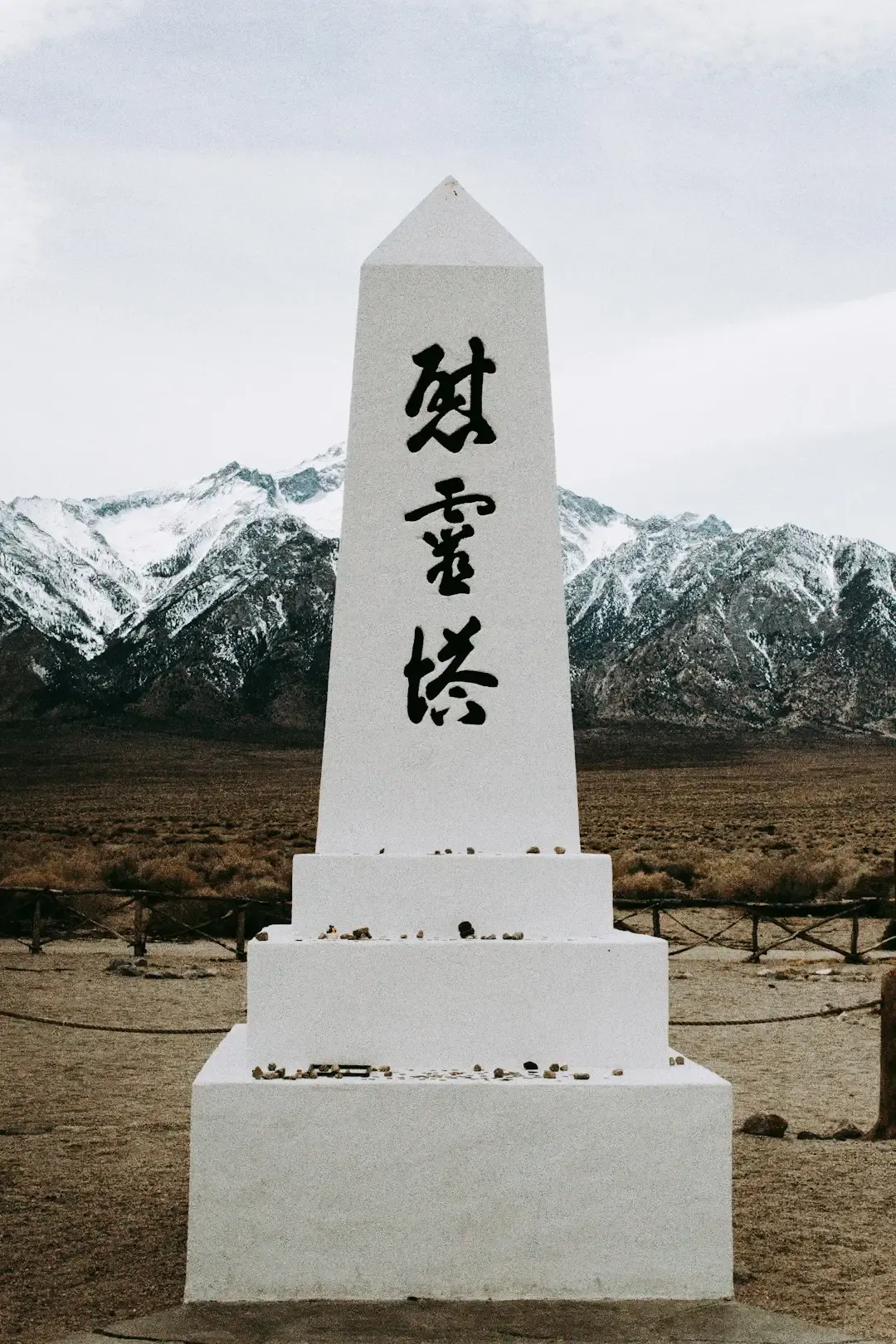
FDR guided America through the Great Depression and World War II, earning his place on Mount Rushmore in many people’s minds. Executive Order 9066, which he signed in February 1942, forced roughly 120,000 Japanese Americans into concentration camps without trial or evidence of wrongdoing. Two-thirds were American citizens by birth. Recent research from the National Archives shows Roosevelt received intelligence reports confirming Japanese Americans posed no security threat, yet he proceeded anyway largely due to racial prejudice and political pressure from West Coast politicians.
Families lost their homes, businesses, and life savings with just days’ notice to report to assembly centers. The camps themselves, located in remote desert areas, featured barbed wire, guard towers, and armed soldiers. Documents declassified in 2017 reveal the FBI and military intelligence had already investigated and cleared the vast majority of these families before the internment order. Roosevelt never apologized, and it took until 1988 for the U.S. government to formally acknowledge this injustice with reparations of $20,000 per survivor.
Lyndon Johnson’s Vulgar Manipulation
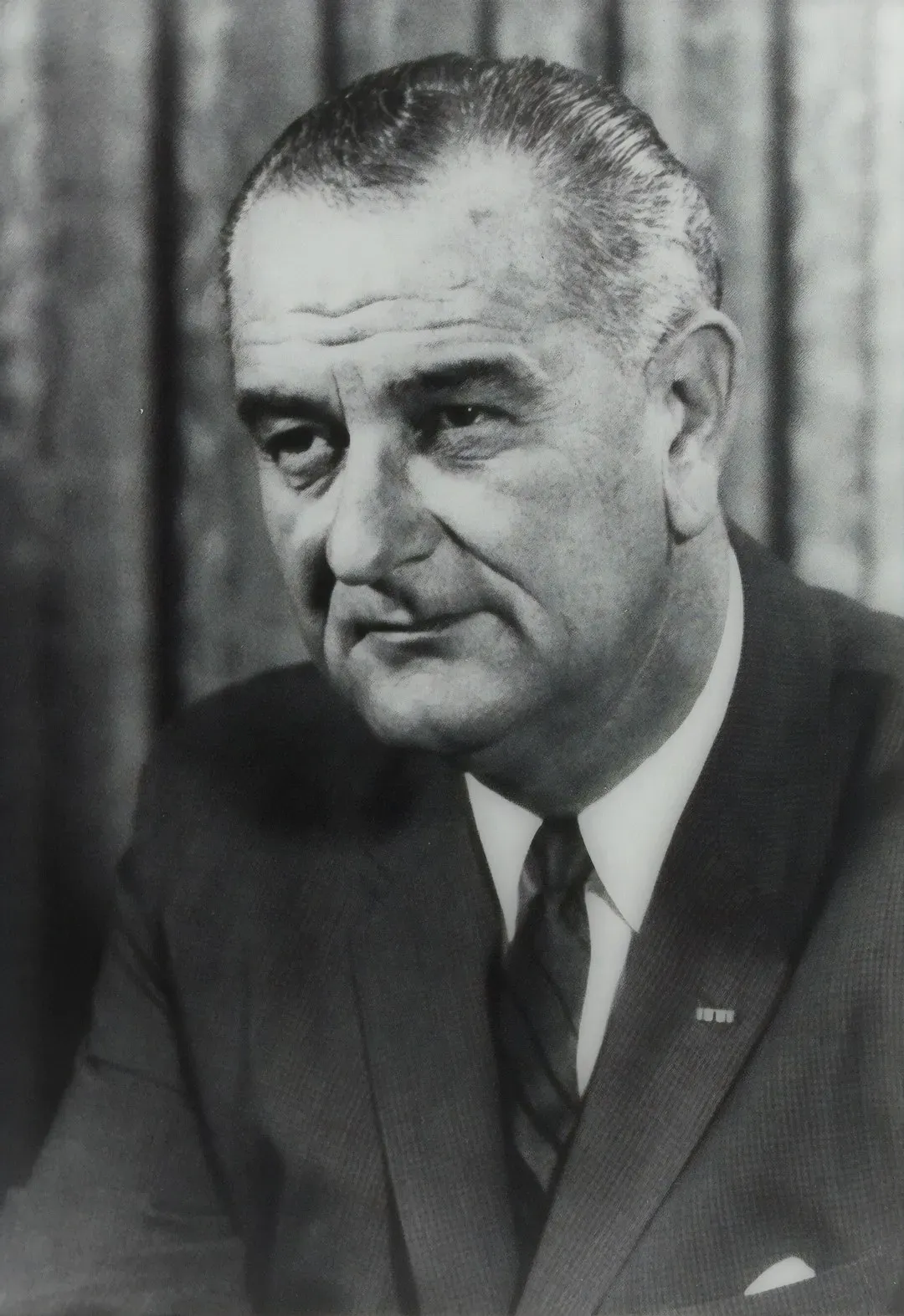
LBJ achieved monumental civil rights victories, but his personal conduct was something else entirely. Historical accounts from White House staff and documented in Robert Caro’s biographical series describe a leader who routinely humiliated subordinates, conducted meetings while using the toilet, and nicknamed his penis “Jumbo” which he reportedly showed to people with disturbing frequency. This wasn’t just crude behavior, it was a deliberate intimidation tactic he used to dominate conversations and establish psychological control.
Recorded phone conversations released by the LBJ Presidential Library reveal his manipulative genius but also his willingness to deceive the American public. Tapes from August 1964 show he privately expressed doubts about the Gulf of Tonkin incident even as he used it to justify massive escalation in Vietnam. He told Senator Richard Russell the evidence was shaky but pushed Congress to grant him war powers anyway. More than 58,000 Americans died in a war Johnson privately questioned from the beginning, according to his own recorded words.
John F. Kennedy’s Reckless Affairs
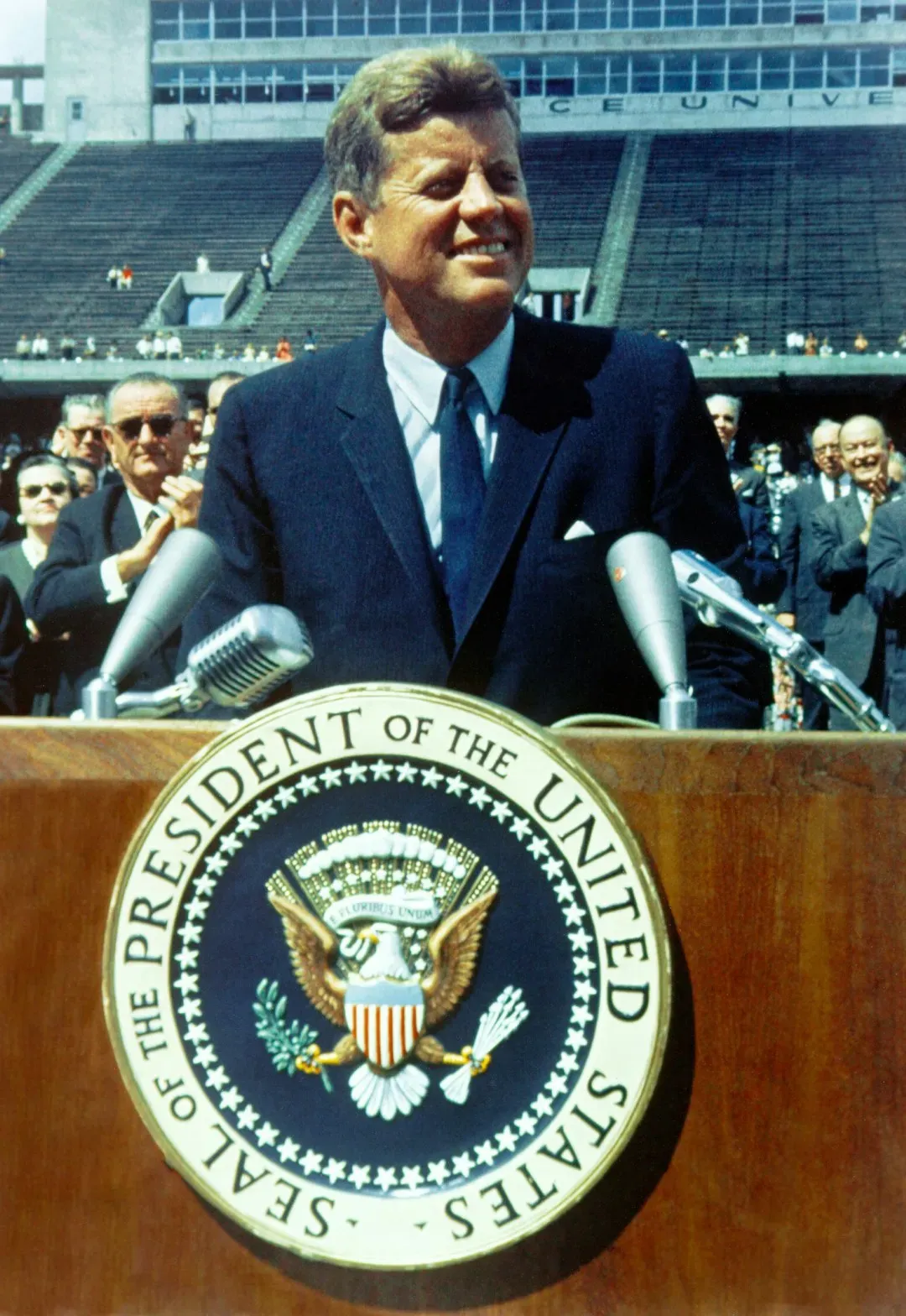
The Camelot mythology carefully constructed around JFK hid a pattern of reckless sexual behavior that compromised national security. Declassified FBI files from 2017 confirm Kennedy had an affair with Judith Campbell Exner, who simultaneously had relationships with Chicago mob boss Sam Giancana and LA crime figure John Roselli. White House phone logs show Campbell called Kennedy’s private line dozens of times during his presidency, creating potential blackmail vulnerabilities the Secret Service warned about.
More troubling were credible allegations involving White House intern Mimi Alford, who described in her 2012 memoir how Kennedy initiated a sexual relationship with her when she was just 19 years old. Historical records show Kennedy’s severe health problems, including Addison’s disease, required him to take a cocktail of medications that his doctors later admitted could have impaired his judgment. Recent medical analyses of his prescription records suggest he was essentially functioning as an impaired executive during the Cuban Missile Crisis, the most dangerous moment in human history.
Nelson Mandela’s Violent Campaign
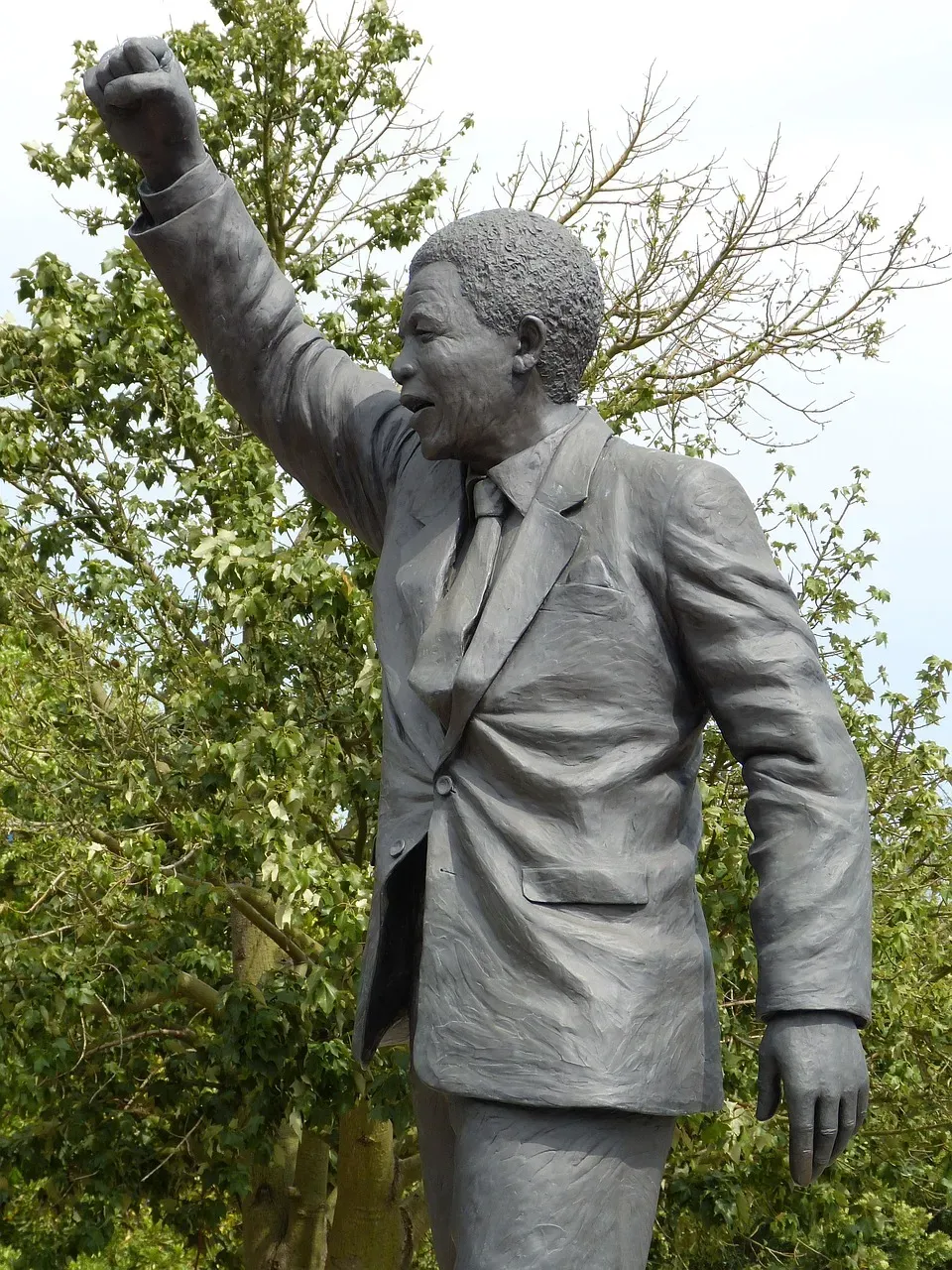
Mandela rightfully earned global admiration for his reconciliation efforts, but his earlier years involved activities he himself acknowledged were violent. As leader of Umkhonto we Sizwe (Spear of the Nation), the armed wing of the African National Congress, Mandela orchestrated sabotage campaigns that included bombings of government facilities and infrastructure. Historical records from South Africa’s Truth and Reconciliation Commission document that while MK initially targeted infrastructure to avoid casualties, several attacks resulted in civilian deaths.
The 1983 Church Street bombing in Pretoria killed 19 people and injured over 200. While this occurred during Mandela’s imprisonment, it was carried out by the organization he founded and inspired. His 1961 statement to the court, preserved in the Rivonia Trial transcripts, explicitly outlined plans for guerrilla warfare and potential foreign invasion if peaceful methods failed. This doesn’t diminish his later transformation, but it complicates the sanitized version of his story. Mandela himself never denied this chapter, he contextualized it within the brutality of apartheid that left oppressed people with limited options.
Charles de Gaulle’s Algerian Bloodshed

France’s wartime hero and postwar savior presided over one of the 20th century’s bloodiest decolonization conflicts. Recently opened French military archives reveal de Gaulle authorized tactics in Algeria that amounted to war crimes, including torture, mass executions, and the forced relocation of over two million Algerians into concentration camps called “regroupement centers.” French historian Raphaëlle Branche’s research, published in 2023, documents systematic torture approved at the highest levels of de Gaulle’s government between 1958 and 1962.
The Sétif and Guelma massacres of May 1945, which occurred just as de Gaulle led France to victory in Europe, saw French forces kill an estimated 6,000 to 30,000 Algerian civilians in response to anti-colonial protests. De Gaulle’s government suppressed information about these atrocities for decades. Only in 2021 did France officially acknowledge its use of torture during the Algerian War, nearly 60 years after the conflict ended. The actual death toll of the war remains disputed, with Algerian sources claiming 1.5 million deaths and French records suggesting far lower numbers, but even conservative estimates exceed 300,000 casualties.
What This All Means
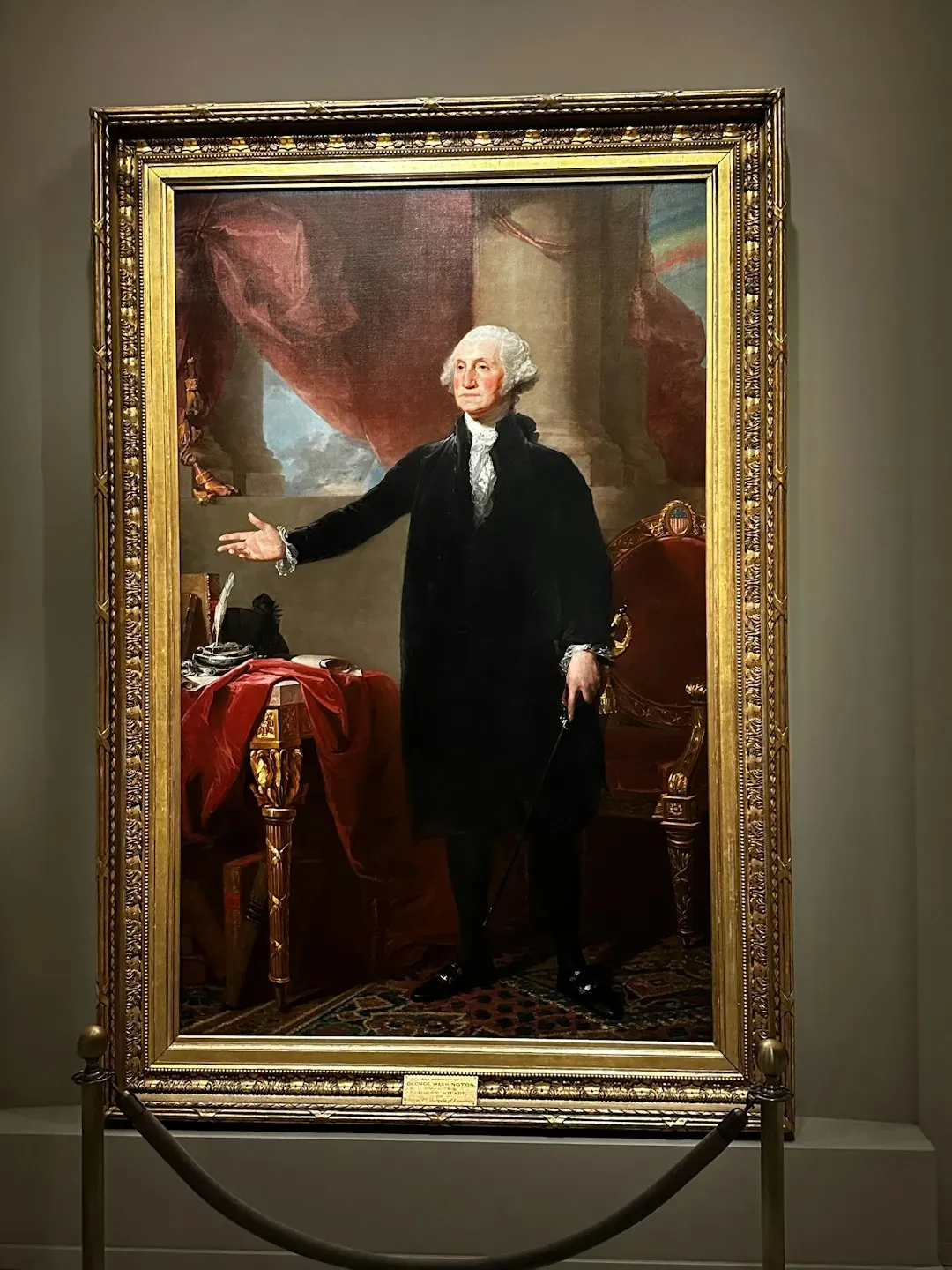
History isn’t black and white, and maybe that’s the real lesson here. These leaders achieved remarkable things that genuinely improved millions of lives. Churchill did stand against fascism. Jefferson did articulate foundational democratic principles. Roosevelt did rescue the American economy and defeat tyranny abroad. Their dark secrets don’t erase those accomplishments, but they should complicate how we remember them.
The danger lies in creating mythology around imperfect humans. When we sanitize historical figures into marble saints, we lose the messy humanity that might actually teach us something useful. These weren’t monsters disguised as heroes or heroes who made tiny mistakes. They were complex, contradictory people who did both tremendous good and inexcusable harm, sometimes simultaneously. That’s uncomfortable because it means we can’t easily sort people into heroes and villains, and that ambiguity makes us uneasy.
So what do you think? Does knowing these secrets change how you view these leaders? Should we separate their achievements from their personal failings, or does character matter as much as accomplishment? Tell us in the comments.