There is something quietly haunting about an empty mall. The flickering fluorescent lights, the ghost of a food court, the hollow echo of footsteps where thousands once gathered. For decades, the American mall was more than a shopping destination. It was a social ritual, a teenage rite of passage, a symbol of post-war abundance.
Now, those symbols are going dark. One by one. Row by row. But here’s what no one talks about enough: the story isn’t just about what’s dying. It’s about what’s rising in its place, and honestly, some of it is genuinely surprising. Let’s dive in.
The Numbers Don’t Lie: How Deep Is the Decline?
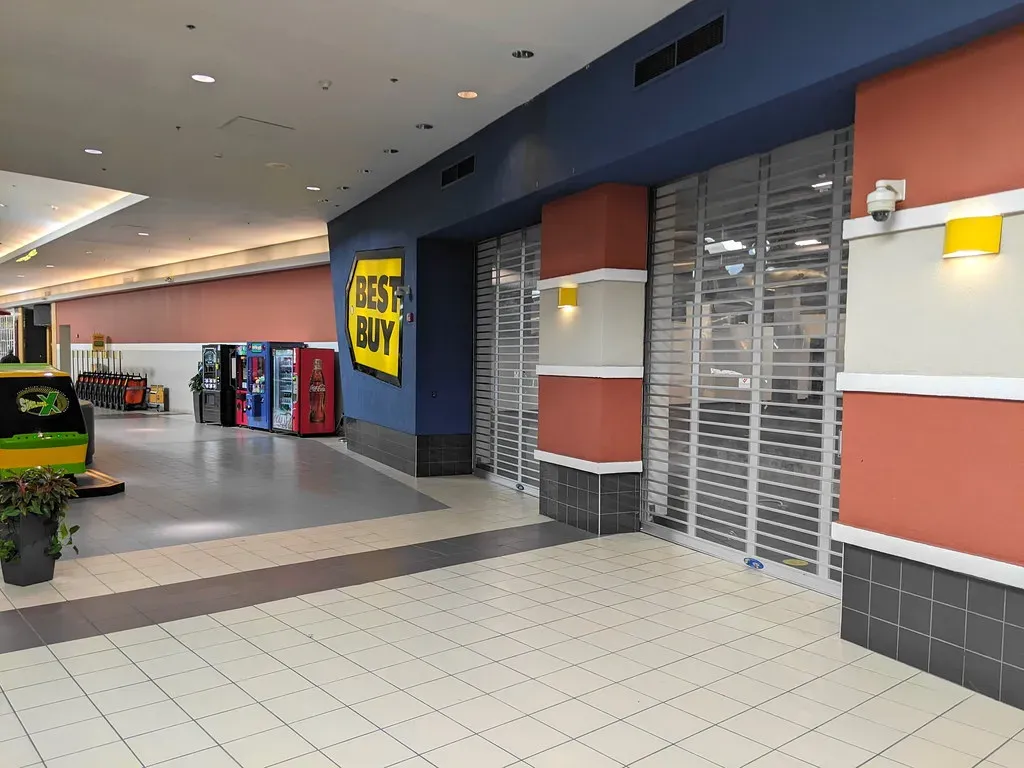
The scale of the collapse is staggering when you look at the actual data. There are about 1,200 malls remaining in the U.S. as of April 2025, but only around 900 are projected to still be in operation by 2028. Compare that to the peak years, when malls were everywhere.
In the 1970s during the industry’s peak, there were 5,500 malls nationwide, according to commercial property data firm CoStar Group. That’s a collapse so steep it’s almost hard to picture. Think of it like this: for every five malls that once existed, roughly four have already vanished or are on the way out.
An average of 40 shopping malls closed every year between 2017 and 2022. The financial pressure underneath is severe too. The average vacant mall sells at 43% below its acquisition price, meaning owners are taking enormous losses just to get out from under these properties.
Why Did the Mall Actually Die? The Real Culprits
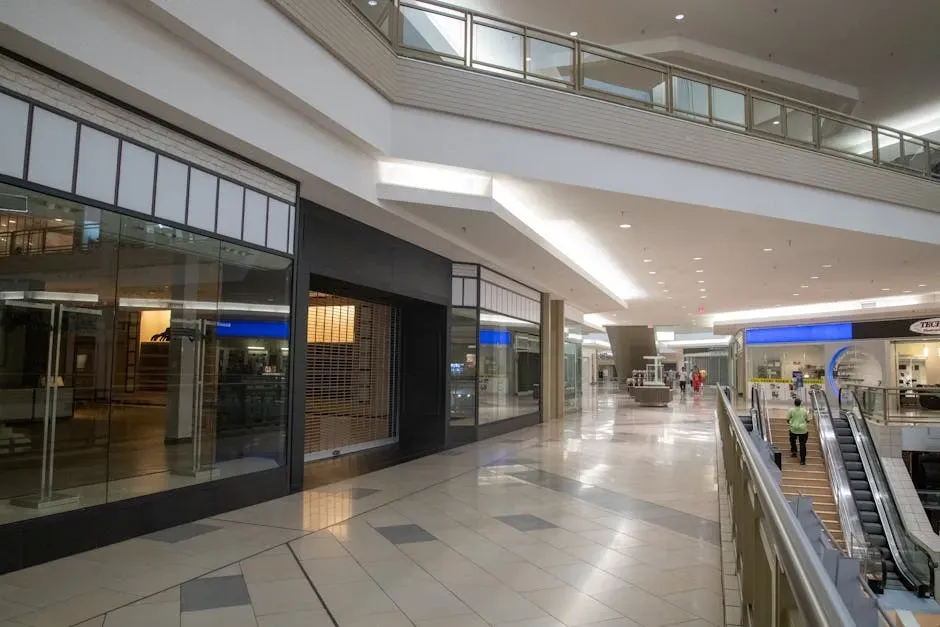
Major retailers like Walgreens, Sears, and JCPenney are cutting locations nationwide as more consumers move online and rising costs make it harder for brick-and-mortar stores to compete. These were the so-called “anchor” stores. Once they left, everything around them unraveled fast.
A study by fashion brand Selfie Leslie found that in-store shopping across the U.S. has declined by 62 percent over the past decade, during which the popularity of online shopping has risen 111 percent. That is a jaw-dropping shift in consumer behavior in a remarkably short period of time.
By 2024, spending at department stores had fallen to $116, a 93 percent decrease from earlier highs. At the same time, warehouse stores saw a 344 percent increase in per-capita sales, and per-capita online retail spending grew 885 percent. The mall, in other words, never really stood a chance against those kinds of forces.
Apartments Are Moving In: The Housing Connection
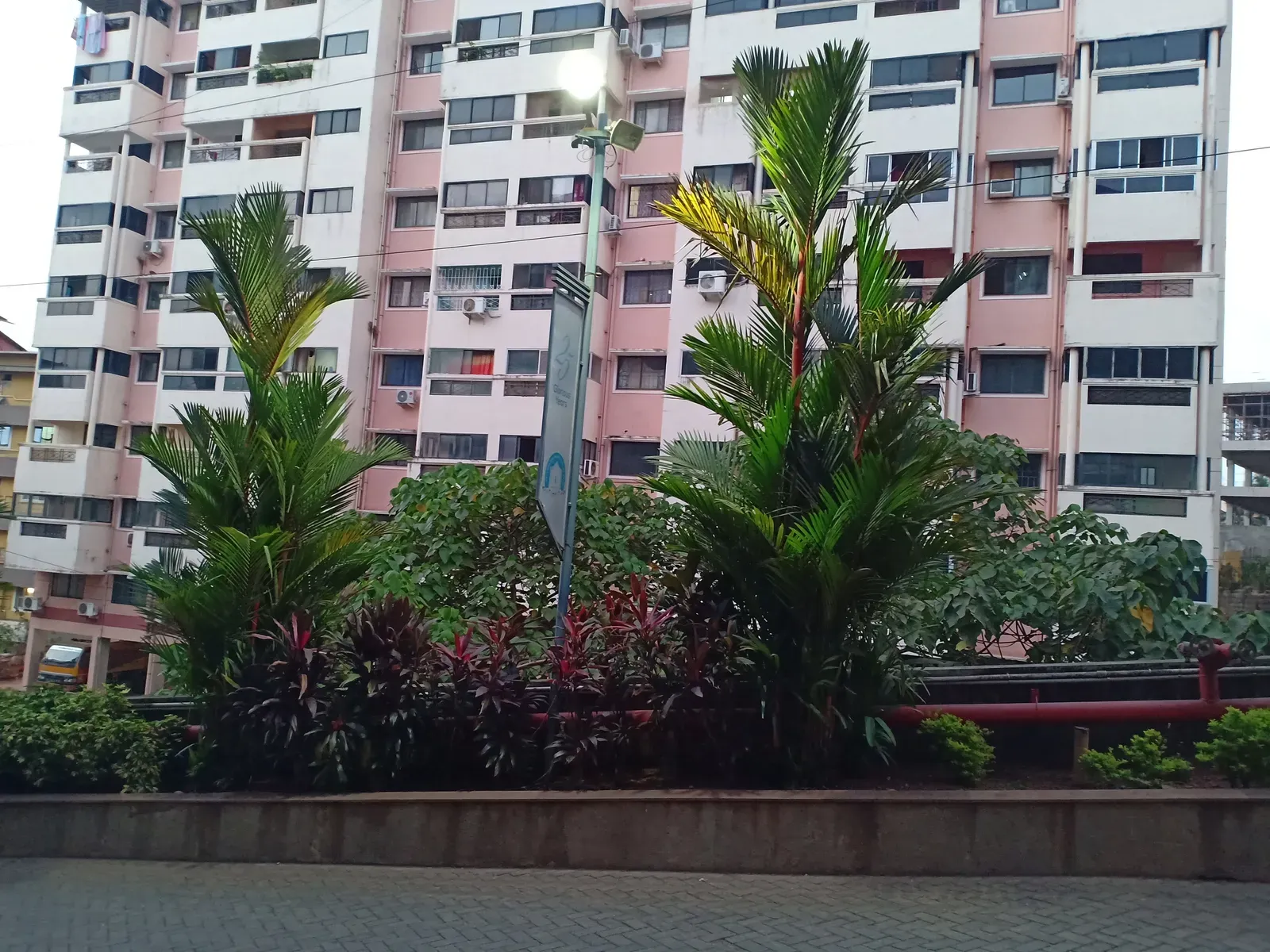
Here’s the thing that genuinely surprised me when I dug into this: the most dominant replacement for dead mall space is housing. Not parks, not offices. Apartments. As of 2022, nearly 200 malls across America had plans to add residential units, according to the Orange County Register.
Some U.S. developers are knocking down department stores like Macy’s or JCPenney and using the spaces and their parking lots to put up apartment buildings next to the mall or connected to it via walkways and green spaces. In other cases, they’ve built apartments inside of shuttered storefronts and other shopping center properties. Real-world examples are already stacking up everywhere.
In Providence, Rhode Island, developers converted portions of the Arcade Mall, America’s oldest indoor shopping mall, into 48 microapartments. In Plano, Texas, developers transformed Collin Creek Mall into a mixed-use community with 2,300 apartments while retaining the original structure of the mall. These aren’t small pilot projects. They’re reshaping entire neighborhoods.
Add in the nationwide housing deficit of 4.5 million homes and it makes a trend that experts say is poised to continue. Malls, in a strange twist, may be the unexpected answer to America’s housing crisis.
The Rise of Mixed-Use “Town Centers”
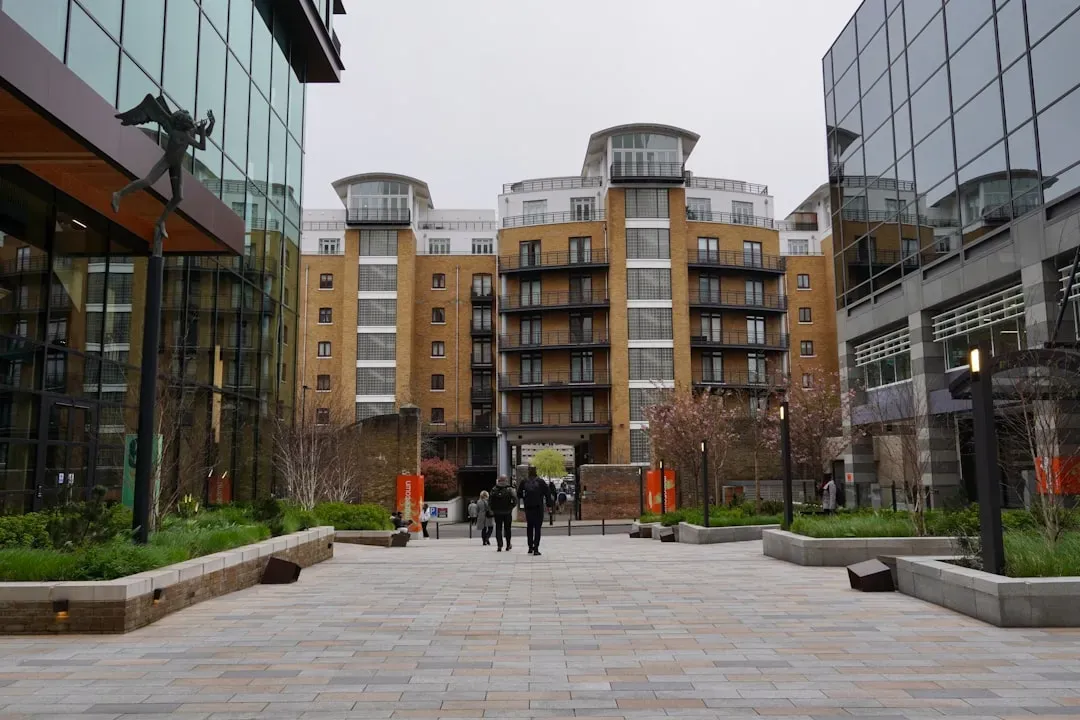
One increasingly popular trend has been to redesign malls as town centers, recalling a time when such commercial districts were the heart and soul of a community. Mall-to-town center retrofits are emerging throughout the nation, especially in suburban communities, where pedestrian-friendly, mixed-use environments are highly attractive to millennials now raising families.
One 2024 analysis outlines how many mall-to-mixed-use redevelopments strive to become “15-minute neighborhoods,” locations where residents can reach housing, dining, retail, entertainment, and transit in short walking or transit time. That concept is brilliant in its simplicity. Everything you need, without a car.
The redevelopment of Lakeside Mall into Lakeside Town Center, a $1 billion project featuring homes, offices, and retail, is a prime example of this shift. That’s not a renovation. That’s a total reinvention of what a piece of suburban land can be. Over in California, the Westminster City Council approved a sweeping plan for the Westminster Mall to be converted into a mixed-use development offering up to 3,000 residential units, at least 600,000 square feet of retail space, up to 425 hotel units, and 17 acres of public open spaces.
Partner offer
Schools, Clinics, and Government Offices Move In
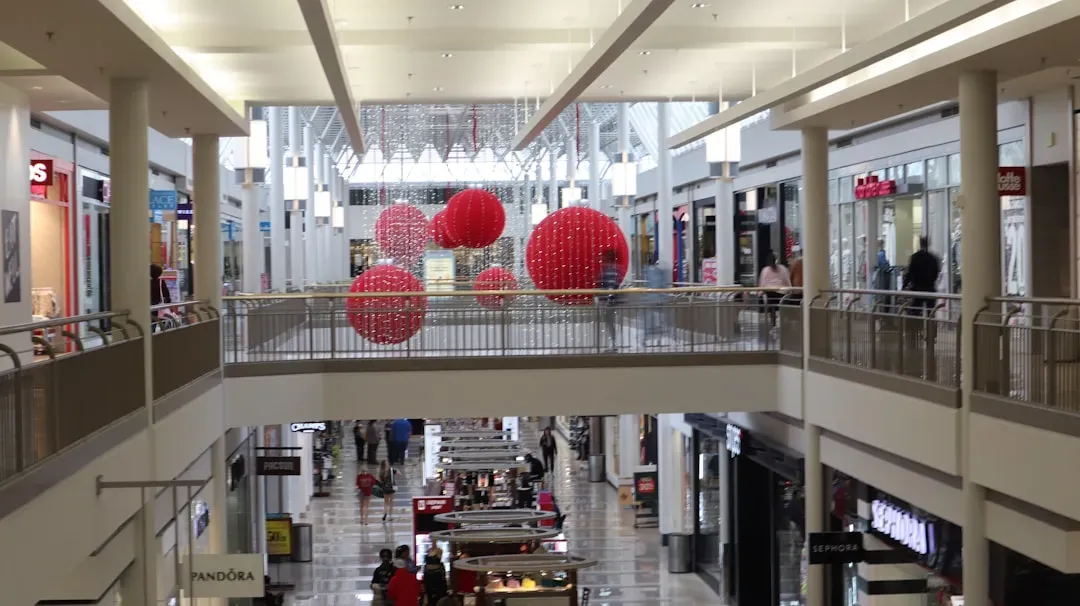
Not every dead mall becomes an apartment complex. Some are finding a second life as something far more essential to their communities. Malls closing traditional stores are repurposing spaces for healthcare clinics, fitness centers, and educational facilities. I think this is one of the most underreported angles of the whole story.
UT Southwestern Medical Center at RedBird is an anchor tenant at The Shops at RedBird in southern Dallas, repurposing a former Sears department store as a haven for healing. A new courtyard cuts into the building’s boxy facade, bringing light and greenery into an outpatient primary care and specialty clinic that provides infusion therapy, advanced imaging, cardiology, neurology, and primary care.
Some abandoned malls are being converted into educational institutions such as community colleges or vocational training centers. These former retail spaces offer ample room for classrooms, labs, and administrative offices. Another benefit is that they’re usually centrally located, making them easy for off-campus students to get to. In neighborhoods long underserved by both healthcare and education, that’s genuinely life-changing.
Data Centers and Digital Infrastructure Take Over
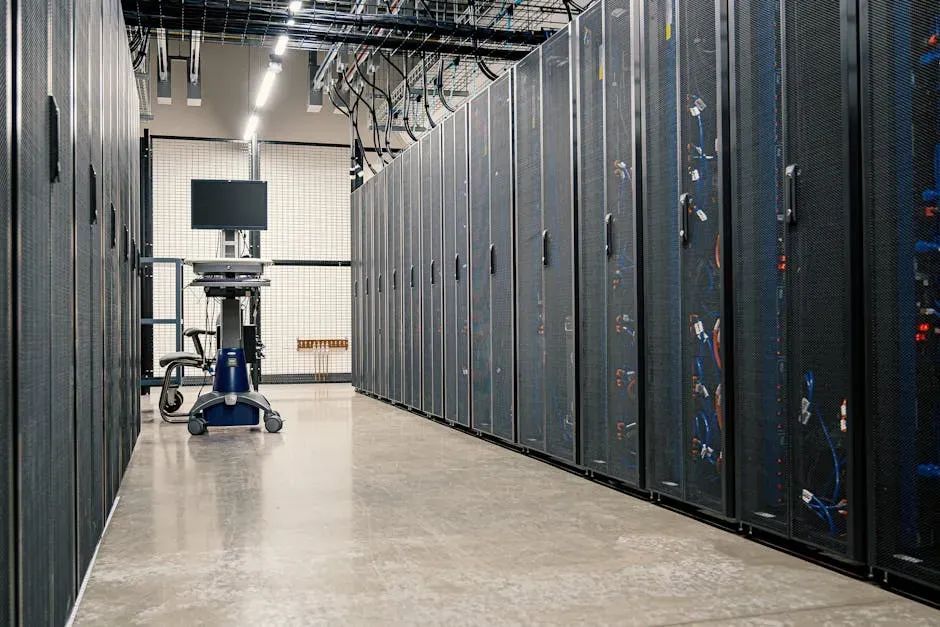
This one is harder to visualize but it’s happening at real scale. Old mall buildings, with their enormous square footage, climate-controlled interiors, and robust electrical infrastructure, turn out to be surprisingly ideal for a completely different kind of tenant. These large, climate-controlled buildings are perfect for housing servers and networking equipment. This adaptive reuse of space provides a secure and efficient environment for data processing and helps bring jobs to the local area.
Plans were recently approved to turn a former mall in Maryland into a sprawling data center complex with 4.1 million square feet of potential space. Think about that for a second. A place that once sold sneakers and soft pretzels is now being prepared to power large chunks of the internet.
As artificial intelligence advances, more retail spaces may be converted to meet the growing demand for automation technology. It’s a strange but logical evolution. The infrastructure already exists; it just needs reprogramming for the digital age.
Entertainment Hubs and the Experience Economy
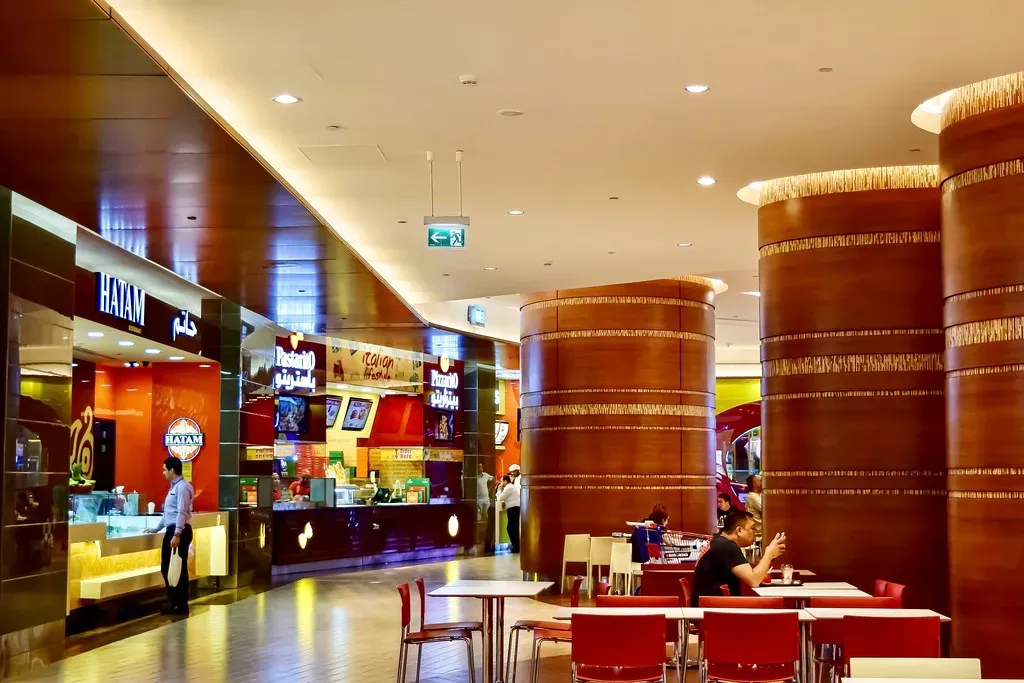
Experiential retail is reshaping shopping malls in 2024 into destinations that offer much more than traditional shopping. These malls are now spaces where shopping, entertainment, and social interaction converge. Honestly, this is where it gets fun to watch. Some of the ideas landing in old mall spaces are wildly creative.
Burnsville Center in Minnesota is adding a skate park, an Asian-themed food hall, and a small zoo, while Lakeside Mall in Sterling Heights, Michigan, is being redeveloped into Lakeside Town Center, a mixed-use destination with residences, offices, parks, restaurants, and retail. A small zoo inside a former mall is not something anyone predicted a decade ago.
For the 2024 holiday season, mall visits were ahead of retailers. People were going to malls for reasons other than shopping, including seasonal events, restaurants, and movie theaters. The shift in intent is everything here. People don’t want to just buy things anymore. They want to do things, feel things, and share experiences. Malls that understand that are genuinely thriving.
Parks, Green Spaces, and the Public Demand for Community
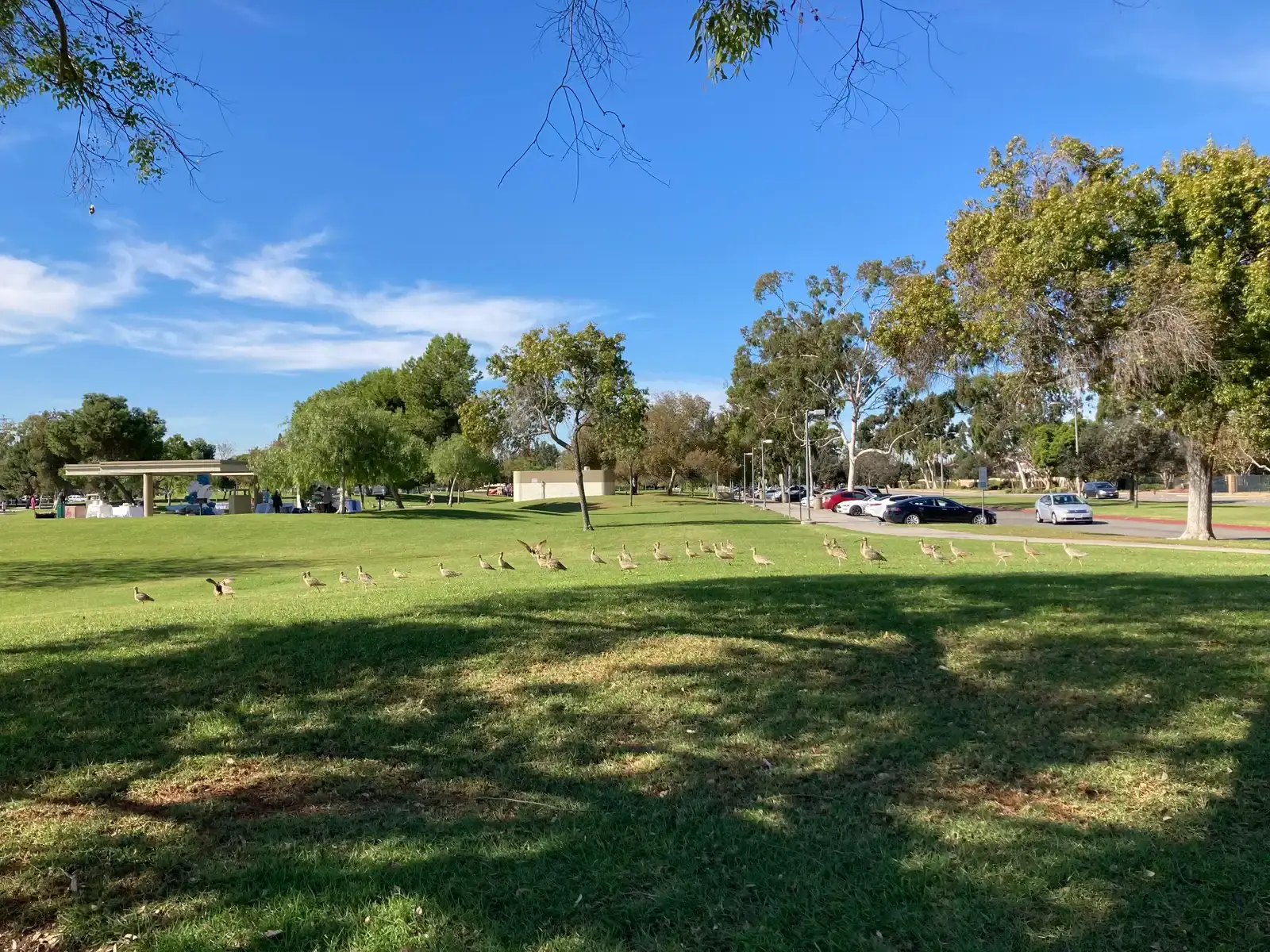
Perhaps the most emotionally resonant replacement trend is the simplest. Some communities are turning dead malls into green space. Actual grass, trees, playgrounds, walking trails where parking lots used to be. A $24.7 million city-led project in Glendale, California, will transform a former 2.3-acre closed retail site into a public park. In June 2025, the city council approved the land purchase, making way for planning efforts to convert the former retail site and attached parking lot into a neighborhood park.
Planned improvements will include converting the asphalt into picnic lawns, playgrounds, and shaded walking paths. The current structure will be repurposed for indoor recreation with public restrooms and community space. In cities starved for public gathering places, this is exactly what residents are asking for.
Many new community housing hubs, built around what was once a shopping site, now have fitness centers, health services, co-working spaces, dining clusters, and even hospitality or light industrial uses located nearby. The increasingly common mix is resulting in long-term economic resilience, suggesting that outdated malls may be on the cusp of their most impactful reinvention yet. The mall never had to be a monument to consumption. It always had the potential to be something more human than that.
Conclusion: An Era Ends, Something Better Begins
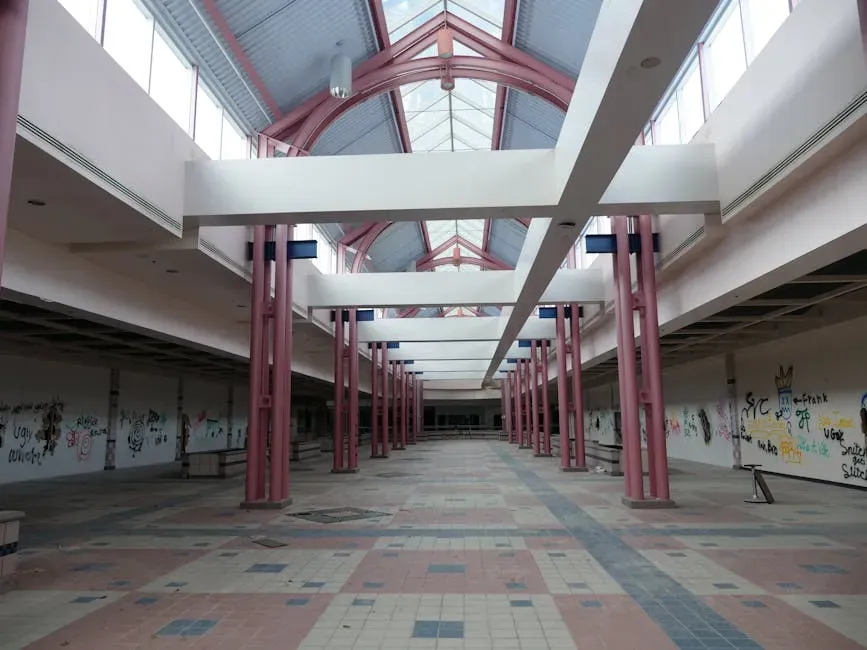
The death of the mall is real. The data is clear, the empty corridors are real, and the economic pressure on mid-tier properties is relentless. How America handles the decline of malls determines not merely the fate of abandoned atriums, but the shape of American neighborhoods to come. That’s not an overstatement. These are large, central, well-located pieces of land sitting in the heart of communities that need housing, healthcare, parks, and connection.
Malls are likely “the most active asset class being redeveloped in the current real estate market,” according to StoneCreek Partners, a Las Vegas-based real estate advisory firm that tracks about 150 shopping malls in various stages of redevelopment. They have found that the dominant redevelopment concept works around “20-minute communities,” developments that replace mall properties with walkable, mixed-use communities that include housing, entertainment, restaurants, public space, retail, and education and health centers.
There’s something almost poetic about it. The same giant concrete shells that once sold us things we didn’t need are now being reimagined as the places we actually want to live in, heal in, learn in, and gather in. The mall isn’t really dead. It’s just finally becoming what a community space was always meant to be. What do you think about it? Tell us in the comments.
Partner offer
Planning a trip to Vegas?
Compare hotel rates and show tickets on VEGAS.com.