Every writer who has ever sealed an envelope or hit send on a query letter knows the particular sting of a form rejection. What most readers never see, though, is how many times a manuscript can be turned away before it lands on the right desk. Twelve seems like a modest number compared to some of the horror stories floating around publishing circles, yet it belongs to one of the most famous books ever written.
The story behind that dozen rejections is often repeated so casually that it has almost become folklore, but it is far from the only case of persistence paying off. Looking closely at a handful of debut novels that faced serious pushback before finding a home reveals a pattern: rejection rarely predicts quality, and the gap between a form letter and a bestseller can be surprisingly thin.
Harry Potter and the Philosopher’s Stone, J.K. Rowling

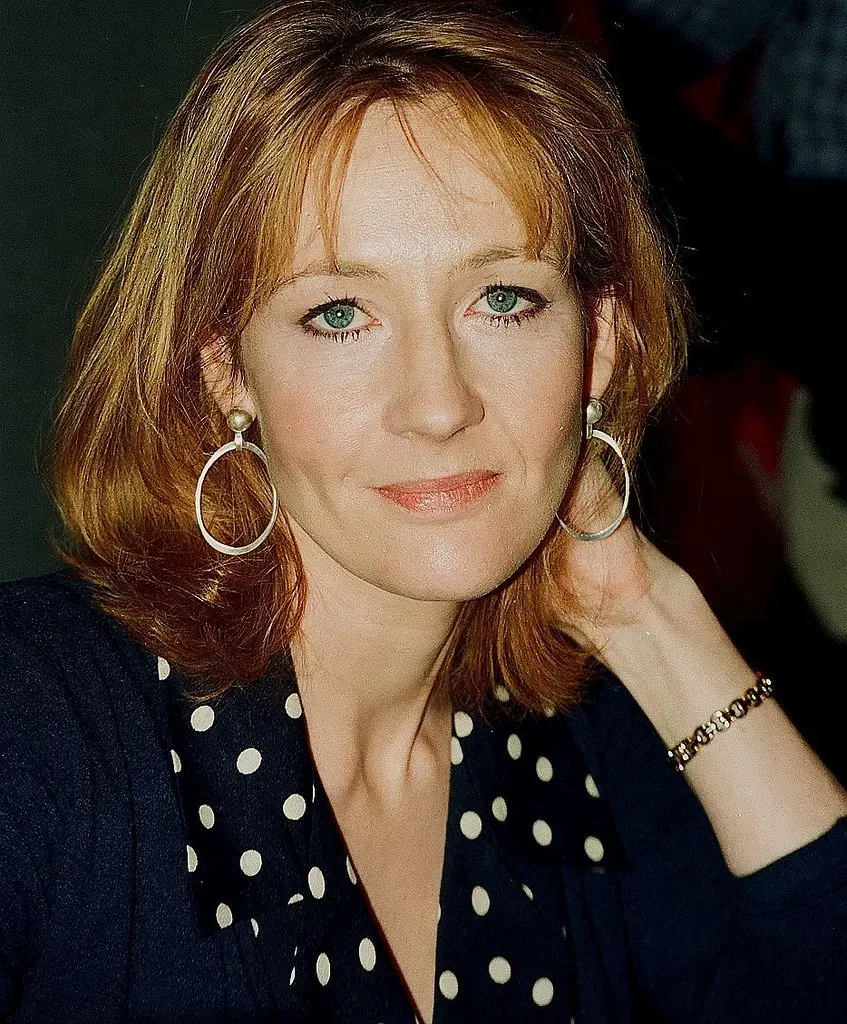
Harry Potter and the Philosopher’s Stone was rejected by a dozen publishers, including big names like Penguin and HarperCollins, before a small London publisher called Bloomsbury took it on, reportedly at the urging of the CEO’s eight year old daughter. At the time, Rowling was a single mother living on welfare in Edinburgh, writing in cafes while her baby daughter slept beside her in a pram. The reasons for rejection were consistent across publishers.
Twelve publishers said no, and the reasons given were remarkably similar: too long for a children’s book, too complex, not suitable for the target audience, with one publisher reportedly returning the manuscript without reading it at all. Bloomsbury’s editor Barry Cunningham had recently decided to take a chance on the book after it had been rejected by twelve other publishers. The initial print run was famously modest, a detail that makes the book’s later success even harder to square with its early reception.
Carrie, Stephen King

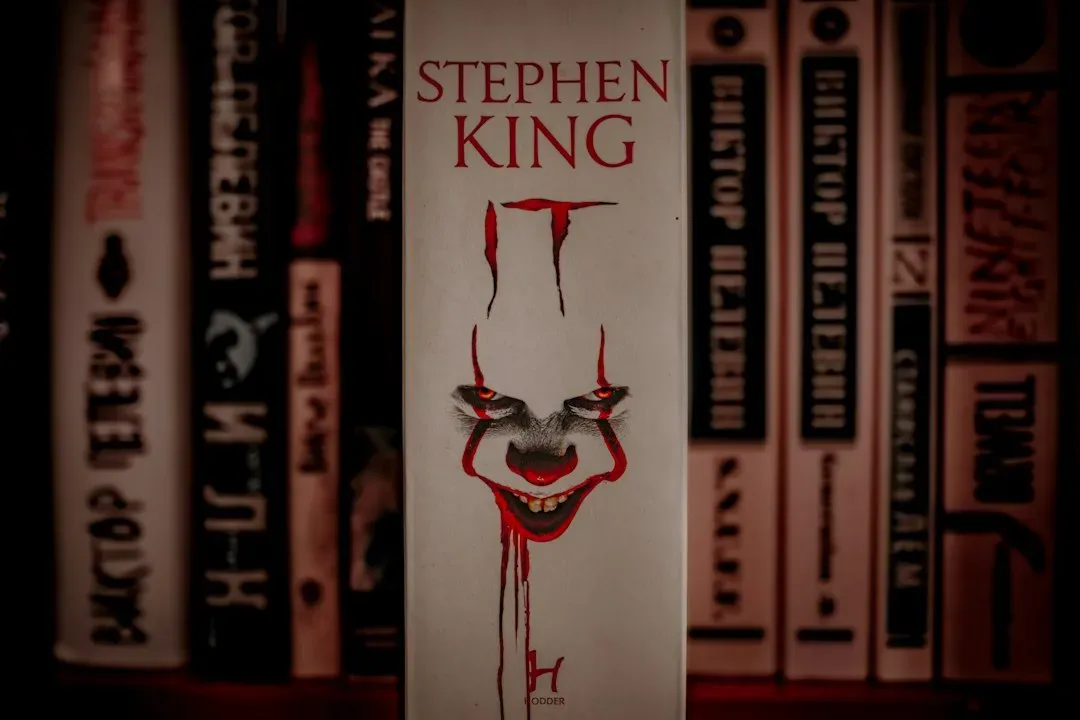
Stephen King had already published a number of shorter works when he wrote and attempted to publish his first novel, Carrie, which was rejected by 30 publishers before it was accepted. One rejection, often quoted in lists of publishing history’s worst calls, apparently dismissed the book on genre grounds rather than on the writing itself. King has spoken about keeping the rejection slips as a reminder of how close the book came to never reaching shelves.
What makes the Carrie story instructive is not just the number of rejections but the fact that King nearly abandoned the manuscript entirely before his wife encouraged him to keep pushing it forward. The novel eventually became the launching point for one of the most prolific careers in modern fiction. It is a reminder that persistence sometimes matters as much as talent when a manuscript is circulating.
The Time Traveler’s Wife, Audrey Niffenegger


Audrey Niffenegger submitted her book The Time Traveler’s Wife to 25 agents before finding representation willing to champion the unconventional structure of the story. The novel blends science fiction with domestic drama in a way that likely made it harder for early readers to categorize, which may explain some of the hesitation from agents unsure how to pitch it to editors.
Once it found the right agent, the book moved relatively quickly toward publication and went on to become a major bestseller, later adapted into both a film and a television series. The gap between two dozen rejections and eventual mainstream success illustrates how much of publishing comes down to finding one reader who understands what a book is actually trying to do.
A Naked Singularity, Sergio de la Pava

Sergio de la Pava’s debut novel A Naked Singularity was rejected by almost 90 agents before he decided to self publish it. The book is dense and unconventional, running well over 600 pages, which likely made it a tough sell for agents looking for something easier to place with a mainstream house.
His wife eventually brought the self published book to the attention of a writer who showed it to a University of Chicago Press editor, and the press published it, going on to win the PEN or Robert W Bingham prize for debut fiction in 2013. Few stories in recent publishing history capture the slow burn of literary recognition quite like this one, where the eventual prize came years after the manuscript had already been given up on by dozens of agents.
The Basic Eight, Daniel Handler


Daniel Handler’s debut novel, The Basic Eight, was rejected 37 times before finding a publisher. The book, a dark satire about teenage cliques and violence, did not immediately fit the tone editors were expecting from a young novelist at the time.
Only a year after that string of rejections, Handler reinvented himself as Lemony Snicket, and the books in A Series of Unfortunate Events went on to sell roughly 65 million copies. The turnaround from three dozen rejections to one of the best selling children’s series of the era happened faster than almost anyone in publishing could have predicted.
John Crow’s Devil, Marlon James


Marlon James, who later won the Man Booker Prize, told the BBC he almost gave up writing after his first novel was rejected nearly 80 times. He has said the rejections led him to destroy the manuscript entirely, even going onto friends’ computers to erase copies of it.
Fortunately, he was able to recover the text later by searching through old emails, and John Crow’s Devil eventually found a publisher despite the earlier discouragement. James has reflected that there was a period when he genuinely believed he was writing the kind of stories nobody wanted to read. The book’s eventual publication set the stage for a career that would later earn one of literary fiction’s highest honors.
Zen and the Art of Motorcycle Maintenance, Robert Pirsig


Robert Maynard Pirsig holds a Guinness World Record for the most rejections received by a bestselling book, with Zen and the Art of Motorcycle Maintenance turned down 121 times. The philosophical structure of the book, part memoir and part meditation on quality and craftsmanship, did not fit neatly into any existing category publishers were used to marketing.
Despite the overwhelming number of rejections, the book eventually found a home and became a touchstone work in American nonfiction adjacent literature, still widely read and discussed decades later. Pirsig’s persistence through more than a hundred rejections remains one of the most extreme examples in the record books.
Eddie’s Bastard, William Kowalski

William Kowalski’s debut novel Eddie’s Bastard was rejected 79 times, and as the author has told it himself, the book went on to become an international bestseller after finally finding a publisher. The story follows an orphaned boy in rural New York and drew on a distinctly American voice that apparently took time for publishers to warm to.
Kowalski’s experience mirrors several others on this list, where the number of rejections seems almost inversely related to the eventual scale of success. It stands as a reminder that a manuscript’s commercial ceiling is rarely visible to the people rejecting it early on.
The Border of Paradise, Esmé Weijun Wang

Esmé Weijun Wang’s debut novel The Border of Paradise was rejected 41 times from publishers, though the setback did not stop it from later landing her on Granta’s list of the best young American novelists. The novel deals with intergenerational trauma and mental illness within a Taiwanese American family, subject matter that may have felt like a harder sell to publishers wary of niche literary fiction.
The recognition that followed publication suggests the rejections had more to do with market hesitation than with the quality of the writing itself. Wang’s case is a useful counterpoint to the idea that rejection numbers alone say much about a book’s eventual critical reception.
MASH, Richard Hooker


After 21 rejections, Richard Hornberger switched to the pseudonym Richard Hooker, and his debut novel became a phenomenal publishing success, eventually spawning an Oscar winning film adaptation and one of the most watched television shows in history. The comic wartime novel, based loosely on Hornberger’s own experience as an army surgeon, took years to find the right editorial home.
The eventual success of the book and its adaptations shows how a change in approach, in this case a new author name, can sometimes shift how a manuscript is received even without changing a word of the text itself. It remains one of the more unusual publishing turnaround stories on record.
Gone with the Wind, Margaret Mitchell

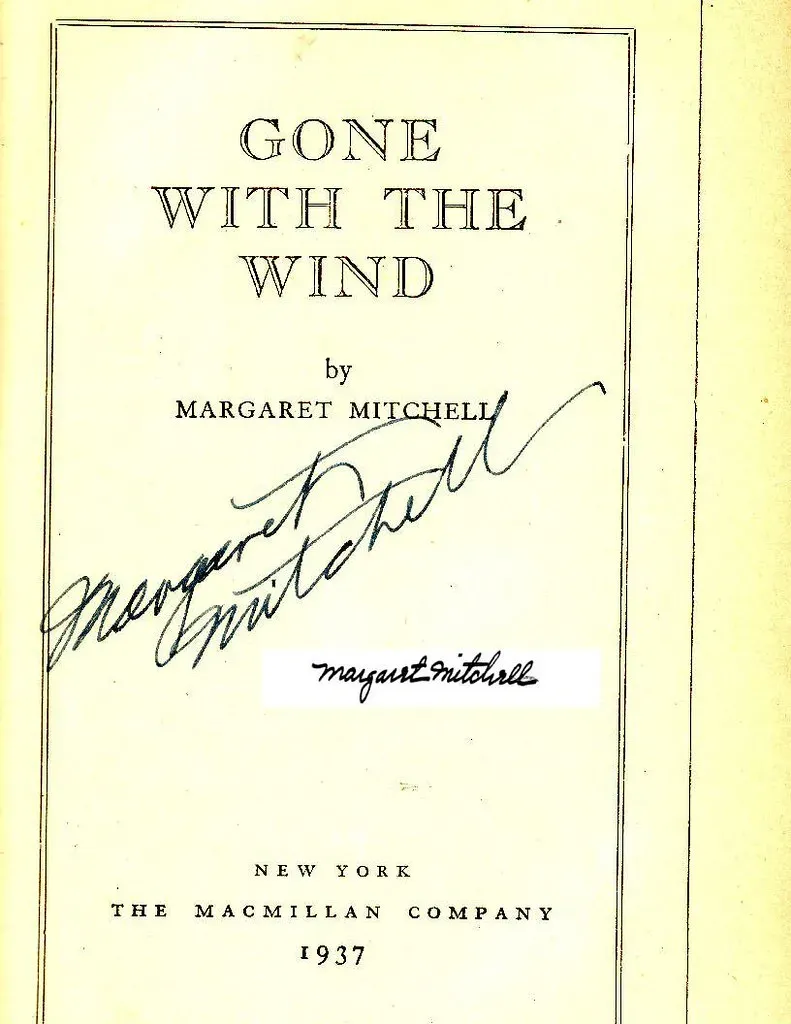
Gone with the Wind faced rejection 38 times before Margaret Mitchell finally found a publisher willing to take it on. The sprawling historical novel, set during and after the American Civil War, was a significant departure in length and ambition from what most publishers were used to handling from a first time novelist.
Once published, the book became a cultural phenomenon and later formed the basis for one of the most commercially successful films in Hollywood history. Mitchell’s decades long wait for acceptance stands as one of the clearer examples of a rejected manuscript eventually reshaping an entire era of American storytelling.
Anne of Green Gables, L.M. Montgomery


Five publishers rejected the debut novel of L.M. Montgomery, and two years after the last rejection she pulled the manuscript from a hat box and resubmitted it, at which point L.C. Page and Company agreed to publish Anne of Green Gables, a book that has since sold roughly 50 million copies. The relatively small number of rejections compared to others on this list makes the story slightly different, but the two year gap before resubmission shows how close the book came to being abandoned entirely.
Montgomery’s decision to try again after such a long pause is often cited as evidence that timing matters just as much as persistence in publishing. The book’s lasting popularity, over a century after its release, suggests the early rejections said very little about its staying power.
Twelve rejections, thirty rejections, or well over a hundred. The number itself rarely predicts what happens next once a manuscript finally reaches a publisher willing to take a chance on it. What these debut novels share is less about the specific count of no’s and more about what happened after the last one turned into a yes.