Poetry stands as one of humanity’s most intimate forms of expression. When words dance across a page in their original language, they carry rhythm, emotion, and cultural nuance that seem impossible to capture elsewhere. Yet translators take on this monumental task every day, attempting to bridge languages while preserving something far more elusive than mere meaning.
The challenge goes beyond swapping words from one tongue to another. It’s about recreating an entire emotional landscape in a completely different linguistic terrain. Let’s explore how the best translators manage to pull off this seemingly impossible feat.
The Rhythm Problem That Keeps Translators Awake

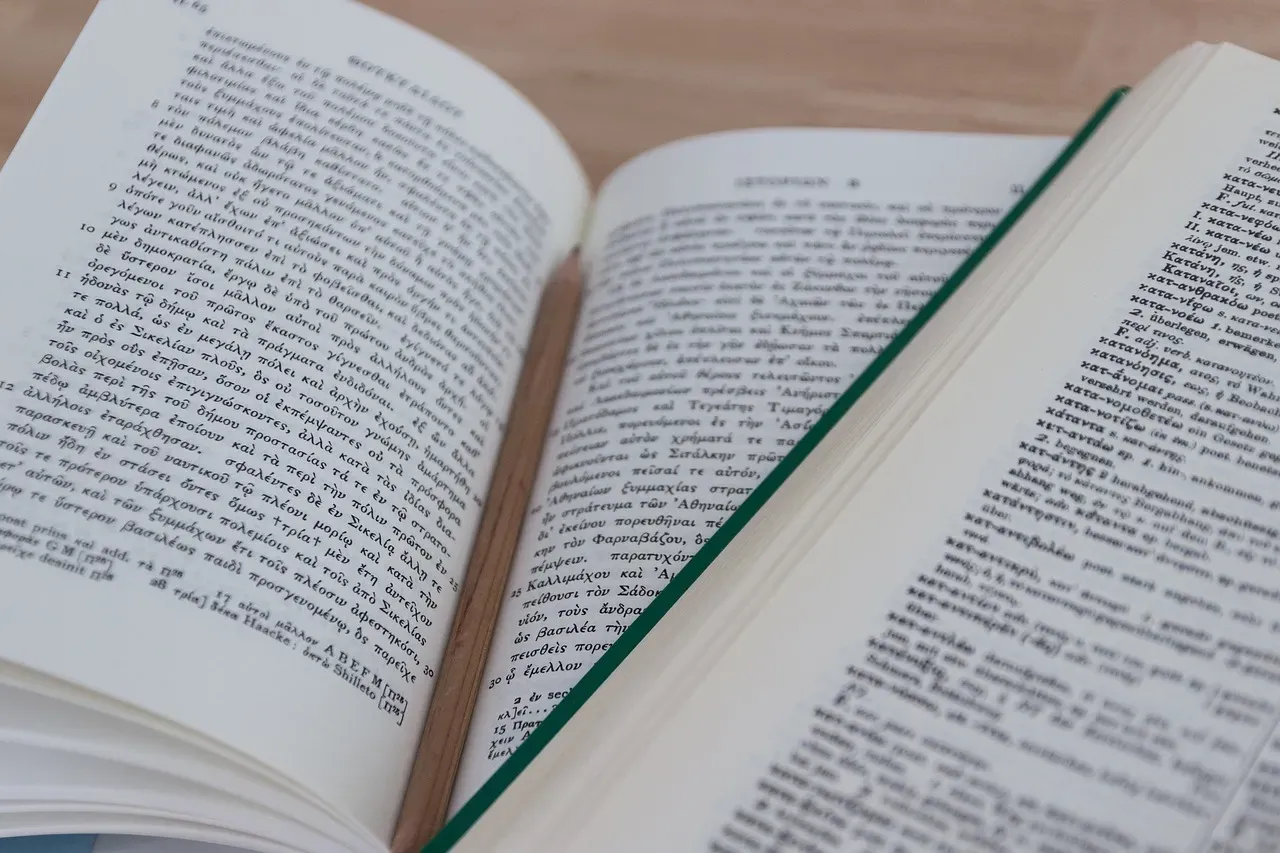
Every language has its own musical quality. Spanish flows differently than German. Japanese syllables don’t behave like English ones. When a poem depends heavily on its rhythm and meter, translators face an agonizing choice.
They can either preserve the original’s rhythmic structure and sacrifice literal meaning, or maintain precise meaning while the music dies. There’s rarely a perfect middle ground. Some translators spend months on a single stanza, testing different combinations until something clicks.
The most skilled ones develop an ear for both languages simultaneously. They hear the ghost of the original rhythm while crafting new patterns that feel natural in the target language. It’s like learning to whistle two tunes at once.
Honestly, watching a master translator work through a rhythmically complex poem is mesmerizing. The constant revision, the muttering of phrases aloud, the crossing out and starting over.
Cultural References That Don’t Cross Borders

Imagine translating a poem about cherry blossoms for readers who’ve never seen them. The entire weight of Japanese hanami culture, the fleeting beauty symbolism, the centuries of poetic tradition vanishes if you just write “pink flowers.”
Translators must decide whether to explain, substitute, or leave the reference intact and hope context carries it. Each choice transforms the poem in fundamental ways. A footnote might preserve accuracy but shatters the reading experience.
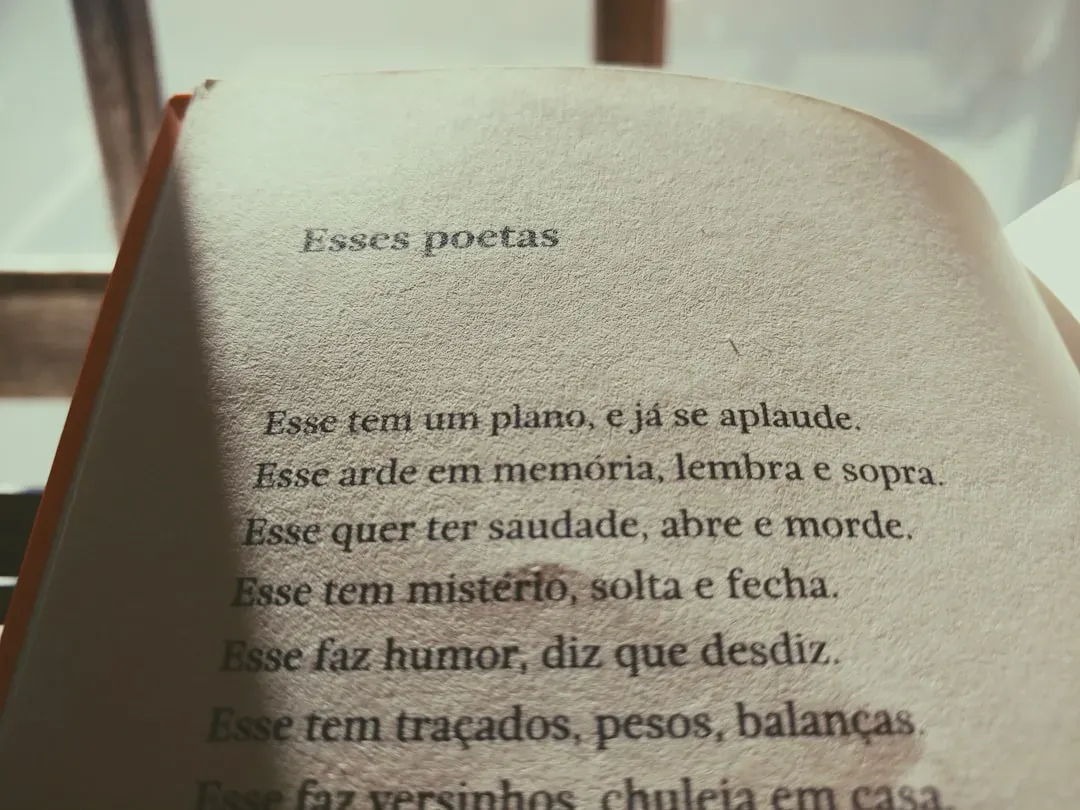
Some cultural concepts simply lack equivalents. The Portuguese “saudade” famously resists translation. When it appears in poetry, translators resort to approximations like “longing” or “nostalgia,” but something essential evaporates in the transfer.
I think the bravest translators sometimes invent new phrases or compound words to capture these untranslatable concepts. They’re essentially expanding the target language to accommodate foreign emotional territory.
When Wordplay Makes Translation Nearly Impossible

Puns, double meanings, and clever phonetic games create absolute nightmares for translators. A poem that works through brilliant wordplay in French might become completely flat in English if translated literally.
Consider how many poems play with homophones or words that sound alike. These accidents of language rarely survive the journey to another tongue. The translator must either abandon the wordplay entirely or completely reimagine the line with different words that create a similar effect.
Some translators argue that heavily wordplay-dependent poetry shouldn’t be translated at all. Others see it as the ultimate creative challenge. The result often bears little resemblance to the original’s exact words but might capture its playful spirit.
It’s hard to say for sure, but perhaps these “impossible” poems actually push translation into higher art forms. They force translators to become poets themselves rather than mere conduits.
The Impossible Choice Between Sound and Sense

Every poem exists as both meaning and music. Its sounds matter as much as its semantic content. Translators constantly negotiate between these two masters, and one usually loses.
Take alliteration or assonance. A line that hisses with repeated ‘s’ sounds in Russian might require completely different words in Italian to maintain that sonic texture. Yet those different words shift the meaning, sometimes dramatically.
The most literal translations often read like instruction manuals, technically accurate but emotionally dead. Meanwhile, translations that prioritize beauty and flow sometimes drift far from the original’s intended message. There’s no winning this game.
Great translators develop a sixth sense for when to prioritize sound over sense and vice versa. Different moments in a poem demand different sacrifices.
Form Versus Freedom in Translation
Should a sonnet remain a sonnet? Must a haiku keep its syllable count? Translators wage quiet wars over these questions in literary journals and academic conferences.
Strict formalists argue that abandoning the original structure betrays the poet’s intentions. Free translators counter that forcing content into incompatible formal constraints produces awkward, unnatural results. Both sides have compelling points.
Some languages make certain poetic forms easier than others. Italian naturally lends itself to rhyme due to its vowel-heavy structure. English offers more flexibility with stress patterns. A form that flows effortlessly in one language might feel forced in another.
The question becomes whether the form itself carries meaning. Sometimes the strict structure represents constraint, discipline, or tradition that the content plays against. Losing that tension fundamentally alters the poem’s impact.
The Translator’s Invisible Presence

Here’s the thing about translation: the best ones make you forget you’re reading a translation. Yet the translator’s choices shape every word you encounter. They’re simultaneously invisible and omnipresent.
Different translators working on the same poem produce wildly different results. Each brings their own sensibilities, biases, and creative instincts to the work. Some favor accuracy, others elegance. Some modernize archaic language, others preserve it.
Readers often don’t realize they’re experiencing a specific translator’s interpretation rather than the “real” poem. In truth, unless you read the original language, you’re always experiencing someone else’s creative reimagining.
This raises uncomfortable questions about authorship and authenticity. At what point does a translation become a new poem inspired by the original rather than the original itself?
Lost and Found in Translation

Translation isn’t purely about loss. Sometimes the process reveals hidden dimensions of a poem that even native speakers miss. The act of wrestling with another language can illuminate aspects of the original that familiarity obscures.
A skilled translator notices patterns, echoes, and structures that casual readers overlook. They must understand the poem more deeply than almost anyone to successfully recreate it. This intensive analysis often uncovers layers the poet themselves might not have consciously intended.
Additionally, poems sometimes gain new resonances in their target language. A phrase that seemed ordinary in the original might suddenly shine with unexpected power in translation. The linguistic shift creates accidental brilliance.
Let’s be real: no translation perfectly replicates the original. Yet the best ones create something valuable in their own right, a parallel work of art that honors the source while standing independently.
Technology Meets Poetry Translation
Machine translation has made stunning advances in recent years. AI can now produce remarkably coherent prose translations. Poetry, though, remains largely beyond its capabilities.
The problem isn’t just technical sophistication. It’s that poetry requires aesthetic judgment, cultural intuition, and emotional intelligence that machines don’t possess. An algorithm can match words but can’t feel whether a line lands with the right weight.
Some translators experiment with AI as a first-draft tool, letting computers handle the initial heavy lifting before human revision. Others reject this approach entirely, viewing it as a corruption of the craft’s essential humanity.
The vast majority of AI-generated poetry translations still read hollow and awkward. They might approximate meaning but lack the indefinable quality that makes a translation sing. Technology helps with research and reference, yet the actual translation still demands a human soul.
Final Thoughts on an Impossible Art
Poetry translation will never be perfected because perfection isn’t really the point. Each generation needs its own translations, reflecting contemporary sensibilities and evolving language.
The art survives precisely because it’s impossible. That impossibility attracts devoted practitioners who dedicate themselves to bridging the unbridgeable. Their work ensures that humanity’s poetic heritage remains accessible across linguistic boundaries.
We should celebrate translators as artists in their own right rather than invisible servants of original texts. Their creative labor enriches global literature immeasurably. Without them, we’d be trapped within our linguistic borders, isolated from the vast majority of human expression.
What’s your take on reading poetry in translation versus struggling through the original with limited language skills? Sometimes the “inferior” translation offers more than imperfect comprehension.