Most people hear “Las Vegas” and picture poker tables and neon lights. What they don’t picture is someone sitting in a sunlit apartment, finishing a client call with a mountain view out the window and no state income tax eating into their paycheck. That picture, increasingly, is exactly what’s happening. Las Vegas has quietly evolved into one of the more compelling home bases for remote workers in the American West, and the city’s neighborhoods each tell a different story about what that life actually looks and feels like.
Why Las Vegas Makes Financial Sense for Remote Workers

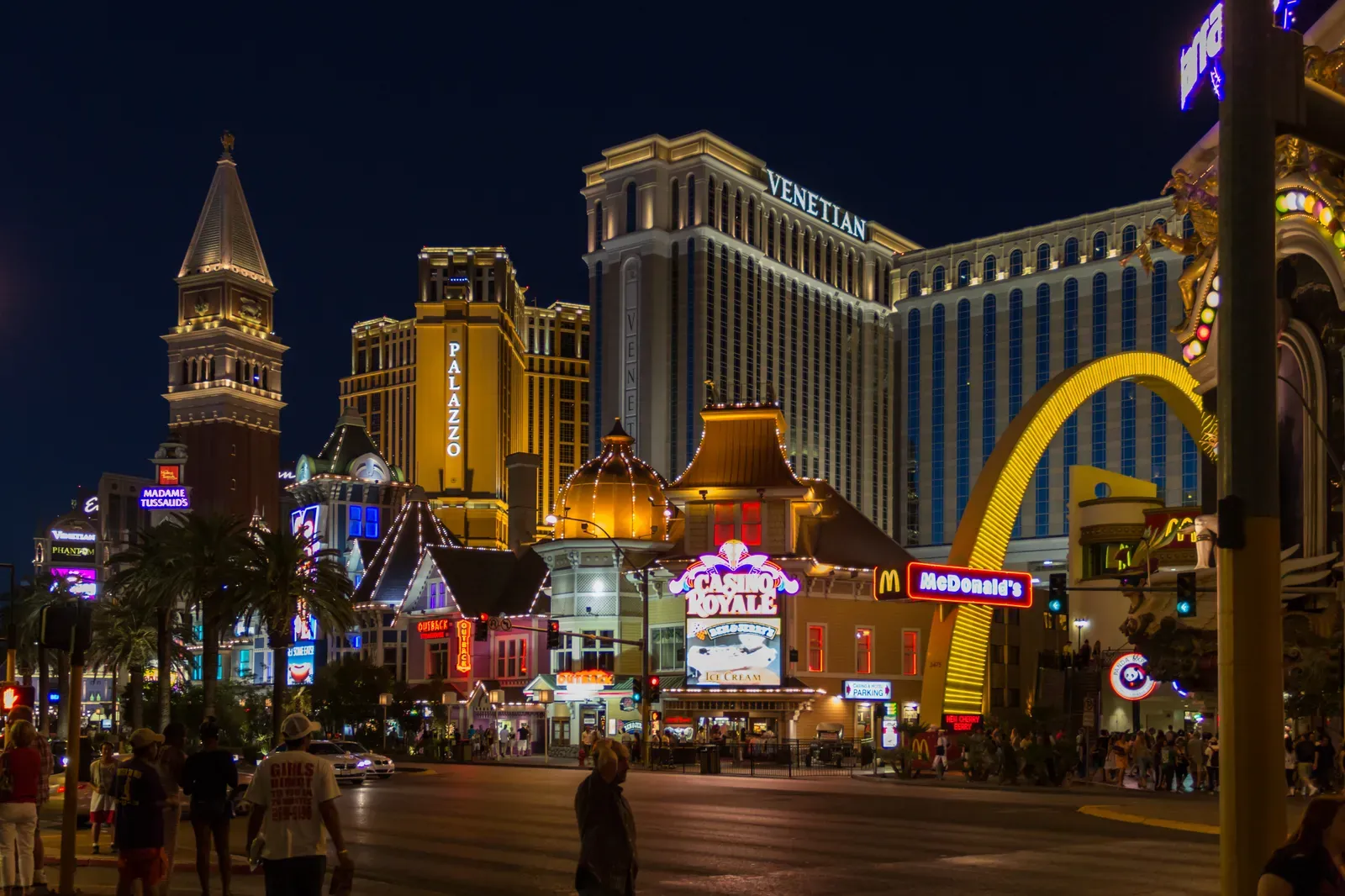
The most immediate and practical reason digital nomads are drawn to Las Vegas is the tax structure. Nevada has no state income tax, which means remote workers and freelancers keep more of what they earn without making any lifestyle sacrifices. For someone earning a solid remote income, that difference adds up to thousands of dollars annually compared to working from California or New York.
While major tech hubs like San Francisco and New York come with sky-high rent, Las Vegas remains one of the most affordable metro areas in the U.S., with the average rent for a one-bedroom apartment around $1,450 – significantly lower than Los Angeles at $2,300 or Austin at $1,800. The overall cost of living sits roughly three to five percent below the national average, depending on how you choose to live. That gap gives remote workers real breathing room: more money for travel, savings, or simply enjoying the city without financial stress hanging over every decision.
Internet Reliability and Connectivity Across the City


Las Vegas balances entertainment density with solid internet infrastructure, registering internet speeds of 439.1 Mbps in recent analyses of top U.S. digital nomad cities. Fiber connectivity is available in several neighborhoods, and most coworking spaces across the city offer enterprise-grade Wi-Fi as a baseline, not a premium add-on. Most Las Vegas coworking spaces include high-speed internet, private phone booths, comfortable lounges, bike storage, and complimentary coffee to keep you productive throughout the day.
Connectivity in residential areas is generally reliable, though speeds can vary block by block depending on the provider and infrastructure age. Neighborhoods like Summerlin and Henderson tend to have newer residential builds with better fiber penetration. If a rock-solid connection is non-negotiable for your work, confirming provider availability before committing to a lease is always worth the extra step.
Summerlin: The Polished Suburban Option for Focused Work

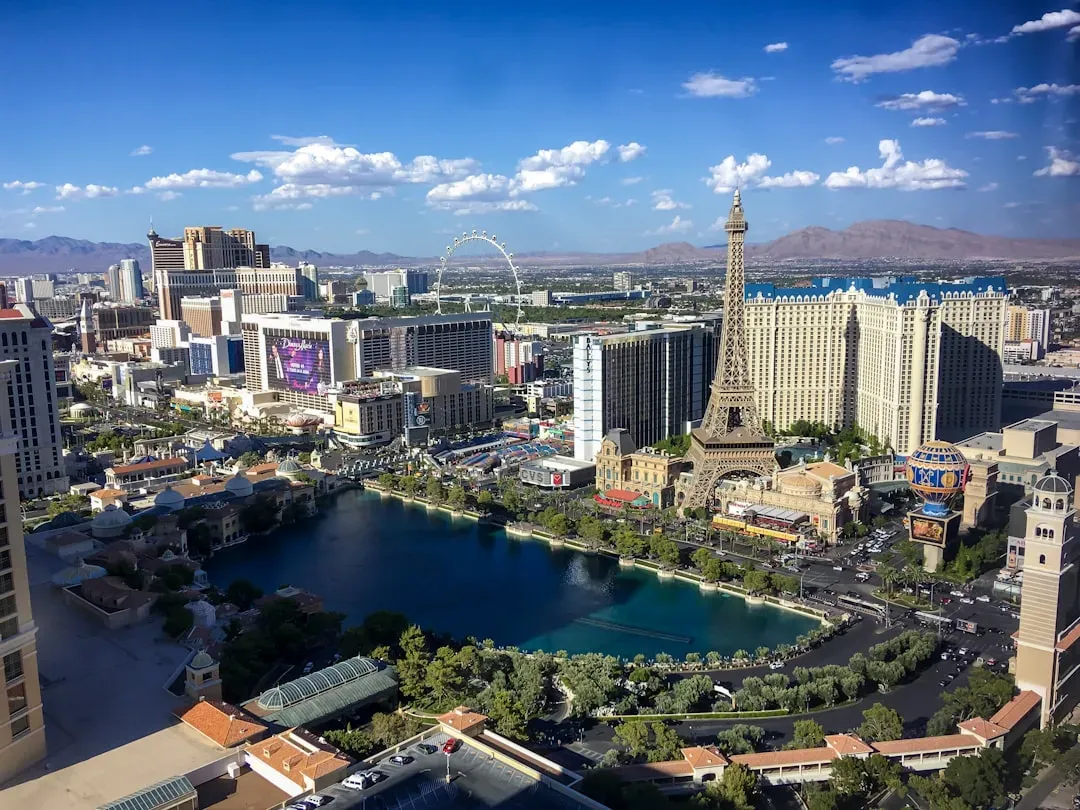
Nestled against the red rocks on the western edge of the Las Vegas Valley, Summerlin is a master-planned community that delivers on its promise of resort-style living, with about 125,000 residents spread across more than 25 distinct villages. It’s probably the neighborhood that comes up most often when remote workers ask where to base themselves, and for good reason. The combination of well-maintained streets, abundant parks, and access to quality cafes creates a day-to-day rhythm that feels genuinely productive rather than chaotic.
The Coop, situated in the Summerlin area, is a modern coworking space built to allow small business owners to share office amenities and work more efficiently, and it fosters an atmosphere of community, connectivity, and collaboration, offering clean and bright spaces, fiber connectivity, access to modern conference rooms, and a breakout area with locally roasted coffee. Temperature-wise, Summerlin runs about five to seven degrees cooler than the rest of the valley because of its elevation – a detail that matters a great deal during Las Vegas summers. Two-bedroom rentals in Summerlin average around $1,950 per month, driven by premium amenities and consistent tenant demand.
Downtown Las Vegas: Creative Energy and Coworking Culture


Las Vegas has evolved into a growing hub for startups, creatives, and remote professionals, and coworking space in Las Vegas reflects that momentum. Downtown is the beating heart of that evolution. The Fremont East district in particular has attracted a wave of independent cafes, art studios, and shared workspaces that give the area a character quite different from the resort-heavy Strip corridor. It’s the kind of neighborhood where you’ll find yourself grabbing coffee next to a UX designer and a music producer at the same time.
Work in Progress is found in the heart of downtown Las Vegas, serving as a hub for a diverse group of startups, entrepreneurs, and freelancers, offering unique coworking areas, private offices, phone rooms, and meeting rooms. Coworking options are available in Downtown Las Vegas and the Innovation District, Fremont East, Summerlin, and Henderson, giving downtown-based nomads plenty of variety without needing to travel far. Rent in the downtown core tends to come in on the lower end of the city average, which means more budget for experiences rather than just a roof over your head.
Partner offer

Henderson: Calm, Safe, and Seriously Underrated


Henderson offers a more relaxed, family-oriented atmosphere with emphasis on safety, excellent schools, and practical amenities, and it consistently ranks among America’s safest cities. For remote workers who want a quieter backdrop for their workday – the kind where you can actually hear yourself think – Henderson delivers that without feeling sleepy or isolated. It’s a proper city, not a suburb that forgot to grow up.
Located to the southeast of the Strip, Henderson is Nevada’s second-largest city with a population topping 330,000, and unlike Summerlin’s master-planned vibe, Henderson is an incorporated city complete with its own government, police force, and robust municipal services. One-bedroom units in Henderson average around $1,500 per month, reflecting the area’s strong school districts and suburban appeal. Henderson also benefits from proximity to Harry Reid International Airport and major business corridors along I-215, which is worth noting if your remote work involves any level of regular travel.
Spring Valley and the Southwest: The Underdog Neighborhood

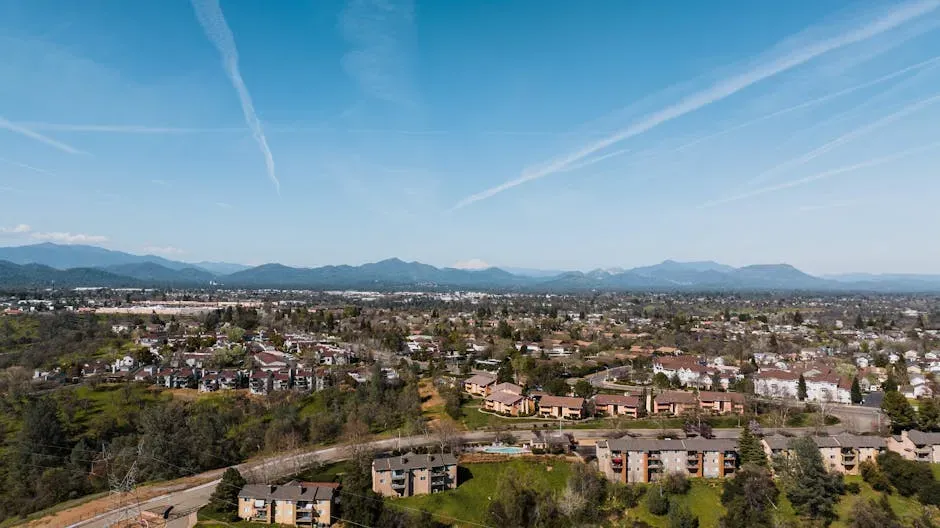
Spring Valley doesn’t get the same press as Summerlin or Henderson, but it quietly checks a lot of boxes for remote workers who want central access without premium pricing. It sits west of the Strip and south of Summerlin, giving it a genuinely useful location that keeps commutes and errand-running practical. The neighborhood has a mix of apartment complexes, residential streets, and enough coffee shops and casual work spots to support a solid working routine.
North Las Vegas and more budget-oriented neighborhoods like Spring Valley keep rents lower, with one-bedrooms averaging around $1,275 per month, making them popular choices for working-class tenants and remote workers watching their monthly overhead. The internet infrastructure in the southwest corridor is solid, and several coworking facilities sit within a short drive. It won’t offer the polished lifestyle of Summerlin, but for someone primarily focused on keeping costs down while maintaining access to the rest of the city, it’s a smarter pick than it first appears.
The Coworking Scene: What You’ll Actually Find

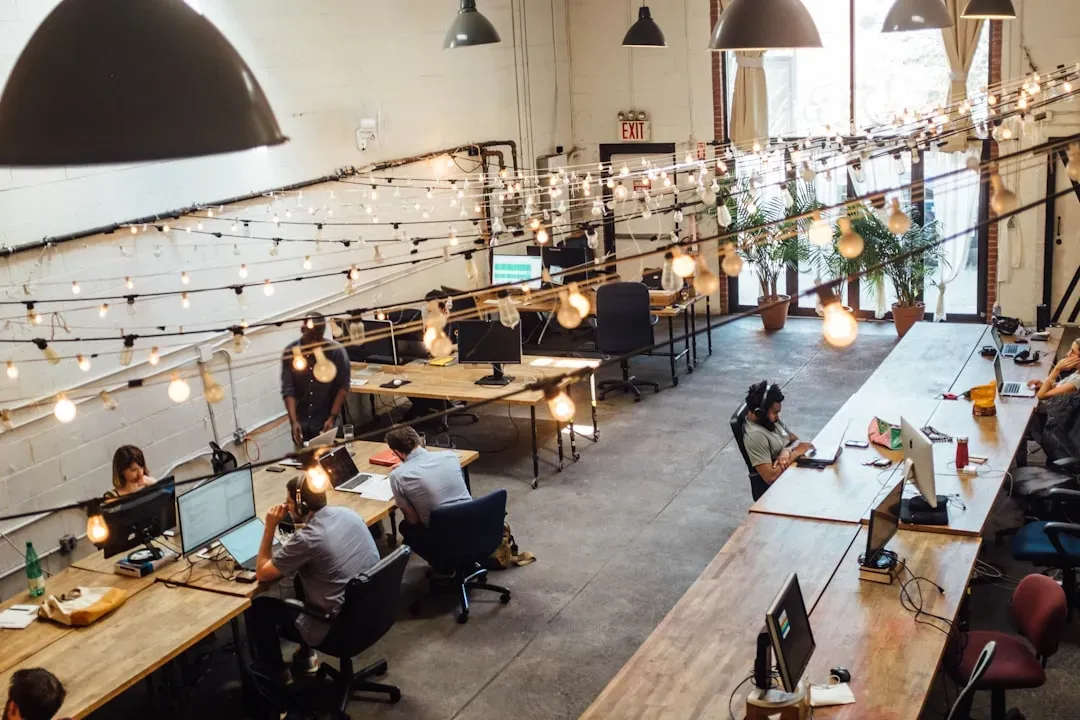
Community events and networking meetups make it easy to connect with entrepreneurs, tech professionals, and freelancers at coworking spaces spread across the metro. The scene has matured considerably, with options ranging from polished enterprise-level spaces to more casual creative hubs. In Las Vegas, coworking day passes average around $33 per day and typically include a desk, high-speed internet, and access to shared spaces. Monthly memberships vary, but there are options across most price points.
Bottega Exchange, located on South Tenaya Way, offers a non-competitive environment where professionals can work on projects and access expert learning opportunities, with spacious coworking areas, soundproof phone booths, high-tech meeting rooms, events space, and even state-of-the-art podcast equipment. The Innevation Center offers workers a large, well-lit workspace with a diverse range of room options, a lounge area, games room, lockers, kitchen, dining room, and even a zen room perfect for meditation and workday relaxation. The variety is real – this isn’t a city with two or three token coworking spots.
Lifestyle, Climate, and Getting the Balance Right
Las Vegas logs over 300 days of sunshine per year, which has a practical effect on the remote work lifestyle that’s easy to underestimate until you actually experience it. Being able to take a midday walk, work from a patio, or hit a trail between calls shifts the rhythm of a workday in meaningful ways. Las Vegas experiences a desert climate with hot summers and mild winters, with summer temperatures soaring above 100°F, while spring and fall – roughly March through May and September through November – offer comfortably mild weather ideal for exploring the city and the surrounding natural landscape.
For remote workers who love to travel, Harry Reid International Airport offers affordable flights to both domestic and international locations, with budget-friendly airlines like Southwest, Spirit, and Allegiant making getting anywhere quick and inexpensive. That access matters if your work involves occasional client visits or you simply value the ability to bounce between cities. Las Vegas is also seeing a serious rise in short-term rentals, with over 7,000 active Airbnb listings keeping up with demand from digital nomads who live out of a suitcase and a Google Calendar. The flexibility in housing arrangements mirrors the flexibility most remote workers want from their lives in general.
Las Vegas won’t suit everyone. The summers are genuinely intense, the tourist energy near the Strip takes getting used to, and the city is still building the kind of walkable urban fabric that more established metro areas take for granted. Still, for remote workers who’ve done the math and prioritized quality of life alongside financial efficiency, the case for Las Vegas is more grounded than the city’s reputation might suggest. The neon fades fast when you’re working from a quiet Summerlin apartment, paying no state income tax, and hiking Red Rock Canyon on a Tuesday afternoon.Partner offer
Planning a trip to Vegas?
Compare hotel rates and show tickets on VEGAS.com.