Cinema is, at its core, a director’s medium. Every image you’ve ever been haunted by, every scene that made you forget you were sitting in a darkened room eating overpriced popcorn, almost certainly began with one person’s singular vision. The history of film is, in many ways, a history of remarkable individuals who refused to make movies the same way everyone else did.
From golden-era masters who invented the very grammar of cinema to boundary-pushing visionaries rewriting the rules right now, the directors on this list are the reason the looks the way it does today. Some you’ll know instantly. Others might surprise you. Let’s dive in.
Alfred Hitchcock: The Man Who Invented Suspense
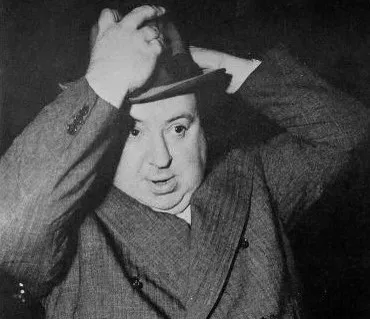
Known as the “Master of Suspense,” Alfred Hitchcock revolutionized the thriller genre, introducing audiences to psychological tension, twisted narratives, and unforgettable plot twists. With classics like Psycho (1960) and Rear Window (1954), Hitchcock turned the art of suspense into something close to a science. Honestly, it’s hard to overstate what he achieved. He essentially wrote the rulebook for tension in cinema, and filmmakers are still copying his homework to this day.
Hitchcock’s use of visual storytelling, pacing, and character development set a new standard for suspense films. He perfected the art of keeping audiences on the edge of their seats, making him one of the most influential filmmakers of all time. Hitchcock’s highly stylized and perennially influential brand of macabre cinema became the very brand that turned him into the filmmaking idol of a young Steven Spielberg. That chain of influence stretches, almost unbroken, all the way to the present day.
Stanley Kubrick: The Perfectionist Who Changed Everything
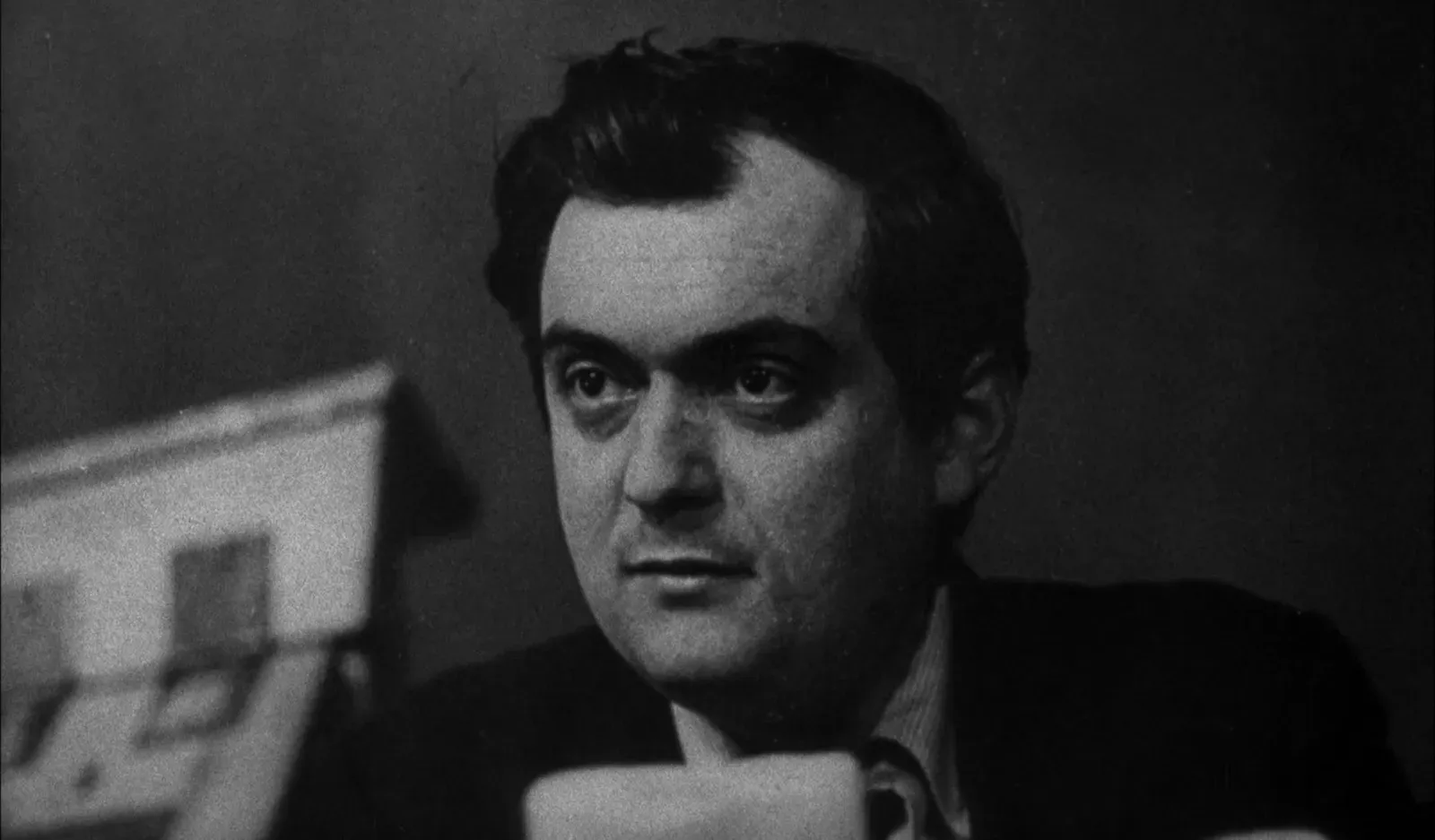
Stanley Kubrick was known for his meticulous craftsmanship, stunning visuals, and deep philosophical themes. His films, including 2001: A Space Odyssey (1968), A Clockwork Orange (1971), and The Shining (1980), are cinematic masterpieces that have shaped how filmmakers think about film as an art form. Think of him as the architect of modern cinematic perfectionism. Every frame deliberate. Every choice earned.
Kubrick had an immense influence on the likes of Martin Scorsese, Steven Spielberg, George Lucas, James Cameron, Woody Allen, Ridley Scott, Paul Thomas Anderson, and the Coen Brothers, among many others. Kubrick’s almost unprecedented ability to preserve his artistic independence and exert great control over all aspects of production earned him the respect and admiration of younger American filmmakers such as Francis Ford Coppola and Steven Spielberg, who looked to his example as an alternative to obeying the dictates of the still-powerful Hollywood studios. That independence became a model generations of directors still aspire to.
Steven Spielberg: The Architect of the Modern Blockbuster
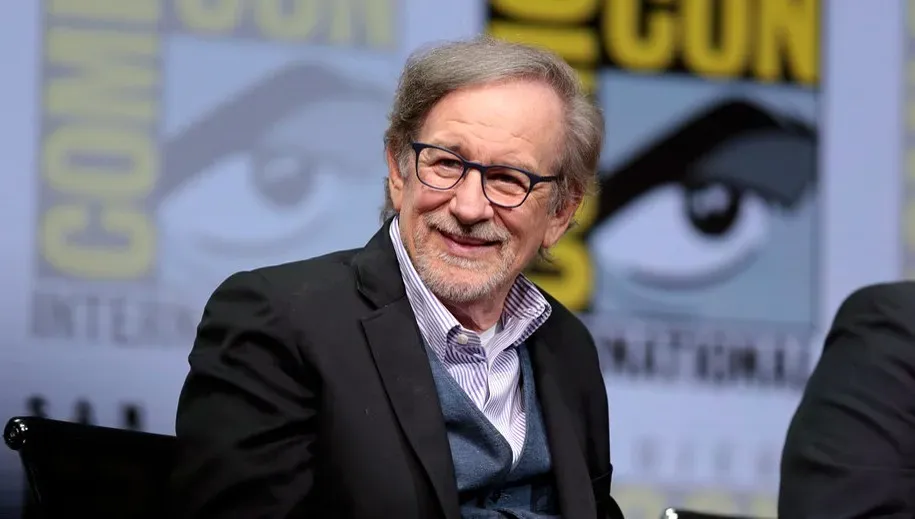
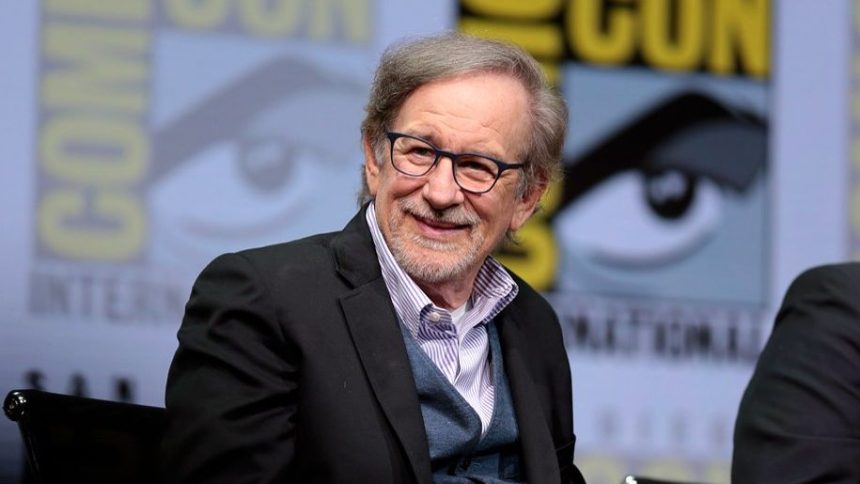
One of the most influential personalities in the history of cinema, Steven Spielberg is Hollywood’s best-known director. He has an extraordinary number of commercially successful and critically acclaimed credits to his name, either as a director, producer, or writer since launching the summer blockbuster with Jaws (1975), and he has done more to define popular film-making since the mid-1970s than anyone else. That last point is worth sitting with. More than anyone else. That is not a small claim.
In addition to his commercial success, Spielberg has received numerous accolades, including three Academy Awards, for critically acclaimed films like Schindler’s List (1993) and Saving Private Ryan (1998). Spielberg’s storytelling techniques, character-driven narratives, and technical innovations have set the gold standard for commercial cinema. The blockbuster as a concept, the idea that a single film could become a shared cultural event for the entire planet, that is largely his invention.
Martin Scorsese: The Relentless Storyteller
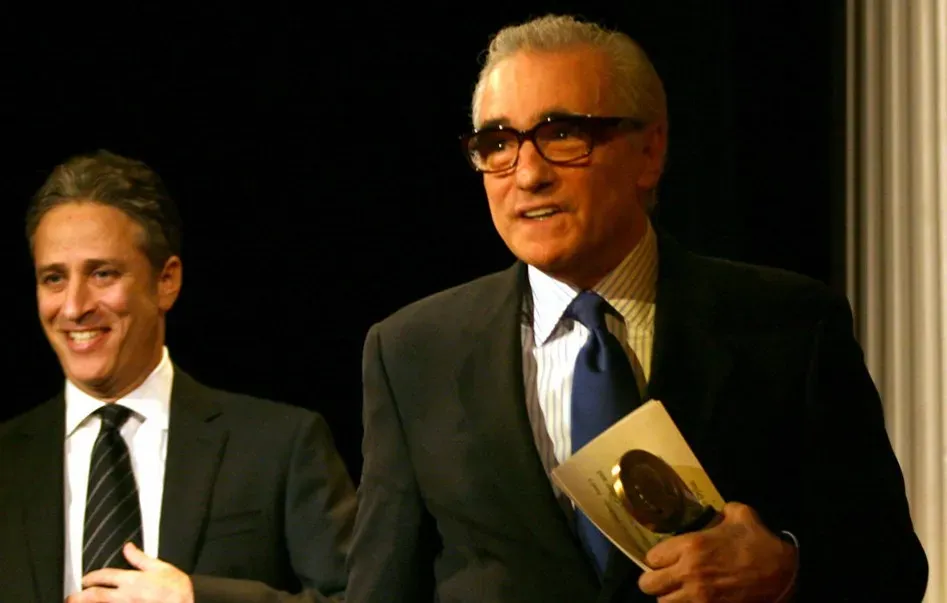
Regarded as one of the most influential filmmakers in history, Martin Scorsese has developed a formidable reputation and has a stunning body of work. His career began in the 1970s with films such as Mean Streets and Taxi Driver, before going on to produce legendary movies such as Raging Bull, Goodfellas, Cape Fear, Casino, Gangs of New York, The Departed, Shutter Island, and The Wolf of Wall Street. Each one of those titles could carry its own legacy. Together, they form something astonishing.
According to IMDb’s ranking of most awarded directors, Martin Scorsese leads the pack with 571 total award recognitions including 197 wins, reflecting his unparalleled influence and the enduring relevance of his films. Recently, The Irishman and Killers of the Flower Moon are excellent examples of how Scorsese is patient with his storytelling, showing everyone why he is still one of the best directors in Hollywood. Well past what most people would call retirement age, he keeps making ambitious, heavyweight cinema. It’s remarkable, honestly.
Christopher Nolan: The Auteur Who Brought Audiences Back to Theaters
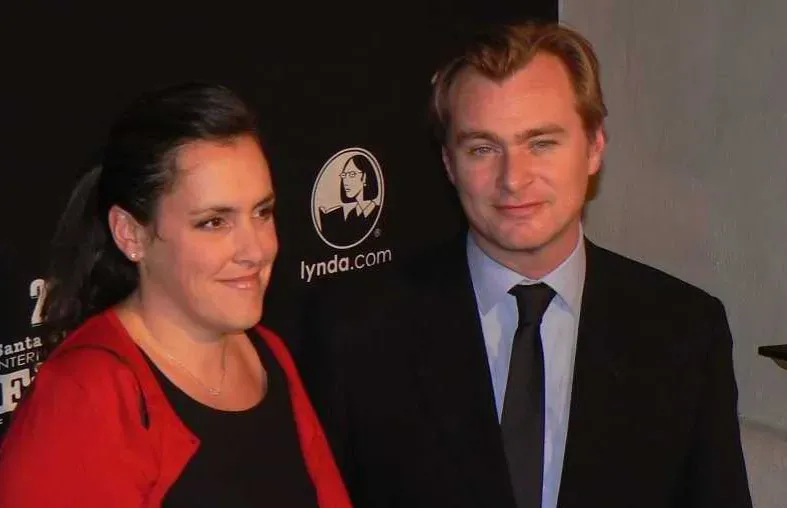
Christopher Nolan is one of the greatest and most influential directors in Hollywood, and many of his movies have had profound impacts on the entire industry. He has established himself as a unique talent, directing a string of big-budget action blockbusters with rare intelligence. He is also noteworthy for crafting fascinating concepts without the support of a big franchise. In an era obsessed with sequels and shared universes, that independence is almost radical.
His films have earned more than $6 billion. Nolan was appointed a CBE in 2019 and was knighted in 2024 for his contributions to film. As of 2026, Nolan’s dual role includes shepherding the Directors Guild of America as its elected President while also preparing to release his own large-scale film, The Odyssey, this summer. The fact that the industry’s most commercially powerful filmmaker is simultaneously fighting for the rights of its workers feels like a very Nolan kind of story – complex, layered, and unexpectedly meaningful.
Denis Villeneuve: The Master of Atmosphere and Scale
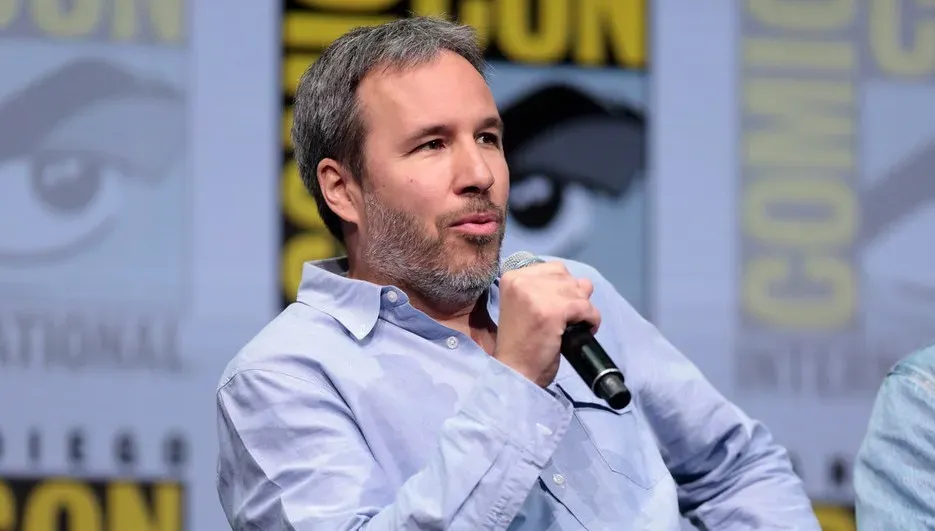
Denis Villeneuve has proven himself a master of atmosphere and tension. From Arrival to Blade Runner 2049 and the epic Dune, he became known for films that are both visually stunning and intellectually engaging. There’s something almost meditative about how his films move. They breathe. They take up space in your head long after the credits roll.
Dune: Part Two proved to be a smash hit with critics and audiences, reaching all the pillars of success that Villeneuve’s equally moody and humanist Blade Runner 2049 never did during its theatrical run. With jaw-dropping cinematography, intricate world-building, and powerful performances, Dune: Part Two solidified its place as one of the most visually ambitious and intellectually rich sci-fi films in recent memory. The political intrigue, combined with action-packed sequences and complex characters, makes it a defining work of epic storytelling. It’s hard to say for sure, but Villeneuve might be making the most consistently impressive blockbusters of anyone working today.
Greta Gerwig: The Voice That Changed the Mainstream

Greta Gerwig’s inclusion among the most awarded directors demonstrates the rising influence of female directors in a historically male-dominated field. With works like Barbie and Lady Bird, she has achieved significant wins and nominations in a relatively short time. What makes Gerwig so interesting is not just her talent, it’s her trajectory. She went from indie darling to one of the most commercially powerful directors in Hollywood almost overnight.
Barbie could have been a bland cash grab but turned out to be a thoughtful comedy that touched a nerve with many people, in large part because writer-director Greta Gerwig found a way to express herself while still adhering to the demands of a commercially driven system. Even Gerwig, once an indie darling, has made it clear that, post-Barbie, she intends to be a big-studio director. Let’s be real – that kind of move, managing to make a billion-dollar toy commercial that also functions as genuinely sharp social commentary, takes real skill. She’s one to watch closely for years to come.
The New Guard: Coralie Fargeat, Sean Baker, and the A24 Generation
Coralie Fargeat became a household name as one of cinema’s most skilled and passionate new writer-directors as she shattered the male gaze with her shocking horror satire, The Substance. This bold, thought-provoking movie won Best Original Screenplay at the Cannes Film Festival and garnered considerable buzz as it amazed and unsettled audiences in theaters. It’s exactly the kind of film that makes you feel things you didn’t necessarily sign up to feel. Which is exactly the point.
Sean Baker, after directing underrated indie classics like Tangerine, Red Rocket, and The Florida Project, reached the big leagues after winning the Palme d’Or at the Cannes Film Festival with his masterpiece, Anora. If directors like these keep this up, we might just be heading into another golden age of indie cinema driven by their stories and the support of distributors like A24, NEON, IFC Films, and MUBI. The blueprint is shifting. More personal, lower-budget, and often more memorable than anything a studio could manufacture with three times the money.
The Influence Chain: How Great Directors Create More Great Directors
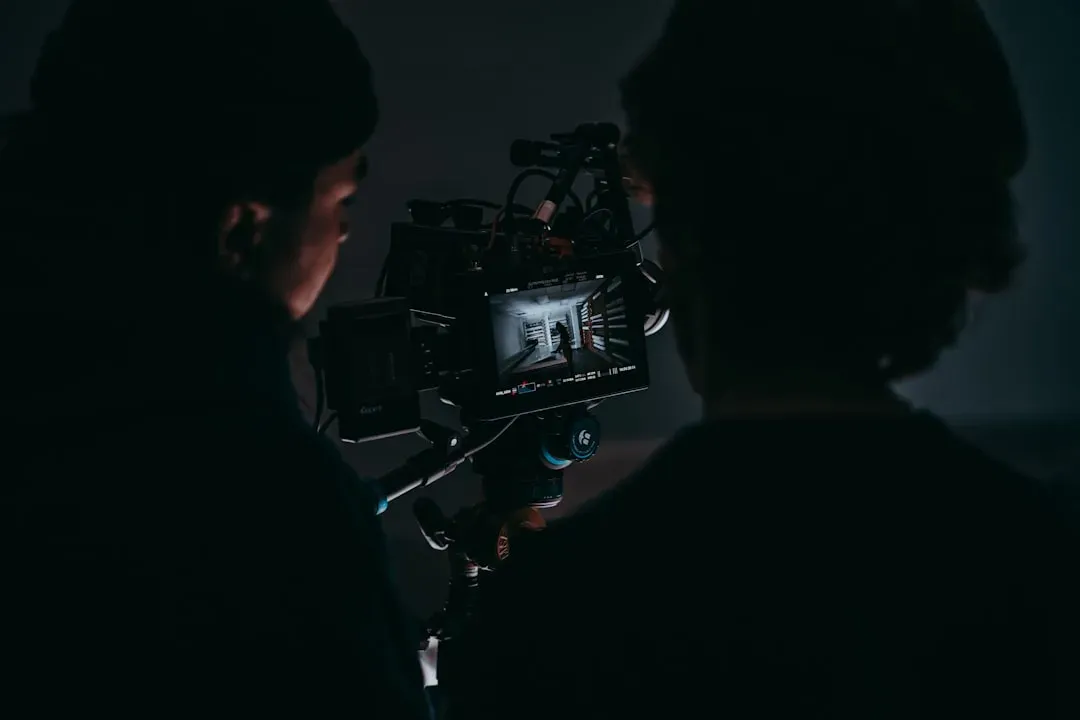
Over the decades, a pantheon of iconic directors has emerged, shaping not just films but cinematic history. Their aesthetic style, innovative techniques, and timeless masterpieces form the foundation for modern cinema. Here’s the thing about this industry that often gets overlooked: influence moves in a chain. Hitchcock shapes Spielberg. Kubrick shapes Nolan. Scorsese shapes an entire generation of crime filmmakers. The story never starts from nothing.
Artists choosing to dabble in experimental styles or iterate on classic cinematic tropes not only honor the centuries of moviemaking before them but indicate a drive to continue to innovate the art form. Cinema is more than just storytelling – it is an art form shaped by visionary directors who push creative boundaries and redefine how audiences experience film. From groundbreaking techniques to genre-defining masterpieces, these directors have left an undeniable legacy, shaping the way films are made and enjoyed across the globe. Whether they revolutionized comedy, pioneered cinematic movements, or created the blueprint for modern blockbusters, their influence continues to inspire filmmakers today.
Conclusion: Why Directors Still Matter in the Age of Streaming
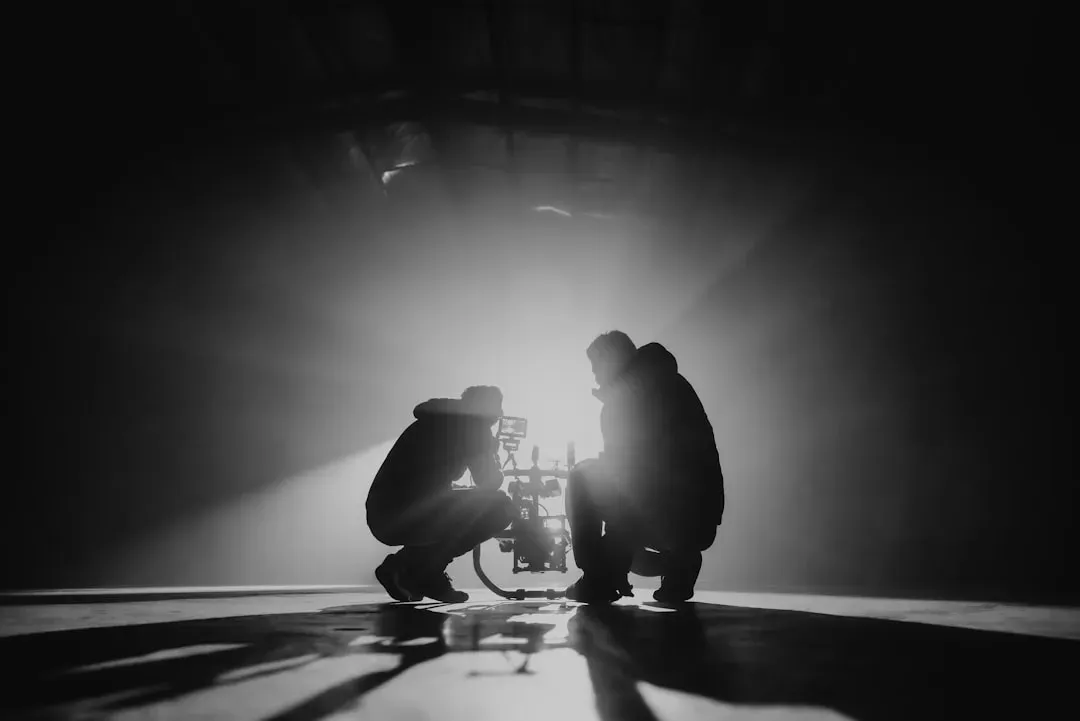
At the top of the film industry’s current concerns is artificial intelligence. What once felt speculative has become an immediate concern as generative AI tools grow more capable of replicating creative and technical workflows across film and television. In this environment, the director’s singular voice matters more than ever. A strong directorial identity is precisely what separates cinema from content.
As the cinema landscape continues to evolve in the coming years and decades, Nolan’s work remains a reminder that directors with bold, unique ideas and a clear creative voice will always have a place in the industry and can even consistently rival the biggest franchises. The directors who have all share one thing in common. They refused to make the easy film. They made the necessary one. What would cinema look like today if any one of them had chosen a different path?