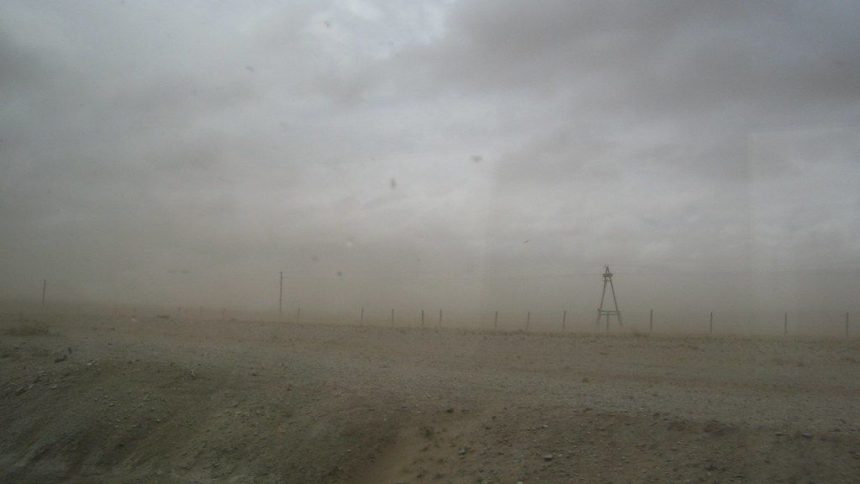
Most days in East Las Vegas, the air feels manageable. Then the wind picks up, and everything changes fast. Walls of dust roll across vacant lots, construction sites become launching pads for airborne particles, and residents with asthma reach for their inhalers. It’s a recurring reality that the valley’s desert geography makes almost inevitable.
The main pollutants in Las Vegas air are ozone and particulate matter, which are especially prevalent because the city is located in a desert region. Wind storms don’t just make that worse. They can turn an otherwise moderate air day into a genuine health emergency within hours.
A Desert Basin Built for Dust
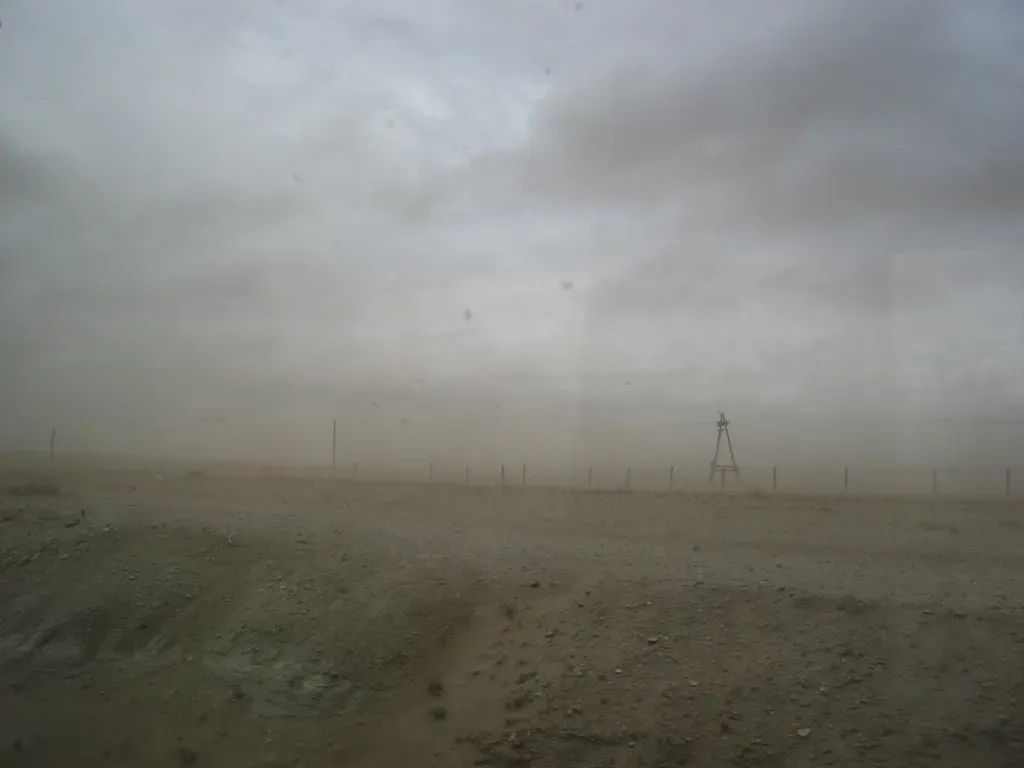
Las Vegas experiences air quality that is heavily influenced by its desert valley location, which traps pollution. The annual air quality challenges reflect the reality of being a major destination in a desert bowl surrounded by mountains, with limited rainfall to cleanse the atmosphere and constant construction activity stirring up dust.
Certain factors, such as weather conditions and occasional events like dust storms, can temporarily but significantly affect air quality. When winds sweep through a valley already loaded with loose desert soil and active construction, the combination is particularly effective at sending particles into the air people breathe.
What PM10 Actually Means for Your Lungs
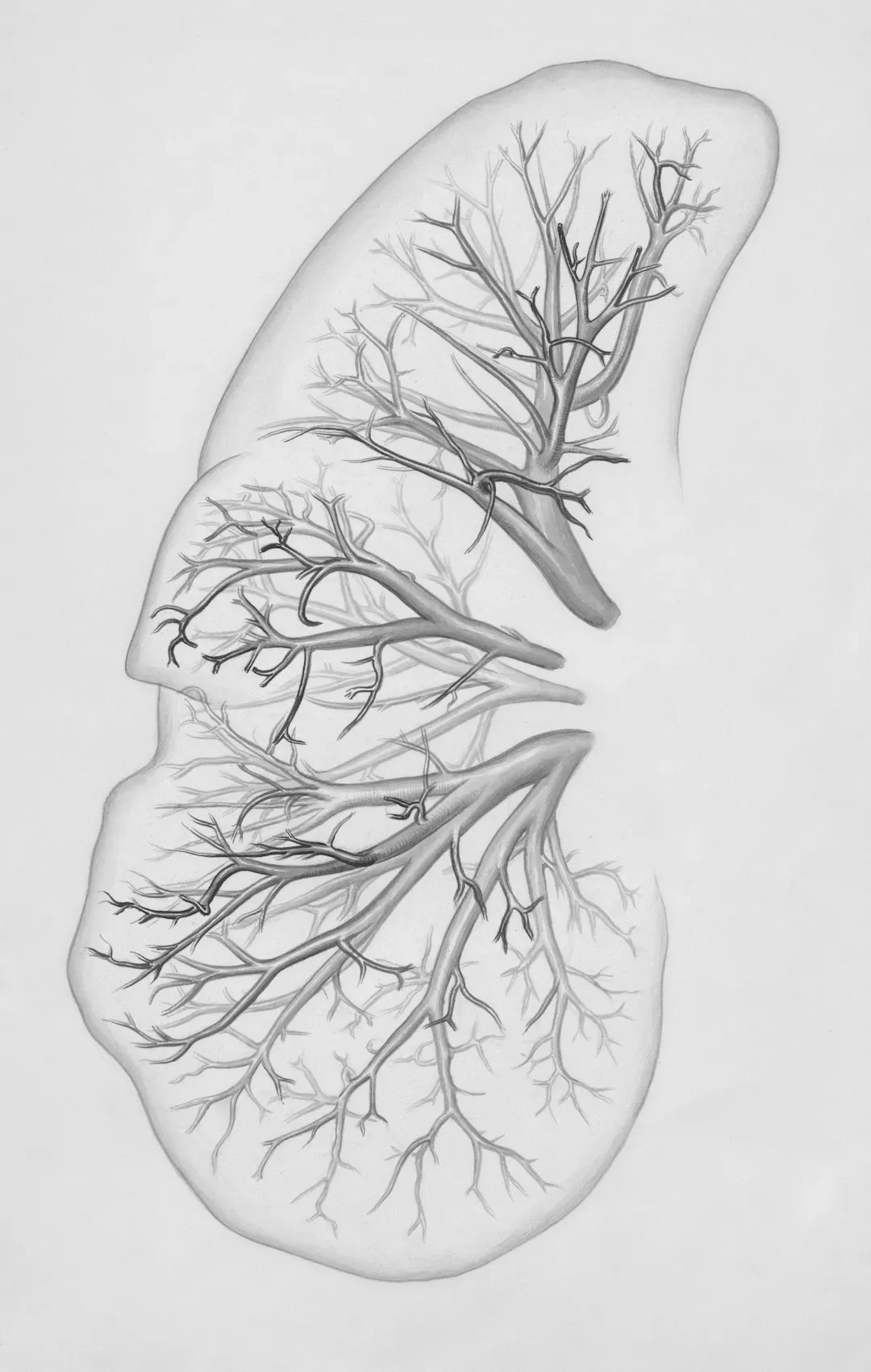
Airborne dust is a form of inhalable air pollution called particulate matter, which aggravates respiratory diseases. The EPA classifies PM10 as particles with a diameter of 10 micrometers or smaller, meaning they’re easily inhaled and capable of penetrating deep into the respiratory system.
Short-term spikes in particle pollution that last from a few hours to a few days can kill. Most premature deaths are from respiratory and cardiovascular causes. Spikes in particle pollution also have many other harmful effects, ranging from decreased lung function to heart attacks. These aren’t abstract statistics. They describe what happens when a dust event moves through a densely populated neighborhood.
The Scale of Wind Events in Southern Nevada
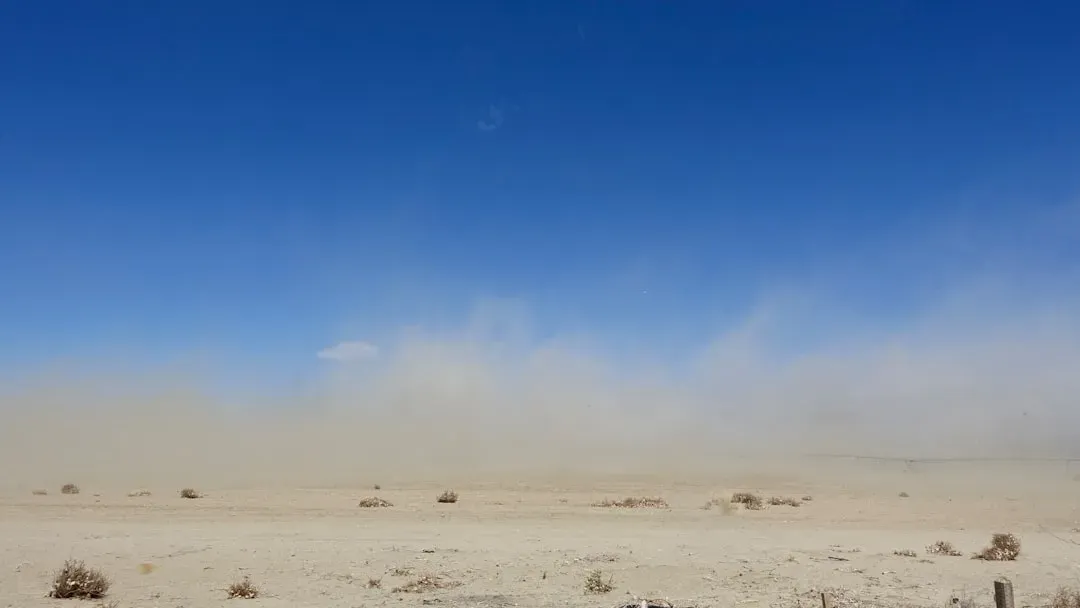
Clark County’s Division of Air Quality has issued dust advisories for extended stretches of a day, as strong winds are expected across the area, with officials forecasting sustained winds near 25 mph and gusts of 40 mph or higher. Those gusts are more than enough to lift significant amounts of dust from bare desert surfaces.
The Division of Air Quality has also tracked cases where overnight storms in neighboring states generate outflow winds that transport dust directly into the Las Vegas Valley. That means East Las Vegas can find itself dealing with dust that originated in Arizona, carried in by regional wind patterns beyond anyone’s local control.
How Clark County’s Failing Air Grades Tell the Story
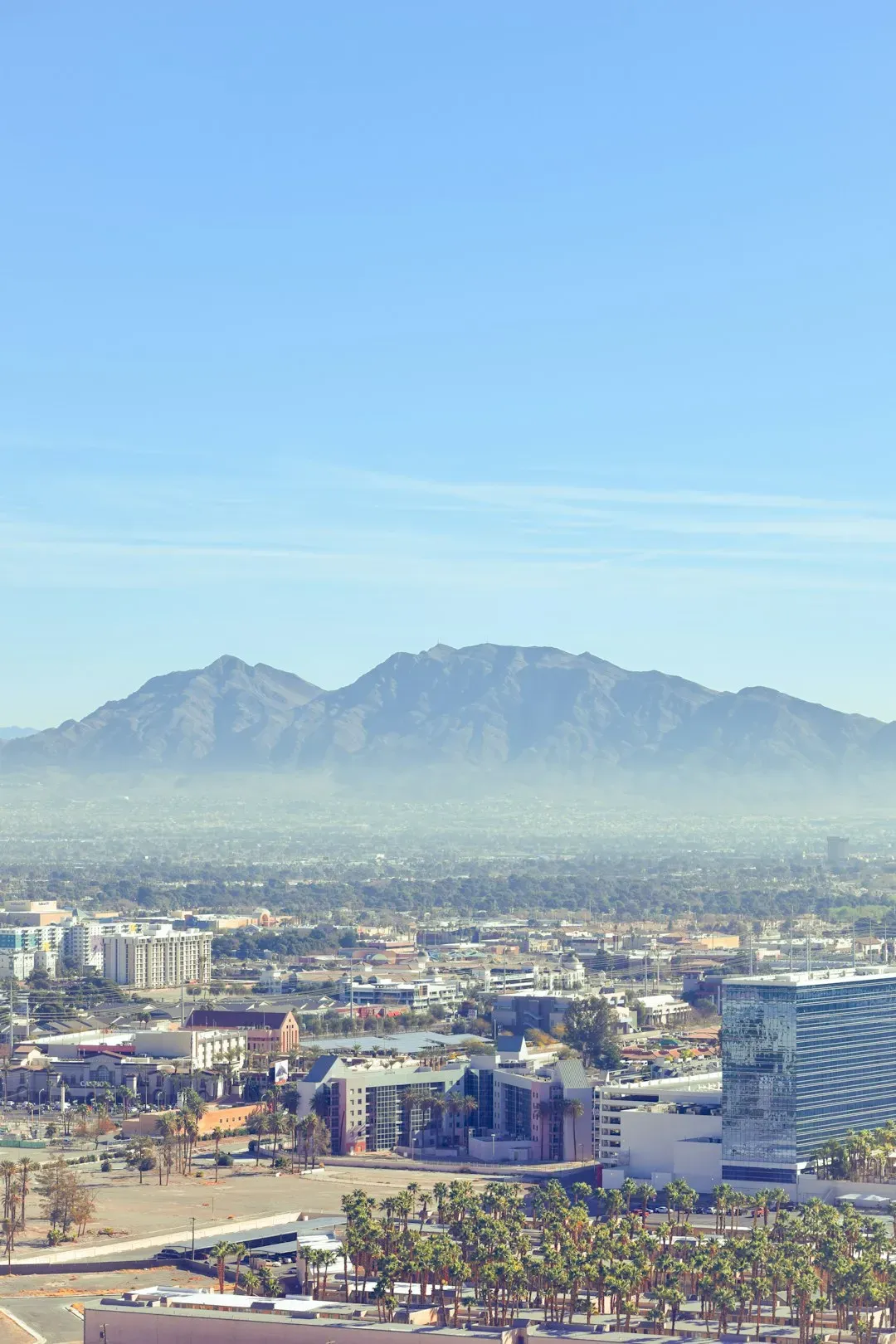
The American Lung Association’s 2025 “State of the Air” report named the Las Vegas metro area 12th most polluted in the nation for ozone pollution. That ranking drew from data collected across Clark County and reflects a persistent challenge that weather events can intensify sharply.
Clark County received an F on particle pollution, with 48 days of unhealthy levels primarily for sensitive groups. Ozone levels in the Las Vegas area improved over the last three years, but other pollution got worse. Still, Las Vegas received a failing grade for its pollution levels. Experts attribute that outcome largely to wildfires and climate-driven factors including extreme heat, drought, and dust storms.
East Las Vegas: A Neighborhood Bearing a Heavier Load
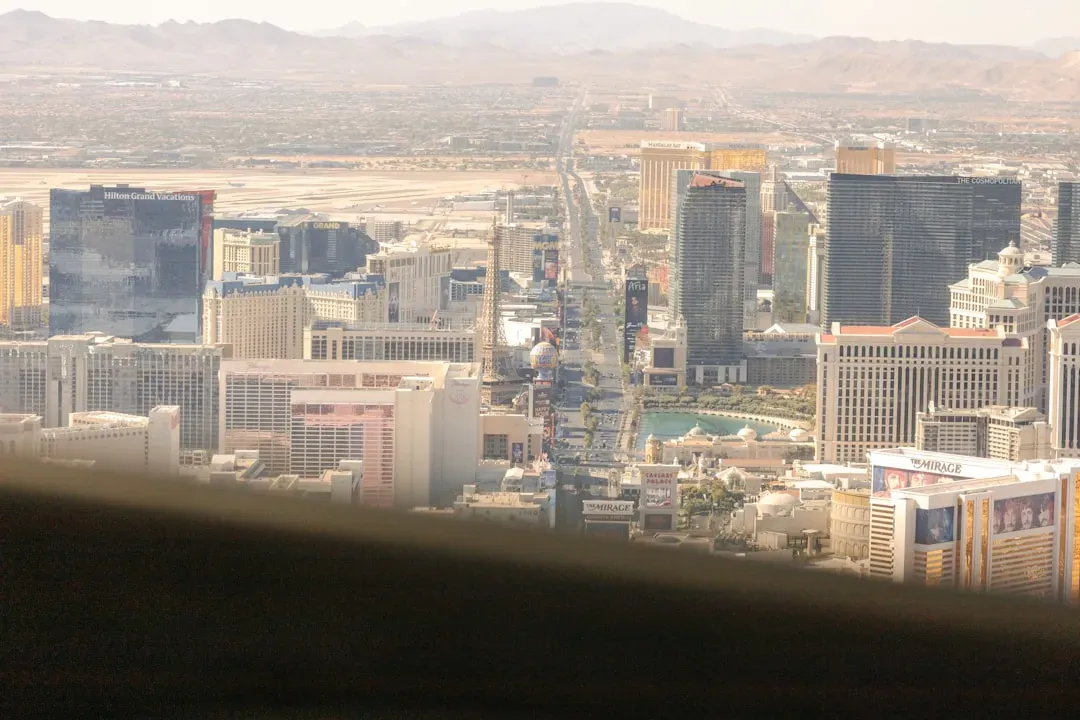
The Environmental Protection Agency awarded Southern Nevada an environmental justice grant to study air quality in East Las Vegas, where about 65 percent of residents are Hispanic. The two-year project, called “Buen Aire Para Todos,” equipped participating East Las Vegas residences with indoor air quality sensors and mobile sensors for street vendors.
With an older housing stock, low access to personal vehicles, and proximity to the intersection of two major highways, residents of East Las Vegas are disproportionately impacted by poor air quality caused by pollution. Lower-income neighborhoods, such as those near the airport, power plants, and major roadways, tend to suffer some of the worst air quality in Las Vegas. Dust storms amplify what is already an uneven burden.
When the AQI Spikes: From Baseline to Hazardous
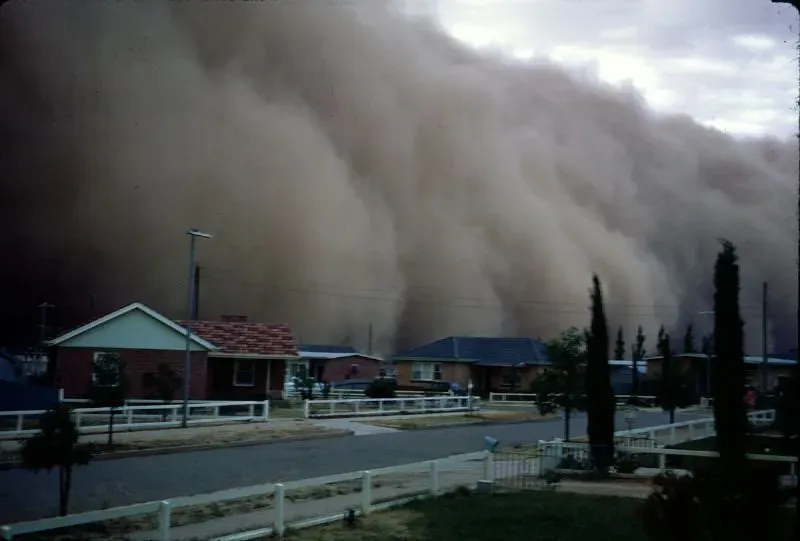
Desert dust storms create severe air quality episodes, raising the Air Quality Index from typical levels to 150 and above when high winds lift massive amounts of particulates, creating hazardous conditions that can ground flights and force residents indoors. That kind of spike doesn’t announce itself gradually. It can arrive in minutes when a haboob or outflow boundary sweeps through the valley.
Under windy conditions, people with heart or lung disease, older adults, and children may feel better staying indoors as much as possible because they could be at greater risk from particulates, especially when physically active, according to the U.S. Environmental Protection Agency. For residents without reliable indoor air filtration or the ability to stay home from work, that advisory is harder to follow than it sounds.
Regulatory Safeguards and Their Limits

The Clark County Department of Environment and Sustainability’s Division of Air Quality administers the air pollution control program for Clark County, Nevada. A Dust Control Operating Permit is mandatory for soil-disturbing or construction activities covering 0.25 acres or more, mechanized trenching over 100 feet in length, and mechanical demolition of structures over 1,000 square feet.
In October 2018, the Division of Air Quality adopted a Mitigation Plan for Exceptional Events, which addresses EPA-required plan components and encompasses wildfire and high wind PM10 events. Clark County takes dust control violations seriously, and residents can report dust issues by calling the county hotline. The Department of Environment and Sustainability responds promptly to complaints, often dispatching inspectors to assess and address the situation. Enforcement matters, but natural wind events can outpace even diligent compliance efforts.
Who’s Most at Risk and What the Data Shows

Air pollution in the Las Vegas metro is causing kids to have asthma attacks, making people who work outdoors sick and unable to work, and leading to low birth weight in babies. Research published in environmental health journals shows that short-term spikes in PM10 during dust storms are linked to increased emergency room visits, especially among children and older adults in arid regions.
While Latinos create less air pollution than white Americans, they are more likely to be exposed to health-deteriorating air pollutants, according to research published in Nature. Air pollution is known to impact the growth of developing lungs, and numerous studies show children are more susceptible to health impacts when exposed to pollution and other toxicants. In East Las Vegas, where children and working adults make up much of the population, those vulnerabilities are concentrated in one place.
Conclusion
This tag does not indicate the copyright status of the attached work. A normal copyright tag is still required. See Commons:Licensing.
العربية ∙ বাংলা ∙
Bahaso Jambi ∙
Deutsch ∙ Deutsch (Sie-Form) ∙ English ∙ español ∙ euskara ∙ فارسی ∙ français ∙ italiano ∙ 日本語 ∙ 한국어 ∙ македонски ∙ മലയാളം ∙ Plattdüütsch ∙ Nederlands ∙ polski ∙ پښتو ∙ português ∙ русский ∙ slovenščina ∙ svenska ∙ Türkçe ∙ українська ∙ 简体中文 ∙ 繁體中文 ∙ +/−
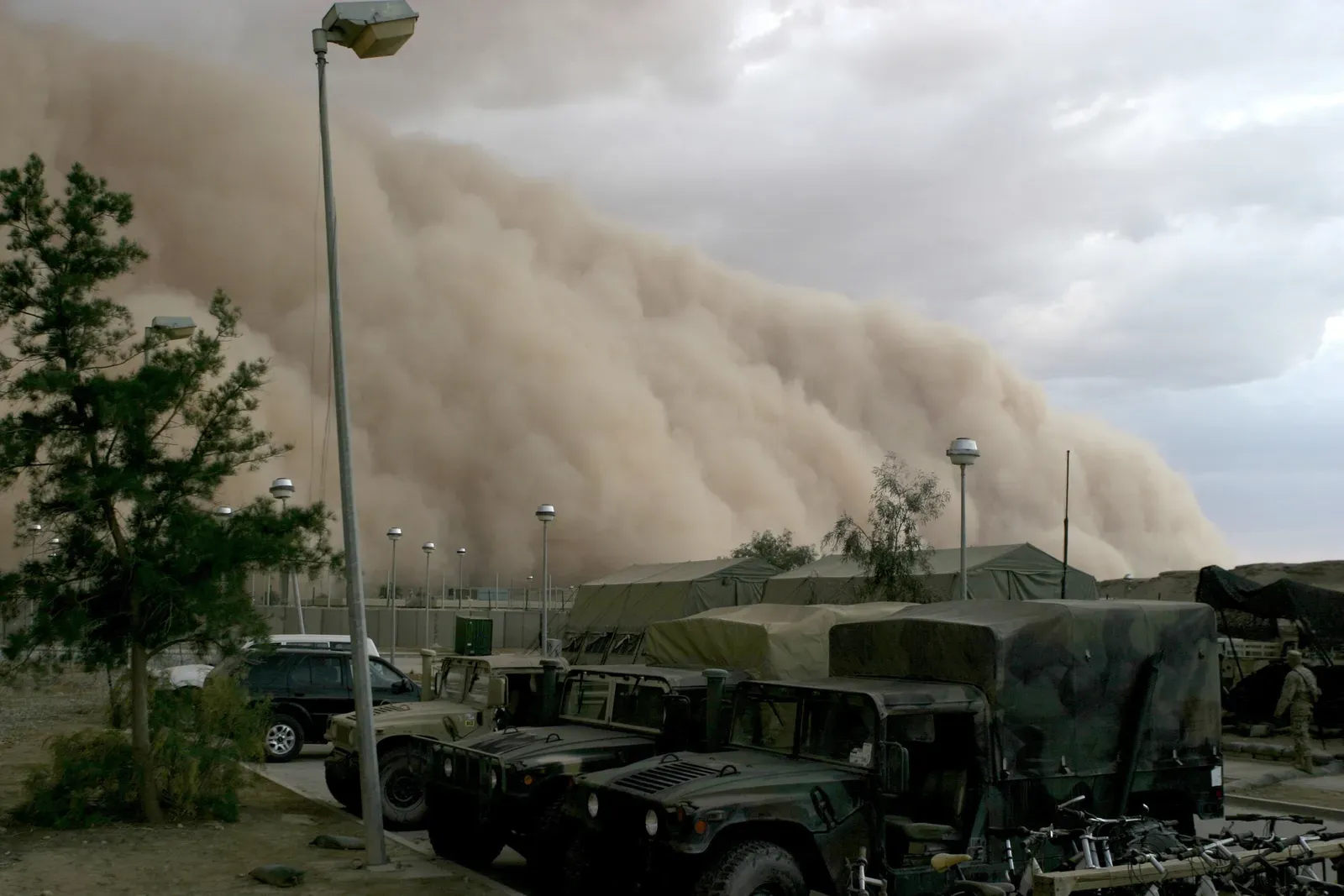
US Defense website http://www.defenselink.mil/photos/newsphoto.aspx?newsphotoid=6469, Alternate source: IRAQ. Navy NewsStand Photo ID 050427-M-5607G-001, Public domain)
The dust bowl comparison isn’t purely rhetorical. East Las Vegas sits in a dry basin where wind, loose soil, construction, and geography combine in ways that drive air quality events that are both predictable and difficult to fully prevent. The regulatory infrastructure exists, monitoring has improved, and community-level data projects are bringing finer resolution to the problem.
What remains harder to fix is the underlying exposure gap. When the wind picks up, residents with the fewest options for staying indoors, accessing healthcare, or moving out of the affected area are the ones absorbing the most harm. Understanding the dust bowl effect is a start. Acting on it, particularly for the communities in East Las Vegas bearing the greatest burden, is where the harder work lies.