Genre Fusion Becomes the New Norm
Spotify’s 2024 Loud & Clear report highlighted that genres like K-Pop, amapiano, and Afrobeats now have massive global audiences, yet these classifications no longer hold their traditional boundaries. Listen to the charts today and you’ll hear Latin rhythms colliding with Afrobeats percussion over electronic basslines. Spotify’s Afro Ritmo playlist encapsulates the crossover between Afrobeats and reggaeton, blending cultural influences into a melting pot of sounds. What happens next isn’t about choosing between genres anymore. It’s about abandoning the idea of separation altogether.
Regional Sounds Scale Globally
Latin America’s recorded music revenues rose by 22.5% in 2024, with streaming accounting for 87.8% of revenues, a staggering confirmation that non-English markets aren’t just growing locally. Music in eight languages generated more than $100 million of royalties each in 2024 on Spotify. This isn’t a trend – it’s a structural shift. Artists from São Paulo to Lagos to Seoul are reaching listeners everywhere without ever needing to translate their lyrics or compromise their sound. By 2026, expect the term “world music” to feel hopelessly outdated.
Afrobeats Shifts From Breakout to Mainstay

Tyla reached No. 1 on the year-end Billboard U.S. Afrobeats Songs Artists chart for 2024, with her hit “Water” dominating the chart for 51 weeks. Rema’s “Calm Down” featuring Selena Gomez held the No. 1 position on the U.S. Afrobeats chart for 58 weeks. These aren’t flashes in the pan. Afrobeats has secured its place in the global pop ecosystem, and 2026 will bring deeper genre layering – expect Afro-drill hybrids, Afro-pop ballads, and collaborations that feel effortless rather than experimental.
Electronic Music Fragments Further
Hard techno had a breakout moment in 2024’s dance space, with its high BPM and aggressive sound making listeners want to sweat in packed clubs. Electronic music has always been a petri dish for mutation. Now, sub-genres splinter into micro-niches so specific they barely fit into playlists. Think hyperpop colliding with industrial noise, or ambient drone merging with trap percussion. By 2026, electronic music will have fewer household names and far more cult followings – each fiercely loyal and algorithmically served.
AI Tools Accelerate Creative Experimentation
AI can empower media and entertainment companies to deliver hyper-personalized content, and those who don’t harness AI capabilities may risk losing an entire generation of viewers. Musicians already use AI to draft arrangements, generate stems, or explore chord progressions they’d never consider manually. 42% of surveyed consumers feel that generative AI and humans can each deliver entertaining content, while 22% believe AI could write content more interesting than humans. The 2026 landscape will include artists who openly collaborate with AI as co-creators, treating algorithms like band members rather than tools.
Short-Form Platforms Dictate Genre Direction
84% of all songs that entered the Billboard Global 200 in 2024 went viral on TikTok beforehand. TikTok’s Add To Music App feature generated more than one billion track saves since rolling out in 2024. Viral sounds now shape what gets made, not just what gets heard. Producers craft hooks for the fifteen-second window, structuring tracks around the moments that spark trends. By 2026, genres will evolve around platform behavior – expect more songs with abrupt tempo shifts, meme-friendly lyrics, and sonic textures optimized for phone speakers.
Hip-Hop Splinters Into Regional Microgenres

“Sexy drill” had a breakout moment in 2024, with artists like Cash Cobain pioneering the genre and Don Toliver’s “ATTITUDE” propelling the sound to chart heights. Hip-hop’s dominance isn’t fading – it’s fracturing. Regional scenes develop such distinct identities that an Atlanta trap artist sounds nothing like a Brooklyn drill rapper or a Houston chopped-and-screwed revivalist. Streaming allows niche sounds to thrive without needing national radio play, meaning 2026’s hip-hop landscape will be hyper-local yet globally accessible.
Algorithmic Discovery Replaces Traditional Gatekeepers

82% of Gen Zs and 70% of millennials find out about new artists or music through social media or user-generated content video sites, according to Deloitte’s Digital Media Trends study. Radio is no longer the tastemaker. Playlist curators and algorithms feed listeners what they’re statistically likely to enjoy next, which creates feedback loops that amplify emerging sounds rapidly. By 2026, genre development will move faster than ever because discovery happens in real-time, driven by behavior patterns rather than industry executives deciding what’s “next.”
Country Expands Beyond Its Borders

Country seemed to further extend its dominance and reach in 2024. Alternative country, folk, and Americana-leaning artists saw amazing growth, with Spotify’s Homegrown playlist revealing the genre’s true audience potential. Country music is no longer confined to Nashville or rural America. It’s gone global, blending with pop production, hip-hop flows, and electronic beats. Expect 2026 to bring country-infused EDM, bilingual country ballads, and crossover collaborations that feel less like stunts and more like inevitabilities.
Nostalgia Mining Reshapes Catalog Value
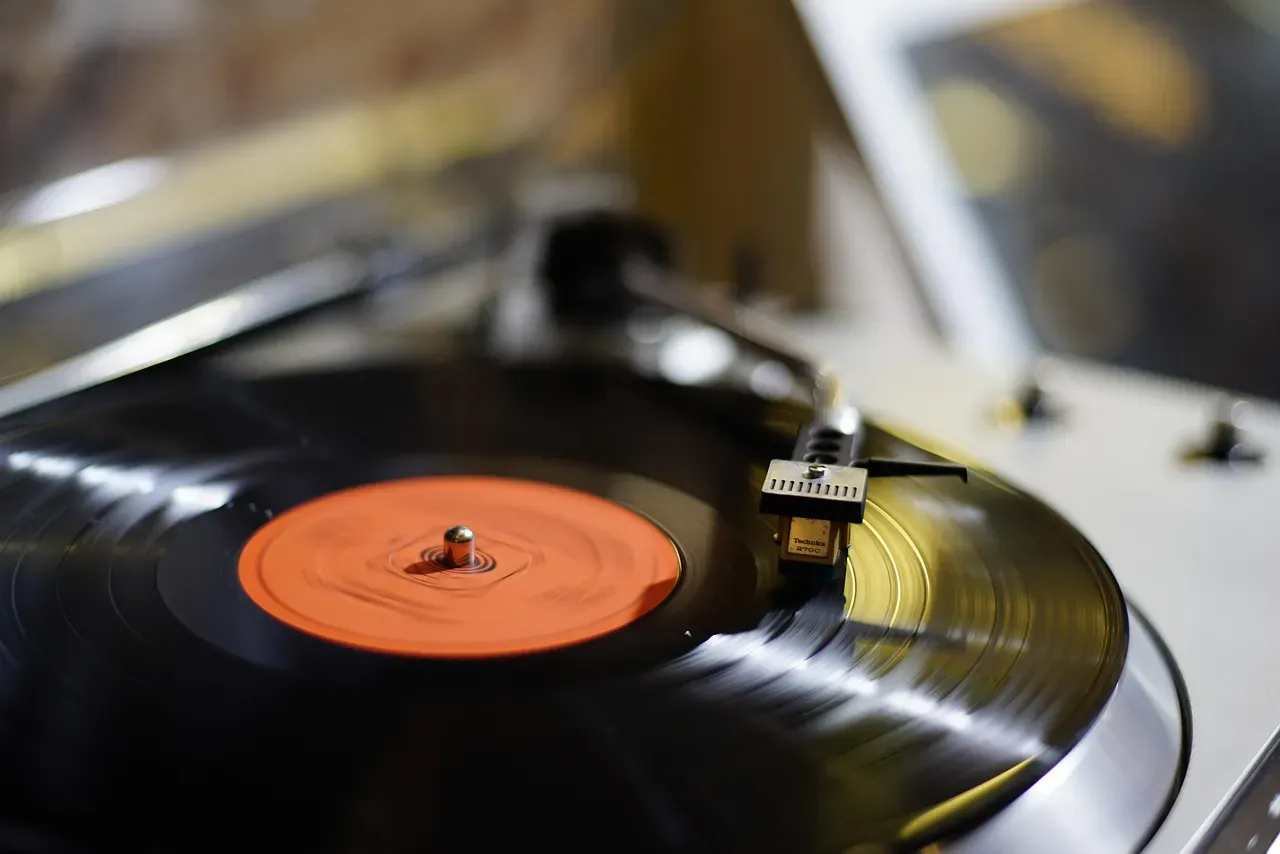
Alphaville’s “Forever Young,” released in 1984, experienced a resurgence in 2024 due to TikTok popularity, leading to increased streams and a nine-week run on the Billboard Global 200. Old tracks don’t just sit in archives anymore – they get rediscovered, remixed, and thrust back into relevance. By 2026, expect catalogs from the seventies, eighties, and nineties to become fertile ground for sampling, viral moments, and entire sub-genres built around resurrecting forgotten sounds. Nostalgia isn’t just sentiment – it’s a viable commercial strategy.