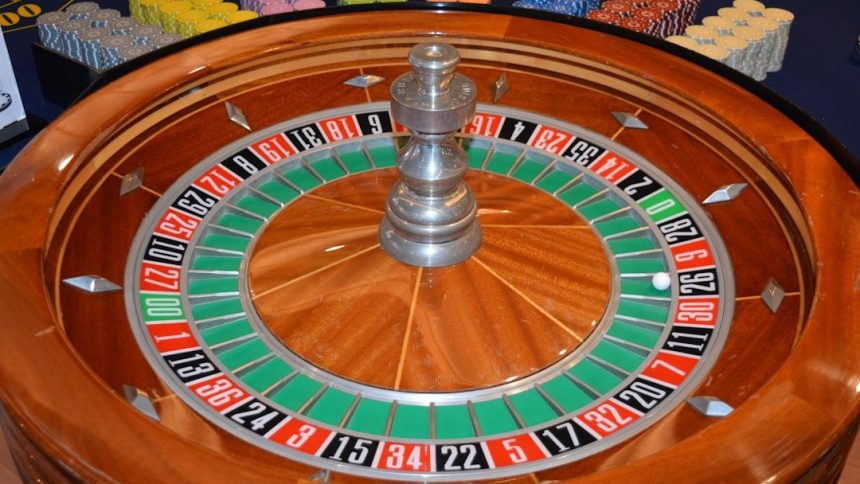
There’s a certain mythology surrounding the Las Vegas whale. The private jet touching down at dusk, the comped penthouse, the dealer quietly reshuffling at a table roped off from the rest of the floor. For decades, that image served as shorthand for the casino industry’s most prized patron. The reality in 2026 is considerably more complicated, and in some ways, even more fascinating.
The whale of today looks different, behaves differently, and is being courted very differently. Las Vegas is still very much a place where a single player can move an entire casino’s quarterly results, but the ecosystem surrounding that player has been reshaped by global competition, technology, shifting demographics, and economic turbulence. Understanding those forces means looking closely at who these players actually are, what they demand, and why the casinos that serve them best are winning in a period when the industry overall is far from predictable.
Who Actually Qualifies as a Whale

The term gets thrown around loosely, but the distinction between a high roller and a true whale is meaningful. While high rollers may spend between one hundred thousand and one million dollars during a typical weekend, true whales often enter Las Vegas with one million to twenty million dollars at their disposal, frequently placing single bets upwards of twenty-five thousand dollars.
Las Vegas “whales” are the elite of high rollers, a select group whose gambling habits can make or break a casino’s fortunes. These high-stakes gamblers are estimated to number fewer than 500 worldwide. Some industry observers put the figure even lower. These guests, estimated to number less than 200 globally, are fiercely courted by the world’s top casinos.
A high roller, also referred to as a whale or cheetah, is a gambler who consistently wagers large amounts of money. The consistency is what matters most to casinos. A lucky tourist who drops half a million in a weekend is interesting. A whale who returns season after season and routinely puts eight figures in play is the kind of patron that determines whether a property has a good year or an extraordinary one.
The Staggering Revenue Math Behind a Tiny Group
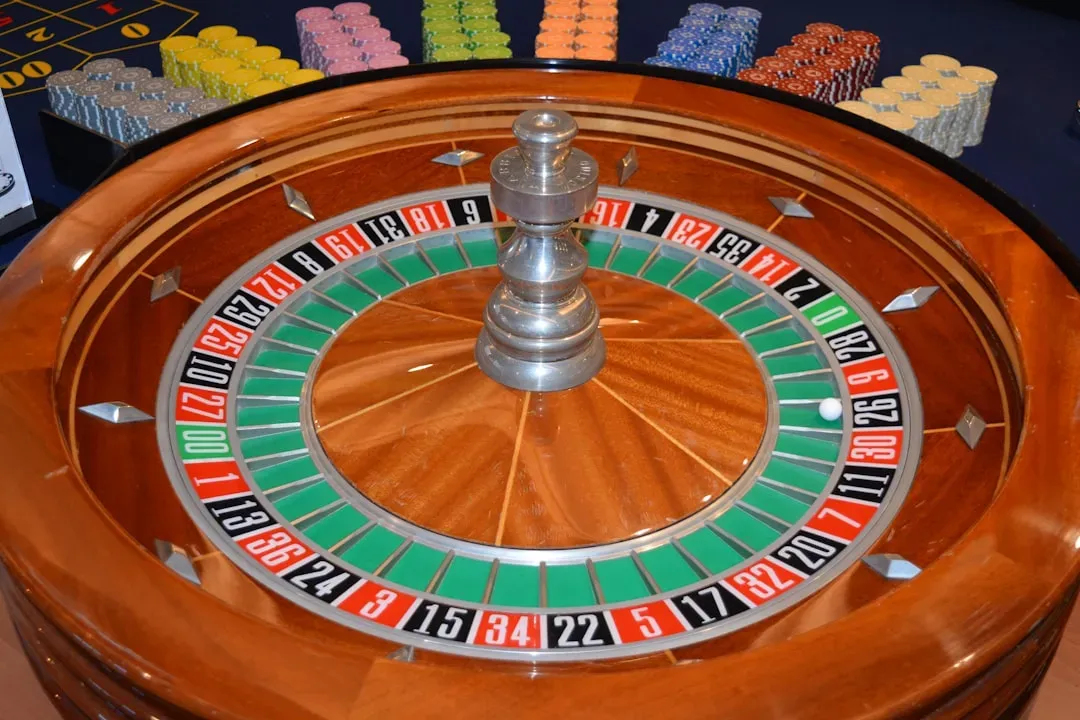
High rollers account for roughly thirteen percent of visitors but an extraordinary eighty-eight percent of table game revenue. In a city where roughly sixty-two percent of casino profits come from just seven percent of customers, knowing your whales from your minnows is not optional strategy – it’s operational survival.
Just three percent of players bring in nearly a quarter of Las Vegas revenue. That concentration of financial power is staggering when you sit with it for a moment. Thousands of ordinary tourists losing fifty dollars at blackjack can barely compete with a single whale settling in for a weekend at baccarat.
Baccarat’s extreme volatility comes precisely from the fact that only a small number of players participate during any given month. It isn’t uncommon for baccarat players to make wagers of six figures per hand. A small group of players wagering large sums of money creates the unpredictability. That volatility is the defining feature of whale-level play, and it cuts in every direction.
Baccarat as the Whale’s Game of Choice

Walk into any high-limit room on the Las Vegas Strip and the pattern becomes obvious fast. Baccarat dominates the landscape. Because baccarat players will sometimes wager six-figure sums per hand, the game has a reputation for being the most volatile one in the casino.
Only about three percent of Strip players make up a full forty-one percent of table revenue. They play baccarat, with bets as high as a slot player’s entire trip budget. Strip baccarat generated more than downtown’s gaming combined in 2023. Those numbers illustrate why major Strip properties invest so heavily in private baccarat rooms.
In July 2025, a seventy-nine percent increase in baccarat win compared to July 2024 helped fuel the Strip’s second-highest monthly total for the year, trailing only the results from January. That single statistic captures how dramatically one table game, driven by a handful of players, can reshape an entire month’s narrative for a property.
Wynn’s Whale Strategy: A Case Study in Getting It Right
One of the biggest trends for Las Vegas in 2025 has been declining visitation and volatile gaming revenue. Tourism has been down all year, and revenue has moved up and down. Macroeconomic pressures including sticky inflation and high tariff costs have impacted low- to mid-tier consumers, but the highest rollers are still showing up, which plays directly into Wynn’s strengths.
Wynn emerged for multiple consecutive quarters as the most successful of Las Vegas’s major three operators in turning a profit in Sin City. While MGM and Caesars reported soft conditions, Wynn posted Las Vegas gains. Wynn’s Las Vegas casino revenue grew eleven percent year-over-year to one hundred sixty-one-point-five million dollars for the quarter.
Industry analysts noted that the exception to general market weakness comes from those casinos with a strong percentage of high-roller guests, or “whales,” and those who run highly volatile games like baccarat. A single player or group of players can have a dramatic effect on overall outcomes. Wynn appears to be having more success finding and retaining those needle-movers than its competitors. That gap in whale retention strategy is now translating directly to the bottom line.
Revenue Records Amid Fewer Visitors: The Whale Effect in 2025


The data from 2025 tells a counterintuitive story. Foot traffic fell sharply, yet revenue stayed remarkably resilient. Las Vegas Strip and downtown casinos closed out 2025 with a slight uptick in gambling revenue despite a significant drop in visitors. Statewide gaming revenue figures show 2025 was a second consecutive record-setting year, with Nevada’s nonrestricted casino licensees winning fifteen-point-eight billion dollars from gamblers, a year-over-year increase of one-point-two percent over the previous record set in 2024.
Despite total visitation down by nearly nine percent in 2025, gaming revenue remained strong, up five-point-five percent in Clark County in October compared with the prior year. It is one of the clearest demonstrations in recent memory that a smaller number of very big spenders can compensate for the absence of large crowds.
UNLV professor of casino management Anthony Lucas said weaker international visitation played an outsized role in the annual numbers. He noted that international travel to the U.S. became less desirable in 2025, especially in critical feeder markets like Canada. In general, the further someone travels to Las Vegas, the more they spend. Any deterrent to international visitation produces a disproportionate effect on revenue.
The Asian High-Roller: An Irreplaceable Demographic

A significant portion of whales, approximately eighty percent, are from Asia. This demographic is particularly important for Las Vegas casinos, which have tailored many of their services to meet the needs and preferences of Asian high rollers. The relationship between Asian wealth and Las Vegas gaming has shaped the Strip’s VIP infrastructure for decades.
Despite their importance, Las Vegas has seen a decline in whale activity in recent years. One major reason is the lack of privacy that whales experience in Las Vegas compared to other global gaming destinations like Macau, Monaco, or Australia. Privacy concerns are not trivial. For ultra-wealthy players, visibility in a media-saturated city creates real reputational and security risks that quieter venues abroad simply don’t.
In 2024, China continued its strict rules against gambling outside the country. The rules made it illegal to help anyone gamble across borders, and the government has been actively enforcing them ever since. That enforcement reality has made it harder for Las Vegas to recruit directly from mainland Chinese networks, a pipeline that once delivered some of the most significant whale action on the Strip.
Partner offer

Las Vegas vs. Macau: A Growing Competition for Elite Players


Las Vegas has leaned into entertainment-heavy, festival-style events with broad media visibility, while Macau continues to focus on exclusivity, high-roller prestige, and integration with the region’s broader luxury casino offerings. Those contrasting philosophies reflect two different bets on the future of premium gaming.
A January survey by Citigroup revealed a more than seventy percent year-over-year increase in total bet volume from whale-level players in Macau, with twenty-eight whales identified across major casinos. Total wagers nearly doubled year-over-year, while the average wager per whale jumped by nearly half. Those numbers illustrate the intensity of Macau’s current high-roller surge and the competitive pressure it places on Las Vegas.
In Las Vegas, casino bet limits sit between one hundred fifty thousand and three hundred thousand dollars per hand, while in Macau they reach up to five hundred thousand dollars. That ceiling difference matters to the very top tier of global whales, for whom the absolute limit of a venue signals something about how seriously the property takes their business.
The Comps Arms Race: What Casinos Now Offer to Win Loyalty


High rollers often receive lavish comps from casinos to entice them onto the gambling floors, such as free private jet transfers, limousine use, and use of the casino’s best suites. Casinos may also extend credit to a player to continue betting, and offer rebates on betting turnover or losses.
There has been a significant shift over the past decade, with casinos now focusing on tailored experiences and blending cutting-edge technology with timeless elegance. The integration of AI and data analytics allows casinos to anticipate the needs of VIP guests, enhancing their gaming experiences, while smart rooms, personalized recommendations, and bespoke services have become standard.
Private gaming rooms exude a sense of next-level exclusivity, allowing high-rolling guests to enjoy a secluded and secure environment. Each room comes with its own team of dedicated staff to provide personalized attention, ensuring every need is met seamlessly. The experience-first approach has become the primary competitive arena for top-tier Las Vegas properties trying to hold onto whales who have many options globally.
AI and Technology: Rewriting How Casinos Track and Serve Their Biggest Spenders


Artificial intelligence now tracks VIP players, and regulators are tightening the rules with things like spending limits and affordability checks. That dual pressure from smarter technology and tighter regulation is reshaping how casinos manage their whale relationships from the inside out.
In Macau, casinos are already embracing the use of AI by embedding RFID chips into gaming tables and casino chips, enabling AI systems to analyze play in real time. Las Vegas properties are moving in the same direction. Vision AI, a facial recognition technology capable of tracking player behavior, is gaining ground. “Vision AI lets casinos use facial detection to track players,” with no need for a player’s card. This allows casinos to identify and track players by face, offering a deeper view into how guests engage with games.
A recent study examined a well-known European casino operator that had implemented artificial intelligence in its land-based and online venues. With the assistance of behavior monitoring and predictive software, the operator increased high-roller engagement by twelve percent. The catch is that some high-roller players, who value anonymity above almost everything else, find this level of monitoring uncomfortable. Casinos are still navigating that tension carefully.
The Outlook: Fewer Visitors, More Pressure on the Whale Pipeline


The U.S. commercial gaming industry generated nearly seventy-two billion dollars in revenue in 2024, marking the fourth consecutive year of record-breaking revenue. Commercial gaming revenue was nearly eight percent higher than in 2023, and more than fifteen billion dollars in gaming tax revenue was generated. The macro numbers look strong. The whale pipeline feeding the most exclusive rooms, however, faces real structural questions.
The challenges of maintaining whale privacy and the allure of other global gaming destinations have led to a decline in their presence in Las Vegas. As the city continues to adapt and evolve, the hope is that these whales will return, bringing their substantial economic impact with them. That hope is increasingly being backed by concrete investment in private amenities, better technology, and a genuine rethinking of what exclusivity means.
The high-roller market hasn’t shrunk. It’s moved. Players who once flew to specific destinations for a weekend of games in a private room now hold crypto wallets, trade across digital platforms, and expect their gaming environments to match the transparency and flexibility they’re used to in financial markets. Las Vegas is chasing a patron who has more options than ever before, and the properties that win will be those that understand that distinction clearly.
Conclusion

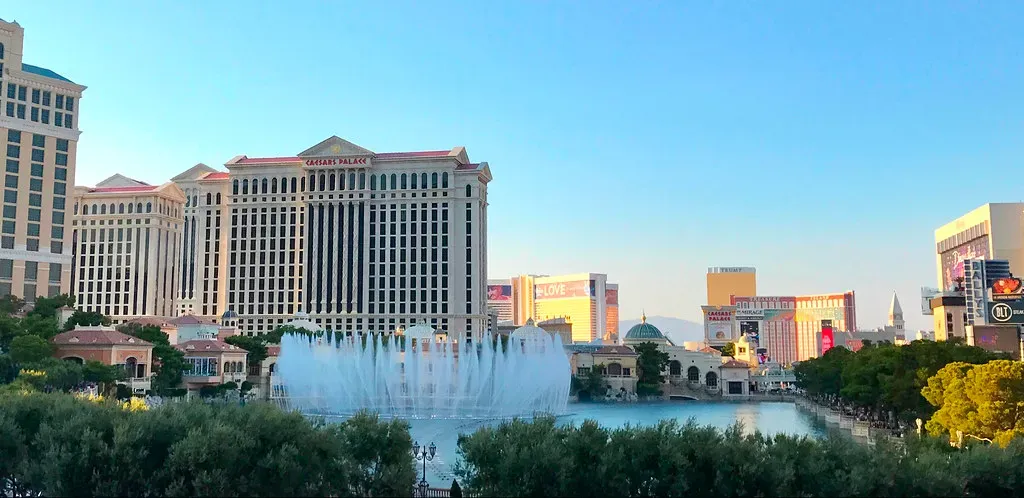
The Las Vegas whale has always been a creature of paradox. Enormously wealthy yet dependent on casino credit. Intensely private yet performing in one of the most watched cities on earth. That paradox hasn’t gone away in 2026. If anything, it’s deepened.
The numbers confirm what casino executives already know: fewer visitors, flat or declining Strip totals in some periods, and yet gaming revenue holding steady or climbing. The math behind that outcome points directly to the whale. Casinos that have invested in understanding, attracting, and keeping their highest-value players are the ones posting gains while their competitors explain shortfalls.
What’s changed is the nature of the competition for those players. Macau is surging. Global alternatives are multiplying. Technology is both a tool and a threat to the privacy these players require. The casino industry built Las Vegas on the backs of extraordinary spenders, and it still needs them. The task now is figuring out how to deserve their loyalty in a world where their options have never been greater.
Partner offer
Planning a trip to Vegas?
Compare hotel rates and show tickets on VEGAS.com.