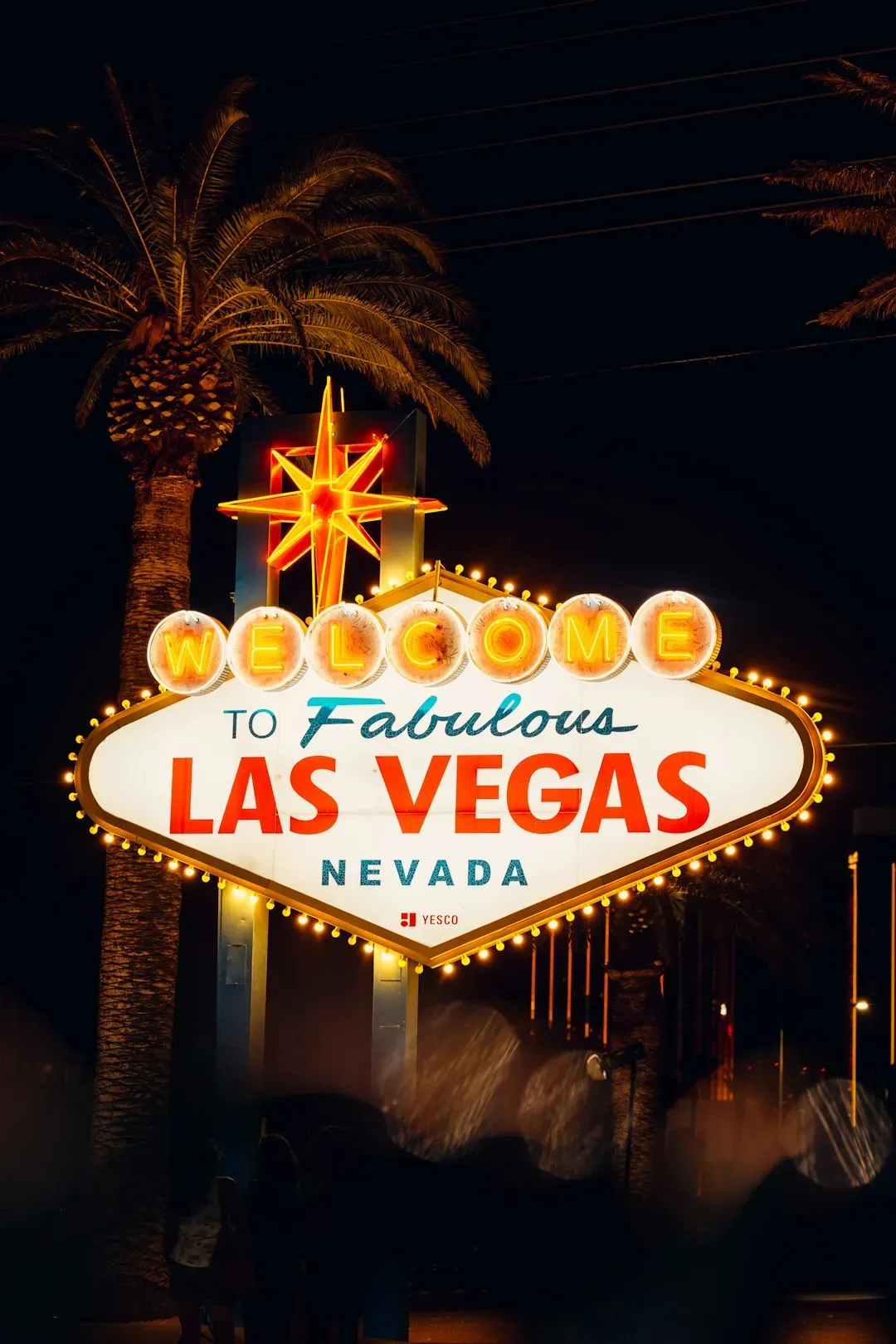
There’s something almost mythic about the “Welcome to Fabulous Las Vegas” sign. You’ve seen it on T-shirts, coffee mugs, airport gift shops, and the back of rental cars. It’s been photographed millions of times. It greeted the first wave of postwar tourists, and it’s still standing there today, unfazed by the billion-dollar resorts that have sprouted up around it.
Yet here’s the wild part. Most people, including folks who have lived in Las Vegas their whole lives, only know the surface of its story. The real history is far more surprising, a little poignant, and honestly, kind of wonderful. Let’s dive in.
Fact 1: A Woman Who Grew Up in Las Vegas Designed It, and She Never Made a Dime From Its Fame
Betty Jane Willis was an American visual artist and graphic designer, best known for designing the Welcome to Fabulous Las Vegas sign, and has been credited as an influencer in defining modern Las Vegas’ visual image. That’s no small thing. She was one of the few women designers working in a male-dominated field, with a career that included stints at YESCO, Western Neon, and Ad-Art sign companies.
In 1952, Willis was approached by Ted Rogich, a local salesman, who suggested she design a sign that would welcome visitors to the city. Las Vegas had a sign heralding everything, he argued, except itself. The sign had to reflect the relatively new, flashy neon age and serve as an impressive gateway for the town. Willis agreed and embarked on developing a sign that was unique in its shape, style, and content.
She never copyrighted the logo or profited from the sign directly outside of her employment with Western Neon in 1959. Think about that for a moment. One of the most reproduced images in American commercial history, and the woman who drew it made basically nothing from the millions of replicas sold worldwide. Willis sold the design to Clark County for $4,000 without copyrighting it, considering it a “gift to her hometown” rather than a means to get rich.
Fact 2: The Sign’s Starburst and Diamond Shape Were a Deliberate Architectural Statement
Most people glance at the sign and think it’s just classic Vegas glitz. Few realize it was a very intentional design choice rooted in a specific architectural movement. The design is characteristic of the Googie architecture movement, a mid-20th-century American style defined by bold, futuristic shapes that were meant to catch the eye of drivers speeding past on highways. Think of it as the visual language of the Space Age applied to roadside signage.
Although the sign, at 25 feet tall, is short compared to other signs on the Strip, it does have some distinctive features. The diamond shape immediately differentiates it from the others. Willis wasn’t just being creative for its own sake. Up until then, the only such sign in southern Nevada was a wooden sign that read “Welcome to Las Vegas, the Gateway to the Boulder Dam.” He wanted something much flashier, so she used a diamond, a unique shape for a sign, and put it off-center on its supporting poles.
Willis studied French-style lettering and drew the elegant script for the sign by hand, which was common before the advent of computer-aided design techniques. Every curve, every letterform, done entirely by hand. That level of craft tends to get completely lost when people assume it was just slapped together for tourists.
Fact 3: Those Silver Circles at the Top Are Not Just Decoration
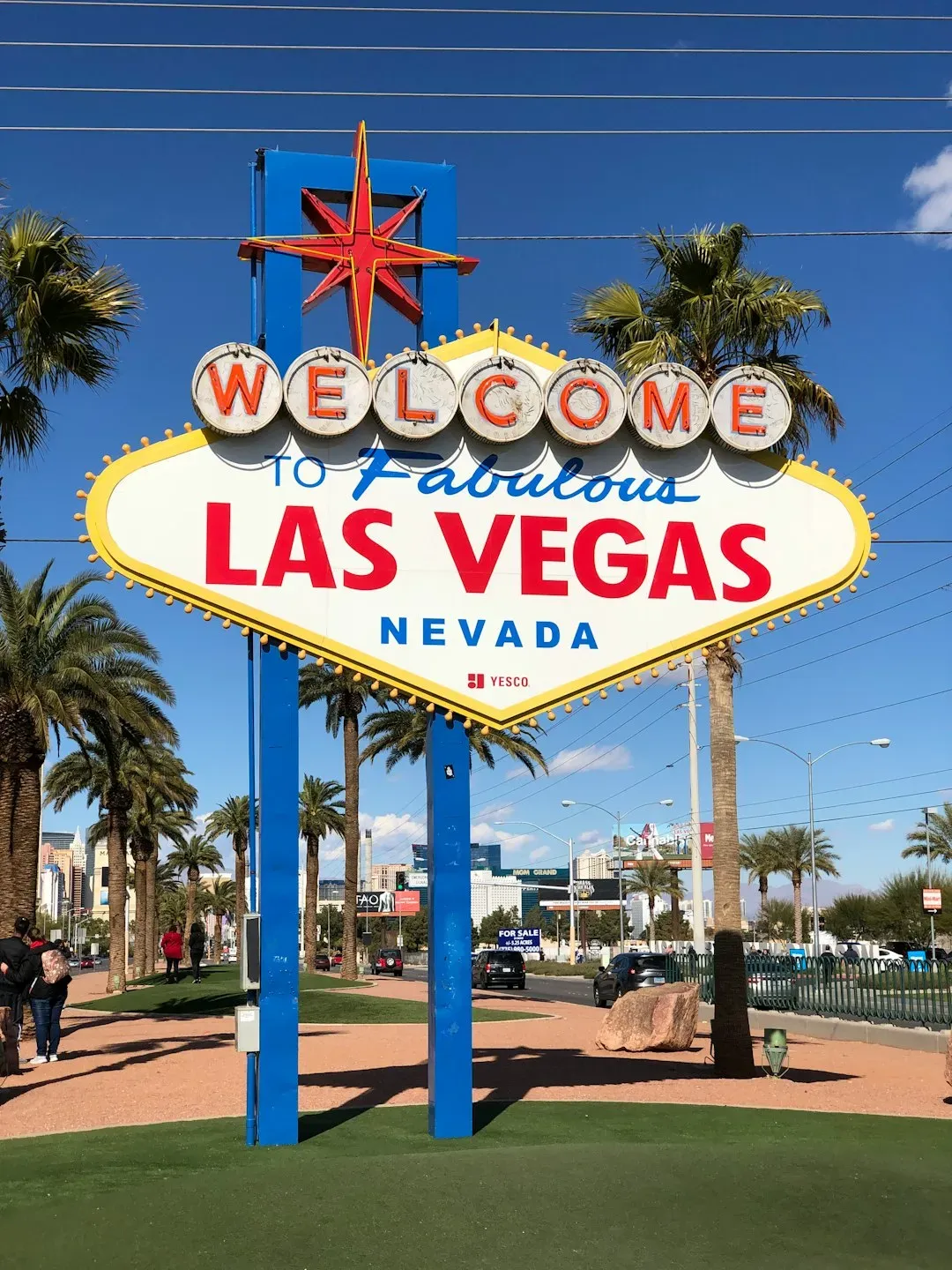
Here’s the thing. Most visitors stare at the sign, snap a selfie, and never once wonder what those circular shapes actually mean. They look decorative, almost like casino chips. The truth is far more deliberate.
In a nod to Nevada’s nickname as “the Silver State,” seven silver dollars back the seven letters of the word “Welcome.” It’s a tiny piece of Nevada identity embedded right into the most famous sign in the state. The silver circles that spell out “WELCOME” represent silver dollars as a salute to Nevada’s designation as the “Silver State.”
In 2014, Clark County installed panels by the sign that provide enough solar-powered energy to illuminate the sign all day and night long. So the sign that was once entirely powered by neon now draws its light from the Nevada sun. It’s a quiet but meaningful evolution, and most people standing in front of it have no idea it even happened.
Fact 4: For Almost 50 Years, Getting a Photo Was Actually Dangerous
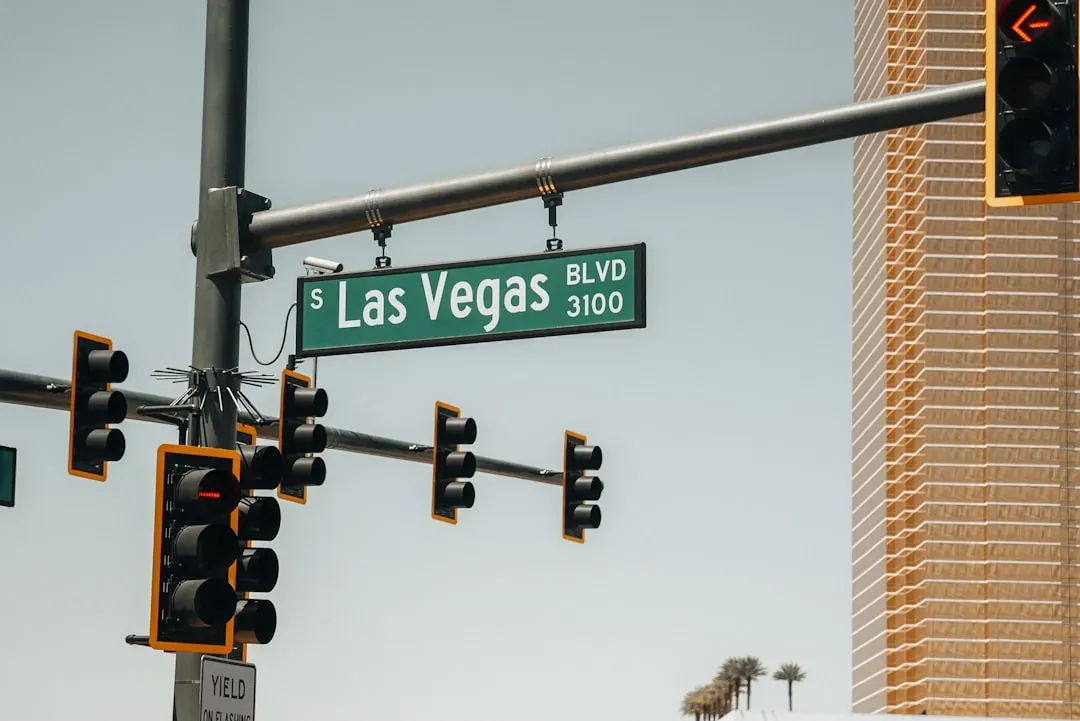
Imagine crossing multiple lanes of one of the busiest boulevards in America just to get a photo. That’s exactly what people did for decades. And no, that’s not an exaggeration.
Prior to 2008, access to the iconic sign for photo opportunities was risky. There was no legal place for visitors to park, and visitors had to cross travel lanes of Las Vegas Boulevard and hop up onto a median to reach the sign. For nearly fifty years, from 1959 to 2008, this was simply the reality. You wanted a photo, you took your chances with traffic.
In April 2012, the Clark County Commission authorized the expenditure of $500,000 to add 20 more spaces to accommodate visitor traffic. On April 23, 2015, a second site enhancement project was completed at a cost of $900,000. This project added 21 additional parking spaces to the parking lot and completed additional cosmetic and safety improvements, including new marked crosswalks with traffic signals to allow safer pedestrian access to the sign. Clark County ultimately spent well over a million dollars just to make a photograph safe. That says everything about how important this landmark had become.
Fact 5: The Back of the Sign Says Something Most Locals Have Never Read
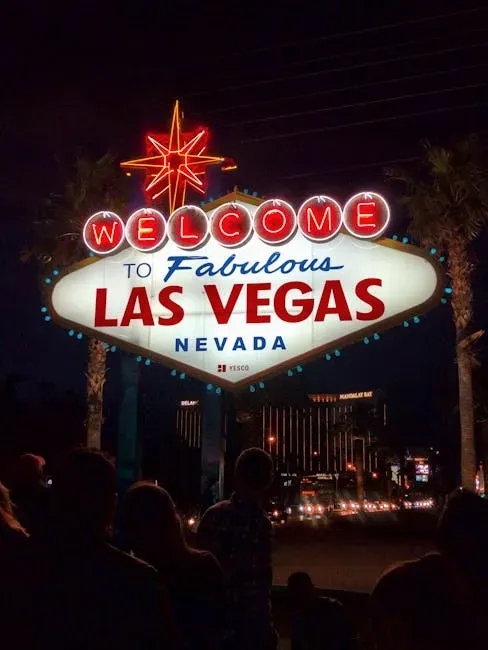
Honestly, this one surprises almost everyone. Ask any Las Vegas local what the back of the sign says, and you’ll likely get a blank stare or a wrong answer. The front of the sign is world-famous. The back is almost invisible in pop culture.
On the back or north side, which is less frequently photographed and thus is lesser known, the sign reads “Drive” on the top line and “Carefully” on the second in red capital letters, with “Come Back” in blue on the third line, in script, and “Soon” all capitalized in blue on the fourth line. “Drive Carefully, Come Back Soon.” It’s a farewell, a gentle nudge, and a sales pitch all in one sentence.
In late 2008, Clark County employees sought to have the sign listed on the National Register of Historic Places. The Nevada State Historic Preservation Office officially nominated it, and the National Park Service approved the designation on May 1, 2009. A roadside sign earning a spot on the National Register of Historic Places is remarkable by any measure. In 1959, when the sign was completed, Willis and Rogich sold it for $4,000 to Clark County officials, who placed the sign on an island on the southern tip of the Strip, where it remains to this day.
Conclusion: A $4,000 Sign Worth More Than Anyone Could Have Imagined
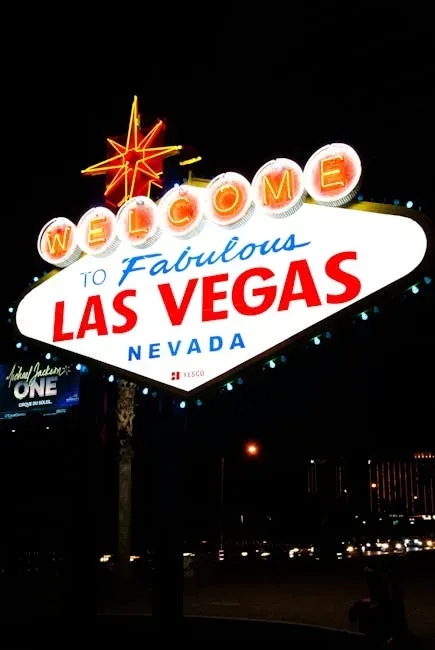
There’s something quietly extraordinary about a sign that cost four thousand dollars in 1959 becoming one of the most photographed landmarks in the entire state of Nevada. It wasn’t designed by a corporation, a major agency, or a celebrated architect. While official numbers don’t exist, a significant portion of the 40-million-plus visitors to Las Vegas annually stop by the sign to commemorate their trip.
Betty Willis drew it by hand, gave it away, and never cashed in. The city built highways around it, spent millions to make it safe to photograph, and eventually had the federal government declare it historically significant. The sign wasn’t instantly iconic. There was even some worry about the design, with Betty Willis herself saying in a 1998 interview that she worried that the sign looked outdated.
It turned out she had nothing to worry about. Sometimes a simple gift to a city becomes its most enduring symbol. What other famous landmarks do you think are hiding stories like this one? Tell us in the comments.